Unique Things to Do in Korea Beyond the Tourist Trail
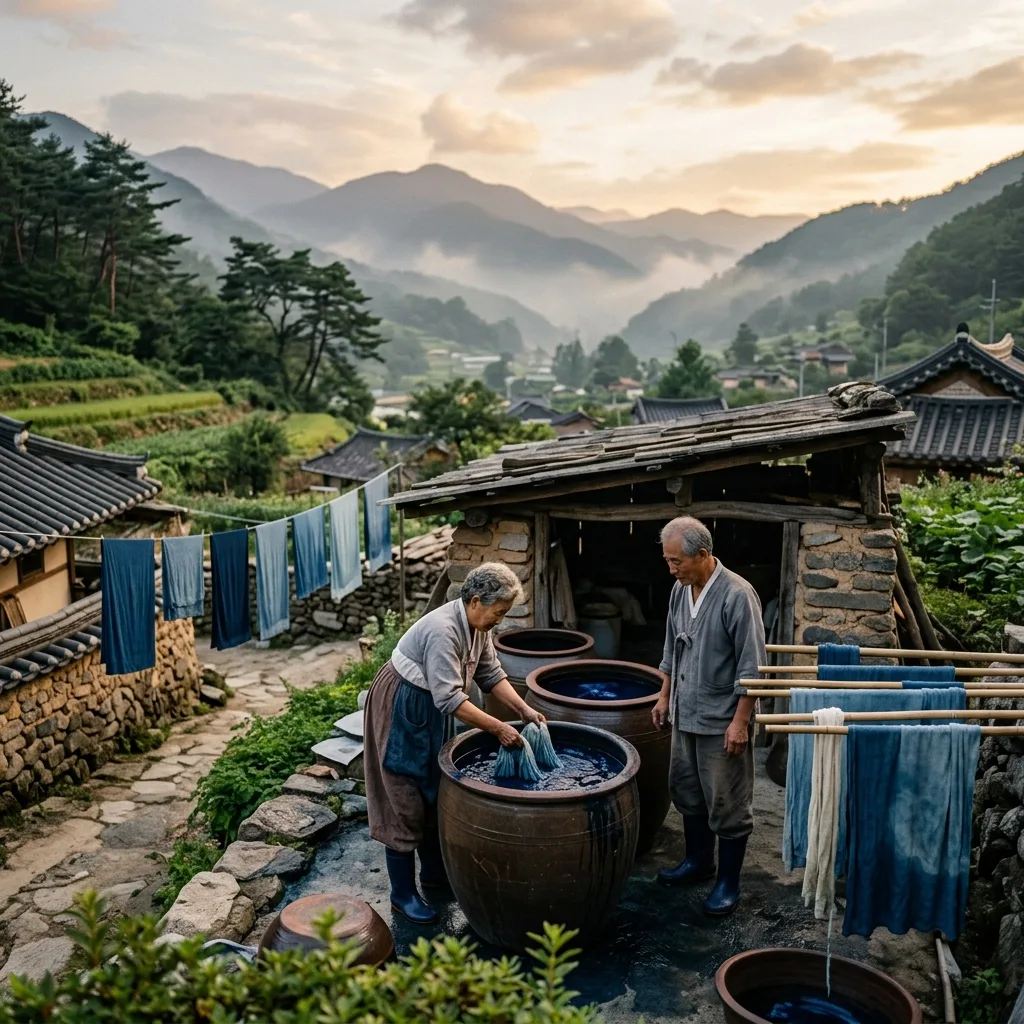
Most first-time visitors to Korea follow the same well-worn loop: palaces, shopping streets, a few skyline photos, maybe a night market, and then the trip ends before the country has really had a chance to introduce itself. That itinerary is not wrong, but it is incomplete. The Korea that locals actually remember is often quieter, more tactile, and more specific: sleeping in a temple compound, learning how tea is poured in a hanok, making makgeolli with a brewer, or wandering a back alley in Euljiro after the office crowd has gone home.
If you want a trip that feels less like a checklist and more like a conversation, the best move is to build around experiences rather than landmarks. In this guide, I will show you how to do that with a mix of overnight stays, hands-on culture, low-key neighborhoods, and practical planning advice. You will also get a few bookable options, realistic price expectations, and the small details that most standard guides leave out.
Start with the kind of trip you want, not the places you already know
The most memorable off-trail experiences in Korea are usually not the loudest ones. They are the ones that slow your pace, put you in close contact with local customs, and give you one story you cannot copy from a standard sightseeing list.
That is why the best way to think about this topic is by mood. Do you want stillness? Choose a temple stay or a traditional tea room. Do you want something social and hands-on? Pick a makgeolli class or a craft workshop. Do you want a more urban, photogenic, slightly gritty side of the country? Spend an evening in Euljiro or a night at a jjimjilbang. The common thread is that these experiences are less about seeing Korea from a distance and more about participating in it at street level.
This approach also helps you avoid the trap of overplanning. A lot of travelers try to add ten “hidden gems” to a two-day window and end up exhausting themselves. A better plan is to anchor each day around one unusual experience, then leave room for meals, transit, and the chance encounters that happen when you are not rushing.
Why this style of travel works so well in Korea
Korea is unusually good at supporting this kind of travel because the country combines strong infrastructure with dense neighborhoods and a deep culture of scheduled experiences. You can move efficiently between districts on the subway, step into a 400-year-old neighborhood, and then spend the evening in a modern workshop or sauna without needing a car.
It is also a country where etiquette matters in a way that many first-time visitors underestimate. Quiet behavior, punctuality, clean shoes, and a basic respect for shared space will get you much farther than trying to “act local” in a superficial way. If you want a refresher on that side of the culture, our The Sound of Silence: Essential Etiquette for a Korean Temple Stay guide is worth reading before you book anything overnight.
The other advantage is that Korea rewards curiosity. The more specific your interests become, the easier it is to find an experience that fits. A traveler who enjoys architecture can spend a day in hanok districts and old alleys. A foodie can build an entire afternoon around tea, rice wine, and market snacks. A wellness-focused visitor can combine a temple stay with a jjimjilbang and walk away with a trip that feels restorative rather than performative.
Temple stays, tea rooms, and slow culture
If you only do one “beyond the tourist trail” activity in Korea, make it something that changes your pace. Temple stays, tea houses, and traditional cultural programs do exactly that. They are not flashy. They are not designed to be consumed in 20 minutes. That is precisely why they are memorable.
A temple stay is the clearest way to reset your trip
A temple stay is one of the most distinctive things you can do in Korea because it does something a museum cannot: it changes the rhythm of your whole day. You are not just visiting a place of worship for an hour. You are entering a structured environment with its own schedule, soundscape, food, and etiquette. That shift can be surprisingly powerful, especially if your trip has been heavy on shopping streets, cafes, and transit connections.
For practical planning, the current booking examples on Templestay show how this usually works in real life. One program at Donghwasa in Daegu lists prices of 70,000 won per night for adults, 60,000 for teenagers, 50,000 for children, and 30,000 for preschoolers, with reservations available until one day before the program start date. Another example at Woljeongsa in Gangwon-do shows a common structure: check-in around mid-afternoon, a latest arrival time before dinner, and check-out by late morning the next day.
If you have never done one before, read our broader Temple Stay in South Korea: What to Expect and How to Book article first, then pair it with the etiquette guide so you do not arrive unsure of what to do. The basic idea is simple: bring socks, a quiet attitude, and enough humility to let the schedule shape your evening.
A temple stay is especially good if you are traveling with burnout, jet lag, or too much screen time. The appeal is not luxury in the hotel sense. It is clarity. You eat simply, wake early, and spend enough time in silence that your own thoughts become easier to hear. For many travelers, that turns out to be one of the most valuable experiences in the country.
It also helps that temple stays are geographically flexible. You do not need to go to one specific famous site in Seoul. Options exist across the country, from mountain temples to urban compounds, which means you can fit the experience into a broader route instead of building your itinerary around it.
Tea culture gives you a slower, more intimate version of Korea
Tea is another excellent way to experience Korea beyond the obvious tourist trail, but only if you treat it as more than a “cute cafe stop.” Traditional tea culture in Korea is about pacing, conversation, and careful preparation. A proper tea experience feels closer to a small ceremony than a beverage break.
In Seoul, you can choose between a traditional teahouse and a hands-on class. Visit Seoul currently lists Heesum as a reservation-only tea space with daily hours from 10:00 to 20:00 and a last order at 19:30. Chamasineun Teul Chatteul in Bukchon operates from 10:00 to 19:00, with a Tuesday closure and a location that makes it easy to fold into a hanok walk.
If you prefer a structured class, Klook lists a one-day traditional tea ceremony experience at Rakkojae in Bukchon that runs about 1 hour 20 minutes to 1 hour 30 minutes and includes hanbok and hanok interpretation elements. That kind of program is ideal for travelers who want the cultural context explained instead of having to infer it on their own.
Tea experiences work especially well when paired with a neighborhood walk. A quiet tea room in Bukchon or Insadong can easily become part of a wider afternoon that includes hanok lanes, small galleries, and a slower lunch. If that sounds like your style, our Best Hanok Cafes in Seoul 2024/2025: Tradition Meets Modernity guide can help you choose the right kind of stop without accidentally landing in a place that is only decorative.
The mistake many travelers make is treating tea culture as interchangeable with any stylish cafe. The difference is subtle but important. In a modern cafe, the room is the point. In a traditional tea setting, the room is part of the ritual. The way you sit, pour, wait, and listen matters. That is what makes the experience feel distinctly Korean rather than just aesthetically East Asian.
Hands-on food and drink workshops are more revealing than souvenir shopping
If you like your travel with some sensory engagement, food-based workshops are one of the best upgrades you can make to a Korea itinerary. Instead of just tasting something at a restaurant, you learn how it is made, why it is served a certain way, and what context it has in Korean social life.
Makgeolli classes are the easiest example. A current Klook listing for a makgeolli-making experience in Seoul shows a two-hour format with fixed session times on Monday, Tuesday, Friday, and Sunday, and a weekly closure on Wednesday, Thursday, and Saturday. That is already useful because it tells you the class is not a casual walk-in activity; you need to work it into your schedule deliberately.
What makes makgeolli especially good for travelers is that it sits between “culture” and “fun” in the right way. It is hands-on, but not physically demanding. It is social, but not overly scripted. It also gives you vocabulary for the rest of your trip, because once you understand how Korean rice wine is made, you start noticing it everywhere: in market food pairings, in neighborhood bars, and in conversations about regional food culture.
The broader category here includes traditional confections, soy sauce tastings, and craft-oriented food classes that show up across Seoul and other major cities. If you want a more structured evening built around tasting and context, Klook also lists a traditional liquor storytelling experience in Euljiro with a roughly two-hour duration and a format centered on history, tasting, and food pairing. That kind of class is ideal if you want a social experience that still feels rooted in Korean tradition rather than just another bar crawl.
These programs also solve a common problem: travelers often want to understand Korean food without always eating in a restaurant. Workshops give you a way to learn the logic behind what you are tasting. That makes the rest of the trip richer, because you stop seeing meals as isolated events and start recognizing the culture that produced them.
Neighborhoods, saunas, and the Korea you notice when you stop rushing
Some of the best things to do in Korea are not ticketed at all. They are neighborhoods, streets, and routines. These experiences matter because they show you how the country feels when it is not performing for the tourist camera.
Euljiro is not polished, and that is the point
Euljiro is one of the best examples of a place that rewards slow, observant travel. It is not designed to impress you in the obvious way. The appeal is in the texture: old shopfronts, narrow lanes, layered signage, metalwork and print businesses, retro bars, and a sense that the district is still being used rather than preserved in amber.
Our Hidden Alleys of Euljiro: A Retro Photography Walk guide goes deeper into that atmosphere, but the main point is simple: Euljiro gives you a more lived-in version of Seoul than many of the headline districts. It is especially good in the early evening, when office workers start drifting toward dinner and drinks and the district shifts from work mode to after-hours mode.
The best way to approach Euljiro is not to hunt for a single iconic stop. It is to wander, pause, and let the district assemble itself around you. That may sound vague, but it is actually one of the most practical travel tactics in Korea. Dense neighborhoods often reveal more by accident than by itinerary.
If you enjoy photography, design, or older urban surfaces, Euljiro can become one of the most satisfying parts of the trip. If you enjoy food, it is equally useful as a dinner area because the district has a strong after-work energy. And if you like the contrast between old and new, it gives you exactly that without forcing it.
Jjimjilbangs are still one of the most useful cultural hacks in Korea
If a temple stay is the quiet reset, a jjimjilbang is the practical one. It is one of the most Korean overnight or late-night experiences you can have, and it solves several travel problems at once: tired legs, a need for a shower, a cheap place to rest, and a curiosity about local bathing culture.
If you need a primer on the format, our Hanjeungmak vs. Jjimjilbang: What's the Difference and Which to Choose? guide explains the terminology clearly. The key thing to know is that a jjimjilbang is not just a sauna. It is a public wellness environment with hot rooms, showers, lounging spaces, snacks, and usually enough infrastructure that you can spend several hours there without feeling out of place.
This matters because it is one of the few experiences in Korea that can be both cultural and practical. You do not need to go to a luxury spa to understand the appeal. For a traveler moving between airports, late dinners, and long transit days, a jjimjilbang can function as a reset button.
The mistake most first-timers make is expecting a spa in the Western sense. That expectation leads to confusion. The better mental model is a hybrid of bathhouse, lounge, sleeping space, and snack stop. Once you understand that, the entire experience becomes easier to navigate.
Jjimjilbangs also pair well with Korean transit. If your plan involves a late arrival, an early departure, or a long intercity transfer, they can be the most efficient place to recover between legs of the journey. If you are still working out the logistics of trains, buses, and urban transit, our The Ultimate Guide to Public Transportation in Korea (2025 Edition) article is the best companion piece.
Hanok districts feel different when you use them as a slow route, not a photo stop
Bukchon and similar hanok neighborhoods are famous for a reason, but they are most rewarding when you stop treating them as a single photo point. The real experience is not the postcard shot. It is moving slowly through alleyways, hearing how the district sounds in the morning, and pairing the walk with tea, a small workshop, or a quiet lunch.
That is why hanok cafes are such a useful bridge experience. They let you spend time inside a traditional-looking structure without requiring you to turn the visit into an academic exercise. Some travelers use them as a base for an afternoon. Others use them as a soft landing before or after a heavier cultural activity. Either way, they are a strong way to keep the day from feeling too rushed.
The best hanok areas are not just “pretty.” They are walkable, layered, and connected to adjacent neighborhoods that add context. A tea room in Bukchon can lead naturally into Insadong. A hanok walk can lead into a craft shop or a small museum. That layering is what makes this style of travel work.
One practical note: the more popular the neighborhood, the more you should think about timing. Early mornings and weekday afternoons often feel dramatically calmer than weekends. If you are using public transportation, plan your route in advance so you are not losing half the day to transfers or backtracking.
Practical guide: current prices, hours, and booking links
The experiences above are best when you know what they cost, how long they take, and how far in advance you need to book. Here is a practical way to think about the ones most worth prioritizing.
1. Templestay
Best for: travelers who want a meaningful overnight reset, not just another hotel night.
Current booking examples: Donghwasa currently lists adult pricing at 70,000 won per night, with lower rates for teens and children. Reservation windows can be as short as one day before the program begins, but some temples recommend booking earlier, especially for popular weekends. Check-in commonly falls in the mid-afternoon, and late arrival can affect whether you join the dinner program.
Where to book: the official Templestay site.
What to plan for: bring socks, basic toiletries, and quiet expectations. You are not booking a resort. You are booking a structured cultural stay that will be more valuable if you let it set the pace.
2. Traditional tea ceremony or tea room visit
Best for: travelers who want a slower cultural experience that does not require an overnight commitment.
Current planning examples: Visit Seoul currently lists Heesum as daily from 10:00 to 20:00 with reservation-only entry and a 19:30 last order. Chamasineun Teul Chatteul in Bukchon currently operates from 10:00 to 19:00 and closes on Tuesdays. Klook also lists a one-day Rakkojae tea ceremony class in Bukchon at about 1 hour 20 minutes to 1 hour 30 minutes.
Where to book: Visit Seoul for official venue information, or Klook for a guided class format.
What to plan for: a tea experience works best when combined with a neighborhood walk, not treated as a standalone errand. It is a better use of your time if you connect it to hanok lanes, galleries, or a lunch stop.
3. Makgeolli-making or traditional liquor experiences
Best for: travelers who want a hands-on, social experience that is still rooted in Korean tradition.
Current planning examples: a Seoul makgeolli class on Klook currently runs about two hours, with scheduled sessions on Monday, Tuesday, Friday, and Sunday, and no operation on Wednesday, Thursday, or Saturday. Another Euljiro liquor experience on Klook is listed at roughly 1 hour 50 minutes to 2 hours.
Where to book: Klook is currently the easiest way to find a bookable slot quickly.
What to plan for: these classes tend to be better in the afternoon or early evening, especially if you want to follow them with dinner in the same district.
4. Namsangol Hanok Village hands-on programs
Best for: travelers who want a lower-commitment cultural activity with flexible timing.
Current schedule examples: Visit Seoul currently lists a seasonal hands-on program cycle that runs Friday through Sunday from 10:00 to 16:00, with 50-minute sessions and a break in July and August. Some tea or etiquette programs are group-oriented and have separate pricing.
Where to book: Visit Seoul for the latest schedule and program notes.
What to plan for: this is the kind of option that fits naturally into a larger day of sightseeing because you can combine it with nearby neighborhoods instead of dedicating an entire day to it.
5. Jjimjilbang
Best for: travelers who need a budget-friendly recovery block or a late-night place to decompress.
What to expect: prices vary by location, time of day, and neighborhood, but the format is usually straightforward enough that first-timers can handle it without much stress once they understand the bathing sequence.
Where to plan: use location-specific search when you are already in the city, then pair it with transit planning. Our The Ultimate Guide to Public Transportation in Korea (2025 Edition) article is the best way to think through how to reach one without wasting time.
What to plan for: bring a willingness to be ordinary for a few hours. A jjimjilbang is not about “doing it right” for social media. It is about resting in a way that locals actually use.
Tips and common mistakes
The biggest mistake travelers make with unique Korea experiences is trying to stack too many of them in a single day. A temple stay, tea class, workshop, and nightlife district can all be excellent individually. Together, they can become exhausting. Pick one major experience per day and let the rest of the plan support it.
Another common mistake is underestimating transit time. Korea’s transport is excellent, but excellent transit is not the same thing as instant transit. If your temple stay is on the outskirts of the city or your tea room is in a neighborhood with narrow streets, factor in walking time from the station and a buffer for getting lost once you exit the subway.
Do not confuse “off the tourist trail” with “inconvenient.” Some of the best experiences in Korea are popular for a reason. The point is not to avoid all recognizable places. The point is to choose experiences with enough depth that they feel personal once you are there.
Also, do not skip etiquette just because a place is described as casual. Temple stays, tea rooms, sauna spaces, and even some workshops have expectations around footwear, noise, and punctuality. The culture here is polite but exact. If you respect the structure, people will usually make the experience easier for you, not harder.
Finally, think about sequencing. A temple stay makes a better counterweight to a hectic Seoul arrival than to a late-night bar crawl. A tea ceremony feels more satisfying when it follows a quiet morning. A makgeolli workshop is a better bridge into dinner than a rushed midday add-on. Korea travel gets easier when you think in terms of energy levels instead of only distances.
FAQ
What is the most unique thing to do in Korea for a first-time visitor?
For most first-time visitors, a temple stay is the clearest answer. It is immersive, distinctly Korean, and different from the usual city sightseeing pattern. If you want something shorter and easier to schedule, a traditional tea experience is the next best option.
Are these experiences worth doing if I only have a few days in Korea?
Yes, but only one or two. The key is not to overbook yourself. A single temple stay, tea class, or makgeolli workshop can add more value than trying to cram six “authentic” stops into a weekend.
Do I need Korean language skills for these activities?
Usually not. Many official booking pages and guided experiences offer English support or enough visual structure to make participation manageable. That said, basic courtesy phrases and an awareness of etiquette make a noticeable difference.
Is a jjimjilbang safe and comfortable for solo travelers?
Yes, in general. It is one of the most practical solo-travel experiences in Korea, especially if you understand the bathing and changing-room flow in advance. The main challenge is not safety; it is being comfortable with a very local, communal environment.
Which neighborhoods are best if I want a less touristy Seoul day?
Euljiro is a strong choice for texture and atmosphere, while hanok districts work well if you prefer a slower, more architectural experience. Pair either one with a tea room, a gallery, or a late lunch, and the day will feel far more local than a standard sightseeing circuit.
Conclusion
The best things to do in Korea beyond the tourist trail are not exotic for the sake of being exotic. They are valuable because they reveal how the country actually works when you stop treating it like a set of headline attractions. A temple stay shows you what silence feels like in Korea. A tea room shows you how carefully tradition can be maintained inside a modern city. A makgeolli class turns a drink into a story. Euljiro and hanok neighborhoods show you the texture between the major landmarks. A jjimjilbang reminds you that everyday routines can be as culturally revealing as any famous monument.
If you are building a trip from scratch, start with one experience that changes your pace, one that gives you a conversation, and one that gives you a neighborhood to wander. That combination will do more to make your trip memorable than another round of box-ticking ever could.
For the most practical next step, choose one slow experience and book it early, then use transit to build the rest of the day around it. Korea rewards travelers who are organized without being rigid, curious without being chaotic, and willing to let one good local moment lead to the next.