The Rise of Vegan Korean Skincare: Brands and Ingredients to Know

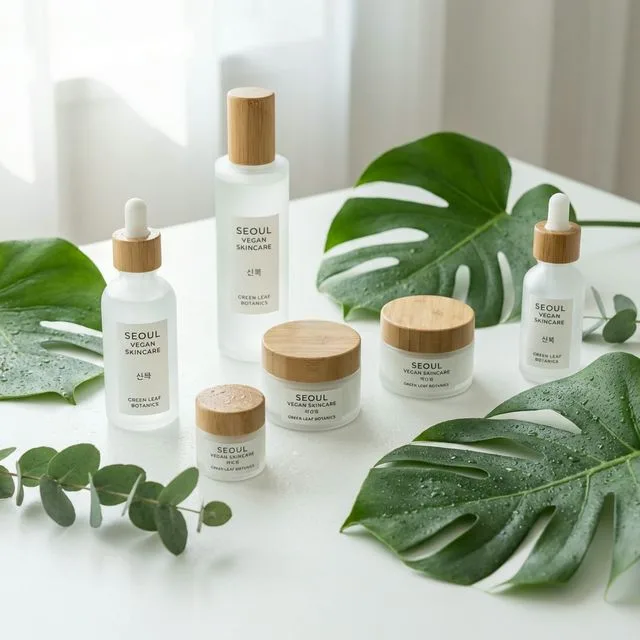
For years, K-Beauty's most famous innovations were animal-derived: snail mucin serums that promised healing and hydration, horse oil creams from Jeju's free-range horses, bee venom masks, and collagen products sourced from fish or pig byproducts. The marketing language leaned into the exotic and the biological. It worked — these ingredients genuinely perform, and the global spread of K-Beauty introduced millions of people to actives they would never have encountered from Western beauty brands.
But a significant shift is underway. A younger, eco-conscious Korean generation has pushed K-Beauty's fastest-growing segment toward plant-based formulations — not as a compromise or a reduction in efficacy, but as an active area of scientific innovation. Korean labs are spending serious money on finding plant-derived alternatives to every animal-sourced active, and in several cases they are finding that the alternatives outperform the originals.
This guide covers the complete landscape of vegan K-Beauty: what the terms actually mean, which brands have credible vegan certification, the major product lines worth knowing at different price points, and the specific plant-based ingredients that are transforming formulations across the industry.
Defining the Terms: Vegan vs. Cruelty-Free
These terms are related but not equivalent, and Korean beauty brands use them distinctly. Understanding the difference prevents disappointment at purchase.
Cruelty-Free
A product is cruelty-free if it was not tested on animals at any stage of development — neither the finished product nor its individual ingredients. In the Korean cosmetics industry, this is complicated by one major historical factor: China's regulatory requirement for animal testing on imported cosmetics.
Until 2021, any imported cosmetic product sold in mainland China was required by law to undergo government-mandated animal testing, regardless of the brand's stated policies. This meant that many brands claiming to be cruelty-free in Western markets were technically participating in animal testing to access the Chinese market — which was a major part of K-Beauty's growth story. The situation created real tension in the cruelty-free community.
The regulation has been changing. China implemented alternative testing pathway policies beginning in 2021 for certain product types and distribution channels. However, the transition is ongoing and brand-by-brand claims need to be verified against current China policy. Look for current certification from organizations like Leaping Bunny (the most rigorous international standard) or PETA's Beauty Without Bunnies rather than relying solely on brand claims.
Vegan
A product is vegan if it contains zero animal-derived ingredients — not just no animal testing, but no animal-sourced materials in the formulation itself. This is a more restrictive standard than cruelty-free.
Common K-Beauty ingredients that are NOT vegan:
- Snail mucin (Helix aspersa secretion filtrate)
- Collagen from fish, pig, or bovine sources
- Honey and propolis (bee-derived)
- Beeswax (Cera alba) in lip and face products
- Lanolin (from sheep's wool)
- Horse oil
- Hyaluronic acid from rooster combs (though plant and fermentation-derived HA is now standard in most modern formulations)
- Carmine (red pigment from crushed insects, used in color cosmetics)
A product can be cruelty-free but not vegan (if it contains bee-derived ingredients, for example). The intersection — cruelty-free AND vegan — is the standard that fully ethical K-Beauty brands target.
Certification bodies to look for in 2026:
- The Vegan Society (UK): The "Sunflower" logo; rigorous third-party auditing of the entire supply chain.
- EVE VEGAN (France): A premium European standard. Unlike others, EVE Vegan requires on-site inspections of manufacturing facilities to ensure zero cross-contamination with animal products.
- KAVCS (Korea Agency of Vegan Certification and Services): The first government-approved domestic certification. It is excellent for checking animal-derived ingredients but focuses more on documentation than EVE's physical inspections.
- PETA's 'P' Logo: Primarily focused on cruelty-free (no testing) status.
100% Vegan and Cruelty-Free Brands
These brands have committed their entire product lines to vegan formulation and maintain cruelty-free certification throughout.
Aromatica
Aromatica has the strongest claim to being Korea's first serious "clean beauty" brand in the modern sense — they began developing plant-based formulations and sustainable packaging before it was a marketing trend, and they have maintained their standards through growth.
Brand philosophy: Aromatherapy-based formulations using essential oils, botanical extracts, and organic-certified ingredients. Sustainably packaged in glass jars and bottles where possible, with the rationale that glass is infinitely recyclable while most cosmetic plastics are not.
Certifications: Certified by The Vegan Society (UK) and Leaping Bunny cruelty-free. COSMOS Natural certification for several products.
Hero products:
- Rosemary Root Enhancer: A scalp and root spray using rosemary extract (rosemary is clinically demonstrated to support hair density) as the active ingredient. One of the better-evidenced plant-based hair loss treatments available in K-Beauty.
- Aloe Vera Gel: Simple, transparent, fragrance-free. Certified organic aloe vera as the first ingredient. Benchmark product for understanding what aloe vera gel can be when made without cheap fillers.
- Tea Tree Balancing Foam Cleanser: Tea tree oil-based cleanser for acne-prone skin; balanced enough for daily use.
Price range: Mid-range. Available at Olive Young (clean beauty section) and Aromatica's own stores in Seoul and Busan.
Bonajour
Founded by a Korean dermatologist with lifelong sensitive skin, Bonajour's entire philosophy centers on high-efficacy formulations for reactive skin — the thesis being that sensitive skin deserves the same active performance as any other skin type, just without the triggers.
Certifications: The Vegan Society (UK) certified. All products cruelty-free.
Hero products:
- Green Tea Water Bomb Cream: A lightweight gel-cream moisturizer using green tea water as the primary humectant. Notably well-formulated for combination and oily-acne-prone skin that still needs hydration without heaviness.
- Rose Hip Rescue Balm: A dense, plant-based balm for moisture barrier repair using rosehip oil, jojoba, and vitamin E.
Price range: Accessible mid-range. Some products available internationally; in Korea, available at Olive Young.
Purito SEOUL
After controversy over a sunscreen formulation issue in 2020 (resolved via reformulation and enhanced testing), Purito rebranded with renewed emphasis on ingredient transparency and eco-packaging. Their sustainable packaging initiative — recycled plastic, minimal secondary packaging — is among the more credible environmental commitments in K-Beauty.
Certifications: EVE VEGAN certified. Cruelty-free.
Hero products:
- Centella Unscented Serum: Centella asiatica extract at 49% concentration, completely fragrance-free. The gold standard recommendation for sensitive skin, post-procedure recovery, and acne healing in the K-Beauty community.
- From Green Calming Essence: A lightweight, green tea and centella-based essence that works as a first serum step.
- Daily Go-To Sunscreen SPF50+: Their reformulated mineral-heavy sunscreen with minimal white cast, legitimately suitable for daily use.
Price range: Accessible (drugstore-adjacent pricing). Widely available online internationally.
Rovectin
Rovectin is a specialized brand: originally developed for cancer patients whose skin barriers were damaged by chemotherapy and radiation. The formulations were required to be simultaneously effective (supporting barrier repair) and completely non-irritating (no fragrance, no alcohol, no unnecessary actives).
The skincare community discovered these products because the formulations that work for chemotherapy-damaged skin also work exceptionally well for compromised and sensitive everyday skin.
Certifications: EVE VEGAN certified. Cruelty-free.
Hero products:
- Lotus Water Cream: Their defining product — a water-light gel moisturizer that provides genuine hydration without heaviness or irritation. Suitable for acne-prone and sensitive skin.
- Skin Essentials Serum: Peptide and ceramide-focused barrier support.
Price range: Mid-range premium. Available at Olive Young and online.
Vegan-Friendly Giants: Major Brands with Significant Vegan Lines
These brands do not have fully vegan product lines but have large categories of vegan products. Always check individual product pages or look for the EVE VEGAN logo on packaging.
Dear Klairs (Klairs)
Klairs is best known for the Supple Preparation Unscented Toner (fragrance-free version) — one of the most widely recommended toners in international K-Beauty communities. The vast majority of their product line is vegan. The notable exception: their Freshly Juiced Vitamin C Drop uses a form of vitamin C that requires careful checking, and some older formulations contain honey derivatives.
Vegan hero products:
- Supple Preparation Unscented Toner
- Midnight Blue Calming Cream (Guaiazulene-based; vegan)
- Rich Moist Soothing Serum
I'm From
I'm From is an ingredient-focused brand — each product is named after its hero ingredient (Mugwort, Fig, Rice, Honey, Ginger). The Honey line is obviously not vegan. Everything else is.
Vegan lines:
- Mugwort Essence: Artemisia extract for soothing inflammation and supporting acne recovery
- Fig Serum: Hydration-focused with fig extract and peptides
- Rice Toner: Brightening and texture refinement using fermented rice
Non-vegan line: Honey Mask, Honey Serum (bee-derived)
Skin1004
The Madagascar Centella line is largely vegan and is among the most cost-effective centella asiatica-focused skincare available globally. Their centella series has become a staple for sensitive and post-procedure skin across the international K-Beauty community.
Vegan products: Madagascar Centella Toning Toner, Hyalu-Cica Water-Fit Sun Serum SPF50+, Madagascar Centella Soothing Cream.
🔬 2026 Thematic Shift: Biome Beauty & Sustainability
As we move through 2026, the vegan K-Beauty movement has shifted its focus from "what's NOT in the bottle" to "what's GROWING in the bottle."
Biome-Friendly Skincare
The most significant trend of 2026 is Microbiome Beauty. Vegan brands like AXIS-Y and Suiskin are leading the charge with formulations that support the skin's natural "living" ecosystem. This involves:
- Bio-engineered Probiotics: Plant-based fermentation that mimics the skin's healthy bacteria.
- Postbiotic Metabolites: The "magic leftovers" of fermentation that provide instant soothing.
- Barrier-First Strategy: Every product in a 2026 vegan line is now designed to support the skin barrier, moving away from harsh "actives-only" cultures.
New Brand Spotlight: OliviaUmma
Keep an eye out for OliviaUmma. Founded by a mother-daughter duo with a focus on "clean, high-performance" veganism, this brand has gone global in 2026, launching its "Glass Skin" vegan kits in Sephora stores worldwide. Their focus on waterless formulations (using botanical extracts as a base instead of H2O) has set a new standard for sustainable luxury.
Star Vegan Ingredients: The Plant-Based Powerhouses
Tremella Mushroom > Animal Collagen
Tremella fuciformis (Silver Ear Mushroom) has been used in traditional East Asian medicine and cuisine for centuries, prized for its skin-softening properties. Its scientific mechanism: tremella polysaccharides hold up to 500 times their weight in water — comparable to hyaluronic acid — and their molecular structure allows absorption at multiple skin depths.
The "collagen bounce" effect that animal-derived collagen claims to provide is not actually from topical collagen penetrating skin (collagen molecules are too large for transdermal absorption). It comes from the hydration and plumping effect of well-formulated moisturizing actives. Tremella provides this plumping effect without animal byproducts.
Look for: Tremella fuciformis extract, Tremella Extract, or Snow Mushroom in ingredient lists.
Centella Asiatica (Cica) and Mugwort > Snail Mucin
Snail mucin's benefits — wound healing, soothing inflammation, supporting skin barrier repair — come primarily from a cocktail of growth factors, glycoproteins, and hyaluronic acid. Centella asiatica (Cica, Tiger Grass) delivers anti-inflammatory, wound-healing, and barrier-supporting benefits through its active compounds: asiaticoside, madecassoside, asiatic acid, and madecassic acid.
Clinical studies support centella's efficacy for acne healing, barrier repair, and soothing sensitized skin at concentrations of 0.1% to 5%. Combined with mugwort (Artemisia, which adds additional anti-inflammatory and antibacterial properties), these ingredients form the plant-based core of most serious sensitive-skin formulations.
Bakuchiol > Retinol
Retinol is the gold standard anti-aging active, supported by decades of clinical evidence for reducing fine lines and stimulating collagen production. It also causes significant irritation for many skin types, is unsafe during pregnancy, and derives from vitamin A that may involve animal byproducts in certain supply chains.
Bakuchiol, derived from the seeds and leaves of the Babchi plant (Psoralea corylifolia), has been the subject of growing research since a landmark 2018 double-blind study published in the British Journal of Dermatology found comparable anti-aging efficacy to retinol with significantly lower irritation rates.
Bakuchiol does not produce the initial "retinol uglies" (peeling, redness, sun sensitivity) associated with vitamin A derivatives, is safe during pregnancy, and works on most skin types without requiring a tolerance-building protocol. K-Beauty brands including Purito, Benton, and several others have released bakuchiol serums.
Birch Juice > Milk Proteins
Several traditional K-Beauty formulations used milk proteins for hydration and barrier support. Birch juice (sap harvested from birch trees in early spring) contains minerals, amino acids, and naturally occurring sugars that mimic the skin's natural moisturizing factors without animal sourcing.
Brands like Rovectin and specialized botanical lines use birch juice as a base or primary hydration active.
Buying Vegan K-Beauty in Seoul: The 2026 Map
The best retail experience for vegan K-Beauty within Korea is Olive Young's Clean Beauty Section — found in the larger flagship branches (Myeongdong, Hongdae, and major shopping malls). The "Clean Beauty" designation at Olive Young includes strict 2026 criteria for vegan, cruelty-free, and sustainable sourcing.
Key flagship stores in Seoul (2026):
- Olive Young Myeongdong Flagship: The "Ground Zero" for vegan beauty. Look for the dedicated "Vegan Zone" on the second floor.
- Hannam-dong Boutique Row: Neighborhoods like Hannam-dong have become the hub for indie vegan brands. Visit the Aromatica Experience Center here for a "Refill Station" experience.
- Seongsu-dong "Beauty Belts": Visit the AMORE Seongsu flagship. While not a 100% vegan brand, their TONEWORK station allows you to create a bespoke, vegan-certified foundation mixed by a robot right in front of you.
- Pesade (Hannam): A rising star in vegan fragrance and body care, perfect for high-end sustainable gifts.
☀️ The Vegan Sunscreen Myth: "Is it Strong Enough?"
A common point of debate in the 2026 K-Beauty community is whether vegan, mineral-based sunscreens can truly compete with traditional high-performance chemical filters.
The 2026 Verdict: Yes, but technology is the differentiator. Modern vegan sunscreens in Korea now utilize "Encapsulated Botanical UV Blockers." Instead of relying solely on heavy minerals like Zinc Oxide—which can leave a white cast—brands like Round Lab and Be Plain have developed vegan-certified sun serums that feel like a light moisturizer.
- The Efficacy Factor: Post-2024 SPF testing regulations in South Korea are among the strictest in the world. If a product is labeled SPF 50+ in 2026, it has undergone rigorous "in-vivo" testing, meaning you can trust its protection regardless of its vegan status.
- The Environmental Benefit: Beyond being cruelty-free, these 2026 vegan formulations are almost universally "Reef-Safe," omitting oxybenzone and octinoxate, making them the superior choice for trips to Jeju or other coastal destinations.
Conclusion
👄 The Final Frontier: Vegan Lip Care
One of the hardest products to "veganize" has been the lip balm, due to the industry's reliance on Beeswax. However, 2026 has seen the rise of Candelilla and Rice Bran Wax as superior plant-based alternatives that offer the same occlusive protection without the ethical baggage. Look for brands like Melixir if you want the highest quality vegan lip treatments available in Seoul.
The evolution of vegan K-beauty proves that ethical skincare no longer requires sacrificing efficacy. By replacing animal derivatives with potent botanical extracts like tremella mushroom and centella, Korean labs have set a new global standard for clean beauty. To integrate these vegan serums and creams into a structured daily regimen, follow the layering principles in our 10-step Korean skincare guide. When you are ready to shop for these brands in person, our Myeongdong beauty shopping guide covers the best flagship stores carrying vegan lines. For a truly bespoke experience, many of the clinics featured in our customized makeup and foundation guide now offer fully vegan, fragrance-free shade matching services.