Monthly Cost of Living in Seoul: A Realistic Breakdown for Expats

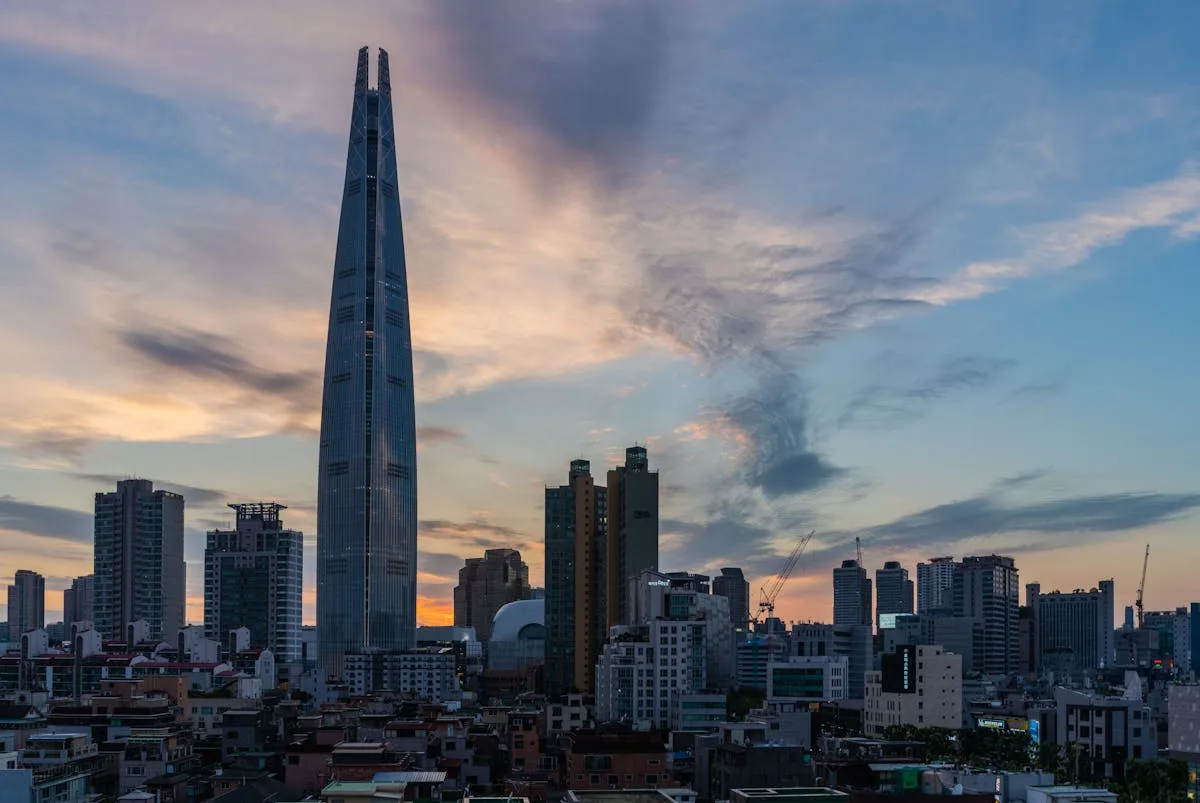
So, you’re thinking about moving to Seoul? Whether you're a digital nomad, a language student, or an expat chasing a career in the heart of Asia, one question likely dominates your thoughts: Can I actually afford to live there? South Korea’s capital is a sprawling, neon-lit megacity where ancient palaces sit in the shadow of glass skyscrapers, and where you can find both $2 street snacks and $200 fine-dining experiences.
Introduction: The Reality of Living in Seoul in 2026
Seoul has long been a favorite for expats, but in 2026, the economic landscape has shifted slightly. While it remains significantly more affordable than cities like New York, London, or even Tokyo, inflation and a booming real estate market have pushed prices upward. However, for those who know how to navigate the local systems, Seoul offers a high quality of life for a fraction of the cost found in other global hubs.
The allure of Seoul isn't just in its K-pop glitz or skincare aisles; it's in the seamless integration of technology and tradition. You can order a five-course meal to a park bench by the Han River using an app, yet still find yourself bowing to a vendor at a traditional market who has been selling the same mung bean pancakes for forty years. This guide isn't just a list of prices; it’s a strategic breakdown of how to budget for a life in Seoul. We will dive deep into the unique housing systems, the hidden costs of "maintenance fees," the most cost-effective ways to eat, and how to leverage Korea's world-class public infrastructure to keep your bank account healthy.
1. The Big One: Housing and Rent
Rent will undeniably be your largest monthly expense. In Seoul, the housing market operates differently than in most Western countries, and understanding these differences is crucial to your financial planning.
The Deposit Systems: Jeonse vs. Wolse
In Korea, you’ll encounter two main types of rental agreements, and your choice will depend entirely on how much liquid capital you have.
- Wolse (Monthly Rent): This is the most common for expats and young Koreans. You pay a monthly rent and a significant deposit (key money). The higher the deposit you can afford, the lower your monthly rent will be. In 2026, a standard deposit for a studio apartment ranges from ₩5,000,000 to ₩20,000,000.
- Jeonse (Key Money Deposit): This is a unique Korean system where you pay a massive deposit (often 60–80% of the property’s value) and pay zero monthly rent for the duration of your 2-year contract. You get the entire deposit back when you move out. While attractive, Jeonse usually requires hundreds of thousands of dollars upfront. By 2026, many landlords are moving away from Jeonse due to fluctuating interest rates, but it remains a pillar of the market.
Types of Accommodations
- Officetels (₩700,000 – ₩1,300,000): These are modern, multi-purpose buildings that combine residential and commercial spaces. They are typically studios, very safe, and located near subway stations. They are the "gold standard" for single expats but come with higher maintenance fees because of the high-end building amenities.
- Villas (₩500,000 – ₩900,000): These are usually 3–5 story walk-up buildings. They offer more square footage for your money but might be older and located further into residential alleys. They lack the security guards of Officetels but have a more "local" feel.
- Goshiwons / Goshitels (₩350,000 – ₩550,000): These are tiny, one-room living spaces originally designed for students studying for the bar exam. They are incredibly cheap, require no deposit, and often include free rice, kimchi, and ramen. However, your "kitchen" and "bathroom" are often shared or extremely cramped.
- Apartments (₩2,000,000+): When Koreans say "apartment," they mean large high-rise complexes (dan-ji). These are usually 2–3 bedroom units designed for families and are significantly more expensive. They offer the best facilities, including playgrounds, gyms, and underground parking.
How to Find an Apartment: The Budongsan Experience
Finding a home in Seoul is fast. Unlike in Europe or North America, where the search can take months, in Seoul, you can often view a place on Monday and move in on Friday.
- The Apps: Start with Zigbang (직방) or Dabang (다방). These are the two biggest real estate apps. They allow you to filter by deposit, rent, and neighborhood. Be warned: "bait" listings (fake photos or prices) are common.
- The Budongsan (Real Estate Agent): In Korea, you don't call the landlord; you walk into a neighborhood Budongsan. These small offices are on every corner. Tell them your budget (Deposit/Rent) and they will drive you around to 3-5 units immediately.
- Brokerage Fees: You must pay a fee to the agent, which is regulated by the government based on the total value of the contract. For a standard ₩10M/₩700K contract, expect to pay around ₩300,000 to ₩400,000.
2. Neighborhood Deep Dive: Where to Live in 2026
Where you plant your roots in Seoul will define your social life and your budget.
Mapo-gu (Hongdae, Yeonnam-dong, Sangsu)
This is the creative heart of Seoul. It’s full of independent bookstores, vinyl bars, and the city’s best cafes. It’s popular with digital nomads because of the density of co-working spaces and "workable" cafes. For a full neighborhood-by-neighborhood breakdown, read our guide to the best neighborhoods in Seoul for expats.
- Expat Vibe: High. Very international and youth-oriented.
- Budget: Moderate. Studios average ₩900,000.
Yongsan-gu (Itaewon, Haebangchon, Hannam-dong)
The traditional home for expats. Itaewon is the most diverse place in Korea, with food from every corner of the globe. Hannam-dong is more upscale and quiet, home to many diplomats and high-net-worth individuals.
- Expat Vibe: Maximum. You can live here for years without speaking much Korean.
- Budget: High. Prices are driven up by the demand for English-friendly services.
Gangnam-gu (Sinsa, Yeoksam, Samseong)
The business district. Everything is shiny, new, and efficient. It’s where most corporate expats end up. The nightlife here is focused on luxury clubs and high-end dining.
- Expat Vibe: Corporate. High concentration of English-speaking professionals.
- Budget: Extreme. Even a small studio will cost over ₩1,100,000.
Seongdong-gu (Seongsu-dong)
Often called the "Brooklyn of Seoul," this former industrial area is now the trendiest spot in the city. Old red-brick warehouses have been converted into galleries and designer boutiques.
- Expat Vibe: Trendy/Creative. Growing fast.
- Budget: High. Rent has skyrocketed in the last three years.
3. Utilities and the Hidden Costs of Living
When budgeting for your home, the rent is only the beginning.
Maintenance Fees (Gwanlibi)
Every building has a maintenance fee. In a Villa, it might be ₩20,000 for hallway cleaning. In a modern Officetel, it can be ₩150,000 or more. This fee usually covers:
- Building security and cleaning.
- Internet (often bundled).
- Water (sometimes).
- Gym access (if applicable).
Seasonal Utility Fluctuations
Korea’s climate is not for the faint of heart.
- Summer (July-August): Humidity hits 90%. You will run your AC 24/7. Electricity bills for a studio can reach ₩80,000 – ₩100,000.
- Winter (December-February): Temperatures drop to -15°C. Korea uses Ondol, a floor-heating system. It’s incredibly cozy, but if you keep it on high, your gas bill can easily hit ₩150,000.
- The Garbage System: This is a hidden cost and a learning curve. You cannot use regular trash bags. You must buy specific government-mandated bags (Seryegi-bongtu) from the convenience store. There are separate bags for general waste, food waste, and strict rules for recycling plastics, paper, and glass.
4. Fueling the Body: Food, Dining, and Groceries
Seoul is arguably one of the best food cities in the world. The cost of eating depends entirely on how "Western" your palate remains.
Dining Out: The Korean Advantage
Eating out is a social pillar in Korea. Most restaurants specialize in one thing (e.g., only pork belly, or only chicken soup).
- Quick Meals (₩7,000 – ₩10,000): Look for Kimbap Cheonguk or local noodle shops. You can get a filling bibimbap or kimchi stew for under ₩9,000.
- Korean BBQ (₩15,000 – ₩25,000 per person): A standard night out with friends including Samgyeopsal (pork belly) and a few beers.
- International Cuisine (₩20,000 – ₩40,000): If you crave authentic tacos, pizza, or burgers in Itaewon, you will pay a significant premium.
The Grocery Bill: Strategy is Key
If you shop like you’re in a Western suburban supermarket, you will spend a fortune.
- The Fruit Paradox: Fruit is a luxury gift in Korea. A pack of four peaches can be ₩20,000. A watermelon in summer? ₩30,000. To save, buy from truck vendors or traditional markets.
- The Delivery Culture: Baedal Minjok (Baemin) and Coupang Eats are the dominant apps. Delivery is fast and available 24/7. While the delivery fees are low (₩2,000–₩4,000), the temptation to order every night can destroy a budget.
- Convenience Stores (GS25, CU, 7-Eleven): These aren't just for snacks. They have high-quality "Dosirak" (lunch boxes) for ₩5,000 and frequent "1+1" or "2+1" deals on drinks and essentials.
5. Working from Seoul: The Digital Nomad Perspective
For many expats in 2026, Seoul is their office. The city is perfectly built for remote work, but it comes with its own costs.
Co-working Spaces
If you need a dedicated office, spaces like WeWork, FastFive, and Sparkplus are ubiquitous. A hot desk usually starts around ₩300,000 – ₩400,000 per month. These spaces offer great networking, free coffee, and even craft beer on tap in some locations.
Cafe Culture as an Office
Most nomads choose the "Cafe Nomad" lifestyle. Seoul has thousands of laptop-friendly cafes with fast Wi-Fi and power outlets at every seat. Our guide to the best cafes to work from in Seoul covers top picks by neighborhood with honest WiFi speed ratings. While there is no "desk fee," the unwritten rule is to buy a new drink every 3-4 hours. If you work 20 days a month from cafes, expect to spend ₩200,000 – ₩300,000 just on coffee and snacks.
6. Banking and Financial Management
Setting up your finances is a key part of your monthly overhead.
Opening an Account
Once you have your Alien Registration Card (ARC), opening a bank account is straightforward. Major banks like Hana, KB Kookmin, and Shinhan have English-speaking staff in expat-heavy areas.
- Digital Banking: Kakaobank is incredibly popular but can be tricky to set up for foreigners initially. Most expats stick to Hana Bank’s "Easy-One" service for international transfers.
- Remittances: To send money home, don't use traditional bank wires. Apps like SentBe or WireBarley offer much better exchange rates and fees as low as ₩5,000.
The Power of the Phone Number
In Korea, your phone number is your digital identity. It must be linked to your ARC name exactly. This allows you to use "Self-Authentication," which is required for every app—from food delivery to online shopping (Coupang). Without this, your life in Seoul will be significantly more expensive as you'll be locked out of discount apps.
7. Connectivity and Lifestyle
Internet and Mobile
Korea has the world’s fastest internet.
- Mobile: A standard unlimited 5G plan is about ₩60,000. However, "Alteul-pon" (budget SIMs) offer the same networks for ₩25,000.
- Home Internet: Most Officetels include internet in the maintenance fee. If not, a 1Gbps line is ₩30,000 per month.
The Han River Lifestyle
One of the best "free" things in Seoul is the Han River (Hangang). The parks lining the river are massive and offer bike paths, swimming pools in summer, and sledding in winter. Expats often spend their weekends here. While the park is free, the "Hangang Experience" often involves ordering fried chicken (₩20,000) and making "Hangang Ramen" at the convenience store (₩4,000), which can become a weekly ritual.
8. Social Life and Networking Costs
Building a community is essential for a long-stay in Seoul, and it comes with its own costs.
- Language Exchanges: Popular meetups in Hongdae or Gangnam usually have an entry fee of ₩10,000 – ₩15,000, which often includes two drinks.
- Hiking Groups: Korea is mountainous and hiking is a national pastime. Joining a group is usually free, but the "gear culture" is real. Expect to spend ₩200,000 on a decent pair of boots and a bright windbreaker to fit in with the locals!
- Meetup.com / Facebook Groups: From book clubs to tech networking, these are the best ways to meet people. Most events are free or just the cost of your own coffee.
9. Healthcare and Insurance
One of the greatest perks of living in Korea is the healthcare.
- National Health Insurance (NHI): Mandatory for all residents. It covers roughly 70-80% of medical costs. Our complete guide to NHI for foreigners explains premiums, clinic tiers, and how to use your insurance card from day one.
- Clinic Visits: If you have a cold, you go to a local "Internal Medicine" (Nae-wa) clinic. The visit costs ₩5,000, and the pharmacy bill is ₩3,000.
- Dental: Simple scaling (cleaning) is subsidized once a year and costs about ₩15,000.
10. Pro-Tips: Saving Money Like a Local
To survive and thrive in Seoul, you need to think like a local. Here are the top 5 tips for saving money:
- Embrace the "Sijang": Traditional markets aren't just for photo ops. If you buy your vegetables at Mangwon Market instead of a department store, you will save 50%.
- Use Reward Apps: Apps like Coupang Pay or Kakao Pay often have cashback or points systems that add up over time.
- Drink at Convenience Stores: Before heading to an expensive rooftop bar, grab a ₩2,500 beer and sit outside a GS25. It’s a staple of Korean nightlife (often called "G-S-Bar").
- Master the Transfer System: Always tap your T-Money card when getting off a bus. Even if you're done traveling, it resets the transfer window, which might save you money on your next ride within 30 minutes.
- Sign Long Contracts: Gyms and internet providers always offer massive discounts for 12-month or 24-month commitments. Avoid month-to-month plans whenever possible.
11. Comparison: Seoul vs. The World (Monthly Cost)
| Expense | Seoul (2026) | Tokyo | New York City | Bangkok |
|---|---|---|---|---|
| Studio Rent | $750 - $1,100 | $900 - $1,300 | $3,000+ | $500 - $800 |
| Monthly Transit | $45 (Pass) | $100+ | $132 | $40 |
| Meal (Inexpensive) | $7 | $8 | $20 | $3 |
| Coffee (Latte) | $4 | $4.50 | $6 | $3.50 |
| Internet | $25 | $35 | $70 | $20 |
12. Conclusion: The Value of the Seoul Life
Seoul is not a "cheap" city in the way that some Southeast Asian hubs are, but it offers a value proposition that is hard to beat. For under $2,500 a month, you can live in a clean, safe, ultra-modern apartment, eat world-class food, and enjoy a transport system that makes car ownership feel like a burden.
Beyond the numbers, there are the "intangible benefits." The feeling of safety walking home at 3:00 AM, the lightning-fast Wi-Fi everywhere, the kindness of strangers when you're lost, and the sheer energy of a city that truly never sleeps. These are things you can't put on a spreadsheet, but they are what make the cost of living in Seoul feel like a bargain.
The key to thriving in Seoul is embracing the local lifestyle. If you insist on buying imported cheese and living in a Western-style luxury flat, you will find the city expensive. But if you learn to shop at the sijangs, use the Climate Card, and master the art of the ₩8,000 kimchi stew, Seoul becomes one of the most rewarding cities in the world to call home.
Ready to start your Seoul journey? Pack your bags (and your T-Money card), the Land of the Morning Calm is calling!