K-Beauty for Sensitive Skin: Top Hypoallergenic Choices

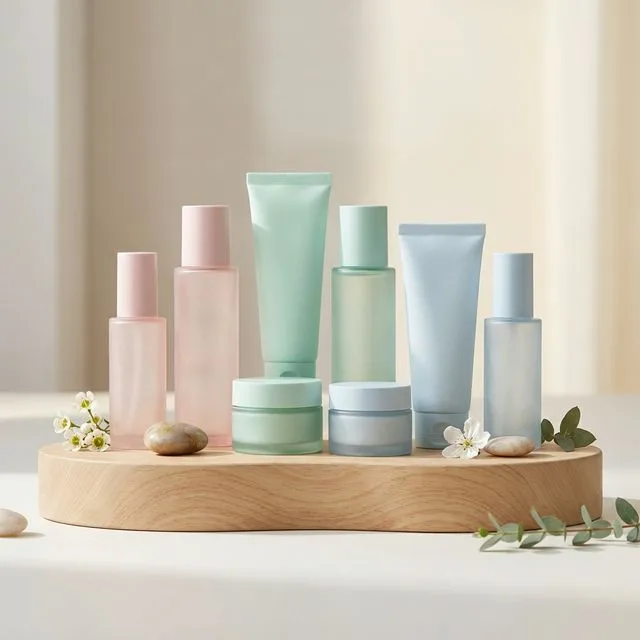
If you have sensitive skin, you've probably been burned (literally) by skincare products that promised miracles but delivered redness, irritation, and regret. The good news? Korean beauty brands have spent decades perfecting formulas specifically designed for reactive, sensitive, and compromised skin barriers.
Unlike many Western brands that treat "sensitive skin" as an afterthought, K-beauty has built entire product lines around the philosophy of "less is more." Brands like Pyunkang Yul, Etude House SoonJung, and Dr. Jart+ have become global sensations not because of flashy marketing, but because they actually work.
This guide will show you exactly which K-beauty products are safe for sensitive skin, what ingredients to look for (and avoid), and how to build a routine that soothes instead of aggravates.
1. Why K-Beauty is Perfect for Sensitive Skin
Korean skincare philosophy is rooted in barrier repair and gentle hydration. While Western skincare often focuses on aggressive actives (retinol, AHAs, BHAs), K-beauty prioritizes ingredients that strengthen the skin's natural defenses.
The cultural context matters here: in Korea, the concept of "피부 장벽" (skin barrier) is not a clinical niche term—it is common knowledge. Pharmacy staff, beauty consultants, and everyday consumers talk about barrier health the way people in other countries talk about gut health. This cultural investment in barrier-first skincare has produced an ecosystem of formulas that genuinely prioritize skin repair over instant results.
The "Cica Revolution"
The single most important ingredient in sensitive skin K-beauty is Centella Asiatica (also called "Cica" or "Tiger Grass"). This plant extract has been used in traditional Korean medicine for centuries to heal wounds and reduce inflammation. Today, it's the star ingredient in products like Dr. Jart+ Cicapair and SKIN1004 Centella Ampoule. Studies published in the Journal of Ethnopharmacology confirm that Centella Asiatica significantly reduces TEWL (transepidermal water loss)—the primary marker of a compromised skin barrier.
The pH Philosophy
A second reason K-beauty excels for sensitive skin is its obsession with correct pH. Healthy skin sits at a pH of 4.5–5.5. Many Western cleansers operate at pH 8–10, which destroys the acid mantle and triggers sensitivity. The overwhelming majority of K-beauty cleansers are formulated between pH 4.5 and 6.5—a seemingly small difference that produces dramatically less irritation over time.
2. The Sensitive Skin Ingredient Cheat Sheet
What to Look For
- Centella Asiatica (Cica): Anti-inflammatory, wound healing, redness reduction. Look for its active compounds: Asiaticoside, Madecassoside, and Asiatic Acid.
- Panthenol (Vitamin B5): Hydration, barrier repair, soothing. Converts to pantothenic acid inside the skin, where it actively assists in cellular repair.
- Ceramides: Lipid molecules that fill the "gaps" in the skin barrier like mortar between bricks. Look for a ceramide-cholesterol-fatty acid ratio of approximately 3:1:1 for maximum efficacy.
- Beta-Glucan: Derived from oats, deeply hydrating and calming. Studies show it is more effective than hyaluronic acid at penetrating deep skin layers.
- Houttuynia Cordata: Anti-inflammatory and antibacterial. A uniquely Korean ingredient ("어성초") used in traditional medicine for skin conditions.
- Niacinamide: Brightening and barrier-strengthening, but only at low concentrations (2-5%). Above 5%, niacinamide can cause flushing in reactive skin types.
- Allantoin: A mild anti-inflammatory that accelerates wound healing and is extracted from comfrey root. Safe for even the most reactive skin.
- Mugwort (Artemisia): A traditional Korean herb with cooling, anti-inflammatory properties. Growing in popularity as an alternative to Cica for those who don't respond to Centella.
What to Avoid
- Alcohol (Ethanol/SD Alcohol): Extremely drying and irritating. Destroys the lipid layer of the skin barrier on contact. Avoid anything where "alcohol" appears in the first 10 ingredients.
- Artificial Fragrances: A common trigger for sensitive skin and the #1 cause of allergic contact dermatitis in cosmetics.
- Essential Oils: Even "natural" oils like lavender, tea tree, and eucalyptus contain potent botanical chemicals that frequently trigger reactions in sensitive skin. The term "fragrance-free" is more reliable than "natural."
- Sulfates (SLS/SLES): Harsh surfactants in many foaming cleansers that strip the skin's natural oils.
- Witch Hazel: Despite its natural origin, witch hazel is a potent astringent that damages the skin barrier with regular use.
[!WARNING] Always check the ingredient list, even for products marketed as "sensitive skin-friendly." Some brands add fragrance to the end of the list to make it seem less prominent. If a product has "parfum," "fragrance," or a long list of botanical oils near the bottom, it can still trigger reactions.
3. Understanding Skin Sensitivity Types
Not all sensitive skin is the same. Understanding your specific sensitivity pattern helps you choose the right products.
Type 1: Reactive / Easily Irritated
Characteristics: Stinging, burning, or tightness after applying most products. Not necessarily red, but uncomfortable. Root Cause: Often a damaged acid mantle from over-cleansing or over-exfoliating. Priority: pH-balanced cleansing + ceramide repair + zero actives for 2–4 weeks.
Type 2: Rosacea-Prone
Characteristics: Persistent redness, visible blood vessels, flushing. Often worse with temperature changes, spicy food, or alcohol. Root Cause: Vascular inflammation + possible Demodex mite overpopulation. Priority: Anti-inflammatory ingredients (Cica, Azelaic Acid at low %) + mineral SPF + no physical exfoliation.
Type 3: Eczema / Atopic Dermatitis
Characteristics: Intense dryness, scaling patches, cyclical flare-ups triggered by allergens or weather. Root Cause: Genetic barrier dysfunction (Filaggrin mutation). Priority: Maximum barrier repair (ceramides, cholesterol, fatty acids) + thick moisturizing + trigger identification.
Type 4: Contact Allergy
Characteristics: Localized reactions (redness, bumps, itching) after using specific products, not generalized sensitivity. Root Cause: Immune response to a specific allergen (often fragrance or preservatives like methylisothiazolinone). Priority: Patch testing + elimination of common allergens.
4. The Holy Trinity: Brands Built for Sensitive Skin
Pyunkang Yul
This brand was created by a Korean medicine clinic and follows a strict philosophy: no unnecessary ingredients. Their products often have fewer than 10 ingredients.
- Hero Product: Pyunkang Yul Essence Toner – A watery toner with just astragalus root extract and a few humectants. It's perfect for rosacea-prone skin. The full ingredient list: Water, Milk Vetch Root Extract (60%), Butylene Glycol, Glycerin, Betaine. That's it.
- Hidden Gem: Pyunkang Yul Calming Moisture Barrier Cream – A heavier moisturizer with ceramide NP, cholesterol, and fatty acids. Excellent for eczema-prone skin during winter months.
- 2026 Price: Essence Toner 200mL ≈ 19,000–22,000 KRW at Olive Young.
Etude House SoonJung
The SoonJung line is pH-balanced (around 5.5-6.5) and dermatologist-tested. It's designed for skin that reacts to everything.
- Hero Product: SoonJung 2x Barrier Intensive Cream – Contains Panthenol and Madecassoside (a derivative of Centella). It's incredibly affordable and effective.
- Also Try: SoonJung pH 6.5 Whip Cleanser – Uses a patented amino acid surfactant system that cleanses without disrupting the acid mantle.
- 2026 Price: 2x Barrier Cream 60mL ≈ 14,000–17,000 KRW; Cleanser 150mL ≈ 12,000 KRW.
Dr. Jart+ Cicapair
This is the luxury option for sensitive skin. The Cicapair line is specifically formulated to reduce redness and strengthen the skin barrier.
- Hero Product: Dr. Jart+ Cicapair Serum – A fragrance-free serum that visibly reduces redness within weeks, thanks to a concentrated blend of Centella Asiatica leaf extract, Centella Asiatica leaf water, and Green Centella extract.
- The Tiger Grass Color Correcting Treatment: The brand's famous "color correcting" product. It applies green (to neutralize redness) but dries to a skin-toned finish. Beloved by people with rosacea who want light coverage without foundation.
- 2026 Price: Cicapair Serum 30mL ≈ 45,000–55,000 KRW.
5. Product Recommendations by Category
Cleansers
- Etude House SoonJung pH 6.5 Whip Cleanser: Ultra-mild foam cleanser that won't strip your skin. Amino-acid based, pH 6.5.
- Ma:nyo Pure Cleansing Oil: A gentle oil cleanser that removes makeup without irritation. The 7 oil blend emulsifies with water and rinses clean without residue.
- COSRX Low pH Good Morning Gel Cleanser: A cult favorite with a pH of 5.0-6.0. Uses tea tree leaf water and salicylic acid at levels low enough to be anti-inflammatory without being exfoliating.
- Illiyoon Ceramide Ato Wash & Shampoo: For extreme eczema-prone skin, this dual-use body/face wash uses a ceramide-enriched base that is close to being a "leave-on" treatment in terms of its barrier support.
Toners
- Pyunkang Yul Essence Toner: Minimal ingredients, maximum hydration.
- Klairs Supple Preparation Unscented Toner: The "unscented" version is crucial—avoid the original, which contains essential oils. This version is one of the best-selling fragrance-free toners in Korea.
- beplain Chamomile pH-Balanced Toner: Chamomile + Centella for double soothing. A newer brand with excellent formulation ethics—all products are fragrance-free, vegan, and EWG-verified.
- Tirtir Milk Skin Toner: Uses galactomyces ferment filtrate (a yeast extract) for brightening without irritation. Particularly effective for sensitive skin with hyperpigmentation concerns.
Serums & Essences
- COSRX Advanced Snail 96 Mucin Power Essence: Snail mucin is a powerhouse for healing and hydration. It's safe for sensitive skin and helps with acne scars. The formula is 96% snail secretion filtrate—one of the least-processed, most-transparent formulas in K-beauty.
- Dr. Jart+ Cicapair Serum: The gold standard for redness reduction.
- SKIN1004 Madagascar Centella Ampoule: 100% Centella extract. Nothing else. For those experiencing an acute flare, applying this undiluted to problem areas before moisturizer can noticeably calm redness within 24 hours.
- ANUA Heartleaf 77% Soothing Toner: More accurately classified as an essence, this Heartleaf (Houttuynia Cordata) formula is 77% herb extract. A 2025 Olive Young Award winner and currently one of Korea's fastest-growing sensitive skin products.
Moisturizers
- Etude House SoonJung 2x Barrier Intensive Cream: The best budget option for sensitive skin. The cream-to-skin ratio of soothing actives is remarkable at its price point.
- Dr. Jart+ Ceramidin Cream: Lightweight but deeply nourishing. Contains 5-CERA complex (5 types of ceramide) plus lipid extracts.
- COSRX The Ceramide Skin Barrier Moisturizer: An award-winning formula with ceramides, cholesterol, and fatty acids in a clinically-validated 3:1:1 ratio—the exact ratio found in healthy skin.
- Illiyoon Ceramide Ato Concentrate Cream: Korea's #1 choice for body eczema. The thick balm-like texture works equally well on dry facial patches during winter flare-ups.
Sunscreens
Sunscreen is non-negotiable for sensitive skin, but many formulas are irritating. Here are the best K-beauty options:
- Round Lab Birch Juice Moisturizing Sunscreen SPF50+ PA++++: Hydrating and gentle, perfect for dry sensitive skin.
- Beauty of Joseon Relief Sun: Rice + Probiotic SPF50+ PA++++: Feels like a lightweight moisturizer, no white cast.
- 9wishes Dermatica Cica Sunscreen SPF50+ PA++++: Specifically formulated for reactive and rosacea-prone skin. Uses Centella as its primary soothing agent alongside Tinosorb M.
- Derma Factory Be Zero Pure Sun Cream SPF42 PA+++: A mineral sunscreen with only 3 active ingredients. The best choice for those who react to all chemical filters.
[!TIP] For more sunscreen options, check out our Best Korean Sunscreens Guide.
6. Rosacea vs. Eczema: Tailored Routines
For Rosacea
Focus on redness reduction and anti-inflammatory ingredients. Avoid all physical exfoliants—never use scrubs or cleansing tools on rosacea-prone skin.
| Step | Product | Why |
|---|---|---|
| Cleanser | SoonJung pH 6.5 Whip Cleanser | Mild, pH-correct, removes impurities gently |
| Toner | Pyunkang Yul Essence Toner | Zero irritants, deep hydration |
| Serum | Dr. Jart+ Cicapair Serum | Concentrated redness reduction |
| Moisturizer | SoonJung 2x Barrier Intensive Cream | Panthenol and Madecassoside seal the barrier |
| SPF | 9wishes Dermatica Cica Sunscreen | UV protection without chemical filter irritation |
Additional tip for Rosacea: Look for Azelaic Acid at 5-10% as a treatment. In Korea, ANUA's Azelaic Acid 10% Serum is a gentle entry point. Azelaic acid targets the vascular inflammation specific to rosacea and has been shown in clinical trials to be as effective as metronidazole gel—a common prescription treatment.
For Eczema
Focus on barrier repair and deep hydration. Eczema-prone skin requires heavier, more occlusive formulas, especially after bathing.
| Step | Product | Why |
|---|---|---|
| Cleanser | Ma:nyo Pure Cleansing Oil | Oil-based, preserves natural skin lipids |
| Toner | Klairs Supple Preparation Unscented | Fragrance-free, multiple humectants |
| Serum | COSRX Snail Mucin 96 | Wound healing, barrier repair support |
| Moisturizer | Dr. Jart+ Ceramidin Cream | 5-CERA complex reinforces depleted lipid layer |
| SPF | Round Lab Birch Juice Sunscreen | Hydration-focused, no physical filter chalk-out |
The "Soak and Seal" Technique: For acute eczema flares, apply toner to damp skin immediately after cleansing, follow with a thick ceramide cream, and seal with a thin layer of Vaseline. This "sandwich" method traps moisture in the deepest skin layers.
7. How to Introduce New Products Safely: The "Slow Roll" Protocol
Even the gentlest products can cause reactions in highly sensitive skin. Use this protocol:
- Week 1: Add only one new product to your routine (cleanser or toner).
- Week 2: If no reaction, add a second product (essence or serum).
- Week 3: Add a third product (moisturizer).
- Sunscreen last: Introduce SPF only when your routine is established and stable.
This "Slow Roll" approach allows you to isolate which product causes a reaction, rather than guessing from a whole new routine change.
The 48-Hour Patch Test Rule
Before using a new product on your face:
- Apply a small amount to your inner forearm or behind your ear.
- Wait 48 hours.
- If there's no redness, itching, or swelling, the product is likely safe for your face.
- Still introduce it slowly—apply to one area of the face first (e.g., only the cheek) before applying everywhere.
8. Visiting a Korean Dermatology Clinic
One of the underrated benefits of visiting Korea for sensitive skin sufferers is access to affordable, high-quality dermatology clinics. Korean dermatologists are extremely experienced with atopic dermatitis and rosacea, and appointments are far more accessible than in most Western countries.
What to Expect:
- Walk-in or same-day appointments are common in smaller clinics.
- Consultation fee: 10,000–30,000 KRW (approximately $7–$22 USD).
- Dermatologists often prescribe Korean-formulated barrier creams not available outside Korea, like Ceradan or EpiCeramide.
- English-speaking dermatologists are commonly found in Gangnam, Apgujeong, and Hongdae clinic clusters.
Popular Clinic Districts: Apgujeong Dermatology Zone (near the Galleria), Cheongdam Medical Street, and Gangnam Station's "Medical Building" row.
9. Where to Buy and How to Save
Where to Buy
The best place to buy K-beauty in Korea is Olive Young. They have testers for most products, so you can try before you buy. The Seongsu flagship location has dedicated "sensitive skin" sections curated by the store's in-house beauty editors. For specialty brands like Pyunkang Yul and beplain, check the brand's own standalone stores in Hongdae or Sinchon.
2026 Budget Starter Kit (Under 80,000 KRW Total)
| Product | Price (KRW) |
|---|---|
| SoonJung pH 6.5 Whip Cleanser 150mL | 12,000 |
| Pyunkang Yul Essence Toner 200mL | 20,000 |
| COSRX Snail Mucin 96 Essence 100mL | 16,000 |
| SoonJung 2x Barrier Intensive Cream 60mL | 15,000 |
| Beauty of Joseon Relief Sun 50mL | 14,000 |
| Total | 77,000 KRW (~$56 USD) |
Conclusion
Having sensitive skin does not mean you have to abandon the pursuit of excellent skincare, especially when exploring Korean formulations. By focusing on barrier repair, minimal ingredient lists, and proven soothing agents like Centella Asiatica, you can build a highly effective regimen that calms rather than aggravates. To see exactly how to incorporate these gentle products effectively, our 10-Step K-Skincare routine guide breaks down the proper order of application for maximum benefit. For daily protection without irritation, layering one of the formulas from our best Korean sunscreens guide ensures your sensitive skin remains safe from UV damage. Furthermore, when you are ready to shop for these specific hypoallergenic brands in person, utilizing our Olive Young shopping hacks will help you find exactly what you need while maximizing your budget.