Lost a Bank Card in Japan? Secure It and Keep Paying for Your Trip

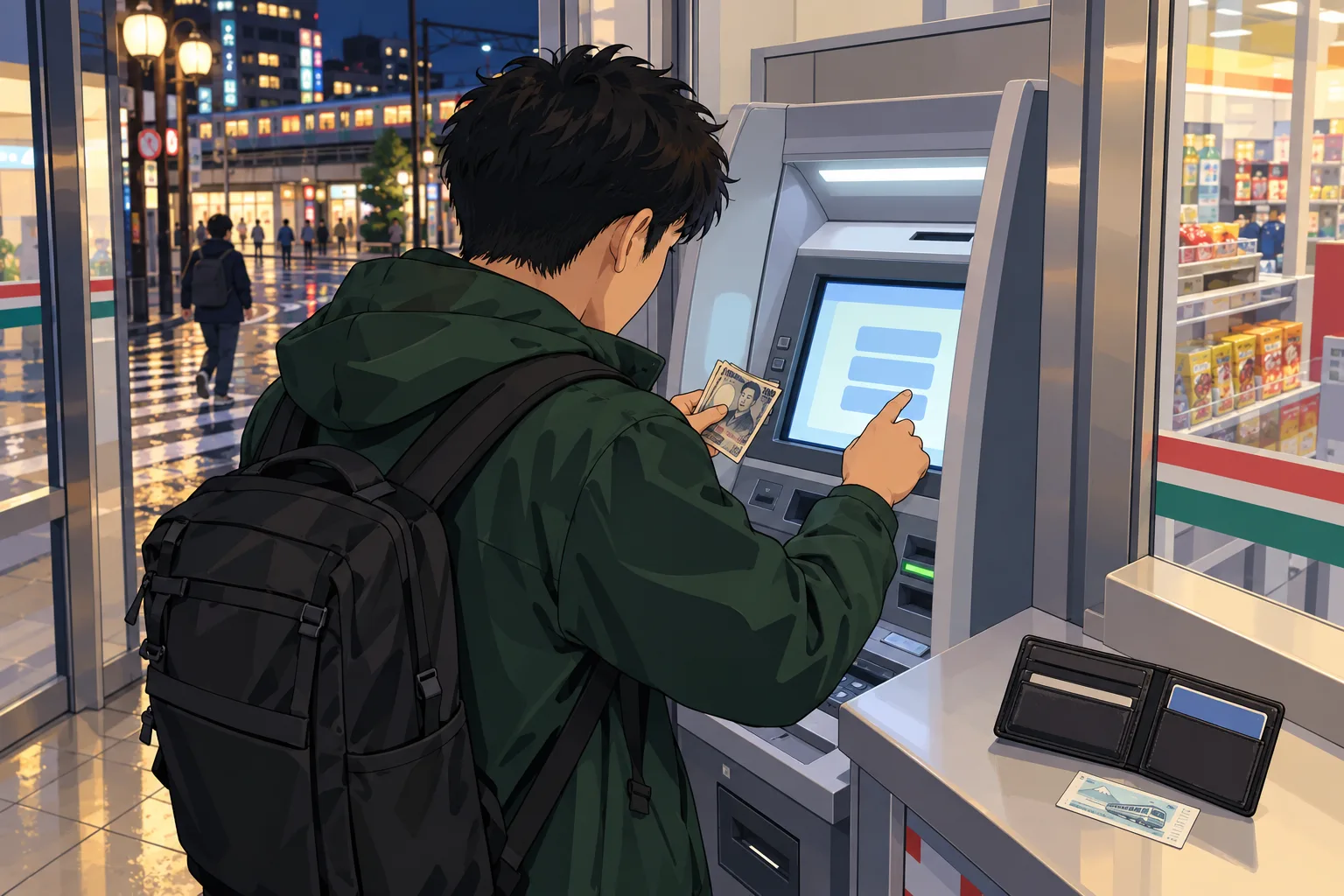
You reach for your Singapore bank card at a Japanese station and the slot in your wallet is empty. Before searching every platform, separate two decisions: securing the missing card and paying for the next few hours. A replacement card may take time; the immediate plan needs a payment method you can actually use today.
This guide is for a Singapore-based visitor already in Japan whose debit or credit card is lost or possibly stolen. It covers issuer contact, a realistic cash fallback, and near-term reservations. It does not promise that a particular card network, mobile wallet, insurance policy or merchant will work. If your phone or passport is also missing, those incidents need their own recovery steps.
Secure the lost card and review transactions
Report the missing card through its issuing bank's official app, website or lost-card number, then check recent transactions and save the case reference. Count the cash you hold and verify a physical card before changing plans. A network logo does not guarantee that an ATM or merchant will accept it.
Make the first ten minutes about control, not blame
Stop and check one sensible place: the last till, ticket counter or pocket where you used the card. If a companion can ask staff while you secure the account, divide those tasks. Do not delay a bank report for a long retracing trip, especially when you cannot tell whether the card was dropped or taken. You can ask a station or hotel about lost property after the card is safe. Write down the approximate last time and place you saw it, but do not spend an hour trying to reconstruct every purchase before calling the issuer.
Use the official channel for your actual issuer. For example, DBS's lost-card instructions tell its customers to block a missing ATM, debit or credit card promptly in digibank, online, or through its overseas assistance number. The DBS steps and number belong to DBS customers, not to every Singapore bank. If your issuer is OCBC, UOB or another provider, open that provider's own app or official support page. A phone number in a search advertisement, text message or social-media reply is a poor substitute for the number printed on a bank's verified site or another card you still possess.
If the app offers both a temporary freeze and a lost-card replacement route, read what each choice does. A freeze can be useful while you are certain a card is merely misplaced, but it may not be the bank's final lost-card reporting process. Tell the issuer the card is missing and ask what it recommends for your situation. Do not assume that deactivating the physical card leaves a linked phone wallet usable; token treatment differs by bank, card and wallet. Ask the issuer and test an allowed backup with a small payment only after you know its status. Likewise, do not keep using a suspect account simply because a payment went through once.
Open the bank's transaction view and compare the latest charges with your receipts and travel companions' purchases. Pending authorisations, a hotel deposit and a completed charge can appear differently; let the issuer investigate rather than declaring every unfamiliar amount fraud. If you see a charge you did not make, report it through the bank's fraud channel and keep its reference. Singapore's ScamShield bank hotline directory is a useful official starting point for suspected scams, but ordinary card loss should still go to the issuer's lost-card team. Ask the bank whether any other account credentials, cards or payment tokens need attention. Follow its advice on a police report if theft or a disputed transaction makes one relevant.
Record the time you made the report, the bank's case number, the final four card digits if the bank asks you to identify the card, and the name of the channel you used. Keep that note in a secure place, separate from your passport and other cards. Do not write down a full card number, PIN or online-banking password in a shared travel chat. If your phone works but the app login does not, use the issuer's published overseas calling option from a hotel or companion's phone. A hotel desk can help you place an international call without seeing your credentials. Bank staff should guide account verification; a stranger offering to “unblock” your account for a fee cannot.
Decide whether local reporting helps
If you know the card was taken, property went missing with it, or the issuer asks for an incident report, ask a nearby police box or your hotel how to report the loss. A police report can document an event, but it does not itself block the card or return money. Secure the account first. Keep a copy or reference if one is issued, and note the station location and date. If the card was simply left at a shop and the shop locates it, ask your issuer whether a reported card can still be used; do not assume a recovered card is reactivated.
Tell a companion what happened in simple operational terms: “The card is blocked; I have one backup card and this much cash; I am checking tonight's hotel payment.” That prevents a well-meaning person from repeatedly trying the missing card number on a booking website. If you are travelling alone, identify a quiet place with Wi-Fi or a working SIM and charge your phone before moving. Do not send screenshots showing account balances, security codes or login prompts to a hotel clerk. The clerk usually needs only to know whether you can pay your room bill and how to reach you.
Separate card loss from wider account compromise
A lost physical card does not automatically mean your bank login is compromised. Equally, a fraudulent charge may require more than replacing plastic. Ask the issuer what it can see and which steps apply. If your whole wallet, phone and identity documents are gone, the sequence becomes more complex: secure accounts, recover communication, identify yourself to the issuer and replace documents. Our Japan planning and logistics guide helps with the ordinary travel setup; the current decision is the interruption after a card vanishes.
Do not promise yourself a particular reimbursement outcome. The bank's terms, the transaction facts and the timing of the report matter. DBS describes specific conditions for lost-card liability on its official support page; those terms cannot be pasted onto another issuer or used as a guarantee for a particular dispute. Ask for the dispute process, required records and expected follow-up route. Keep the card case separate from questions about how to pay for lunch or transport today. The first may take an investigation; the second needs a working fallback now.
Confirm usable backup cards and cash access
Take inventory before walking to an ATM
Count the yen you have, identify each remaining physical card, and check whether it is linked to the same account or issuer that was just blocked. Note what must be paid before you next reach a bank, hotel or travel companion: transport, food, lodging and any fixed booking. A small daily cash target is more useful than withdrawing an arbitrary large sum. Keep enough margin for a missed connection or a merchant that accepts only cash, but do not expose all your trip money while counting it in a crowded station.
Inspect the backup card's network logo and ask its issuer whether overseas withdrawals and Japan transactions are enabled. Know the PIN if a cash withdrawal requires one. A credit card cash advance is different from withdrawing cash with a debit card and can carry interest and fees; confirm costs with the issuer before making that choice. Also ask about the issuer's daily limit and whether a fraud control may stop an unfamiliar Japan withdrawal. An ATM can reject a compatible network card because of issuer restrictions, a PIN issue or local service conditions. Repeatedly trying many machines is a poor substitute for checking the actual decline with the issuer.
The Japan National Tourism Organization's credit-card guidance says international credit, debit and prepaid cards are generally accepted, while acceptance still depends on the merchant and some short-distance transit fares are different. It specifically points travellers to Japan Post Bank and Seven Bank ATMs for overseas-card cash withdrawals, and says a person who loses a credit card should contact the issuer directly about replacement. That is a route to investigate, not a promise that your particular card will pass at the first machine. Our Japan cash-versus-card overview explains the normal pre-trip payment mix; here the priority is to test the surviving option safely.
Use a real ATM route with its limits in mind
Find a Japan Post Bank or Seven Bank ATM using an official bank locator, a station information desk or a known convenience-store location. Confirm the machine shows your remaining card network before inserting it. Japan Post Bank's international ATM page identifies supported overseas-card networks, warns that hours vary by machine and location, and notes possible ATM and issuing-bank fees. It lists a single-transaction withdrawal limit of 50,000 yen for its own international ATM service; that figure does not describe every Japan ATM or your issuer's daily ceiling. Read the machine's fee and currency-conversion screen before confirming, and ask your bank how it handles overseas withdrawal charges.
Seven Bank's overseas-card FAQ describes which foreign-issued networks its ATMs support. Network support and permission from your issuer are both necessary. If the machine declines your card, keep the receipt or error wording if one appears, retrieve your card, and contact the issuer; do not ask an onlooker to “help” by entering a PIN. If the ATM retains a card, use the bank's official support route and tell the issuer what happened. Keep the backup card separate from the wallet where the first card disappeared.
JNTO's currency and ATM guidance notes that machine hours and potential charges vary. Plan for a late arrival or rural stop accordingly. An ATM shown on a map may sit behind a closed post-office door or be unavailable during a holiday or service window. If cash is needed before a ferry, small bus or remote inn, withdraw it while a known accessible machine is available, not at the last possible minute. Save a modest reserve for the return trip to a larger town. Carrying all your cash in one pocket creates another single point of failure.
Test the payment path for tonight, not every future purchase
Use a short checklist at the location where you are standing. Can your remaining card pay the next train or ticket machine? Does the machine require a physical card or PIN? Can you pay the hotel balance on arrival, or is the missing card only a deposit guarantee? Is there enough cash for a simple meal and a local ride if the card is declined? Ask staff what their counter accepts rather than relying on a country-wide statement that “Japan is cashless” or “Japan is cash only.” A store that accepts international cards does not imply a nearby local bus will.
A mobile wallet can help only if the merchant accepts it and the underlying card or token is valid. Blocking the missing card may change that status. An IC transport card can pay for some transit and shops but cannot be assumed to cover every hotel, intercity ticket, restaurant or top-up method. Check its current coverage and how you can top it up before relying on it. Test a low-stakes payment and preserve the working option for essentials. Do not tell a stranger that the wallet is your only remaining means of payment.
If you have no usable card, ask your issuer about emergency cash or card assistance available under your specific product, or ask a trusted companion whether they can pay a bill while you reimburse them through a verified channel. Some travellers may have access to bank transfer or remittance routes, but availability, identity checks, timing and fees depend on the service. Do not assume money can be collected instantly at any Japanese counter. Ask a hotel or issuer for the specific lawful route, then confirm conditions before sending funds. Avoid social-media accounts offering “instant cash” or a card for an advance fee.
A small cash plan beats a guess
Write the next 24 hours as amounts you can verify: tonight's unpaid room balance, local transport to the accommodation, one meal, and the fare to a place with an ATM or bank support. Add a sensible buffer for changed plans. If you already have a paid hotel and a train ticket in hand, the near-term cash requirement may be much smaller than the cost of the whole holiday. Conversely, a cash-only rural lodging payment may demand an earlier conversation and a different route. Ask the provider about accepted payment methods before counting on a number from an old travel article.
Keep an ATM receipt or bank-app notification for a legitimate withdrawal, but do not leave it in the cash tray or photograph it with other sensitive account details visible. If the charge is higher than expected, check whether it is an ATM fee, issuer fee or currency-conversion choice before disputing it. The receipt will help the issuer identify the transaction. If a first ATM is unavailable, try another official operator, not a machine that looks improvised or asks for information unrelated to a withdrawal. The goal is reliable access to a modest amount of yen, not a tour of every ATM in the city.
Rework near-term bookings while card replacement is pending
Check exactly what the missing card was securing
Open the next two nights of reservations and distinguish prepaid, pay on arrival, and card held as guarantee. Read the booking confirmation instead of assuming the payment happened when you clicked “reserve.” A hotel may have already collected the room charge but still require a card or cash for incidentals; another property may not charge until check-in. Call the property through the contact details on your confirmation or its official website and explain that the card on file is lost and blocked. Ask what substitute payment or deposit it accepts and when it must be supplied. Do not give full card details over an unverified messaging account.
If a reservation must be updated, do it through the legitimate booking service or property channel. Ask the issuer whether a previously authorised charge can still settle and whether future merchant charges on the blocked card will fail. Only the issuer and merchant can answer that particular transaction. Do not cancel a prepaid stay in panic and incur a penalty before asking whether a different card can be presented at check-in. Equally, do not arrive at a remote lodging after reception closes expecting a digital wallet that the property never accepted. Resolve the uncertainty while you still have signal and staff to speak with.
For transport, identify which legs are already issued and which are merely in a cart or tied to the missing card for ticket collection. A booked train may require the original payment card or a specific collection method; check the actual operator's confirmation. Contact its official counter or support rather than applying a rule from a different rail company. If you need to buy a replacement leg, ask the station whether the surviving card, cash, or another supported method works. JNTO's card guidance notes that some JR rail fares accept cards but local rail and subway acceptance can differ. That supports checking each purchase, not a blanket guarantee.
Ask the issuer about replacement without building the trip around it
When the immediate payment plan is stable, ask the issuer whether it can send a replacement while you are abroad, how it verifies your identity, whether the old card remains blocked, what fees apply and how long delivery may take. JNTO directs travellers who lose a credit card to contact their issuer about replacements. A delivery promise from one Singapore bank should not be treated as a timeline for another. Ask whether a replacement can reach a hotel that will still be your address when it arrives. If your itinerary moves daily, a mailed card may not be the best near-term solution.
If an issuer offers emergency assistance, obtain the terms from that issuer and decide whether it solves today's cash problem or merely your longer-term access. Keep the issuer's case reference, any delivery tracking and the hotel's agreed receiving instructions. Do not put a card number in a package note for reception. If you must change hotels, tell the issuer before dispatch, rather than hoping the front desk will forward a sensitive envelope. If the card arrives, activate it only through the bank's official process and test it privately. Do not assume the replacement shares the old card number or is instantly usable for existing subscriptions and reservations.
Make one decision for the next day
Suppose you lose a debit card in Osaka after buying a train ticket to Kyoto. You still have a separate physical credit card, ¥8,000 in cash, a prepaid Osaka hotel and an unpaid Kyoto hotel tomorrow. You report the missing debit card through your issuer, check for unknown charges, and ask whether the backup card's overseas ATM function is enabled. You do not withdraw the entire trip budget immediately. You confirm the train ticket is already issued, ask the Kyoto hotel what it accepts at arrival, then visit an official ATM while it is accessible and withdraw only the yen needed for a reasonable buffer. The plan preserves options without pretending the lost card will return.
Change one fact: the lost card was your only physical card. The first call still goes to the issuer. You then check the cash actually in hand, tonight's payment status and any existing paid tickets. Ask the bank about the emergency options attached to your product and speak to the hotel before its payment deadline. A companion may be able to pay a specific bill, but agree on reimbursement through a verified channel. A phone wallet is a possible route only after issuer and merchant compatibility are confirmed. If there is no workable payment path, change the booking or travel leg before you are stranded at a counter.
At the end of the day, keep a short private record: card reported at [time], reference [number], remaining payment methods [list], available yen [amount], next unpaid booking [name and deadline], issuer follow-up [date or channel]. Recheck the account for new transactions as the bank instructs. Once home, reconcile the final charges and update any service that relied on the old card number. The successful outcome is not the fastest replacement plastic; it is a secure account and a Japan itinerary whose next essential payments are genuinely covered.