China Shanghai Short Trip Tour vs DIY Guide for Singapore Travelers

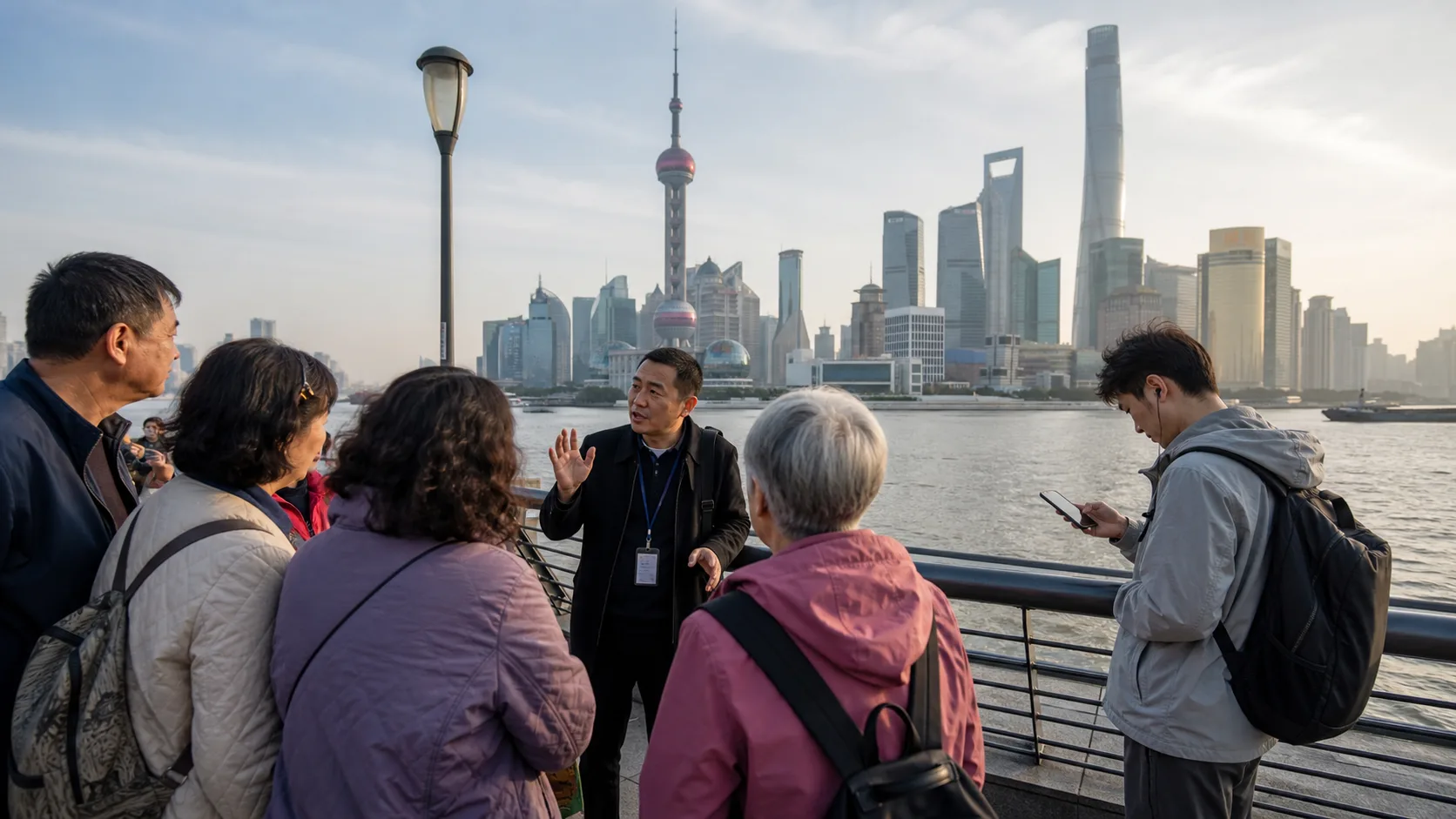
If you are a Singapore-based traveler planning a short Shanghai trip, the real question is not whether Shanghai is easy to visit. It is easy. The question is whether you want the trip to feel frictionless or flexible. A packaged short tour is usually better if you only have two to four days, want a simple airport-to-hotel flow, and prefer someone else to handle tickets, transfers, and language friction. DIY is better if you want control over your itinerary, want to choose your own neighborhoods and food stops, and are comfortable using maps, mobile payments, and a bit of translation help.
1. Fast Answer
For most Singapore travelers, Shanghai is one of the easiest China city breaks to DIY, but it is not always the best use of a very short trip. If you are taking a long weekend, traveling with parents, or trying to maximize your first China visit with minimal stress, a short guided tour can save time on airport transfers, sightseeing logistics, and language issues. If you already travel independently in Japan or Korea, know how to use ride-hailing and metro apps, and want to eat and wander on your own schedule, DIY usually gives better value and a more personal trip.
The key decision is time versus control. A tour reduces planning and prevents small mistakes from becoming trip-killers. DIY gives you freedom to stay longer in places you enjoy and skip anything that looks overhyped. For a two-night trip, I would lean tour for first-timers and DIY for repeat travelers. For a four-night trip, DIY becomes much more attractive because Shanghai has enough neighborhoods, museums, day-trip options, and food streets to fill the time well.
The good news for Singapore passport holders is that China is no longer a visa obstacle for a short Shanghai trip. That removes one of the strongest reasons to choose a tour. Once entry is straightforward, the choice becomes entirely about comfort, pace, and how much of the trip you want to optimize yourself.
2. Context You Need
Shanghai is China’s largest commercial city and one of the country’s easiest places for a short first trip. It is modern, dense, and heavily connected by metro, ride-hailing, and airport rail links. For many Singapore travelers, it feels less intimidating than a larger multi-city China itinerary because the city is relatively organized, airport access is straightforward, and the main sightseeing zones are clustered enough to be manageable over a short stay.
There is also a planning reason Shanghai works well for both tour and DIY travel. A short tour can bundle airport pickup, hotel check-in, core sightseeing, and some meals into one predictable package. That is useful if your schedule is tight or if you are traveling with family members who dislike transit changes and app setup. DIY, on the other hand, is practical because Shanghai has strong public transport, a wide range of hotel categories, and enough English-friendly tourist infrastructure for a careful independent traveler to get around.
For Singaporeans specifically, the entry barrier is low. China and Singapore have a 30-day mutual visa waiver arrangement for short visits, so a Shanghai weekend or long weekend no longer needs a visa-led planning process. That matters because it changes the economics: you can compare a tour and a DIY trip on actual experience rather than on paperwork convenience. If the trip is short, the biggest hidden cost is not the ticket price. It is the time cost of planning, app setup, and avoiding rookie mistakes on arrival.
Shanghai also sits in an interesting middle ground culturally. It is more polished and international than many people expect, but it is still very much a Chinese city in how it works day to day. That means DIY travelers can do well if they prepare a little, but they should not assume everything behaves like Singapore, Japan, or Korea. Tour travelers benefit from skipping that adjustment period altogether.
If you like the idea of seeing a city efficiently, Shanghai rewards structure. If you like the feeling of stumbling into neighborhoods and deciding as you go, it rewards freedom. The right answer depends less on the destination and more on how much planning energy you want to spend before and during the trip.
3. Step-by-Step Guide
Start with your trip shape
Before comparing packages, decide what kind of short trip you actually have.
- Two nights: best for a tightly planned city break.
- Three nights: enough for a balanced first visit.
- Four nights or more: enough room for independent exploration and a slower pace.
If you only have two nights, the tour versus DIY question is mostly about how much time you want to spend on logistics. A good tour can compress the basics into a clean itinerary. DIY can still work, but the margin for errors is smaller. A missed metro exit, a confused check-in, or a late dinner plan matters more when the whole trip is short.
Choose the version of Shanghai you want
Shanghai has multiple “modes” that are worth considering:
| Trip style | Best for | Why it works |
|---|---|---|
| Guided short tour | First-timers, parents, short weekends | Transfers, tickets, and route planning are bundled |
| DIY city break | Repeat travelers, food-focused travelers, flexible planners | More control over pace and neighborhood choices |
| Hybrid trip | Travelers who want some structure but not full dependency | Use a tour for arrival day or a day trip, DIY the rest |
The hybrid option is often the best compromise. You can book a private airport transfer or half-day orientation on day one, then DIY the rest of the trip. That reduces stress without turning the whole visit into a locked schedule.
Build a simple arrival plan
Your first two hours in Shanghai shape the whole trip. Decide in advance:
- How you will get from the airport to your hotel.
- Whether you want to use the Maglev, metro, taxi, or ride-hailing.
- Whether your hotel is near a metro station.
- Whether you need an eSIM, roaming plan, or offline maps before landing.
If you take a tour, check what is already included. A lot of short tours look convenient but still leave you to manage the airport leg, or they use fixed transfer windows that do not match your flight perfectly. A good package should clearly spell out whether airport pickup is private, shared, or self-arranged.
DIY travelers should not overcomplicate the first transfer. Shanghai is not the place to prove you can do everything the hard way. If you land tired, take the easiest acceptable transfer to the hotel, then start exploring later.
Plan the sightseeing in layers
For a short Shanghai trip, think in layers rather than in a giant bucket list.
Layer 1: essential city identity
- The Bund
- Pudong skyline view
- One museum or historic district
- One food or shopping neighborhood
Layer 2: personal interest
- Art, architecture, tea, cafés, river cruises, or shopping
- A market street or old town area
- A nicer dinner reservation
Layer 3: optional add-ons
- Day trip
- River cruise
- Theme park
- More niche museums or lane-house neighborhoods
A tour usually handles layer 1 well and may include a simplified version of layer 2. DIY is better once you want more from layer 2 and 3. If your goal is to say you visited Shanghai, a tour can do that efficiently. If your goal is to feel Shanghai, DIY is usually the better instrument.
Use this decision checklist
Ask yourself these questions before booking:
- Do I want someone else to handle transfers and timing?
- Am I comfortable booking hotels, transport, and tickets separately?
- Am I traveling with older family members or children?
- Do I want to move slowly and linger in cafés or neighborhoods?
- Is this my first trip to mainland China?
- Do I have enough time to recover from a little friction if something goes wrong?
If you answer “yes” to the first, third, and sixth questions, a tour is probably the cleaner choice. If you answer “yes” to the second and fourth questions, DIY will likely feel more satisfying.
Recommended short-trip flow
For a first-time Singapore traveler with three nights in Shanghai, I would use this order:
- Day 1: arrive, check in, easy dinner, early night.
- Day 2: core sightseeing, riverfronts, and one museum or old district.
- Day 3: flexible neighborhood day, shopping, tea, or a day trip.
- Day 4: airport transfer with buffer time.
A tour can compress this into a cleaner package, but the above structure works for DIY and leaves enough buffer for traffic, weather, and personal pace.
4. Costs, Hours, and Logistics
Shanghai is not expensive in the same way a packaged Southeast Asian beach holiday can be cheap, but it is manageable for short stays if you choose your transport and hotel carefully. The biggest cost drivers are usually hotel location, airport transfer, and whether you buy a tour package with included admissions.
For airport access, Shanghai gives you a few practical options. The Maglev is fast and memorable, but it is not the cheapest way into town. It usually makes sense if you are landing at Pudong and want the novelty, or if your hotel is convenient from Longyang Road. The metro is cheaper and often the best value if you are traveling light and do not mind a transfer or two. A taxi or ride-hailing car is the least mentally demanding after a long flight, especially if you are arriving late, but it can cost more and is more sensitive to traffic.
For attractions, many Shanghai core sights are effectively all-day or half-day experiences rather than strict ticketed time slots. That means the real planning issue is not opening hours alone. It is crowd timing. Early morning and late afternoon are often better for popular spots if you want cleaner photos and a slightly calmer pace. If you are traveling on weekends, public holidays, or school breaks, build in more slack.
Payment is easier than it used to be, but I would still not travel on the assumption that every tiny place will handle every card perfectly. Keep at least one easy payment method ready before arrival. A mobile wallet that works with your setup, a backup card, and a little cash or stored value for transit are sensible. DIY travelers should also set up translation and map tools before they land, not after.
As a rule of thumb, use this rough budgeting model for a short Shanghai trip:
- Budget DIY: lower hotel spend, metro-heavy movement, simple meals.
- Comfortable DIY: central hotel, a mix of metro and ride-hailing, one or two nicer meals.
- Short tour: higher headline price, but transfers and planning time are bundled.
When tours are worth the premium:
- You are arriving late and do not want to manage transport.
- You are traveling with family and want one contact person to deal with.
- You want a clear itinerary and hate “what should we do now?” decisions.
- You want tickets and timing handled in advance.
When DIY is worth the savings:
- You enjoy city walking and neighborhood hopping.
- You want to choose your own food and café stops.
- You care about hotel location more than package convenience.
- You are happy to build a flexible day around weather and energy.
5. Variations and Edge Cases
If you are traveling with parents
Tours usually win for multigenerational travel. The main reason is not just language. It is decision fatigue. Parents often prefer a clean sequence: pickup, sightseeing, lunch, hotel, dinner. DIY can still work if everyone is comfortable with walking and transit, but you will spend more time making small decisions.
If you are traveling with children
DIY can be excellent if your hotel is central and your days are short. Children benefit from a slower, more customized pace. But if your family is arriving tired or needs a lot of coordination, a short tour can reduce friction. The best option is often a hybrid: arranged arrival transfer plus self-directed sightseeing.
If you are a solo traveler
DIY is usually the better fit. Shanghai is a strong solo city because you can structure the day around your own energy. You can spend more time in a district you like and leave when you are done. A tour may still be useful for airport pickup or a first-day orientation, but you probably do not need a full package unless you specifically want social structure.
If you are traveling during hot or cold weather
Weather matters more on a short trip than many travelers expect. Summer heat and humidity can make long walking routes tiring, while winter can make open waterfront time much less pleasant than it looks in photos. Tours reduce the need to think about transit in bad weather, but they also reduce your ability to change plans on the fly. DIY gives you weather flexibility, which is a real advantage when the forecast is poor.
If you are budget-sensitive
DIY usually wins if you are disciplined. You can choose a more economical hotel, use transit, and decide where to splurge. But low-budget DIY can become inefficient if you choose a hotel far from the center and then pay for repeated ride-hailing. In other words, a cheap hotel can become expensive if it creates bad movement. Tours can sometimes be better value than they look if they bundle the exact things you would otherwise buy separately.
If you are trying to fit Shanghai into a wider China trip
Choose the option that reduces decision overhead. If Shanghai is just one stop in a bigger route, a tour can make the Shanghai segment easy and let you concentrate your energy on other cities. If Shanghai is the main trip, DIY usually rewards you more because you are not rushing to the next destination.
6. Mistakes to Avoid
The most common mistake is treating Shanghai like a city where you can decide everything after landing. That works in some destinations, but on a short Shanghai trip it wastes time. At minimum, know your airport transfer, hotel area, and first dinner plan before departure.
Another mistake is booking a tour purely because you think Shanghai is too difficult to DIY. For most Singapore travelers, that is no longer true. The city is manageable if you prepare. If you do not need a guide, a tour can be a convenience purchase rather than a necessity.
The third mistake is overpacking the itinerary. Shanghai looks like a city that can absorb a lot, but a short trip feels better when you leave space between major activities. One major sight, one meal anchor, and one flexible block are usually enough for a single day.
Finally, do not assume that all small payment or app issues will sort themselves out on arrival. Set up your transport, mobile data, and backup plan before you fly. That is the difference between a smooth independent trip and a series of avoidable annoyances.
7. FAQ
Do Singapore passport holders need a visa for Shanghai?
For a short visit, no. Singapore and China have a 30-day mutual visa waiver arrangement for ordinary passport holders, so a typical Shanghai short trip does not require a visa application. Always confirm the rule before you fly if your travel purpose or length of stay is unusual.
Is Shanghai easy to do on your own?
Yes, especially if you have traveled independently in other major Asian cities. The metro, taxi, and ride-hailing setup makes Shanghai practical for DIY travel. The main challenge is not navigation. It is reducing small setup friction before arrival.
Is a guided tour better for first-time visitors?
Sometimes. If your trip is very short, if you are traveling with older relatives, or if you want a zero-stress arrival, a guided tour can be the safer choice. If you want flexibility and can handle basic logistics, DIY is often better value.
How many days do I need in Shanghai?
Two nights is enough for a very focused first impression. Three nights is the sweet spot for most short trips. Four nights lets you add a day trip, more neighborhood time, or slower meals without feeling rushed.
Is the Maglev worth it?
It depends on your priorities. It is fast and memorable, but not always the best value if your hotel is not conveniently connected. If you care most about time and novelty, it is fun. If you care most about simplicity after a flight, a taxi or ride-hailing may be better.
What is the best option for a couple?
Couples who like freedom usually prefer DIY. Couples who want the trip to feel easy and predictable may prefer a small-group or private tour. The deciding factor is not romance. It is how much planning each person wants to do.
Can I mix a tour and DIY on the same trip?
Yes, and that is often the smartest choice. Use a tour for arrival day, airport transfers, or a day trip if you want certainty. DIY the city days when you want food freedom, neighborhood wandering, and more control over pace.
8. Next Steps
If you want the lowest-friction Shanghai short trip, book the trip around your arrival and hotel location first, then choose either a tour or DIY plan based on the remaining energy you want to spend. For first-timers, the safest middle ground is a hybrid: arranged transfer, central hotel, and self-directed city time after the first day. For experienced travelers, DIY will usually deliver better value and a better sense of the city.
Before you book, decide three things: how many nights you have, how much walking you are comfortable with, and whether you want a fixed schedule or flexible meals and sights. Those three answers usually tell you whether a Shanghai short tour or a DIY trip is the better fit.
Related: china-shanghai-short-trip-first-time-travel-guide-for-short-holidays
Related: china-shanghai-short-trip-budget-travel-guide-for-singapore-travelers
Related: china-shanghai-short-trip-itinerary-for-singapore-travelers