China Shanghai Short Trip Budget Travel Guide for Singapore Travelers

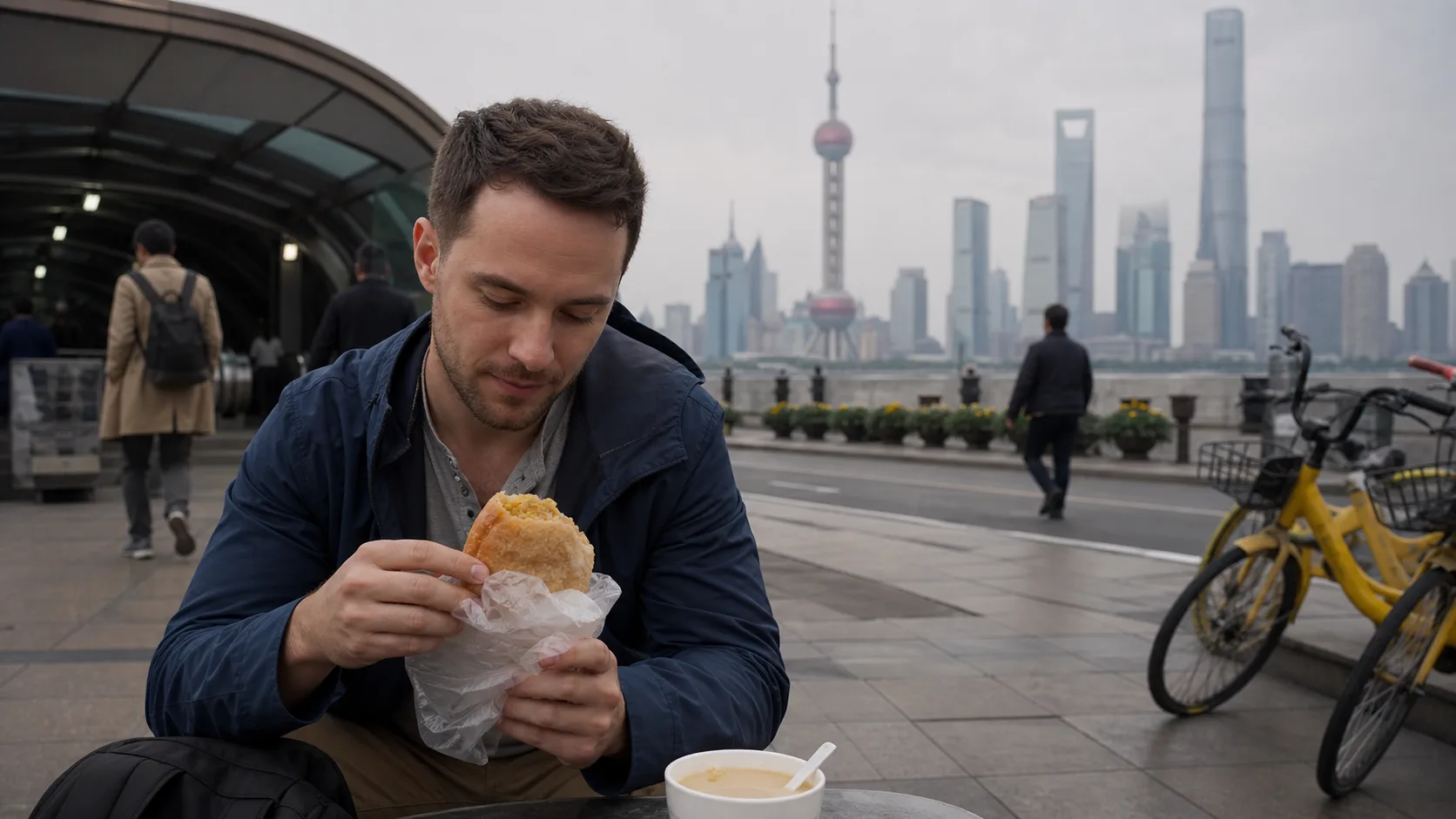
Shanghai is one of the easiest China trips to make feel efficient instead of exhausting. For a Singapore traveler, that matters. You can build a short break around fast city transit, compact sightseeing zones, strong food options, and a budget that stays reasonable if you avoid unnecessary taxi rides and high-end hotel habits. The city is not the cheapest destination in Asia, but it rewards travelers who plan cleanly: stay near a metro line, pay digitally, batch your sightseeing, and choose local meals over scenic-markup restaurants.
1. Fast Answer
If you are planning a short Shanghai trip from Singapore, the budget sweet spot is simple: keep your hotel near a central metro station, rely on the subway instead of taxis, and eat at neighborhood restaurants or food courts instead of Bund-front dining rooms. That usually gives you a trip that feels comfortable without turning into a premium-city splurge.
For most first-time visitors, Shanghai works best as a 3D2N or 4D3N trip. Three days is enough for the Bund, a classic old-town or temple area, one museum or park, and a food-focused evening. Four days lets you slow down enough to see a more modern side of the city without rushing every transfer. If your priority is value, not luxury, the biggest savings come from transport choice, hotel location, and how often you sit down for a view instead of just a meal.
The key question is not whether Shanghai is affordable in absolute terms. It is whether your plan is structured enough to prevent the usual budget leaks: airport taxis, distant hotels, last-minute attraction tickets, and overusing ride-hailing when the metro would be faster and cheaper. A short Shanghai break can be surprisingly manageable if you treat the city like a logistics exercise first and a sightseeing trip second.
2. Context You Need
Shanghai is China’s most internationally familiar big city, but it is still a very different travel environment from Singapore, Tokyo, or Seoul. The city is huge, dense, and highly urbanized. It mixes old lanes, colonial-era waterfronts, giant shopping districts, and newer business zones that feel almost futuristic. For a Singapore traveler, the main challenge is not language alone. It is scale. Shanghai is easy to enjoy, but only if you decide early which neighborhood experience you want from each day.
That is why Shanghai is such a strong short-trip destination. You do not need to “cover” the entire city. You need a narrow plan. A first-timer usually wants three things: a skyline walk, a local food experience, and one or two neighborhoods that feel distinct from the rest of the city. Shanghai can deliver all three without forcing you to chase them across town.
Budget-wise, Shanghai sits in the middle of the China travel spectrum. It is typically more expensive than smaller inland cities, but still often easier on the wallet than many travelers expect if they skip the most obvious tourist traps. Metro rides are cheap, many everyday meals are reasonable, and a decent business hotel can often be good value outside the most famous luxury pockets. The catch is that “Shanghai cheap” does not mean “spontaneous and careless.” Prices rise quickly when you prioritize convenience, views, and centrality all at once.
For Singapore-based travelers, this creates a useful mental model. Think of Shanghai as a city where you can buy comfort in small increments. A better hotel location saves time. A better route plan saves transport money. A better dinner choice saves a lot more than people expect. If you line up those decisions correctly, the trip feels smooth rather than expensive.
What Shanghai is good for
- Short breaks where you want a big-city experience without an overcomplicated itinerary
- Food trips centered on local staples, modern café districts, and classic snacks
- First-time China travel, because the city has strong English signage in many visitor-facing places
- Travelers who want to combine iconic skyline views with old-neighborhood atmosphere
What Shanghai is not good for
- A “show up and improvise everything” budget trip
- Travelers who want to stay far from the center and still move around casually
- Anyone who hates apps, digital payments, and preplanning
- People who need a low-cost beach or resort-style getaway
If you understand that tradeoff, Shanghai becomes much easier to enjoy. It is not a destination where you save money by being vague. It is a destination where you save money by being organized.
3. Step-by-Step Guide
The cleanest way to plan a Shanghai budget trip is to break it into five decisions: when to go, where to sleep, how to get around, what to book in advance, and how to structure each day.
Step 1: Pick the right trip length
For most Singapore travelers, the best value options are:
| Trip length | Best for | Budget pressure | Pace |
|---|---|---|---|
| 2D1N | Very tight schedule, one-night escape | High | Fast |
| 3D2N | First-timers, weekend break | Moderate | Balanced |
| 4D3N | Better value per flight, less rushing | Lower | Comfortable |
Two days is possible, but it is easy to waste the trip in arrival logistics. Three days is the practical minimum for a relaxed first visit. Four days works best if you want one slower afternoon for shopping, tea, a museum, or a riverfront walk.
Step 2: Choose a base area that protects your budget
For short trips, location is the most important money decision after flight timing. The goal is not to stay in the cheapest room. The goal is to stay somewhere that keeps transport low and makes every morning simpler.
Good budget-conscious areas usually share three traits:
- Easy access to a metro line
- Reasonable food options nearby
- A sensible ride to the Bund, Nanjing Road, or a central transfer point
If you stay too far out, you may save on the room but lose the savings in rides, late returns, and tired decision-making. That is especially true on a short trip. One “quick taxi back to the hotel” per day can erase the difference between a central and an outer-ring booking.
Step 3: Build your first day around arrival, not ambition
Your arrival day should be light. A common mistake is trying to force a full sightseeing day after a flight. That usually backfires. Instead, aim for this rhythm:
- Clear airport or train arrival.
- Check in or drop bags.
- Eat a simple meal.
- Walk one nearby neighborhood.
- Sleep early enough to recover.
That first evening is where Shanghai starts to feel manageable. If you still have energy, choose one iconic area, not three. The Bund at night is enough for many first-timers. You do not need to combine it with a long dinner reservation, a skyline tower, and another neighborhood afterward unless you are doing a much longer stay.
Step 4: Group your sightseeing by district
Shanghai is much easier when you stop thinking in “attractions” and start thinking in clusters. A district-based plan saves money because it cuts cross-city movement.
Here is a simple approach:
- Day 1: Arrival area and nearby food street
- Day 2: Bund, riverfront, old-city or heritage neighborhood
- Day 3: Modern Shanghai, park, museum, or shopping district
- Day 4: Flexible repeat of the place you liked most, plus departure buffer
That rhythm avoids the trap of zigzagging from one end of the city to the other. It also leaves room for weather changes. Shanghai can be humid, rainy, or hazy, so having a district-based fallback makes the trip feel calmer.
Step 5: Pre-decide your payment and connectivity setup
This matters more in Shanghai than many Singapore travelers expect. The city is very app-driven, and it is much easier if you arrive with a working payment method and data access plan.
Before you fly, make sure you have:
- A working mobile data plan or eSIM for China
- A payment app setup you understand
- At least one backup card
- Hotel details saved offline
- Your return or onward travel information easy to find
Do not rely on “I’ll sort it out after landing.” That is exactly how travelers end up wasting the first few hours on account setup instead of enjoying the city.
A simple 3-day structure
If you want a practical model, use this:
Day 1
- Land
- Check in
- Eat nearby
- Walk the Bund at night
- Keep the evening light
Day 2
- Metro breakfast trip
- One heritage or old-town area
- One main lunch stop
- Afternoon museum or park
- Easy dinner in a local district
Day 3
- Modern Shanghai or shopping area
- Slow lunch
- Final café stop
- Airport or station transfer with time to spare
That structure is simple, but it works. A budget trip becomes much more enjoyable when the day has one anchor, not six.
4. Costs, Hours, and Logistics
The cheapest way to travel in Shanghai is not to act like a backpacker in a city that is built for speed. It is to use the city’s infrastructure intelligently.
Typical daily budget ranges
These are practical planning ranges for a short trip, excluding international flights:
| Style | Typical daily spend in RMB | What it usually includes |
|---|---|---|
| Tight budget | 300-500 RMB | Simple food, metro, basic room share or low-cost hotel |
| Balanced budget | 500-900 RMB | Decent hotel, casual dining, metro plus occasional ride-hailing |
| Comfortable short trip | 900-1,500 RMB | Central hotel, better meals, more flexibility |
The biggest variable is accommodation. Once you move into a well-located business hotel or boutique property, the rest of the trip often looks reasonable by comparison. Food can still stay affordable if you mix a few nicer meals with ordinary neighborhood eating.
What transport usually costs
Shanghai’s metro is the budget traveler’s best friend. Most inner-city rides are inexpensive, and the network is extensive enough that you can often cross the city without a taxi. Ride-hailing is useful for convenience, bad weather, or late returns, but it should be the exception, not the default.
As a planning rule:
- Metro for most daytime movement
- Ride-hailing only when the transfer is awkward or you are short on time
- Airport transfers should be chosen based on your hotel location, not habit
If your hotel is reasonably central, you can save a surprising amount by simply treating the metro as your primary mode. A few short rides per day are usually enough for a compact sightseeing plan.
Hours and timing
Many visitor-oriented sites in Shanghai follow a familiar urban schedule: morning openings, afternoon peak traffic, and earlier last admission times than first-time travelers expect. Metro service also follows a daily cycle that is generally long enough for tourism, but not endless. The practical takeaway is simple: check last-train timing before you plan a late dinner or late-night return.
The most important hour-related mistake is assuming everything runs on “Singapore convenience time.” It does not. Some attractions close earlier than you expect, and the last good transport option can arrive before your dinner conversation ends.
Payment methods
Shanghai is still a city where digital payment matters. In 2026, the smoothest experience still comes from having mobile payment or a payment method accepted by common local systems. Cash is best treated as backup, not your primary tool.
For a Singapore traveler, the safest approach is:
- Set up payment before arrival if possible
- Keep a card as fallback
- Carry a small amount of cash for emergencies
- Do not assume every small vendor wants or can process a foreign card
This is especially important for food courts, small cafés, convenience stops, and transport-related purchases. The more informal the purchase, the more likely you are to need a working digital payment solution.
Connectivity
You do not need to overcomplicate internet access, but you do need a plan. A travel eSIM or local data setup is usually worth it on a short trip because it reduces friction with maps, translation, payment confirmations, and ride-hailing.
Budget-wise, connectivity is one of the cheapest things to get wrong. If you arrive without data and then spend an hour fixing it, the time loss is more expensive than the plan you skipped.
Food prices
Food in Shanghai ranges from very cheap to very expensive, sometimes on the same street. A plain noodle bowl, dumpling breakfast, or quick lunch can stay modest. A scenic restaurant, hotel buffet, or branded café can jump sharply in price.
For budget planning, I would think in layers:
- Breakfast and snacks: keep these simple
- Lunch: this is where value is easiest to find
- Dinner: decide whether you want atmosphere or savings
That framing helps you avoid the common pattern of spending almost nothing until dinner, then overspending because the restaurant feels like the “main event.”
5. Variations and Edge Cases
Shanghai changes a lot depending on the kind of traveler you are. The same city can feel cheap, expensive, relaxed, or overwhelming depending on your plan.
If you are a first-time China traveler
Keep the first trip conservative. Stay central, use the metro, and avoid overloading your itinerary. The goal is confidence, not coverage. If this is your first China trip, Shanghai is ideal because it gives you a controlled introduction to payments, transit, restaurant ordering, and neighborhood-based planning.
If you are traveling as a couple
Couples often spend more than they expect because they optimize for atmosphere. That is fine, but decide in advance where the splurge goes. A nice riverfront dinner, one great hotel night, or a premium dessert stop can all be worth it. Just do not let every meal become the “one memorable meal” that slowly ruins the budget.
If you are traveling solo
Solo travelers can keep costs low more easily, but they also tend to overspend on convenience because there is no one to push back. Be strict about transport. If a metro connection is easy, use it. If a taxi is not clearly better, skip it.
If you are traveling with family
Family trips usually need a better hotel location than a solo budget trip. The math changes when you are carrying bags, managing meals, and avoiding friction. It is often worth paying a little more for a property that reduces transfer stress. A family that is tired from transit is not really saving money.
If you are going in hot or wet weather
Shanghai summers can feel heavy, and rainy days can make long walks less attractive. In that case, build in indoor anchors: a museum, mall, tea stop, café district, or covered shopping area. A budget trip should not become a punishment trip just because the weather changed.
If you care most about food
Focus your plan by district and meal type, not by famous landmarks. Shanghai is excellent for breakfast buns, dumplings, noodles, café hopping, and more polished regional dining. If food is your main goal, let the day’s route follow the meal rather than forcing food into a sightseeing calendar.
If you care most about skyline views
Budget travel and skyline views can coexist, but you need to choose carefully. Some of the best views are free from the riverfront, while other high-point options add cost quickly. A sensible strategy is to keep one paid view, if any, and balance it with lower-cost walking viewpoints.
If you are on a very tight budget
The best savings usually come from three places:
- Staying slightly outside the most premium hotel zones but still on a direct metro line
- Eating simple breakfasts and lunches
- Avoiding unnecessary airport transfers by planning your route well
Tight-budget Shanghai is absolutely possible. It just requires more discipline than a beach trip or a smaller city where everything is naturally close together.
6. Mistakes to Avoid
1. Booking a cheap hotel far from the metro
This looks like savings but often becomes a transport tax. In Shanghai, the room is only one part of the real cost. A poorly located hotel can create daily friction that eats both money and energy.
2. Trying to see the whole city in three days
Shanghai is not a checklist city. Pick a few zones and do them properly. If you try to fit in too much, you will spend half the trip moving instead of experiencing.
3. Assuming cash solves everything
It does not. You should still have backup cash, but the trip goes more smoothly when you arrive with a working digital payment setup and data access.
4. Using taxis for every short move
This is the easiest way to make a “budget” trip become a mid-range one. Use taxis strategically, not emotionally.
5. Ignoring last-entry and last-train times
Shanghai rewards good timing. It punishes casual timing. Check hours before you commit to a late lunch, late museum stop, or late dinner.
6. Eating every meal in scenic tourist areas
The view is often built into the price. Sometimes that is worth it. Often it is not. Balance the trip with normal neighborhood food so the budget stays under control.
7. FAQ
Is Shanghai good for a short trip from Singapore?
Yes. It is one of the better big-city short trips because it has strong transit, plenty of food options, and enough variety to fill 3 to 4 days without requiring a long stay.
How many days do I need for Shanghai on a budget?
Three days is the best minimum for most travelers. Two days is possible but rushed. Four days gives you more flexibility and usually a better experience because you can slow down.
Is Shanghai expensive?
It can be, but it does not have to be. Shanghai becomes expensive when you pay for convenience everywhere. It stays manageable when you use the metro, stay in a sensible area, and avoid turning every meal into a premium dining choice.
Should I use cash or digital payment?
Bring cash as backup, but do not rely on it as your main method. In Shanghai, digital payment is much smoother for everyday travel, especially for smaller purchases and transport-related spending.
Is the metro enough for a short trip?
For most travelers, yes. The metro covers a lot of the practical city experience. You may still need the occasional taxi or ride-hailing trip, but the subway should handle most of your movement.
What is the biggest budget mistake first-time visitors make?
Usually it is hotel location. A cheap room far from the center can quietly become expensive through transport, time, and fatigue.
Should I book attractions in advance?
Book ahead when the place is likely to be crowded, ticketed, or time-slotted. For a short trip, advance booking is less about locking everything in and more about avoiding queue stress on the day.
What should I prioritize on a first Shanghai trip?
Prioritize a riverfront walk, one old-neighborhood experience, one modern city stop, and a few solid meals. That combination gives you the city’s essential contrast without overplanning.
8. Next Steps
The best next step is to turn your Shanghai trip into a district-by-district plan before you book too much. Decide your hotel zone, pick one skyline evening, one heritage-style neighborhood, and one relaxed food day, then build transport around those anchors. If you keep the itinerary compact, Shanghai becomes much easier to enjoy on a budget.
Related: china-shanghai-short-trip-tour-vs-diy-guide-for-singapore-travelers
Related: china-shanghai-short-trip-theme-park-and-family-ticket-guide
Related: china-shanghai-short-trip-itinerary-for-singapore-travelers