Yangpyeong Valley Retreat: The Hidden Nature Escape Near Seoul

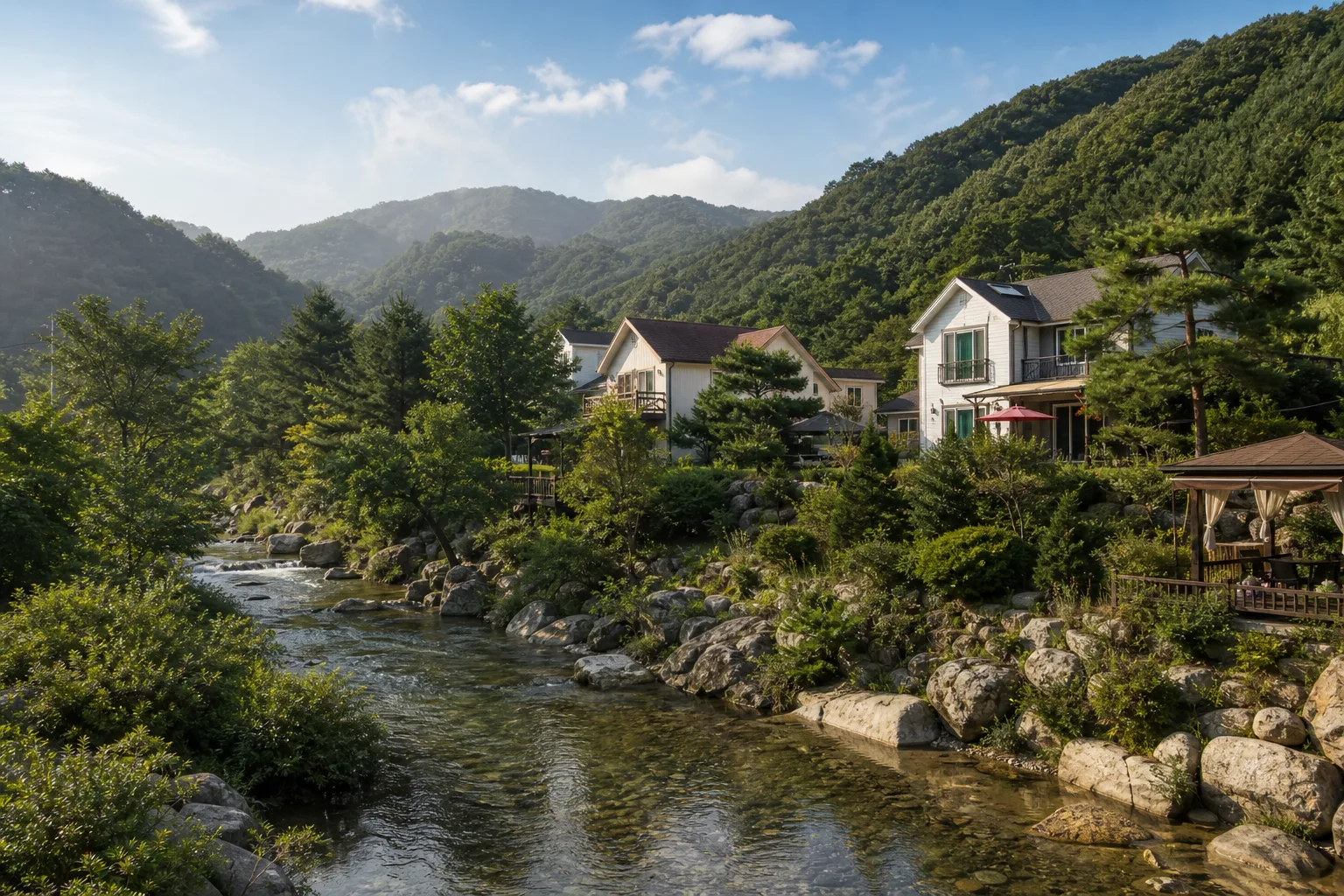
If you want a Korea escape that feels calmer than the usual Seoul day-trip circuit, Yangpyeong is one of the easiest places to aim for. It is close enough for a practical weekend plan, but far enough to feel like you have left the city behind.
Why Yangpyeong Works as a Hidden Nature Escape Near Seoul
Yangpyeong is less about one single must-see and more about a useful combination: river scenery, valley walks, forested slopes, and enough cafés and small stops to make the day feel flexible. For a Singapore-based traveler, that matters because the trip is easy to slot into a wider Korea itinerary without risking a complicated transfer day.
In practice, the area works best when you treat it as a soft reset rather than an attraction checklist. You come for the slower pace, the water and mountain views, the ability to eat without rushing, and the feeling that you can breathe for a while after several dense days in Seoul.
What Makes Yangpyeong Different From the Better-Known Day Trips
Most first-time visitors who leave Seoul for nature head to places that are already famous on social media. That is not wrong, but it often means crowds, longer waits, and a day that starts to feel scheduled around everyone else’s timings. Yangpyeong is different because it rewards a looser approach.
The landscape also helps. Instead of a single compressed tourist zone, you get a spread of river bends, valley roads, wooded sections, and small communities. That lets you decide how active you want the day to be. You can keep it almost entirely slow and scenic, or you can layer in a hike, a café stop, and a local meal.
This is why Yangpyeong fits travelers who want something quieter than a mainstream resort town but less demanding than a mountain hiking holiday. It is especially good if you are visiting in spring or autumn, when the weather is comfortable enough for longer outdoor breaks and the views are the main reason to go.
Who Should Put Yangpyeong on the Shortlist
Yangpyeong makes sense if you are the kind of visitor who likes a practical escape with minimal planning friction. It suits travelers who want:
- A nature break that does not require an overnight bus or a full regional transfer.
- A calm counterweight to Seoul shopping, museums, and food neighborhoods.
- A trip that is flexible enough for couples, friends, and small family groups.
- A place where you can mix scenery with coffee, lunch, and a little walking without overcommitting.
It is not the best choice if your priority is a major theme-park-style attraction, a nightlife district, or a tightly packed sightseeing day. The value here is the atmosphere, not the checklist density.
How It Fits a Singapore Traveler’s Korea Plan
For travelers from Singapore, Yangpyeong is useful because it sits inside the kind of trip structure many people already use: fly into Seoul, spend time in the capital, and then add one or two slower day trips before or after your main urban block. That means less packing pressure and more room to decide based on weather.
If your Korea holiday already includes major city time, Yangpyeong is the kind of side trip that helps the whole trip feel more balanced. It gives you one day of open space without forcing you to give up the convenience of Seoul as your base.
If you want to map the area into a larger trip style, compare it with the broader framing in Hidden Korea: Off-the-Beaten-Path Destinations Worth Visiting, or pair it with a longer first-time route like The Ultimate 10-Day South Korea Itinerary for First-Timers. If you are looking for a quieter overnight mood instead of a valley day trip, Temple Stay in Korea: How to Book, What to Expect & Best Programs is a good alternative category.
Choosing the Right Version of the Trip
Yangpyeong is not a one-size-fits-all destination. The smartest way to plan it is to decide what kind of pace you want, then build the route around that pace instead of trying to “do everything.”
The Best Trip Length for Most Visitors
For most visitors, the sweet spot is either a long day trip or one relaxed overnight. A day trip works if you mainly want scenery, lunch, and a few calm stops. An overnight works if you want better light for photos, an earlier start, and less pressure to rush back before evening.
A day trip is enough when:
- You are staying in Seoul for only a short time.
- You want one light nature day between heavier sightseeing blocks.
- You do not want to pay for an extra hotel night.
- You are visiting in good weather and do not mind a more efficient route.
An overnight is better when:
- You want sunrise or late-afternoon river views.
- You plan to combine nature with a second activity such as a local market, farm café, or slow dinner.
- You are traveling with parents, children, or anyone who prefers a gentler pace.
- You want a travel day that feels like rest instead of transport.
When Yangpyeong Is Better Than Gapyeong or a City-Heavy Day Trip
Yangpyeong often works better than a more famous day-trip area if you are already in the mood for quiet. It is less about ticking off headline attractions and more about using nature as the center of the day. That can make the trip feel less rushed and more restorative.
If your Korea holiday already has enough “big” sights, Yangpyeong is the better balance choice. If your trip needs one more signature landmark, a better-known area may be more satisfying. The question is not which place is objectively best. The question is which style matches the rest of your itinerary.
What to Expect From the Landscape
Think in terms of layered scenery. In Yangpyeong, you usually get a mix of:
- River edges and bends.
- Low mountains and valley roads.
- Forest walks or recreation areas.
- Casual cafés and lunch spots with open views.
That combination is what makes the destination work. You are not relying on one dramatic summit. Instead, the trip creates a calm rhythm, which is exactly what many travelers are missing after several days in Seoul.
A Good Mindset for This Area
Do not over-plan Yangpyeong as if it were a museum district. The area is better when you allow time for weather, traffic, photos, and spontaneous stops. If you try to compress it too tightly, you lose the main benefit of going in the first place.
The ideal mindset is simple: choose one anchor stop, one meal, and one loose scenic segment. Everything else is optional.
Practical Guide
Yangpyeong is easy to reach, but the experience improves a lot when you understand the practical side before you leave Seoul.
How to Get There
The most straightforward approach is to take rail or a combination of train and taxi/bus from Seoul. For many travelers, that is the cleanest balance between cost and convenience. If you are staying near a major station in Seoul, you can keep the departure simple and avoid rental-car stress.
From a planning point of view, the route is usually easier than it looks. The key is not to overthink the last mile. In valley areas and small scenic pockets, the final connection is often the part that determines whether the trip feels smooth or awkward. A short taxi ride at the end can save a lot of time compared with waiting for local buses that may not line up well with your return.
If you are visiting with a partner or a small group, split taxi costs can make the area feel very reasonable. If you are traveling solo, public transport still works, but you should build in cushion time before your return train so the day does not feel rushed at the end.
Hours, Admission, and Prices
There is no single admission policy for “Yangpyeong” because the area is a cluster of public river scenery, privately run cafés, and managed forest or recreation sites. That means you need to think in layers.
Here is the practical rule of thumb:
- Open river viewpoints and scenic walks are often free.
- Managed nature facilities and recreation forests may charge entrance, parking, or cabin-related fees.
- Cafés and restaurants are separate from sightseeing costs, so food budget matters more than ticket budget on many Yangpyeong trips.
For a traveler building a realistic budget, that usually makes Yangpyeong friendlier than destinations that require multiple paid admissions. Your biggest variable is transportation, then food, then any optional activity fee.
Because fees can change by season and facility type, check the exact site you plan to visit before you depart. This matters most if you are going on a weekend, during school holidays, or after heavy rain when operating rules can shift.
If you want a practical budgeting mindset, assume a low-ticket or mostly free scenic day with a moderate food budget. That is the safest way to avoid overestimating costs.
A Simple Budget Framework for Singapore Travelers
For a Singapore-based traveler, it helps to think in KRW first and only convert to SGD after you understand the structure of the day. Korea transport and food can feel inexpensive or mid-range depending on how many rides and meals you stack into one outing.
A sensible framework looks like this:
- Transport: one round trip from Seoul plus any local taxi.
- Food: one proper lunch, one café stop, and maybe a snack.
- Admission: usually low or optional, depending on the exact site.
- Extras: coffee, local desserts, and any souvenir purchase.
If you keep the itinerary simple, Yangpyeong often becomes a “value” trip not because it is the cheapest possible outing, but because it delivers a strong change of pace without forcing a lot of paid gates.
Best Time of Day to Arrive
Early arrival is worth it. The scenery feels calmer, parking and transfer logistics are easier, and you get a more relaxed lunch window. Arriving early also gives you flexibility if weather becomes less favorable later in the day.
Late arrival can still work if your goal is only a short scenic reset. But if you want to enjoy the area properly, the trip is better when you start before the afternoon rush. That is especially true on weekends, when many Seoul residents make the same general move toward green space.
What to Bring
Pack for a day that may include light walking, sun, and a little unpredictability.
- Comfortable walking shoes.
- A compact umbrella or rain layer in shoulder season.
- Water.
- A power bank if you plan to take many photos.
- Small cash or a payment method that works easily for local cafés and taxis.
If you are traveling in summer, heat and humidity can be the biggest issue. If you are traveling in autumn or early spring, a light jacket usually makes the day much more comfortable than people expect when they leave Seoul in the morning.
A Sample One-Day Route
If you want the simplest possible structure, use this:
- Leave Seoul early enough to arrive before the midday rush.
- Start with your most scenic or most important stop first.
- Break for lunch before you are fully tired.
- Add one café or river walk.
- Return with a buffer so you are not stressed about the last train or taxi.
That pattern works because it protects the main reason you came: the sense of calm. Once you start forcing too many stops into a single day, Yangpyeong begins to feel like a checklist problem instead of a retreat.
Tips & Common Mistakes
People usually do not fail at Yangpyeong because the destination is hard. They fail because they plan it like a city attraction instead of a nature day.
What Most Guides Miss
The biggest missed point is pacing. Many guides focus on pretty views and ignore the fact that nature trips need breathing room. The best Yangpyeong itinerary is usually the one with the fewest fixed commitments.
Another thing guides often miss is transport friction. A destination can be close to Seoul and still feel cumbersome if you pack it with too many transfers. The smart approach is to anchor your day around one main area and then choose the easiest local movement around that anchor.
Common Mistake 1: Trying to Cover Too Much Ground
The most common error is mixing too many “must-see” spots into one day. Once you do that, you spend the day moving rather than resting. That is the opposite of why Yangpyeong works.
Use the area as a place to slow down. If you want a dense sightseeing schedule, save that for Seoul proper or a more urban destination.
Common Mistake 2: Ignoring Weather
Nature trips in Korea can change character fast depending on the season. Rain, strong sun, or sudden temperature drops can all affect how much you enjoy the day. Yangpyeong is better when you check the forecast and accept that the route may need a small adjustment.
That does not mean you should cancel at the first sign of imperfect weather. It means you should choose a route that still works if the day turns out to be partly cloudy, warmer than expected, or a bit damp.
Common Mistake 3: Assuming Every Scenic Stop Has the Same Rules
This is where travelers sometimes waste time. Some places are public and free, while others are managed sites with specific opening windows, parking rules, or visitor policies. If you assume everything is identical, you may arrive expecting one thing and find another.
Check the exact stop you plan to prioritize. That one habit prevents most frustration.
Common Mistake 4: Not Reserving a Slow Lunch Window
The best Yangpyeong trips usually include a real meal, not just snacks on the go. The scenery is more satisfying when you are not hungry or annoyed. A proper lunch stop also gives your legs a break and helps the day feel less fragmented.
Insider Advice for a Better Day
If you only remember one operational tip, make it this: choose one scenic anchor that you care about, then let the rest of the day stay loose. The moment you do that, Yangpyeong becomes easier to enjoy.
It also helps to think about the return trip before you leave Seoul. A calm nature day is only calm if the way back is calm too. Leave enough margin so you are not trying to squeeze the last thirty minutes out of the itinerary.
FAQ
Is Yangpyeong Worth Visiting if I Only Have One Free Day Near Seoul?
Yes, if your goal is a quieter day with nature and a slower rhythm. It is especially worth it if your current Seoul itinerary already feels full of neighborhoods, shopping streets, and indoor attractions.
Do I Need a Car to Enjoy Yangpyeong?
No. A car can make the day easier, especially if you want to connect several stops, but it is not required for a basic nature retreat. Many travelers will find rail plus a short taxi workable and less stressful than driving.
Is Yangpyeong Better for Couples, Families, or Solo Travel?
It works for all three, but the experience changes slightly. Couples tend to like the slow pace and scenic cafés. Families usually benefit from the lower pressure and flexible timing. Solo travelers can enjoy it as a reset day between bigger city blocks.
How Much Should I Budget?
Budget mainly for transport, lunch, coffee, and any optional activity. The area can stay relatively reasonable if you keep the day simple, because many scenic parts do not rely on high admission costs.
When Is the Best Season to Go?
Spring and autumn are the easiest seasons for most travelers because temperatures are comfortable and outdoor time feels pleasant. Summer can work if you plan around heat and humidity. Winter can be beautiful too, but you should expect a quieter, colder atmosphere and dress accordingly.
Conclusion
Yangpyeong is a strong choice when you want nature without turning the day into a logistics exercise. It gives you the calm of a valley escape, the flexibility to keep the itinerary simple, and enough comfort options to make the trip practical from Seoul.
If you are planning a Korea trip from Singapore and want one day that feels less crowded and more restorative, Yangpyeong deserves a place on the shortlist. Keep the route simple, arrive with time to spare, and let the scenery do the work.