Hidden Korea: Off-the-Beaten-Path Destinations Worth Visiting

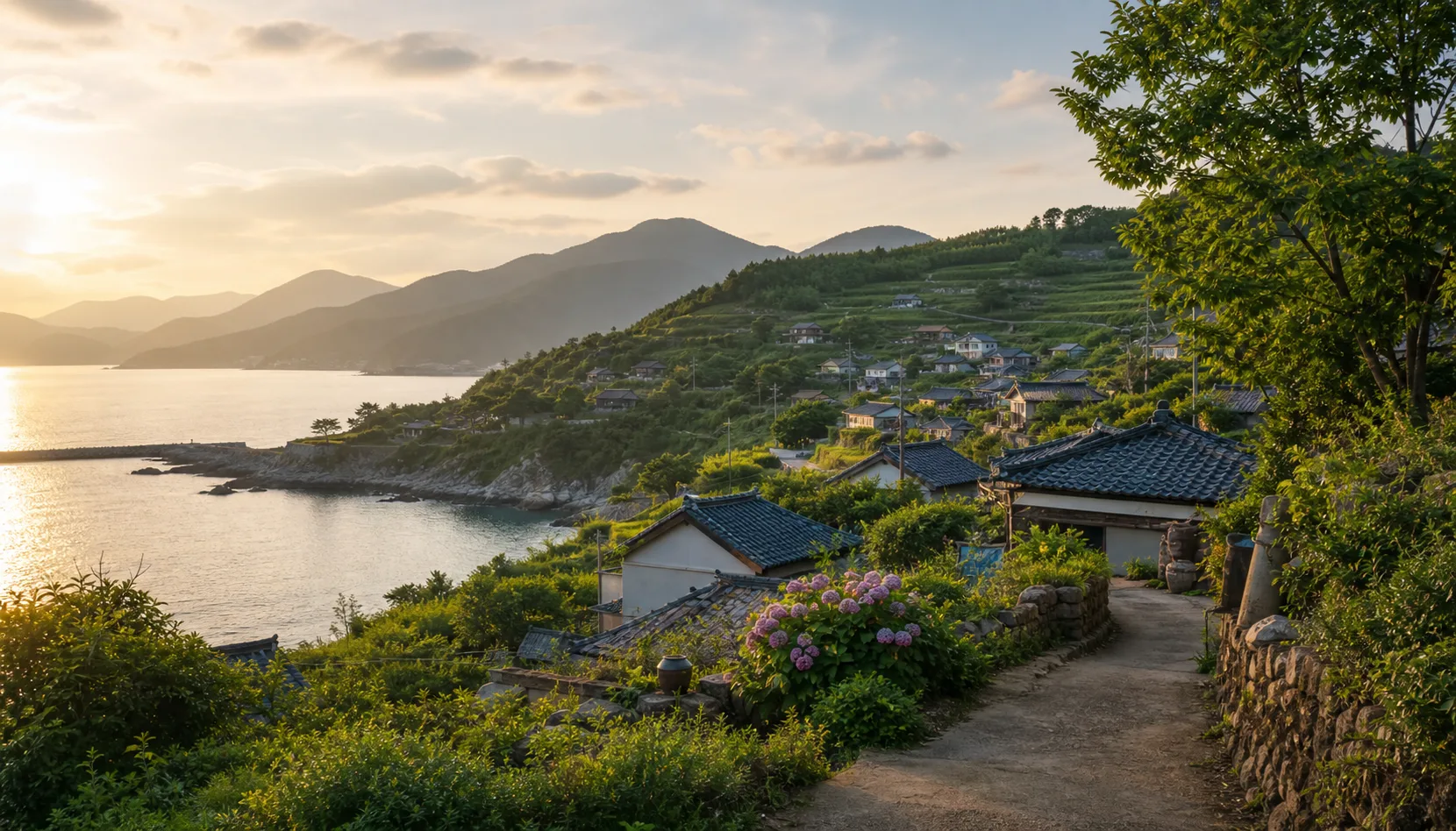
If your Korea trip is starting to feel like a copy of every other itinerary, the fix is not to skip the classics entirely. It is to build a second layer into the trip: a wetland at sunset, a village where the pace drops, a coastal town that still feels local, and an island that asks you to slow down. That is the Korea most travelers miss.
Introduction
Hidden Korea is not one destination. It is a travel style that trades queue-heavy landmarks for places where the scenery does more of the talking. The payoff is not only fewer crowds. It is better food, easier photos, slower mornings, and a stronger sense of place.
If you are building a longer route, start with The Ultimate 10-Day South Korea Itinerary for First-Timers, then use this guide to add quieter stops before or after the big cities. If your trip still needs a city comparison, Beyond Seoul: The Top 10 Must-Visit Cities in South Korea is a useful companion. And if you want an easy outdoor add-on near Seoul, Hiking Bukhansan National Park: Top Trails Near Seoul gives you a good contrast between urban and natural travel days.
This article focuses on the kind of destinations that reward a slower schedule: wetlands, heritage villages, islands, fishing communities, and small coastal towns. You will find where each place fits, what makes it different, how to reach it, and how to avoid the common mistake of treating it like a quick photo stop.
Primary Topic Section
The best off-the-beaten-path destinations in Korea are not necessarily secret. They are simply less convenient than the usual headline attractions, which means they are often skipped by first-time visitors. That inconvenience is exactly why they still feel rewarding.
Why hidden destinations matter
Quiet destinations solve a real travel problem: they give you variety without requiring a completely separate trip. If your Korea itinerary is too Seoul-centric, one or two slower destinations can balance the whole experience. A wetland town can reset you after the city. A heritage village can add context to modern Korea. A coastal island can make the whole trip feel more expansive.
There is also a practical side. Hidden places are often easier to enjoy at a relaxed pace because they have fewer “must-do” checklists. You can walk, eat, sit, and observe without feeling like you are missing something every ten minutes. That is useful if you are traveling with family, traveling in shoulder season, or simply tired of overpacked urban sightseeing.
Suncheon: the best all-around nature and slow-city base
Suncheon is one of the easiest places to recommend to travelers who want a quieter Korea without giving up convenience. It combines birdlife, reed fields, gardens, a clean urban core, and enough transport access to work as a multi-night stop rather than just a day trip.
The main draw is Suncheon Bay Wetland Reserve, a landscape that changes with the seasons and rewards visitors who are willing to stay until late afternoon or sunset. The wetland is especially good if you like scenery that is not artificially packaged. Reeds, tidal flats, and birds do the work, and the experience feels different depending on weather, light, and tide.
Suncheon also works because the city itself is manageable. You can spend one day on the wetlands and another on food, markets, and a slower town center. That makes it one of the best “hidden” destinations for travelers who want a place that feels offbeat but not awkward to navigate.
Andong and Hahoe Village: heritage without the museum feel
Andong is often introduced as a traditional city, but it is more useful to think of it as a place where Korean heritage still feels lived in. Hahoe Village is the obvious anchor point, yet the region around it is what makes the stop worthwhile. River views, old houses, masks, and local food all support the same mood: quieter, older, and less polished than the typical tourist corridor.
What makes Andong valuable is that it is not just a single attraction. You can shape the visit around one main village, then add river walks, local meals, and slower neighborhoods. For many travelers, that is a more meaningful heritage experience than bouncing between famous landmarks in a dense city.
The atmosphere is especially strong if you arrive with realistic expectations. Hahoe Village is not meant to feel like a theme park. It is meant to feel like a place where history remained attached to daily life. If you want polished retail and nightlife, this is not your stop. If you want depth, it is.
Tongyeong and the South Sea coast: food, ferries, and views
Tongyeong is a strong choice if your version of hidden Korea leans coastal. It gives you harbor scenery, island access, seafood, and a travel pace that sits somewhere between a sleepy port and a practical regional base.
This is one of the best places to understand why slower travel works in Korea. The city does not demand constant movement. Instead, it rewards the traveler who is happy to combine a cable car ride, a harbor walk, a seafood meal, and a ferry-based side trip. That makes it ideal for people who want a destination with structure but without the overwhelming density of a major metropolitan area.
Tongyeong also pairs naturally with the South Sea’s island geography. When you are in the region, the trip becomes less about checking off one famous site and more about choosing your own combination of shoreline, local market, and island time.
Ulleungdo: the island trip that feels like a real escape
If you want the most dramatic shift from mainland travel, Ulleungdo is one of the best hidden destinations in Korea. It is remote enough to feel like a project, but that is exactly what makes it memorable. The island gives you cliff scenery, rougher weather patterns, ocean views, and a sense that you have crossed into a different travel rhythm.
Ulleungdo is not the place for an overstuffed itinerary. The island works best when you give it enough time to breathe. That means arriving with the expectation of long scenic drives, ferry logistics, and weather flexibility. In return, you get an island experience that feels much less curated than the better-known tourist corridors.
The biggest reason Ulleungdo belongs on a hidden-Korea list is simple: the journey itself filters the audience. Travelers who make the effort usually come back with a stronger memory of the trip than they would from an easier but more crowded destination.
Samcheok and the east coast: underused, underrated, and easy to pair
Samcheok is one of those places that many travelers pass near without really planning to stay. That is a mistake. It offers a surprisingly useful combination of coastal scenery, local museums, cave systems, and fishing-village atmosphere, which makes it a smart side trip for anyone moving through the east coast.
One of the reasons Samcheok works is that it does not force you into a single mode of travel. You can do a scenic coastline stop, a heritage or folk-museum visit, and a relaxed meal without having to switch cities or deal with a lot of logistical friction. It is a good “bridge” destination between more famous northern and southern routes.
For travelers who want something distinctly local without needing a specialized tour, Samcheok is a strong example of hidden Korea in practice: modest crowds, practical access, and a payoff that feels bigger than the headline recognition suggests.
Secondary Topic Section
The second layer of hidden Korea is not just “places fewer foreigners visit.” It is places that work well in a route. A destination becomes especially valuable when it fills a gap: a city break, a nature day, a heritage stop, a ferry segment, or a food-led detour.
How to choose the right hidden destination for your style
If you want nature and birdlife, Suncheon should be high on the list. If you want heritage with context, Andong is the stronger choice. If you want a harbor city with easy regional movement, Tongyeong is useful. If you want a true geographic shift and a trip that feels special, Ulleungdo is the most distinctive. If you want a balanced east-coast stop that is practical to slot into a longer journey, Samcheok deserves attention.
The mistake many first-time visitors make is trying to treat hidden destinations as a category rather than as a planning tool. A slow wetland city, a mountain heritage town, a ferry port, and an island all feel different. They should be used differently.
Sample route ideas
A balanced southern route could start in Busan or Gwangju, continue to Suncheon, and then move to Andong if you want to mix coastal and heritage experiences. That gives you two slower stops that are very different from one another, which makes the overall trip feel broader.
If you are more interested in a coast-first trip, Tongyeong can work as the anchor with a nearby island add-on. Add an extra night if you can, because ferries, seafood meals, and scenic viewpoints are easier to enjoy when you do not need to rush back to a big city the same day.
For travelers who want a true “we went somewhere different” moment, Ulleungdo should be a dedicated segment rather than a side note. Think of it as a mini expedition. You will get more out of it if you give the island enough time to justify the ferry and the weather buffer.
Samcheok fits best as part of an east-coast sequence. It is a flexible stop that can break up a road trip or provide a less crowded night between better-known cities. It is not the place to overplan. It is the place to leave room for wandering.
What these destinations have in common
The destinations in this guide share three traits. First, they reward patience more than speed. Second, they tend to be better in combination with a wider route than as isolated one-offs. Third, they feel more satisfying when you are willing to do a little extra transport planning in exchange for a better experience on the ground.
That is why hidden Korea is useful for travelers who already know they want more than the standard first-trip formula. It gives you a way to keep the trip efficient while still making it feel personal.
Practical Guide
The following logistics are current as listed by VisitKorea for the featured sites and are the most useful baseline for planning. Always recheck right before departure, especially if you are traveling on a holiday week or taking ferries.
Hours, admission, and access
| Destination | Current basics | Planning note |
|---|---|---|
| Suncheon Bay Wetland Reserve | Adults 8,000 won; teens 6,000 won; children 4,000 won. Open 08:00 to sunset, with seasonal variation. Facilities are unavailable on Mondays and national holidays. | Best for late-afternoon visits when the light and reeds are at their best. |
| Andong Hahoe Village | Adults 5,000 won; teens 2,500 won; children 1,500 won. Open 09:00 to 17:30 April to September, and 09:00 to 16:30 October to March. | Strong choice for a half-day or overnight heritage stay. |
| Haesindang Park / Samcheok Fishing Village Folk Museum | Adults 3,000 won; teens 2,000 won; children and seniors 1,500 won. Open 09:00 to 17:00 March to October, and 09:00 to 16:00 November to February. Closed on the 18th of each month unless that falls on a holiday. | Good east-coast stop if you want a compact, low-friction visit. |
How to get there
Suncheon is one of the easiest hidden destinations to reach. It connects well to the national rail network, and once you are in the city, local transport is manageable. If you want the full wetland experience, build enough time to ride out beyond the station area rather than only seeing the downtown core.
Andong is also straightforward by Korean standards, but it benefits from a longer stay because the village and the city should not be rushed together. If possible, arrive before late afternoon so you can see the village in daylight, then return for a slower meal and an unhurried evening.
Samcheok is easiest if you are already traveling along the east coast or have a car. The region is worth the extra step when you are pairing it with nearby coastal points, because that turns the transit time into part of the trip instead of dead time.
Tongyeong is best treated as a regional base. Once you are there, the point is not to stay in one place all day. The point is to use the city as a launch point for harbor walks, meals, viewpoints, and island access. If you like traveling with a loose structure, Tongyeong is ideal.
Ulleungdo requires the most commitment. Ferry timing and weather matter, so plan a buffer and avoid building the island into a same-day cross-country sprint. The more relaxed your arrival and departure days are, the more likely the trip will feel worth the effort.
Booking approach
For the hidden places in this guide, the best booking strategy is usually to reserve the hard parts first and keep the rest flexible. That means transport where needed, ferries where required, and any overnight stay you know will fill up on weekends or during holiday periods.
If a destination has a tour or bundled transport option, compare it against your own route before booking. That matters most for islands and coastal stops, where a package can save time, but sometimes limits your flexibility. In practice, a good booking choice is the one that simplifies the part of the trip that would otherwise cause stress.
For first-time planners, I would treat hidden destinations as route enhancers rather than standalone product purchases. Book the essential transfer, choose a well-located base, and leave the daily sightseeing loose enough to respond to weather and energy levels.
Tips & Common Mistakes
The biggest mistake travelers make with hidden Korea is assuming that “less famous” automatically means “easy to do in one afternoon.” It often does not. A quieter destination can still involve long transit, a slower food rhythm, seasonal operating hours, or fewer late-day options.
Another common mistake is overpacking the schedule. If you visit a wetland, a village, and a museum all in one rush, you strip away the very thing that makes hidden destinations worthwhile. These are places that reward observation. Let them take time.
What most guides miss
Most travel guides focus on the attraction but ignore the pacing. In practice, pacing matters more than the headline site. Suncheon is better when you stay for sunset. Hahoe Village is better when you leave time for walking and meals around Andong. Samcheok works better if you treat the coastline as part of the experience instead of just the endpoint. Ulleungdo absolutely needs buffer time.
Most guides also understate how useful hidden destinations are for resetting a trip. If you feel burned out after several big-city days, a quieter stop can restore the trip’s momentum. That is often the difference between a trip that feels repetitive and one that feels layered.
Practical habits that improve the trip
Start earlier than you think you need to. Rural and coastal places often reward morning light, and that gives you a better shot at low crowds and a calmer rhythm.
Check seasonal hours before leaving. This matters most for nature-focused stops. The wetland may be open, but side facilities may have different schedules, and that can change the shape of your visit.
Stay at least one night if the transit is nontrivial. A destination that costs a lot of travel time is usually not worth forcing into a day trip unless it is extremely close to your base.
Eat locally rather than defaulting to the same chain meals you would choose in Seoul. Hidden destinations often have their own regional dishes or seafood patterns, and that food is part of the reason to go.
Keep one section of the day unplanned. Some of the best parts of quieter travel are the small discoveries: a view, a market lane, a café, a port walk, a side street, or an unplanned meal after the main attraction is finished.
FAQ
Is hidden Korea good for first-time visitors?
Yes, as long as you do not try to replace the major highlights completely. Hidden destinations work best as one or two additions to a standard first-trip route. They give you variety without making the trip harder to understand.
Which hidden destination is the easiest to fit into a normal itinerary?
Suncheon is one of the easiest, because it offers a strong experience without requiring a highly specialized route. It is especially useful if you want nature, food, and a calmer city base in one stop.
Which hidden destination feels the most “special”?
Ulleungdo usually wins on that criterion because the island logistics create a bigger sense of escape. It feels like a destination you actively chose rather than one you just happened to pass through.
What if I only have a short trip?
Pick one hidden destination, not three. A short trip works best when the quieter stop is clearly connected to your main route. For example, a Suncheon add-on after a southern city trip is easier than trying to force in an island and a heritage town at the same time.
Do I need a car for these destinations?
Not always, but a car can improve flexibility in coastal or rural areas. Suncheon and Andong can be managed without one if you plan carefully. Tongyeong and Samcheok become easier with one. Ulleungdo is a separate logistics case, so focus on ferry timing first and transport on the island second.
Conclusion
Hidden Korea is valuable because it changes the rhythm of the trip. Instead of just moving from famous landmark to famous landmark, you get a mix of landscape, regional food, heritage, and quieter city time. That makes the trip feel more personal and often more memorable.
If you want a practical way to use the ideas in this guide, start with a normal first-trip route, then add one slower stop that fills a gap: Suncheon for wetlands and gardens, Andong for heritage depth, Tongyeong for harbor and island access, Samcheok for the east coast, or Ulleungdo for the strongest sense of escape.
The key is not to overcomplicate the itinerary. Pick destinations that reward your preferred travel pace, book the parts that are hardest to move, and leave room for the place itself to do the work. That is usually where the best hidden trips begin.