Japan Off-Season Travel: Why November and January Are Underrated

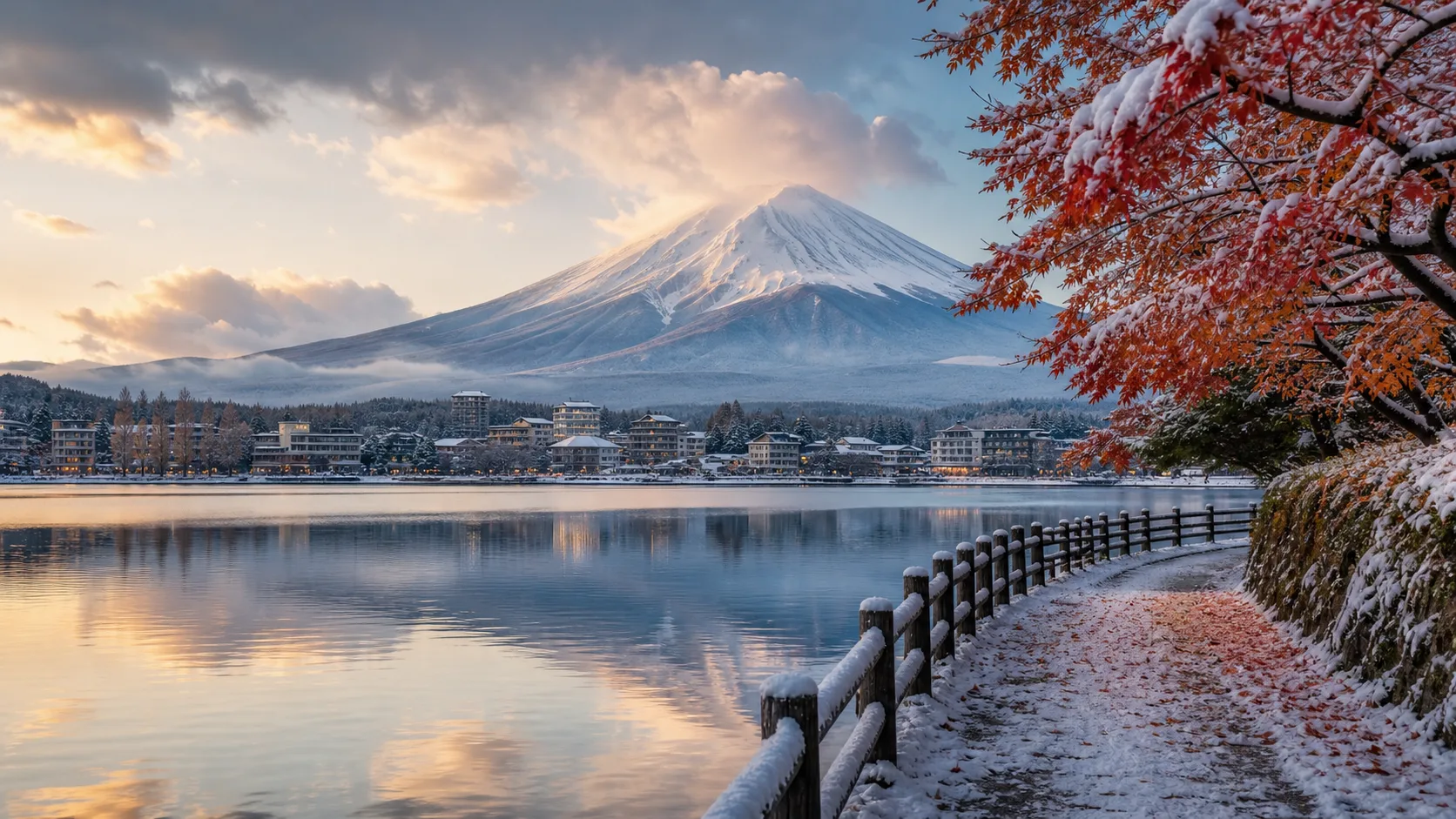
Japan’s peak travel seasons get most of the attention, and for good reason. Cherry blossom season is beautiful, summer festivals are memorable, and early autumn can be spectacular. But if you are trying to build a trip that is calmer, more flexible, and often better value, November and January deserve a serious look.
These two months are underrated for different reasons. November is a sweet spot for crisp weather and autumn color without the full intensity of the spring and summer crowds. January, by contrast, rewards travelers who like quieter cities, winter scenery, and a more local feel after the New Year rush. Both months can produce excellent trips if you plan around the tradeoffs instead of fighting them.
The key is to stop thinking of Japan as either “high season” or “bad season.” November and January are not imperfect versions of peak months. They are different trip styles entirely. If you choose the right regions, pack for the conditions, and understand how holiday closures work, you can get more breathing room, more spontaneous wandering, and in many cases a better price-to-experience ratio than you would in the headline seasons.
Why November and January deserve a closer look
November and January are underrated because they sit on the edges of Japan’s travel calendar. November catches the tail end of autumn and the beginning of cooler, drier weather. January starts with holiday closures and then quickly settles into a calmer winter rhythm. That makes both months less obvious than spring cherry blossoms or summer festivals, but often easier to enjoy.
If you want the short version: November is one of the best months for comfortable city travel, foliage, and food-focused itineraries, while January is one of the best months for lower crowd levels, winter scenery, and flexible planning outside the New Year week. The tradeoff is that you need to respect the weather and the calendar. The payoff is a trip that feels less compressed and more local.
The basic logic is simple. During peak season, you often compete with everyone else for the same hotels, viewpoints, and reservations. In the off-season, you can usually move at a calmer pace. Popular places can still be busy, especially around iconic foliage spots or ski resorts, but the day-to-day experience is more relaxed. That matters if you care about wandering side streets, lingering over meals, and actually getting a seat on the train you want.
November: autumn without the most punishing crowds
November is the month where Japan gives you many of its best visual rewards without the full spring crush. In much of the country, the air is crisp, humidity drops, and long walking days feel easier. Cities like Kyoto, Tokyo, Kanazawa, and Hiroshima become especially pleasant for temple hopping, neighborhood exploring, and food markets. In mountainous or northern areas, autumn color can still be strong well into the month.
The biggest advantage of November is that it offers variety. You can structure a trip around leaf viewing, city walking, museum days, and short side trips without dealing with the heavy heat of summer or the chaotic holiday periods of late December and early January. Many travelers also find that photography is easier in autumn because the light is softer and the weather is more stable than in rainy or typhoon-prone months.
There is a catch, and it matters: the best foliage destinations can still be busy. Kyoto’s famous temples, scenic gardens, and mountain routes can draw large numbers of visitors once the leaves turn. The solution is not to avoid November. It is to use it well. Stay near your main sights, go early in the day, and balance one famous foliage stop with one quieter neighborhood or smaller town.
Another reason November works well is that it pairs naturally with food travel. Hot pots, seasonal mushrooms, chestnuts, roasted sweet potatoes, grilled fish, and warm noodle dishes all fit the mood. You do not need a packed, multi-city race. Even a simple itinerary with a few strong bases can feel rich in November because the weather supports long walks and unhurried meals.
For readers comparing seasons more broadly, Best Time to Visit Japan: Sakura, Autumn Leaves & Winter Snow Guide is the best companion piece because it helps you see where November sits relative to cherry blossoms and deep winter.
January: quieter cities and a cleaner winter rhythm
January is underrated for a different reason. The month starts with the New Year holiday period, which is busy and full of closures, but once that window passes, Japan often becomes much easier to move around. Tourist hotspots calm down, hotel availability improves, and many city experiences feel more spacious than they do in spring or summer.
The first thing to understand is that early January is not the same as mid-January. The first few days of the month are special in Japan. Many people are off work, families travel, and some shops, restaurants, and attractions reduce hours or close entirely. Shrines and temples can be busy because of New Year visits. That does not make January bad; it just means the month has a distinct opening chapter.
After that initial holiday period, January can be excellent. The weather is colder, but many travelers actually enjoy that. Winter air can make urban walking clearer and more comfortable than sticky summer heat. Museum visits, café breaks, hot springs, and indoor food markets become more appealing. In snowy regions, January is also prime time for winter scenery and ski trips.
January is especially strong if you want a trip that feels less pressured. You can build a plan around one major city, a hot spring stop, and one winter landscape without worrying that you are missing some once-a-year peak event. This is the month for slower travel, not empty travel. The best trips in January tend to combine good logistics, realistic expectations, and a willingness to adapt to short days and cold weather.
The case for November
November works best when you want comfort, color, and movement without overcomplication. It is the month for a traveler who wants to walk a lot, eat well, and see more of Japan’s urban texture between one scenic stop and another.
The weather is a big part of that appeal. Much of central Japan feels cooler and more manageable in November than in October or the humid months before it. This makes it easier to layer your days: a garden in the morning, a neighborhood lunch, an afternoon museum, and an evening of izakaya or hot noodles. You do not need to build your itinerary around heat avoidance or rain avoidance in the same way you would in summer.
November also rewards patience. If you time your trip around the first half or middle of the month, you may catch the beginning of foliage season in some areas and still enjoy relatively moderate crowd levels. If you go later in the month, more destinations will be in full color, but some of the busiest foliage spots will be closer to their peak. That means the month has a real planning window, and that window lets you choose whether you want earlier quiet or later color.
Kyoto is the obvious example, but it is not the only one. Tokyo’s parks, temple grounds, and ginkgo-lined avenues can look excellent in November. Nara becomes especially pleasant for slow walking. Kanazawa offers an easy blend of gardens, food, and old-town atmosphere. In the countryside, mountain drives and rail journeys can be especially rewarding because the seasonal colors layer over the landscape without requiring a highly structured theme park style of travel.
There is another practical benefit: November often fits better into a travel budget than spring blossom season or late-year holiday travel. Rates can still rise around particularly famous foliage periods, but the month is generally less extreme than the most famous peak windows. That does not mean cheap everywhere. It means the market is often easier to navigate if you book thoughtfully and stay flexible on neighborhood or hotel category.
If you are aiming for a route that mixes big-city convenience with a little seasonal magic, November is one of the easiest months to make that happen.
The case for January
January rewards travelers who like clarity. The weather is cold, the calendar is blunt, and the rhythm of the month is easier to understand than many other times of year. If you plan around that structure, January can be extremely satisfying.
The month begins with New Year, which is both a challenge and a feature. On the challenge side, many businesses reduce hours or close, and transport hubs can be busy. On the feature side, this is one of the most culturally distinctive times to be in Japan. Temples and shrines are active, neighborhoods feel different, and the country’s annual reset is visible in daily life.
Once the holiday period passes, January becomes quieter in a way that many first-time visitors do not expect. You can move through major cities without the same pressure you feel in spring blossom season or during long holiday weekends. Even famous districts can feel more breathable on weekday mornings. That extra space matters if you prefer to browse, linger, and adjust on the fly.
January is also an excellent month for winter food and onsen travel. Cold weather makes hot soups, grilled dishes, and regional comfort foods especially appealing. A simple itinerary that includes a city base plus a hot spring town can feel very polished without being expensive or stressful. If snow is part of the appeal, you can use January to reach northern areas or mountain regions when conditions are most reliably wintery.
Not every January trip should be the same. Tokyo and Osaka offer a different experience from Hokkaido or the Japan Alps. Coastal regions can be damp and chilly, while inland areas can be crisp and snowy. The right choice depends on whether you want urban quiet, winter scenery, or snow sports. The common thread is that January gives you permission to slow down.
For readers who are building the practical side of the trip, Japan Travel Planning: Visa, IC Card, Rail Pass & Essential Logistics Guide is the most useful next read because January travel is much easier when your entry, transport, and payment setup are handled before departure.
Practical guide for planning the trip
The most important planning rule is to match the month to the style of trip you want. November is best for comfortable sightseeing, fall color, and broad regional exploration. January is best for winter atmosphere, calmer cities, and seasonal activities that make sense in cold weather. If you try to make them behave like peak spring break, you will miss what makes them good.
Weather, clothes, and comfort
In November, think layers. A light or medium jacket, long sleeves, and comfortable walking shoes are usually enough for most city itineraries, but mountain or northern destinations can feel much colder. Early mornings and evenings can be brisk even when midday feels pleasant. If you plan to spend time outdoors for foliage viewing, a scarf or thin gloves may be useful, especially later in the month.
In January, build for cold. Thermal layers, a warm coat, gloves, and a hat are practical in most parts of the country. If you are going to snowy regions, waterproof shoes or boots matter more than fashion. The goal is not to overpack. The goal is to prevent your trip from becoming a sequence of indoor escapes because you dressed for the wrong temperature.
For both months, the simplest rule is to pack for the day you want to have, not the forecast you hope for. Comfortable shoes matter more than most travelers expect because off-season travel tends to reward walking, lingering, and detouring.
Where to go
November is strongest in places where scenery and city life mix naturally. Kyoto, Nara, Tokyo, Kanazawa, Nikko, and Hiroshima all work well depending on how much foliage you want and how much you want to move. If you prefer quieter landscapes, smaller temple towns, river valleys, and mountain areas can be especially satisfying because November color can make familiar sights feel fresh again.
January has a wider range. If you want culture and food, major cities remain excellent. If you want winter scenery, head north or inland. If you want hot springs, January is one of the most sensible times to do it. If you want skiing, this is prime time. The best January itineraries are usually focused rather than sprawling, because winter daylight is shorter and weather disruptions are easier to absorb when you are not racing between too many bases.
Hours, admission, and prices
Most major attractions in Japan keep their normal seasonal pricing structures, but hours can shift around holidays, maintenance, and weather. In November, the main variable is crowd pressure at popular foliage sites. In January, the main variable is holiday closures at the beginning of the month. If you are relying on a specific attraction, restaurant, or transport connection, check operating hours before you go instead of assuming standard schedules.
As a practical budgeting guide, many museums and smaller attractions are relatively affordable by global travel standards, while special exhibits, observation decks, hot spring stays, and ski activities can raise the total quickly. City transport is efficient but adds up if you move constantly. The most cost-effective off-season trips are usually the ones that reduce transit churn and let you stay multiple nights in one base.
Accommodation pricing follows the same pattern. November can be more expensive in the most famous foliage destinations, while January often becomes cheaper after the holiday week, especially in cities rather than resort areas. Ski towns and onsen resorts are the exception because winter demand can push rates up. The lesson is to book by destination type, not by month alone.
Getting around
Japan is easiest when you keep transit simple. IC cards are helpful for city travel, local trains, and buses. For long-distance routes, reserve seats when you know your plans, especially if you are traveling around holiday windows or on popular intercity corridors. Off-season travel can create a false sense of security: the train you want may still be full if you wait too long on a busy date.
If your route includes several cities, think in terms of rhythm rather than mileage. One city base, one scenic excursion, one food-heavy day, and one lower-key recovery day is often a better off-season shape than trying to cram in five stops. That is especially true in January, when cold weather and shorter daylight reduce the value of overpacked itineraries.
Holiday closures in January
The most common mistake travelers make in January is treating the entire month as if it were ordinary winter. It is not. Early January behaves differently because of New Year. Many people travel home, and businesses may close or operate on limited schedules. Even when places are open, the experience can be unusual.
That does not mean you should avoid January. It means you should build the first week carefully. Reserve the hotel you actually want, check opening hours for the sites that matter most, and do not make your trip depend on a museum or restaurant that may not operate on the day you need it. After the holiday window, the month becomes much easier.
Tips & common mistakes
The first mistake is assuming November is “off-season” everywhere. It is not. Famous foliage regions can be busy, and the best dates can command strong hotel demand. If you want the benefits of November without the pressure, choose a base that gives you options and use weekday mornings for your most popular sights.
The second mistake is assuming January is just a colder version of every other month. The New Year period changes the entire start of the month. If you arrive on January 1 or January 2, expect a very different city than you would on January 15. Plan for closures, crowds at religious sites, and reduced flexibility during the holiday period.
The third mistake is overcommitting to distance. Off-season travel is strongest when you lean into pace, not ambition. A slower route with better meals, more walking, and fewer transfers usually feels more memorable than a long list of boxes checked from a train window.
The fourth mistake is ignoring regional differences. November in Kyoto is not the same as November in Hokkaido. January in Osaka is not the same as January in the mountains. Decide first whether you want foliage, city calm, snow, or hot springs, then pick the region that naturally supports that experience.
The fifth mistake is using the off-season to justify underplanning. Yes, the month is calmer than peak travel, but Japan still rewards booking and timing. Popular restaurants, scenic trains, ski lodges, and holiday periods can all create bottlenecks. The best off-season trips feel spontaneous because the basics were handled in advance.
One useful habit is to make a simple checklist before you leave: book the first and last nights, verify any special closures, confirm your transport method between cities, and know which days are for sightseeing versus transit. That tiny amount of structure is often enough to make November and January feel effortless.
FAQ
Is November actually a good time to visit Japan?
Yes. November is one of the strongest months for comfortable weather, autumn scenery, and general sightseeing. It is especially good if you want to walk a lot, eat seasonally, and avoid summer heat. The only caveat is that famous foliage spots can still be crowded, so timing and location matter.
Is January too cold for first-time visitors?
Not necessarily. January is cold, but that can be an advantage if you pack properly and focus on the right regions. Cities are still very doable, and winter travel is often easier than people expect. If you want snow, hot springs, or a quieter atmosphere, January is a strong choice.
What is the biggest downside of January travel?
The biggest downside is the New Year holiday period at the start of the month. Some businesses close, some attractions run on limited hours, and transport can be busy. If you plan around that window, the rest of January is much easier to enjoy.
Should I visit Tokyo, Kyoto, or the countryside in these months?
It depends on your goal. Tokyo is flexible in both months and works well for city comfort. Kyoto is strongest in November if you want autumn color, but it requires smarter timing because it is popular. The countryside is best if you want a slower pace, seasonal scenery, or onsen and winter landscapes in January.
Are November and January good months for budget travelers?
They can be, but not automatically. November can be pricey in foliage hotspots, and January can be expensive around New Year or at ski resorts. Budget travel works best if you choose the right regions, avoid the holiday peak, and stay several nights per base instead of moving constantly.
Conclusion
November and January are underrated because they ask for a different kind of trip. They are not the months for rushing after the most famous checklist itinerary. They are the months for choosing a mood, picking the right region, and letting Japan feel more spacious and manageable.
November gives you one of the best combinations of climate, scenery, and walkability in the year. January gives you winter calm, local holiday rhythms, and a chance to see the country after the rush of the New Year settles. Both months can be excellent if you build around their strengths instead of treating them like second-choice versions of peak season.
If you are deciding when to go, the simplest test is this: choose November if you want autumn color and comfortable exploration, and choose January if you want winter atmosphere, quieter cities, and a more relaxed pace after the holiday period. Either way, you are not settling. You are timing the trip intelligently.