Wagyu Beef Experience in Japan: Best Affordable Tastings and Restaurants

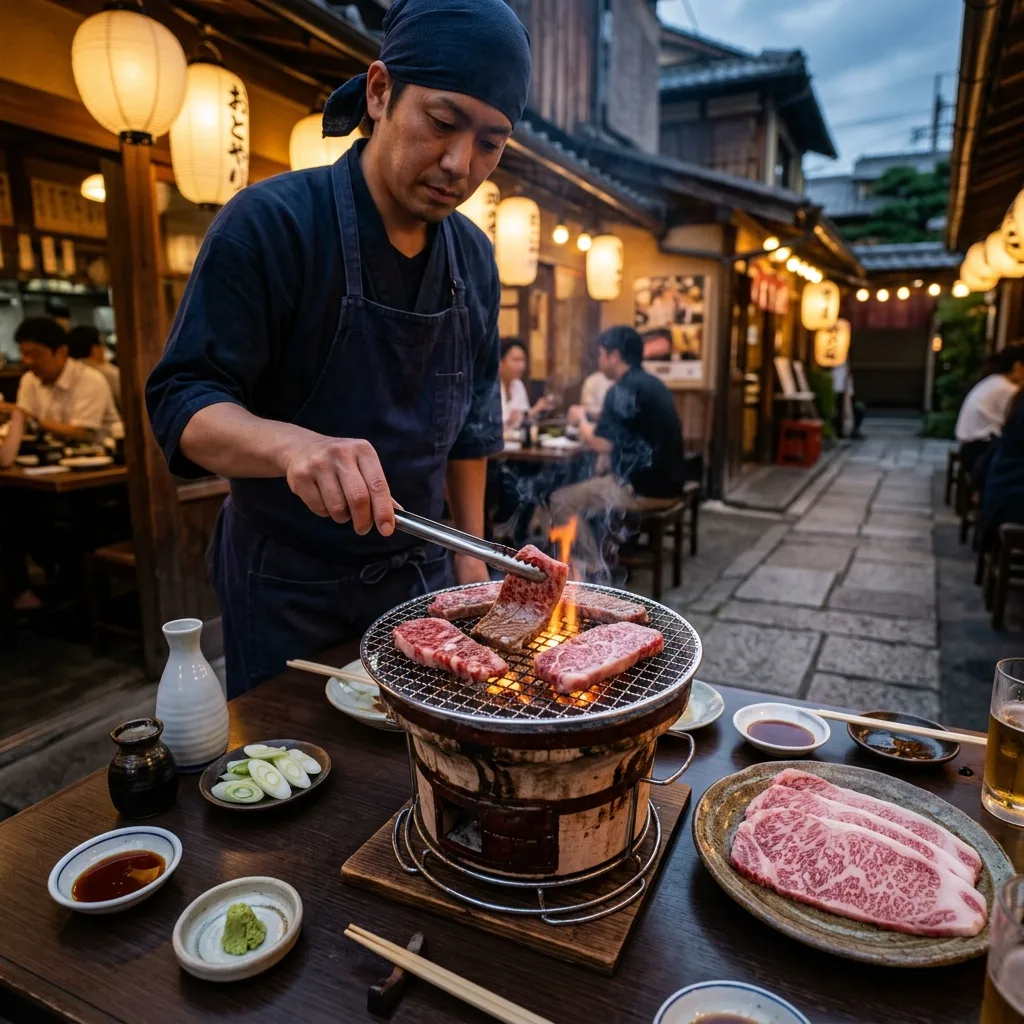
Planning a wagyu beef meal in Japan is easier when you know where value is hidden. The real challenge is usually not finding wagyu at all, but choosing the right format, the right time of day, and the right restaurant style so the experience feels special without wrecking the budget.
Introduction
Planning wagyu beef in Japan in Japan is rarely difficult because of a single major obstacle. The real problem is usually a collection of smaller decisions: when to go, how to book, what the local etiquette expects, and how to keep the trip from becoming more expensive or stressful than it needs to be. That is why a practical guide helps more than a checklist of trivia.
This article keeps the focus on the choices that matter to a traveler on the ground. Along the way, I have connected it to a few useful nearby reads such as Japan Accommodation Guide: Capsule Hotels, Ryokan & Budget Hostels, Street Food in Japan: Takoyaki, Crepes & Convenience Store Gems, and Best Day Trips from Tokyo: Nikko, Kamakura, Hakone & More so you can move from one part of the trip to the next without guessing your way through the site.
Primary Topic Section
Think about cut, cooking style, and setting before you think about price is the part of wagyu beef in Japan that most visitors notice first, but the useful lesson is what it changes in real life. For travelers, that usually means a small adjustment in tone, timing, price expectations, or the way you ask a question.
Rather than fixating strictly on A5 marbling, consider how the beef will be prepared. High-BMS (Beef Marbling Standard) cuts are intensely rich and best enjoyed in small, delicate servings like nigiri, sukiyaki, or thinly sliced shabu-shabu, whereas leaner cuts like tenderloin (chateaubriand) or rump excel when pan-seared over charcoal with fresh grated wasabi.
Matching the cooking technique to the cut ensures you experience both tenderness and genuine beef flavor. A heavy ribeye can overwhelm the palate if eaten as a thick Western-style steak, but flash-grilled over high-heat binchotan charcoal for just three seconds per side, it yields a luxurious, melt-in-the-mouth sensation without heavy grease.
Lunch sets and fixed menus usually deliver the best value is the part of wagyu beef in Japan that most visitors notice first, but the useful lesson is what it changes in real life. For travelers, that usually means a small adjustment in tone, timing, price expectations, or the way you ask a question.
Department store dining floors (depachika) in Ginza, Shinjuku, or Osaka Umeda often feature lunch teishoku sets from reputable steakhouses starting around 3,500 to 6,500 JPY. These sets typically include steamed rice, red miso soup, seasonal pickled vegetables, and 120 to 150 grams of Japanese black cattle beef (Kuroge Washu), delivering an authentic tasting at a fraction of dinner pricing.
Ordering lunch also avoids the seating fees (otoushi) and mandatory drink minimums that many upscale Japanese venues enforce during dinner service. Arriving between 11:15 AM and 11:45 AM lets you secure a counter seat without waiting in lengthy queues alongside corporate professionals taking their midday break.
Yakiniku, teppanyaki, and steakhouse formats feel very different is the part of wagyu beef in Japan that most visitors notice first, but the useful lesson is what it changes in real life. For travelers, that usually means a small adjustment in tone, timing, price expectations, or the way you ask a question.
Yakiniku lets diners control grill heat and pacing at tabletop grates, making it a lively, social, and customizable meal. Teppanyaki offers culinary theater where a dedicated master chef sears your chosen cuts right before your eyes alongside caramelized garlic chips and seasonal mountain vegetables. In contrast, traditional steakhouses focus on aged cuts rested carefully and served on sizzling cast-iron platters.
Choosing the right format depends on the mood of your travel group. Solo travelers and couples often enjoy the immersive chef interaction of a counter teppanyaki, whereas families or groups of friends thrive in the relaxed, shareable atmosphere of a smokeless tabletop yakiniku grill.
Rich beef is more filling than it looks is the part of wagyu beef in Japan that most visitors notice first, but the useful lesson is what it changes in real life. For travelers, that usually means a small adjustment in tone, timing, price expectations, or the way you ask a question.
Because authentic Japanese wagyu contains exceptionally high levels of monounsaturated oleic acid, its fat melts at temperatures below human body heat. While this creates an unmistakable silky texture on the tongue, eating more than 150 to 200 grams in a single sitting frequently leads to sudden palate fatigue and feelings of heaviness.
To keep each bite refreshing, traditional restaurants serve wagyu with acidic and pungent condiments. Alternating mouthfuls with grated daikon radish in citrus ponzu (oroshi ponzu), fresh ground wasabi, Himalayan pink rock salt, or crisp cabbage salad cleanses the palate and allows you to enjoy premium cuts right through to the final bite.
Secondary Topic Section
Booking matters in busy cities is the part of wagyu beef in Japan that most visitors notice first, but the useful lesson is what it changes in real life. For travelers, that usually means a small adjustment in tone, timing, price expectations, or the way you ask a question.
Renowned yakiniku parlors and boutique teppanyaki counters in Tokyo and Kyoto often release booking slots 30 to 60 days in advance via platforms like TableCheck, Omakase, or Pocket Concierge. High-demand venues with Michelin recognition or cult domestic followings fill up within minutes of calendar openings.
If you did not reserve weeks ahead, you still have excellent options. Many high-end establishments keep walk-in counter spots available for the very first lunch seating, or offer flexible cancellations if you check availability mid-afternoon. Alternatively, your hotel concierge can often arrange reservations at neighborhood gems that do not maintain multilingual websites.
Ask staff how they recommend ordering and timing the cuts is the part of wagyu beef in Japan that most visitors notice first, but the useful lesson is what it changes in real life. For travelers, that usually means a small adjustment in tone, timing, price expectations, or the way you ask a question.
When dining at a specialty yakiniku restaurant, ask the server for the omakase moriawase (chef-selected tasting platter) or follow traditional course pacing. Experienced grill masters recommend starting with lighter, leaner cuts like beef tongue (gyutan) seasoned simply with salt and fresh lemon juice, before moving on to marbled red meats like rosu (loin).
Save heavily marbled cuts such as kalbi (short rib) and tare-glazed marinated meats for the second half of the meal. Ending with a small bowl of cold noodles (reimen) or beef tendon soup helps soothe digestion, ensuring the progression of flavors builds naturally rather than overwhelming your taste buds early.
Lunch wagyu sets are usually the easiest way to try good beef without committing to a full splurge is the part of wagyu beef in Japan that most visitors notice first, but the useful lesson is what it changes in real life. For travelers, that usually means a small adjustment in tone, timing, price expectations, or the way you ask a question.
First-time visitors often find lunchtime wagyu donburi (rice bowls crowned with thinly seared beef slices, scallions, and a soft-poached onsen egg) an ideal entry point. Priced between 2,500 and 4,500 JPY, these bowls showcase premium beef texture with comforting starch and savory tare sauce.
These lunch bowls are especially common near historic markets such as Tokyo's Tsukiji Outer Market or Kyoto's Nishiki Market. They provide high culinary satisfaction in a fast, 30-minute dining window, leaving the rest of your afternoon completely free for sightseeing and neighborhood exploration.
Yakiniku lets you compare several cuts side by side, which makes the meal feel more educational and more forgiving is the part of wagyu beef in Japan that most visitors notice first, but the useful lesson is what it changes in real life. For travelers, that usually means a small adjustment in tone, timing, price expectations, or the way you ask a question.
Ordering a multi-cut yakiniku platter provides an educational masterclass in Japanese butchery. Comparing cuts like misuji (top blade), ichibo (rump cap), and zabuton (chuck flap) side by side lets you observe how different grain structures, fat distributions, and muscle fibers produce distinctly unique textures.
Take note of how each cut reacts to the flame: a lean slice needs only a few seconds per side to stay tender, whereas a well-marbled chuck flap requires slightly longer over indirect heat to render its internal fats into sweet, fragrant juices without charring the exterior.
Practical Guide
A good practical plan for wagyu beef in Japan starts with the parts that affect cost, timing, and convenience. In Japan, that usually means deciding whether the experience works better as a same-day outing, a half-day visit, or a booking that is tied to a larger itinerary.
- Look for lunch menus first if you want the best value, because many restaurants price the same quality lower before dinner service.
- If you want a more ceremonial meal, book a small steakhouse or teppanyaki counter and expect the experience to be slower and more structured.
- Do not judge the restaurant only by photos; ask whether the menu uses Japanese beef, wagyu from a specific prefecture, or a mixed beef program.
- If you are planning a broader Japan food day, combine wagyu with a neighborhood walk, market stop, or casual snack so the spending feels balanced.
To keep a wagyu meal cost-effective, book during weekday lunch hours when steakhouses and yakiniku spots offer set teishoku menus using the same premium A4 and A5 cuts at 40% to 50% below dinner prices. Aim to reserve dinner counters at least two to four weeks ahead through hotel concierges or official online booking pages, while casual lunch counters in districts like Ginza or Shinjuku can often be joined by arriving fifteen minutes before open.
Tips & Common Mistakes
The easiest mistakes around wagyu beef in Japan usually come from assuming the rules are either stricter or looser than they really are. In practice, the gap is usually somewhere in between: local expectations are real, but they are often straightforward once you slow down and watch what people actually do.
- Do not assume every expensive steak is automatically the best wagyu experience for a traveler.
- If a set menu feels too large, ask for a smaller portion or a lunch course instead of forcing a bigger order.
When ordering at a yakiniku or teppanyaki counter, avoid ordering multiple 200-gram portions of pure A5 sirloin or ribeye at once. The intense marbling means four to six slices (around 80 to 120 grams per diner) paired with rice, grilled vegetables, and lean cuts like ichibo (rump) or shinshin (knuckle) create a satisfying meal without palate fatigue or an inflated bill.
FAQ
Is lunch enough for a first wagyu meal?
Yes. For many travelers, lunch is the smartest starting point because it gives you high-quality beef at a lower price, with less pressure than a full dinner course.
How much should I budget?
Budget by the format, not only by the cut. A casual lunch can be surprisingly reasonable, while a counter service or premium steakhouse can climb quickly once drinks and sides are added.
Do I need to book ahead?
For famous city restaurants, yes. If you are targeting a specific place or a dinner window, a reservation is usually worth it; for casual lunch service, you may have more flexibility.
How do I choose a good restaurant?
Start with the cooking style you actually want. The right place for a leisurely steak course is not always the right place for a quick yakiniku tasting, so choose the format before you choose the neighborhood.
Conclusion
The best way to approach wagyu beef in Japan is to treat it as a set of small decisions that all work together: timing, etiquette, booking, budget, and how much flexibility you leave in the day. If you want to keep planning, the most useful next reads are Japan Accommodation Guide: Capsule Hotels, Ryokan & Budget Hostels, Street Food in Japan: Takoyaki, Crepes & Convenience Store Gems, and Best Day Trips from Tokyo: Nikko, Kamakura, Hakone & More, because they help turn this guide into a complete itinerary instead of an isolated decision.
Grade labels and cut names matter, but so does how the restaurant handles the cooking and pacing of the meal is the part of wagyu beef in Japan that most visitors notice first, but the useful lesson is what it changes in real life. For travelers, that usually means a small adjustment in tone, timing, price expectations, or the way you ask a question.
While an A5 certification confirms top yield and marbling grade, regional brand heritage (such as Matsusaka, Omi, Kobe, or Miyazaki) reflects specific cattle breeding standards, pristine mountain water sources, and artisan feeding regimens. In fact, many seasoned Japanese food lovers prefer A4 grade wagyu because its slightly lower fat-to-meat ratio allows a deeper, more robust beef flavor to shine through.
Do not dismiss regional black cattle simply because they lack the international fame of Kobe beef. Tasting Sendai wagyu in Miyagi or Bungo beef in Oita often delivers world-class marbling, sweeter aroma, and superior tenderness at thirty to forty percent lower cost.
A strong wagyu day works best when it is paired with the rest of the itinerary instead of treated as a budget outlier is the part of wagyu beef in Japan that most visitors notice first, but the useful lesson is what it changes in real life. For travelers, that usually means a small adjustment in tone, timing, price expectations, or the way you ask a question.
Plan decadent wagyu meals on itinerary days packed with active walking, such as exploring sprawling garden complexes, wandering temple districts, or shopping along extensive pedestrian avenues. Physical activity helps balance calorie intake and prevents the post-meal sluggishness that can accompany rich beef courses.
Complementing a splurge meal with lightweight meals throughout the rest of the day—such as seasonal fruit and onigiri from a convenience store for breakfast, followed by an evening stroll—keeps your daily travel budget well-calibrated while preserving high anticipation for your meal.
Additional Notes
A useful final lens for wagyu beef in Japan is that the experience becomes much easier once you stop treating it as a single decision and start treating it as a sequence. When you know what the next conversation, booking step, or arrival detail is supposed to do, you can move through the day with less friction and fewer surprises.
Pacing your meal order and checking service charges in advance keeps high-end dining transparent. Upscale teppanyaki venues often add an otoshi (table seating appetizer fee) of 500 to 1,000 yen and a 10% late-evening service charge. Verifying whether your selected course includes rice, soup, and dessert prevents unexpected add-ons from inflating the final total.