One-Day Korean Food Tour + Cooking Combo: Best Packages in Seoul

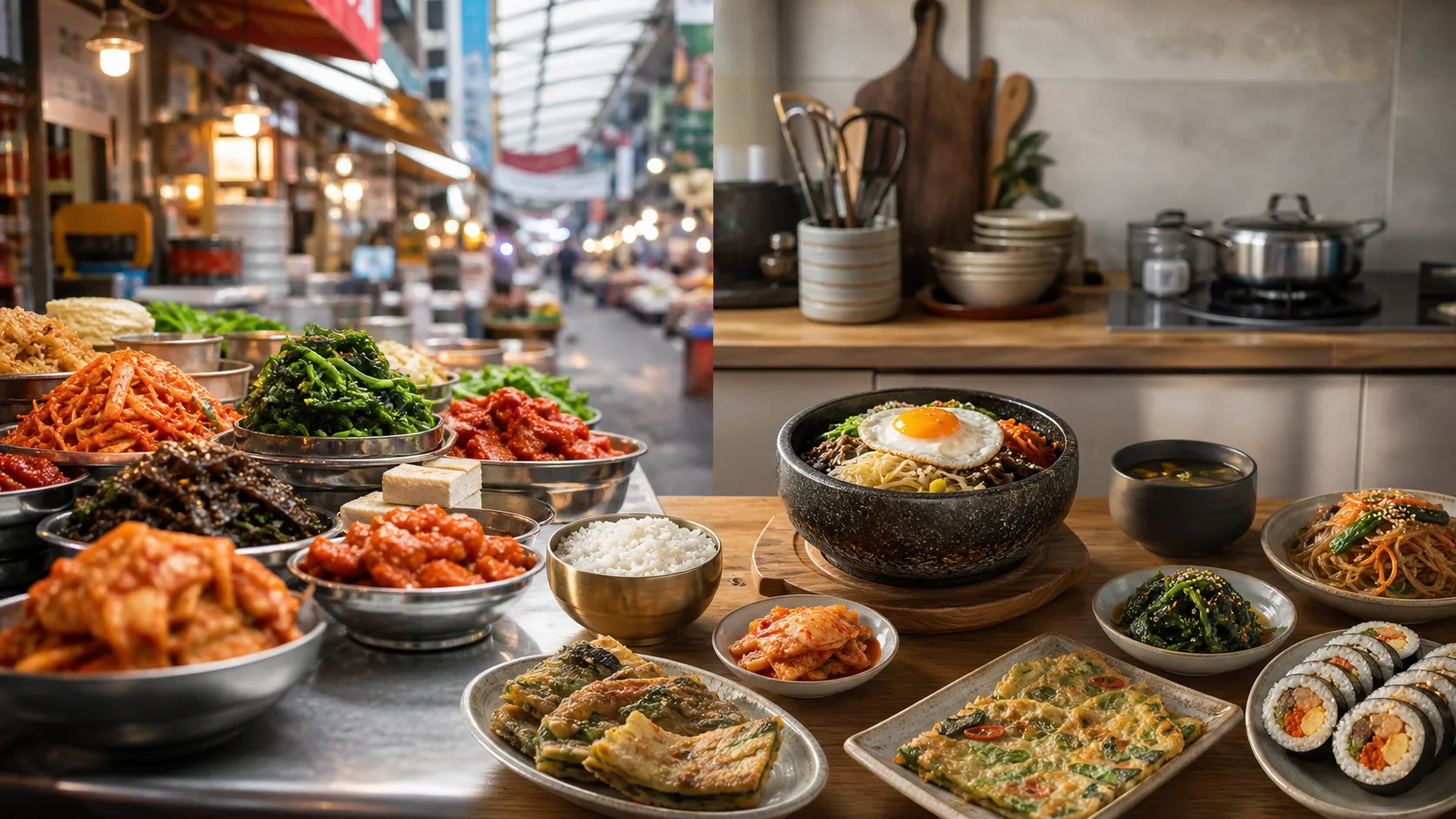
If you only have one day in Seoul and want a food experience that feels memorable rather than rushed, the smartest move is to combine a street-food or market tasting tour with a hands-on cooking class. That pairing gives you both sides of Korean cuisine: the fast, noisy, snack-driven city side and the slower, more instructive home-cooking side.
Why a One-Day Food Tour + Cooking Combo Works in Seoul
The best one-day food combo in Seoul is not just a sequence of activities. It is a complete food story: you taste what locals actually eat on the street, learn the ingredients behind those flavors, and then leave with a dish you can recreate after the trip. For first-time visitors, that makes the day feel organized, efficient, and surprisingly personal.
A well-designed combo solves a common travel problem. Many visitors want to try Korean food beyond the obvious restaurant meals, but they do not have the time to wander through markets, book a separate cooking class, and figure out transportation between neighborhoods. A combo package trims the planning overhead and puts the most useful experiences into one day.
It also works because Seoul is built for it. Traditional food neighborhoods, busy markets, and cooking studios are spread across accessible districts rather than hidden in one tourist zone. That means a morning tasting walk, a lunch-class transition, and an afternoon class can fit naturally into a single itinerary without wasting time on long transfers.
If you are still comparing whether a class-only trip is enough, start with Korean Cooking Classes: Where to Learn to Cook Like a Local. If you are planning a broader itinerary and want to know where this experience fits into a larger Seoul visit, the The Ultimate 10-Day South Korea Itinerary for First-Timers gives useful trip context.
What the Best Packages Usually Include
Most strong one-day combo packages in Seoul include three layers:
- A guided tasting or market walk.
- A short food history or ingredient explanation.
- A hands-on cooking session with a dish you can reasonably make again at home.
The better packages do not overload you with too many stops. They usually focus on one market, one neighborhood, and one cooking theme. That is important because the quality of the day depends less on the number of dishes and more on the pacing. A good guide gives you enough context to understand what you are eating without turning the tour into a lecture.
Who This Kind of Day Is Best For
This format is ideal for:
- First-time visitors who want a structured introduction to Korean food.
- Couples or friends who want a shared activity that is not physically demanding.
- Solo travelers who want a social but low-pressure experience.
- Travelers who prefer food experiences to shopping-heavy sightseeing.
- Visitors who want one high-value day instead of several small, separate bookings.
It is less ideal if you want a full culinary deep dive into fermentation, market sourcing, knife skills, and multi-course plated cooking in a single day. In that case, you may be happier splitting the experience across two separate sessions.
Street Food, Home Cooking, or Both
The combo can lean in different directions depending on the traveler and the provider:
- Street-food-first packages emphasize browsing, sampling, and quick bites.
- Market-to-kitchen packages focus on ingredients, shopping, and then cooking.
- Chef-led classes emphasize technique and plated presentation.
- Home-style classes emphasize simple dishes you can recreate easily.
For most visitors, the strongest version is market plus cooking. Street food is useful because it gives you instant flavor context, while the class makes the cuisine feel tangible. If you want to understand how those street-food flavors fit into the larger food landscape, the The Ultimate Korean Street Food Guide: Tteokbokki to Tornado Potato is a helpful companion read.
How to Choose the Right Package in Seoul
The phrase “best package” is misleading unless you define what you want from the day. In Seoul, a package can be excellent for one traveler and disappointing for another. The right choice depends on your schedule, your appetite, your comfort with group tours, and how much cooking instruction you actually want.
1. Choose the Experience by Your Main Goal
If your main goal is tasting, choose a food tour that ends with a light hands-on component. You will get more neighborhood variety and a stronger sense of what people eat outside the restaurant context.
If your main goal is learning, choose a class with a market stop or a grocery-style introduction before the cooking begins. That is the best way to understand ingredients such as gochujang, doenjang, sesame oil, soy sauce, Korean scallions, and the different forms of rice and noodles used in everyday dishes.
If your main goal is social content or a memorable travel activity, choose a shorter package with a polished structure. These often photograph well, are easy to book, and avoid the fatigue that can happen in longer food marathons.
2. Pay Attention to Location
In Seoul, location matters more than many first-time travelers expect. A package near Insadong, Jongno, or Euljiro can feel very different from one in Hongdae, Itaewon, or Gangnam.
- Jongno and Insadong are stronger for traditional food culture, markets, and easy access to older neighborhoods.
- Hongdae can be better for energetic, younger, more casual food settings.
- Itaewon often has more international accessibility and mixed food styles.
- Gangnam may skew more polished and premium.
The right district changes the tone of the day. If you want the experience to feel connected to old Seoul, lean toward neighborhoods with markets and older street grids. If you want a convenient, polished, and easy-to-reach day, choose a central transit hub with strong subway access.
3. Decide How Much Walking You Actually Want
Some packages are mostly seated and teacher-led. Others involve a fair amount of standing, market walking, and neighborhood navigation. Neither is better in the abstract.
Choose a lighter package if:
- You are traveling with older family members.
- You are on a tight arrival day or departure day.
- You want a relaxed activity between museums or shopping.
- You prefer not to spend half the day in motion.
Choose a more active package if:
- You want to see ingredients in the market before cooking.
- You enjoy walking tours and food history.
- You want to cover more than one neighborhood.
- You are trying to maximize experience density in a short visit.
4. Check the Class Size
Class size changes the experience dramatically. A small group gives you more hands-on time, more questions answered, and a better chance to remember the recipe later. Larger groups can still be enjoyable, but they often reduce the time you spend actively cooking and increase the time you spend watching.
If the listing does not clearly state class size, assume that a lower price may mean a larger group or a simpler format. If the package includes a premium tasting component, private instruction, or a professional chef, expect a higher price and less flexibility on scheduling.
5. Consider Dietary Needs Before Booking
Korean food is incredibly flexible in practice, but not every package is equally friendly to every diet. Before booking, check whether the class can accommodate:
- Vegetarian or vegan requests.
- No shellfish or seafood.
- No pork.
- Halal-friendly ingredient substitutions.
- Gluten sensitivity.
- Allergies to sesame, soy, or egg.
Some classes can adapt easily; others are designed around a fixed menu and cannot swap ingredients at the last minute. If the listing is vague, message the operator before booking. A good experience provider should be able to tell you whether a substitution is realistic or whether the package is better left alone.
6. Match the Meal to the Time of Day
The time slot should shape your expectations. A morning market tour plus cooking class often feels fresher and more educational. A late-afternoon or evening package may feel more atmospheric and social, but it can also be less efficient if you have already filled the day.
Morning is best if:
- You want to avoid feeling too full.
- You want to pair the package with other sightseeing.
- You prefer a focused, efficient schedule.
Afternoon is best if:
- You want a slower start.
- You are arriving in Seoul that day and need a gentle activity.
- You want the food tour to flow into dinner plans.
Practical Guide: Prices, Timing, and Booking in 2026
Live booking systems change constantly, so the most responsible way to think about Seoul food-tour combos in 2026 is to treat prices and availability as dynamic rather than fixed. Expect the final price to depend on the itinerary length, the number of tastings, the class size, whether a market guide is included, and whether the package uses a premium private studio or a shared kitchen.
What You Should Expect to Pay
For most travelers, one-day food tour and cooking combos in Seoul will usually fall into three pricing bands:
- Budget-friendly group experiences with limited food stops and a simple class format.
- Mid-range packages with a better guide, better pacing, and a more complete meal.
- Premium or private experiences with more personal instruction, higher-end tastings, or more exclusive neighborhoods.
The important point is not the exact sticker price. It is the value per hour. A cheaper package can become expensive if it wastes time, skims over the market portion, or leaves you feeling like you mostly watched other people cook. A mid-range package is often the sweet spot because it balances depth, convenience, and strong instruction.
How Long a Good Combo Day Takes
Most well-paced combo packages take about half a day to a full day, depending on how much food is included. The shortest ones may only last a few hours and focus on a single culinary theme. The most complete versions can run long enough that you should not schedule them directly before a long intercity train, a red-eye departure, or another high-energy sightseeing block.
As a rule:
- 2 to 3 hours is enough for a focused tasting plus a short class.
- 4 to 5 hours works well for a market visit plus cooking.
- 6 hours or more is better if the package includes multiple tastings, transit, and a more leisurely pace.
When in doubt, add buffer time. Food experiences often run slightly longer than advertised because questions, shopping, and eating always take more time than people expect.
Booking Rules to Check Before You Pay
Before finalizing a booking, verify the following:
- Cancellation deadline.
- Minimum and maximum group size.
- Language offered by the host.
- Age restrictions for children.
- Whether ingredients, apron, and recipe cards are included.
- Whether the package includes transportation or only a meeting point.
- Whether taxes, service fees, and booking fees are already included.
This matters because some listings look cheaper at first glance but become less attractive once fees, transfers, and optional add-ons are included. A transparent listing should make it easy to see what is covered and what is not.
Where to Book
For most travelers, the easiest booking path is usually one of three options:
- A major travel marketplace such as Klook.
- A local marketplace such as MyRealTrip.
- The operator’s own website or studio booking page.
Marketplace bookings are convenient because they let you compare reviews, start times, and cancellation policies quickly. Direct bookings can be better when you want a private session, a special menu, or a more flexible schedule. If you are traveling during a busy period, compare at least two options before paying so you know whether you are seeing a fair market price.
How to Get There
The easiest packages are usually near a subway station or in a neighborhood where you can transfer once and walk a short distance. In Seoul, that matters because even a technically “central” location can still require a little navigation through alleys, basement levels, or mixed-use buildings.
Good transit planning saves energy for the experience itself. Before you leave your hotel:
- Download the meeting point in both English and Korean if possible.
- Check whether the studio is above ground, below ground, or inside a complex.
- Leave a buffer for elevator delays and platform transfers.
- If you are taking a taxi, confirm the pin and building entrance.
If a package starts near a traditional market, arrive a little early. These areas can be busy, and a five-minute delay can be enough to make you feel rushed before the tour has even begun.
What a Strong Itinerary Looks Like
A well-structured day often looks like this:
- Meet the guide near a transit-accessible neighborhood.
- Walk through a market or food district.
- Taste two to four representative snacks or dishes.
- Move to a kitchen or studio.
- Cook one or two dishes with clear instruction.
- Sit down to eat what you made.
- Leave with a recipe or a short list of ingredients to buy later.
That format works because it turns tasting into understanding. You do not just consume the flavors; you connect them to ingredients, methods, and place.
Tips & Common Mistakes
The biggest mistake travelers make is assuming that all food tours are basically the same. In Seoul, the difference between a strong package and a mediocre one is usually not the food itself. It is the pacing, the clarity of the instruction, and how well the experience fits your travel day.
Do Not Book Too Late in the Day If You Want More of Seoul
A late booking can be pleasant, but it can also leave you too full or too tired to do anything else afterward. If you want the food combo to be the main event of the day, book it earlier and leave the rest of the schedule flexible. That way, you can follow it with a neighborhood walk, a café stop, or a low-effort palace visit rather than forcing yourself into another major activity.
Do Not Choose the Cheapest Listing Automatically
The cheapest package is often the one with the shortest tasting, the largest group, or the least engaging teaching style. If the difference between two listings is small, pay for the one with better reviews, a clearer menu, and a stronger cancellation policy. Food experiences are memory purchases, not just logistics purchases, so the marginal upgrade is usually worth it.
Do Not Ignore the Menu
Some packages sound ideal until you realize the menu is too basic, too repetitive, or too far from the dishes you actually want to learn. Before booking, check whether the class includes something that feels distinctly Korean to you, not just a generic “Asian cooking” sequence.
If the menu is too broad or too watered down, keep looking. Seoul has enough options that you should not settle for a package that feels like it was designed to offend nobody.
Combine the Day With the Right Surrounding Activities
A food tour and cooking class pairs well with a slow cultural morning or a relaxed afternoon. It does not pair as well with a jammed schedule full of museum-hopping, long-distance shopping, and multiple reservations.
If you want a more complete first-timer structure, think in terms of one anchor experience plus one or two light add-ons. For example, a food day plus a palace visit or a neighborhood stroll is usually more enjoyable than stacking three major experiences together.
Bring the Right Expectations
This is not a fine-dining tasting menu and it is not a culinary certification course. It is a travel experience. The best version gives you enough technique to feel accomplished, enough tasting to feel indulged, and enough local context to feel like you learned something useful.
If you enter with that mindset, the day usually lands very well.
FAQ
Is a one-day Korean food tour + cooking combo worth it in Seoul?
Yes, especially if you only have a short stay or you want one food-focused day that feels more memorable than restaurant hopping. The combo is efficient because it gives you both context and participation. You taste Korean food in the city where it is lived, then you learn how to make part of it yourself.
Should I choose a market tour or a cooking class first?
In most cases, market or tasting first is the better order. It gives you flavor context before you cook. Once you have tasted the ingredients in a real setting, the class makes more sense and feels less abstract.
How much walking is involved?
It varies by package. Some are almost entirely classroom-based, while others involve substantial market walking and neighborhood movement. If you are concerned about pace, look for listings that explicitly describe the walking duration and the total distance covered.
Can beginners handle these classes?
Absolutely. The best Seoul classes are designed for travelers, not professional cooks. If a class requires advanced knife skills or assumes deep prior knowledge, it is usually not the right fit for a general travel audience.
Are these experiences good for solo travelers?
Yes. In fact, solo travelers often benefit the most because the package removes the burden of planning and gives them a social experience without needing to assemble a group. Smaller classes are especially good for solo visitors who want more interaction.
Should I book a food combo before arriving in Korea?
If your trip is during a busy season, yes. Booking ahead gives you better time slots and more choice. If your schedule is flexible, you can sometimes book closer to the date, but you may have fewer options for popular neighborhoods or smaller class sizes.
What if I want something more immersive than a single day?
Then split the experience. Book one day for food tasting and another for a deeper cooking class or market visit. That gives you room to enjoy each part instead of compressing everything into a single long afternoon.
Conclusion
A one-day Korean food tour plus cooking combo is one of the best short-trip experiences you can book in Seoul because it does three jobs at once: it teaches you, feeds you, and gives you a clear sense of place. The strongest packages are not necessarily the most expensive ones; they are the ones with thoughtful pacing, clear neighborhood focus, and a menu that feels connected to real Korean eating habits.
If you want the most value, choose a package that balances market context with hands-on cooking, checks the practical boxes on language and cancellation policy, and fits your energy level for the day. That approach gives you a richer memory than a casual snack crawl, and it leaves you with a dish, a story, and a useful understanding of how Korean food works in everyday life.
For more planning context, combine this guide with the itinerary and street-food resources already linked above so you can decide whether your best day in Seoul should be tasting-only, cooking-only, or a combination of both.