Odaiba DiverCity and Gundam Statue: Pop Culture Landmark Guide

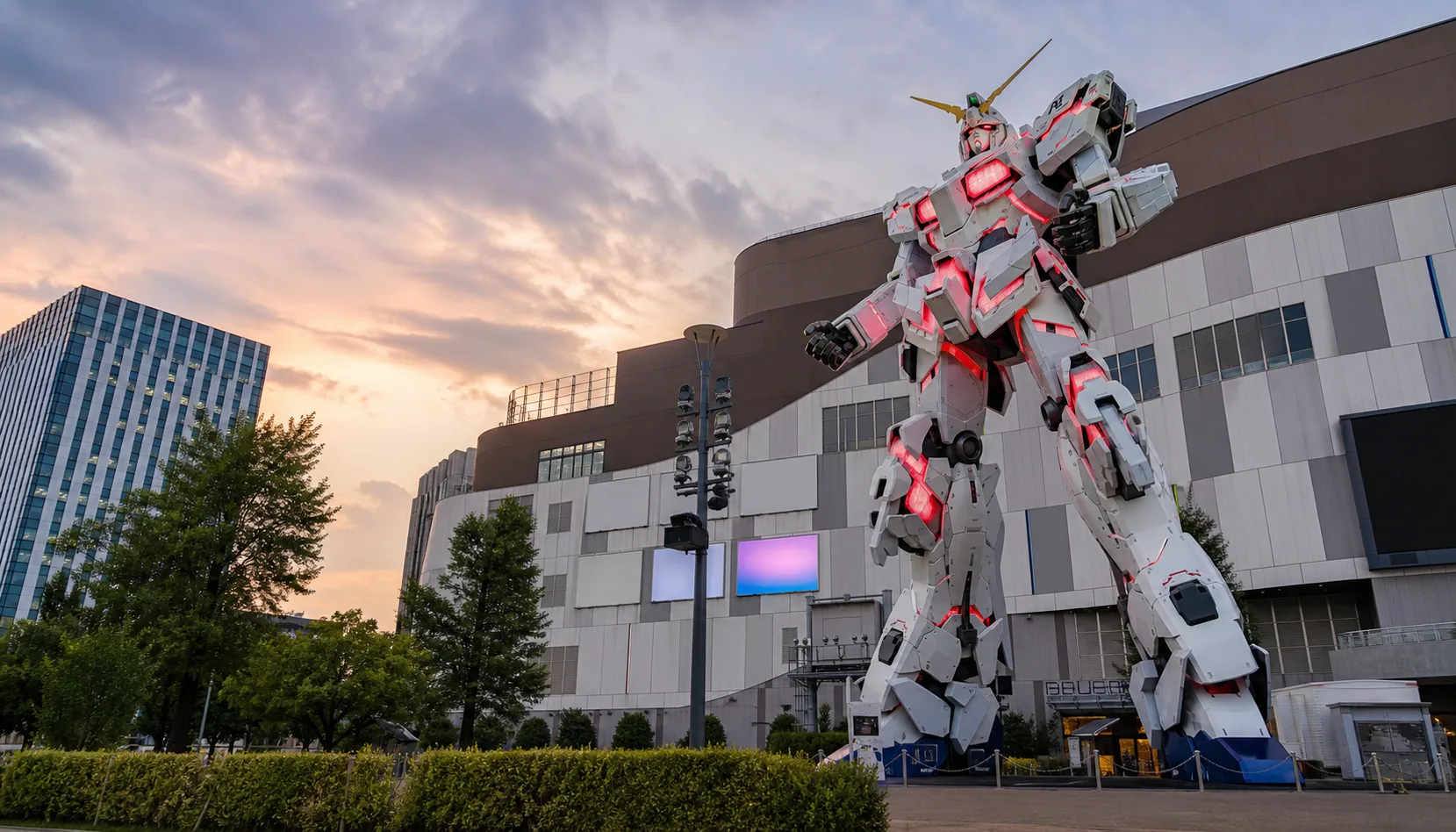
Tokyo has no shortage of places that combine fandom, retail, and spectacle, but Odaiba DiverCity is one of the few that manages to feel like a destination rather than just another shopping stop. The life-size Gundam outside the mall is the obvious draw, but the bigger win is how easy the area is to fit into a Tokyo day if you know what you are doing. This guide shows you how to see the statue, what DiverCity is actually useful for, and how to avoid wasting time on an aimless waterfront detour.
Introduction
If you are building a Tokyo itinerary around pop culture, Odaiba is the kind of stop that rewards a little planning. It is not a difficult place to visit, but it is easy to underuse it. Many first-time visitors arrive because they want a photo with the Gundam statue, then leave before they realize that DiverCity is a decent weather-proof backup, a solid shopping mall, and a practical place to slow down after a busy morning elsewhere in the city.
For the bigger Japan logistics picture, the Japan Travel Planning: Visa, IC Card, Rail Pass & Essential Logistics Guide is the right place to start if you still need to sort transit cards, intercity rail planning, or entry requirements. If Odaiba is part of a wider Tokyo stay, the Ultimate Tokyo Travel Guide 2026: Everything First-Timers Need to Know helps you place the neighborhood in a sensible route. And if you are building a broader fandom itinerary, the Anime Travel in Japan: Akihabara, Studio Ghibli & Pop Culture Guide connects Odaiba to the larger anime-travel map.
The basic appeal is simple. You get a famous full-scale Gundam, a mall with enough food and indoor attractions to fill a few hours, and a waterfront area that feels different from central Tokyo without requiring a complicated excursion. That makes it useful for families, solo travelers, anime fans, casual shoppers, and anyone who wants one strong visual landmark without committing to a full theme-park day.
Why Odaiba DiverCity Works So Well
Odaiba is one of Tokyo's most straightforward "see one thing, do a few more things, and leave happy" neighborhoods. It is not trying to be all things to all travelers. The appeal is focused: a giant robot outside a mall, easy access by rail, and enough retail and food inside the building to make the stop practical even if the weather turns.
What this stop is best for
Most people come to DiverCity for one of four reasons:
- They want the Gundam statue photo and the transformation show.
- They want a low-friction anime or hobby shopping stop.
- They need a dependable indoor backup for a rainy or very hot Tokyo day.
- They are pairing Odaiba with nearby waterfront sights and want one compact base.
That combination is stronger than it sounds. A lot of tourist attractions either give you a landmark with nothing else around it or a mall with no reason to linger. DiverCity does both at once, which is why it works as a stop on a full-day Tokyo route instead of just a quick novelty visit.
What this stop is not
Odaiba is not the right place if you want an old-Tokyo streetscape, a quiet neighborhood stroll, or a highly local food crawl. It is commercial, built-up, and purposefully designed for visitors. That is not a flaw; it is just the operating logic of the place. If you come expecting atmosphere in the traditional neighborhood sense, you may miss the point.
The better approach is to treat Odaiba as a planned contrast. Spend your morning in a denser part of Tokyo, then shift here when you want wider walkways, bigger sightlines, and a visual change of pace. It is especially useful if you have already spent time in districts like Shibuya, Shinjuku, or Akihabara and want a cleaner, more open environment.
Who should prioritize it
Odaiba is worth prioritizing if any of these are true:
- You care about Gundam or mecha culture.
- You want one easy, recognizable Tokyo photo stop.
- You are traveling with someone who likes shopping but does not want to commit to a full anime crawl.
- You need a place where you can eat, sit, browse, and recover from a busy city day.
If you are a very committed anime traveler, this is not a substitute for Akihabara. It is a complementary stop. If you are a casual traveler, though, it can feel more efficient than diving straight into the dense retail maze of central anime districts.
The Gundam Statue Up Close
The statue outside DiverCity is the core reason most people come here, and for good reason. It is a full-scale, highly photogenic landmark that feels more cinematic in person than it does in preview photos. Even if you are not a lifelong Gundam fan, it is hard not to appreciate the scale and engineering of the thing once you are standing beneath it.
What you are actually looking at
The statue outside DiverCity is the RX-0 Unicorn Gundam. It is not a generic robot or a static character model; it is tied to Mobile Suit Gundam Unicorn, which gives the site a specific identity rather than just a branding exercise. The attraction works because it is both fan-service and public spectacle. The statue is instantly legible to fans, but it is also impressive to anyone who likes large objects that move, light up, and dominate a plaza.
The most useful mental model is this: you are not visiting a museum exhibit hidden behind ticket gates. You are visiting a public landmark that happens to be tied to one of Japan's most influential pop-culture franchises. That means the experience is casual, accessible, and easy to slot into a broader Tokyo walk.
Why the transformation matters
The statue is famous not just because it is large, but because it has a transformation sequence. That makes the visit feel active instead of purely photographic. If you only arrive, snap one photo, and leave, you are missing the part that gives the site its personality.
When the statue shifts into its illuminated or transformed presentation, the plaza becomes much more than a backdrop. People stop, gather, watch, and react together. That shared pause is one of the reasons Odaiba feels memorable even for travelers who are not deep into the franchise. The show gives the place a pulse.
Best times to see it
The statue is easiest to appreciate when you give it enough time and the right light. Midday is convenient if you are already in the area, but late afternoon and early evening usually produce a better combination of photo conditions and atmosphere. If you can linger into the lighting period, you will get more value from the stop than you would from a rushed daytime pass.
If you care about photography, try to arrive with enough flexibility to shoot from different angles:
- Straight on for the full scale.
- Slightly off to one side for depth.
- Wider shots that include the plaza and DiverCity facade.
- Closer detail shots if you want to emphasize the design rather than the whole figure.
The common mistake is standing too close and trying to capture the entire statue in one vertical frame. That often flattens the image and makes the proportions harder to read. A few steps back usually improve the result immediately.
Why even non-fans should care
You do not need to know the series to appreciate the statue. It is still a rare example of a public landmark that is playful without being trivial. It feels precise, expensive, and slightly surreal in a way that suits Tokyo well. If you enjoy architecture, industrial design, or public art, the Gundam works as more than just fan content.
That said, fans will get more out of the site. The relation to Mobile Suit Gundam Unicorn gives the statue a layer of narrative meaning, and the surrounding retail space turns the visit into a broader fandom experience rather than a one-off photo stop. For visitors who like planning themed travel, it fits nicely beside other anime stops on a Japan route.
DiverCity Tokyo Plaza Beyond the Statue
The mall itself matters more than people expect. A lot of visitors assume DiverCity is merely the building behind the statue. It is not. It is a functioning retail and dining stop that can absorb a rainy hour, a lunch break, or a shopping detour without feeling like a waste.
Why the mall is useful
DiverCity is useful because it solves the practical problem of what to do after you have seen the Gundam. If the weather is bad, you can go inside. If you are hungry, you can eat. If you want merchandise, browsing is easy. If you are with mixed-interest travelers, the mall gives different people something to do without splitting the group.
That flexibility is underrated. Many Tokyo attractions are either highly specific or highly weather-dependent. DiverCity gives you a convenient in-between option that is not glamorous, but is often exactly what a trip needs.
Gundam Base Tokyo and fandom shopping
One of the biggest reasons to go inside is the Gundam-related retail on the upper floors. For fans, this is where the stop shifts from photo opportunity to actual destination. Model kits, character goods, and franchise merchandise can make the visit feel more complete, especially if you want to bring home something that is more meaningful than a generic souvenir.
If you are new to Gundam shopping, keep expectations practical. Not everything is rare, and not everything is cheaper just because you are in Tokyo. The point is selection and atmosphere, not automatic bargains. It is still worth browsing because the store environment adds context to the statue outside. You can see how the franchise is packaged for fans in a real commercial setting.
Food, breaks, and weather insurance
The other benefit of the mall is food. A pop-culture stop becomes much more manageable when you know there is a reliable lunch or snack option nearby. You do not need a full restaurant plan to make Odaiba work, but you should assume you will want at least a short sit-down break if you are combining it with other Tokyo stops.
That matters most if you are traveling with children, older relatives, or anyone who gets tired quickly in crowded districts. Odaiba's more open feel can make the day easier, and the indoor mall means you are not forced to cut the visit short if the weather turns or if the waterfront wind is worse than expected.
The best way to use DiverCity in a Tokyo day
The strongest version of this stop is not "go there and stay forever." It is "build a sensible route and let DiverCity be the flexible middle." For example:
- Start your day in a denser part of Tokyo.
- Move to Odaiba for lunch and the Gundam stop.
- Leave room to continue to another area or return to your hotel for a break.
That pattern works because Odaiba is visually distinct without being logistically difficult. It gives you a useful change of pace without forcing a complicated transfer chain.
Practical Guide
The practical side of this visit is straightforward, but it still pays to plan the sequence. Odaiba is easier when you know how you are getting there, what you want to do first, and whether you need indoor time after the statue.
Hours, admission, and prices
The key money-saving fact is simple: the statue area is free to view. There is no admission fee for standing in the plaza, taking photos, or watching the exterior experience. That is part of why the landmark works so well for casual travelers. You can get a big visual payoff without buying a ticket.
For the mall itself, plan around normal retail operating hours and confirm the exact schedule on the day you go, because tenant hours can vary. As of 2026, the safest expectation is that you should treat DiverCity as a daytime-and-early-evening stop rather than a late-night destination. Restaurants may stay open later than retail floors, but the mall is not something you should casually assume will run on the same schedule every day.
If you are visiting the Gundam-related shops inside, check whether special events, limited drops, or crowd-management rules are in place. Those can change access patterns even when the mall itself is open. In other words: the outdoor statue is simple, but the inside can be more dynamic.
How to get there
The simplest access pattern is rail plus a short walk. In most cases, travelers use one of the Odaiba-area rail options and then walk from the station to DiverCity. The route is not difficult, but the area is larger than a normal street-level neighborhood, so give yourself a few extra minutes the first time you go.
Practical advice:
- Use your IC card instead of buying paper tickets if you are making multiple train changes.
- Build in extra time if you are connecting from a major hub like Tokyo Station, Shibuya, or Shinjuku.
- Expect some walking between station exits, the plaza, and the mall entrance.
- Check the weather if you plan to arrive at sunset or after dark, since the waterfront can feel windier than central Tokyo.
The more important point is not the exact route but the mental shift. Odaiba is easy enough to access, yet it is still a destination. Treat it like one, not like an incidental errand between train lines.
Booking and planning tips
For the statue itself, you do not need to book anything. It is a public-facing landmark, not a ticketed attraction. That said, if you want to use the mall efficiently, a little planning helps. Check whether the store or restaurant you want has special hours, a reservation system, or a queueing policy. That is especially relevant for popular food spots or limited-time pop-up activities.
If you are trying to combine Odaiba with other Tokyo sights, map out the sequence before you leave your hotel. The easiest mistake to make is to treat Odaiba as something you will "fit in somehow." That usually leads to wasted transfer time or an overlong lunch break that eats the rest of the day.
For most visitors, the smartest booking strategy is actually not booking at all. Use reservations only for a restaurant or an adjacent activity if you know you want it. Otherwise, keep the visit flexible and enjoy the fact that the statue and the surrounding plaza do not need advance coordination.
How long to stay
Most travelers can do the core visit in 1.5 to 3 hours. That usually covers a proper look at the statue, a photo stop, a food break, and a quick browse inside the mall. If you are a serious Gundam fan or you want to shop carefully, you can stretch it longer. If you are short on time, the statue alone can still be worth the transfer.
The decision point is simple: if you only want the iconic photo, keep it short. If you want the full Odaiba experience, treat it as a half-day stop and move at a relaxed pace.
Tips & Common Mistakes
The main mistake first-time visitors make is treating Odaiba like an afterthought. It works much better when it is intentional. The area is not hard to enjoy, but it rewards a little discipline because the distances are larger and the rhythm is slower than in central Tokyo.
What most guides miss
Most guides focus on the statue itself and stop there. That misses the real use case. The statue is the hook, but the mall, the weather protection, the food options, and the flexible pacing are what make the stop useful in an actual trip.
Another thing people miss is that Odaiba can be a good reset point. If you have already done a lot of crowded, vertical, high-density Tokyo sightseeing, the waterfront setting gives you a psychological breather. That is not glamorous advice, but it matters on longer trips.
Common mistakes
Avoid these errors:
- Arriving with no plan and wandering too long before the statue.
- Assuming the mall is only for fans and skipping it entirely.
- Trying to visit at the end of a long day when you are already tired.
- Standing too close to the statue and missing the best photo composition.
- Forgetting that the waterfront can feel different in wind, heat, or rain.
The third mistake is especially common. Odaiba is not the ideal place to limp into after you have already spent a day on your feet. It works better when you still have enough energy to enjoy the walk between the station, the plaza, and the mall.
How to make the visit better
The simplest improvement is timing. Go when you still have energy, and give yourself enough slack to stop for a drink or meal. The second improvement is expectation-setting: decide whether you are there for the photo, the shopping, or the broader pop-culture experience. If you know your purpose, the site feels more coherent.
If you are traveling with someone who is only mildly interested in anime, frame the visit as a landmark stop with optional shopping, not as a fandom pilgrimage. That makes it easier for mixed-interest groups to enjoy the area without pressure.
FAQ
Is the Gundam statue free to see?
Yes. The outdoor statue and plaza are free to visit. You do not need a ticket just to look, photograph, or walk around the area.
How long should I plan for Odaiba DiverCity?
Plan for 1.5 to 3 hours if you want a comfortable visit. That gives you time for the statue, a short browse, and a meal or snack. Serious fans who want to shop more carefully may stay longer.
Is DiverCity worth it if I am not a Gundam fan?
Yes, if you want a distinctive Tokyo stop with easy indoor backup. You may not care about the franchise itself, but the scale of the statue and the convenience of the mall still make the visit worthwhile.
Do I need to book anything in advance?
Usually no, not for the statue or general mall entry. Only special restaurant bookings, limited-time events, or crowd-controlled merchandise drops may require advance planning.
Is Odaiba better in the day or at night?
Both can work, but the best version depends on your goal. Daytime is easier for combining the statue with shopping and food. Evening is better if you want a more dramatic look at the lights and the waterfront atmosphere.
Can I combine Odaiba with other Tokyo attractions in one day?
Absolutely. It works best as part of a larger route, especially if you are already moving through central Tokyo. Just avoid leaving it as the last exhausted stop of the day.
Conclusion
Odaiba DiverCity works because it solves a real travel problem: how to give yourself one memorable pop-culture stop in Tokyo without turning the whole day into a niche itinerary. The Gundam statue gives you the visual payoff, the mall gives you food and flexibility, and the waterfront setting gives you a different version of Tokyo than the usual central-city circuit.
If you are already building a Japan route and want to understand where this stop fits in the larger trip, keep the logistics guide handy and place Odaiba after your transport basics are settled. If your Tokyo itinerary is still taking shape, use the broader city guide to decide whether this is your anime stop, your weather backup, or your half-day break from denser neighborhoods.
The best way to think about it is this: Odaiba is not the most complicated stop in Tokyo, but it is one of the easiest to get wrong by underplanning or overhyping. Go with a clear goal, leave room for a meal or indoor browse, and you will get much more out of it than the average quick photo visit.