Jeonju Bibimbap Cooking Experience: Lessons in Korea's Food Capital

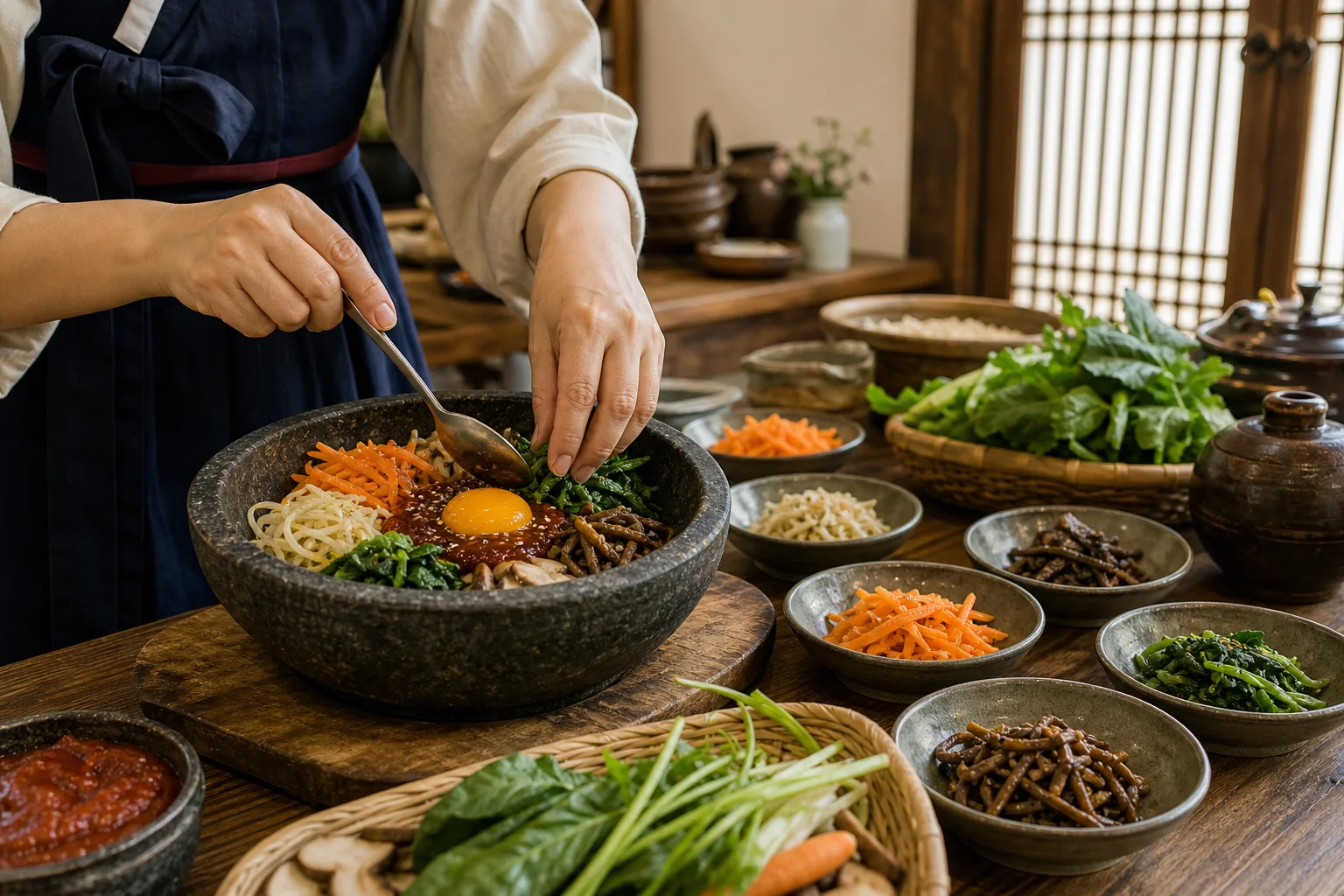
Jeonju is not just a place to eat bibimbap. It is a city where food, history, and daily life overlap so naturally that a cooking experience feels less like a tourist add-on and more like a direct lesson in why Korean regional cuisine matters. If you want to understand Jeonju bibimbap beyond the bowl, a hands-on class is one of the smartest things you can do.
Why Jeonju Is the Right Place to Learn Bibimbap
Jeonju is Korea's food capital because it treats cuisine as culture, not decoration. A bibimbap cooking experience here teaches the logic behind balance, seasoning, rice texture, and presentation, while also giving you a practical framework for eating better in Korea's regional restaurant scene.
Jeonju's Food Identity Is Bigger Than One Famous Bowl
Jeonju has a reputation that goes well beyond bibimbap, but bibimbap remains the most efficient way to understand the city. The dish captures the region's style of cooking in a single bowl: careful prep, bright seasonal vegetables, strong seasoning, and a sense that the meal should look as good as it tastes. That idea matters because Jeonju does not separate "traditional food" from "everyday food" the way some destinations do. The local version of bibimbap is both a signature dish and a living expression of the city.
That is why a cooking experience in Jeonju feels more grounded than a generic class elsewhere. In many places, a cooking lesson is presented as a novelty. In Jeonju, it is easier to feel like you are participating in a local food system. The ingredients are not random. The dish is tied to local expectations about taste, balance, and hospitality. Even if you already know bibimbap, the Jeonju approach can change how you think about Korean food more broadly.
What Bibimbap Teaches Better Than a Restaurant Meal
A restaurant meal gives you the finished product. A cooking class shows you the decisions behind it. That difference is the whole reason to book a bibimbap experience in Jeonju. You learn how the vegetables are prepared separately, why seasoning is layered rather than dumped in all at once, how the rice supports the dish, and why the final mix matters more than any one ingredient.
This is especially useful for travelers who want to understand Korean food instead of just sampling it. Bibimbap is a practical entry point because it is familiar enough to feel approachable, but structured enough to teach technique. You do not need cooking confidence to benefit from it. You just need enough curiosity to notice the rhythm of chopping, blanching, seasoning, arranging, and mixing.
Why Jeonju Works So Well for First-Time Visitors
If you are on your first trip to Korea, Jeonju gives you a compact food-and-culture lesson that is easy to fit into a broader itinerary. It is a city where the old streets, hanok architecture, local snacks, and restaurant culture all support the same impression: this is a place that values continuity. That makes a cooking class feel more meaningful than it would in a city where food is mostly detached from place.
If you are mapping a broader trip, it helps to treat Jeonju as part of a larger route rather than a one-off stop. The city pairs especially well with a first-timer itinerary like The Ultimate 10-Day South Korea Itinerary for First-Timers, because you can use Jeonju as your food-focused counterpoint to Seoul's pace. It also fits naturally into a wider route through multiple cities, which is why guides such as Beyond Seoul: The Top 10 Must-Visit Cities in South Korea are useful when you are deciding how much time to allocate.
What a Jeonju Bibimbap Cooking Experience Actually Includes
Most Jeonju bibimbap experiences are designed to be approachable for beginners, but they still reveal a lot about Korean cooking. Expect a mix of explanation, demonstration, hands-on prep, and tasting. The exact format varies by operator, but the educational arc is usually the same: understand the dish, prepare components, assemble the bowl, and compare your version with the local standard.
The Ingredient Logic Behind the Bowl
Bibimbap looks simple, but it depends on contrast. A proper Jeonju-style bowl usually balances warm rice, seasoned vegetables, a sauce with depth, and toppings that add richness or texture. In class, the most useful lesson is not just ingredient names. It is the sequence of preparation. Ingredients are often cooked separately because each component has its own ideal texture and salt level. That is the difference between a competent bowl and one that feels flat.
Typical lessons focus on the role of namul, which are seasoned vegetables. This is where a lot of travelers learn something new. Korean side dishes are not just extras. They are often part of the main design of the meal. In bibimbap, those side dishes become architecture. Each component has a color, a mouthfeel, and a seasoning profile. When you mix them, the bowl becomes more than the sum of its parts.
Some classes also touch on local ingredients or the philosophy of Jeonju-style rice. Even if the class is simplified for visitors, the best teachers explain why rice quality matters so much. In a dish like bibimbap, rice is not a neutral base. It is the carrier that determines whether the bowl feels dry, cohesive, fragrant, or rich.
The Cooking Skills You Actually Practice
You should not expect a full culinary school session, and that is a good thing. A Jeonju bibimbap cooking experience is usually structured so that a first-timer can succeed without feeling rushed. Common tasks include washing or preparing vegetables, learning the seasoning pattern, assembling the bowl, and learning how to use the sauce in the right amount. Some classes also include simple knife work or plating guidance, which helps the meal look polished.
The practical value is high even if you do not cook often at home. You learn how Korean kitchens think about temperature, texture, and sequencing. Many beginners assume that bibimbap is simply "mixed rice with vegetables," but the class shows why the dish has more in common with a composed tasting menu than a casual stir-together meal. Every ingredient has a role, and the order of preparation matters.
If you enjoy food as a travel memory, this is also a great way to turn a dish into a skill. You will likely forget the exact names of every ingredient, but you will remember the method. That makes the experience more durable than a photo stop or a quick tasting counter.
Why the Hands-On Part Matters More Than the Lecture
A short lecture about Jeonju bibimbap is useful, but the value comes when you actually work with the ingredients. Tactile learning makes the dish easier to remember. You notice how the vegetables change after blanching, how seasoning grabs onto surface area, and how a visually balanced bowl makes the final mix more satisfying.
For travelers who like cooking classes in general, this is similar to the appeal of other regional food experiences in Asia. If you have ever taken a class while traveling and found yourself asking what to cook next at home, Jeonju has the same effect but with a stronger sense of place. If you are looking for more context on the broader category, Korean Cooking Classes: Where to Learn to Cook Like a Local is a useful companion guide because it helps you compare local-style classes with more general culinary lessons.
Practical Guide
The logistics are usually straightforward, but a little planning makes the experience smoother. Jeonju's cooking experiences are best booked ahead, especially on weekends, holidays, and during peak travel periods. Since class formats vary, always confirm whether your booking includes ingredients, instruction in English, a tasting meal, and any optional extras such as market visits or recipe notes.
Hours, Admission, and Prices
There is no single official museum-style admission structure for a bibimbap cooking experience in Jeonju. These are typically operated as reservation-based classes, workshop programs, or tour activities rather than as walk-in attractions with fixed public admission hours. That means the most important detail is the booking calendar, not a gate opening time.
For 2026 planning, the safest rule is to treat the published schedule as the source of truth. Many experiences offer set start times tied to their class calendar, and availability can change by season or group size. Prices also vary by what is included. A basic hands-on bibimbap session is usually cheaper than a private class, a market add-on, or a package that includes multiple dishes or guided transport. Before booking, check whether the total includes:
- All ingredients and equipment
- English-language instruction
- A full meal or tasting after class
- Photo opportunities or printed recipes
- Transport or meeting-point guidance
If a listing looks inexpensive, read the fine print carefully. Some low headline prices exclude taxes, booking fees, or optional extras. If a listing looks premium, make sure the extra cost actually buys you something useful, not just a longer title. The best value is usually the class that gives you clear instruction, enough hands-on time, and a final bowl you are proud to eat.
How to Get There
Most visitors reach Jeonju by intercity bus or train, then continue to the Hanok Village area by taxi, local bus, or on foot depending on the class location. If you are staying in or near the village, many cooking experiences are easy to reach on foot, which is a major advantage because it removes the stress of city navigation before a booked time slot.
If you are arriving from Seoul, Jeonju is far enough away to feel like a real side trip but close enough to be practical. That is one reason the city works well in a multi-stop itinerary. Build in some buffer time, because the value of the experience increases when you are not racing from a station platform straight into the classroom. Arriving early also gives you time to explore the neighborhood, buy a snack, and settle in before the lesson starts.
Booking Strategy and Timing
Book early if you are traveling on a weekend or during a school holiday. Jeonju has a strong domestic tourism base, so the most convenient slots can disappear faster than first-time travelers expect. If you want a quiet, detailed class rather than a crowded one, aim for a weekday morning or early afternoon session where possible.
Timing matters for another reason: a cooking class is more enjoyable when it fits your eating rhythm. If you are planning a day that already includes multiple meals, avoid stacking the bibimbap experience directly after a heavy lunch. You will enjoy the final bowl more if you arrive with an appetite, not a full stomach. In other words, the best schedule leaves room for tasting, walking, and maybe another snack later in the day.
It also helps to choose a class that matches your travel style. Some visitors want a highly structured lesson with a local guide. Others want a casual workshop with minimal explanation and maximum participation. Neither is wrong, but the experience feels better when it matches your expectations. If you are traveling as a couple or with family, private or semi-private sessions can be worth the premium. If you are traveling solo, a shared group class may be the easiest way to meet people.
Tips & Common Mistakes
Jeonju bibimbap classes are beginner-friendly, but there are still a few mistakes that reduce the experience. The good news is that they are easy to avoid once you know what to watch for.
Mistake 1: Treating It Like a Photo Stop
This is the biggest missed opportunity. A bibimbap class is not just a setting for content. It is a chance to understand a dish that is central to Jeonju's identity. If you are only focused on the final bowl photo, you can miss the most interesting part: how the ingredients were prepared and why the bowl was built the way it was. Take notes, ask questions, and pay attention to the order of operations.
Mistake 2: Booking Too Late in the Day
Late sessions are not always bad, but they can be less flexible. If you are tired from sightseeing, your attention drops. A morning or early afternoon class usually gives you more energy and a better meal afterward. It also leaves time for walking around Jeonju afterward, which is important because the city becomes more rewarding when the cooking lesson is only one part of a fuller day.
Mistake 3: Assuming All Bibimbap Classes Are the Same
They are not. Some experiences emphasize storytelling, some focus on technique, and some are closer to a packaged tourist activity with a quick assembly step. If the difference matters to you, check whether the class includes genuine hands-on work or just a brief demonstration. The best experience is the one that teaches you something concrete, not simply the one with the nicest photos.
Mistake 4: Ignoring the Rest of Jeonju
Bibimbap may be the headline, but Jeonju is richer than one dish. If you leave immediately after your class, you are missing half the value. The surrounding streets, hanok lanes, snack vendors, tea houses, and markets help explain why the city's food reputation has lasted so long. Even a short post-class walk can make the entire trip feel more connected.
Mistake 5: Overcomplicating the Day
Keep the rest of your schedule light. A cooking class works best when it is not squeezed between too many obligations. Give yourself time to wander, eat slowly, and compare different versions of bibimbap if you want to. Jeonju rewards unhurried travel. A rushed itinerary turns the city into a checklist; a flexible one turns it into a memory.
What Most Guides Miss
Most guides tell you to eat bibimbap in Jeonju. Fewer explain why making it yourself is better than merely ordering it. The real gain is not the recipe. It is the perspective. Once you have learned how the bowl is assembled, you notice the dish differently everywhere else in Korea. You become more attentive to rice quality, vegetable prep, and sauce balance. That makes the class useful long after you leave Jeonju.
The other thing many guides miss is that a food experience can anchor the whole day. Jeonju is compact enough that you can combine a class with sightseeing, slow walking, and casual eating without turning it into a marathon. That is ideal for travelers who want one high-quality activity rather than a long list of low-value stops.
FAQ
Is a Jeonju bibimbap cooking experience good for beginners?
Yes. Most classes are designed so that first-timers can participate without prior cooking experience. The goal is usually to teach sequence, seasoning, and assembly rather than advanced knife skills. If you can follow simple instructions, you can usually keep up.
Do I need to speak Korean?
Not usually. Many tourist-facing classes offer English support or bilingual instruction, but the level varies by operator. If language matters to you, confirm it before booking rather than assuming it will be available on the day.
How long does the experience take?
Most hands-on cooking experiences are short enough to fit into a half-day plan. The exact duration depends on whether the program includes a market visit, a lecture, or additional dishes. Check the listing carefully so you know whether you are booking a quick workshop or a longer cultural session.
Is it better to book a class or just eat bibimbap at a restaurant?
Do both if you can. Eating the dish at a good restaurant gives you the benchmark, while the class gives you the method behind it. If your schedule is limited, the class is the better educational choice. If your goal is simply to try Jeonju's signature food, a restaurant meal is enough. If you want the full experience, combine the two.
When is the best season to take the class?
Spring and autumn are the easiest seasons for comfort because the weather makes walking around Jeonju more enjoyable. That said, the class itself is mostly indoors, so the more important factor is your broader itinerary and how busy the city is during your visit. If you are traveling around the Jeonju Bibimbap Festival period in October, expect the city to feel especially food-focused and lively.
Conclusion
A Jeonju bibimbap cooking experience is worth doing because it turns a famous dish into a lesson about place. You do not just learn how to make a bowl of rice with vegetables. You learn why Jeonju treats food as identity, how Korean kitchens build flavor through sequence and balance, and why the city's reputation is tied to more than just one recipe.
If you want the most practical takeaway, it is this: book the class early, choose a time that leaves room for slow travel, and treat the lesson as part of a wider Jeonju day rather than an isolated attraction. That approach makes the experience more memorable and more useful.
For travelers building a Korea itinerary, Jeonju is an easy city to justify because it offers both taste and context. It is one of the few places where a single cooking session can deepen the rest of your trip. And if you are already planning around Korea's regional highlights, a bibimbap class here is a strong reminder that the best travel experiences often begin with something you can eat.