New Year in Japan: How to Celebrate Oshogatsu Like a Local

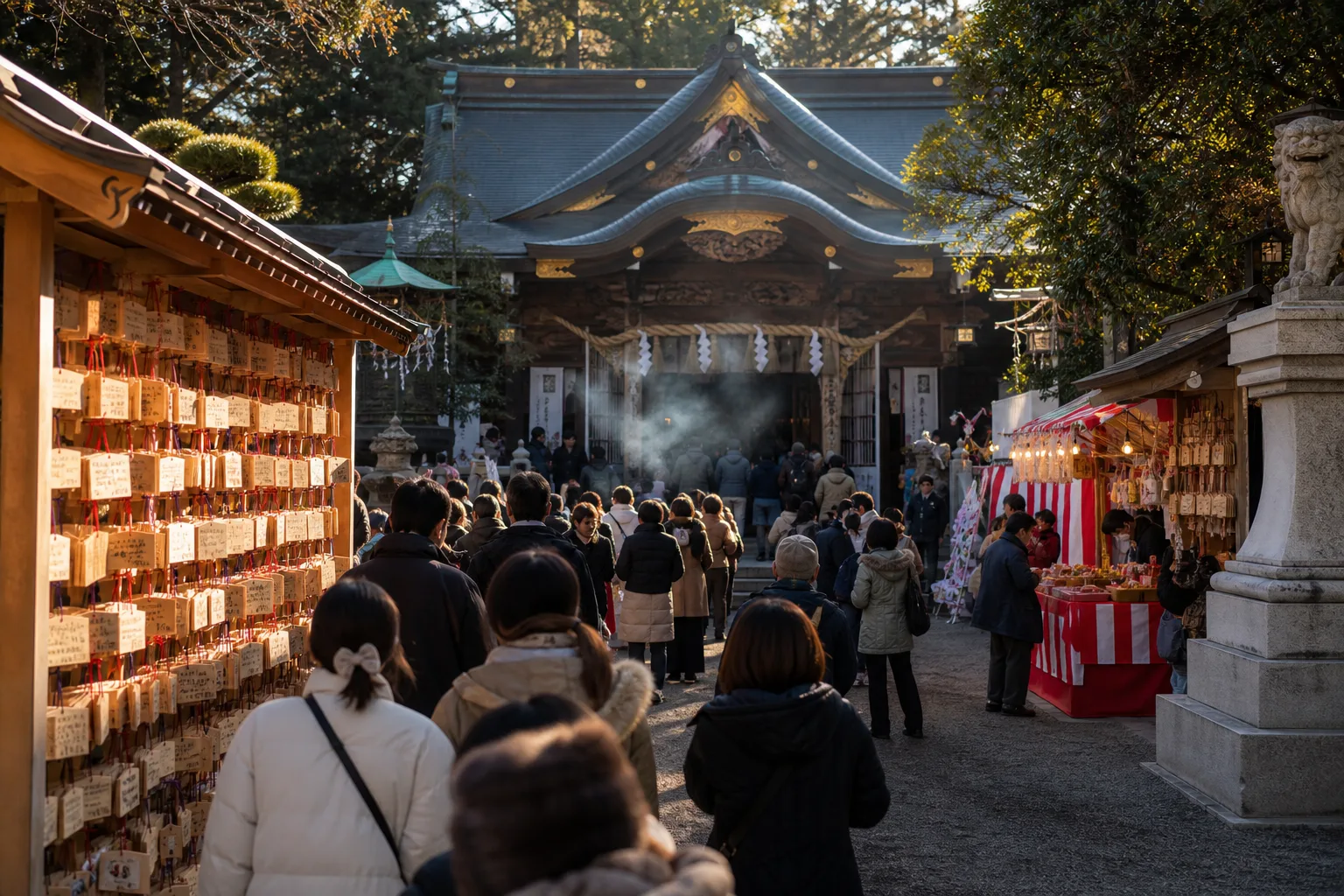
If you are planning Japan around New Year, the trip can feel either magical or unexpectedly awkward. Some travelers arrive expecting a normal holiday city break and instead find shuttered shops, limited restaurant hours, crowded shrines, and a very family-centered atmosphere. Others love it because Oshogatsu gives them a rare look at Japan when the country slows down, resets, and celebrates with deeply rooted customs.
What Oshogatsu Means
Oshogatsu is the Japanese New Year season, and it is one of the most important family holidays in the country. Rather than being a single night of parties, it is a few-day period built around home, food, shrine visits, and a clean break from the old year. If you want the short version: New Year in Japan is less about fireworks and more about rituals that mark renewal, gratitude, and good fortune.
Oshogatsu usually centers on December 31 through January 3, but the atmosphere starts earlier. Offices wind down, household preparations begin, and many neighborhoods change character as people travel back to their hometowns. For visitors, that means fewer ordinary services and more opportunities to see a side of Japan that is quiet, respectful, and family oriented. It is not the best time for spontaneity, but it is one of the best times for cultural observation.
The traditions you will hear about most are hatsumode, osechi, toshikoshi soba, omamori, and omikuji. Hatsumode is the first shrine or temple visit of the year. Osechi are the special New Year dishes packed into lacquered boxes. Toshikoshi soba is the long noodle dish eaten to symbolically carry you into the new year. Omamori are protective charms, and omikuji are fortune slips. Together, they give Oshogatsu its shape.
If you are trying to decide whether Japan is worth visiting during this season, the answer depends on your style. For classic sightseeing, you may prefer shoulder seasons such as spring or autumn, which are covered in the Best Time to Visit Japan: Sakura, Autumn Leaves & Winter Snow Guide. For culture, atmosphere, and fewer "tourist performance" moments, Oshogatsu is hard to beat.
Why the holiday feels different from Christmas or Lunar New Year
Many first-time visitors compare Oshogatsu to Christmas because both are winter holidays with family meals and decorations. The comparison only goes so far. Christmas in Japan is mostly commercial and romantic, while Oshogatsu is closer to a national pause button. Shops close, trains shift, families travel, and people focus on resetting the year with food, cleaning, and shrine visits.
It also differs from Lunar New Year in East and Southeast Asia. Japan's New Year follows the Gregorian calendar, so the celebration happens on January 1. That means the holiday arrives at the same time every year, regardless of the lunar cycle. If you are coming from Singapore, you may find the rhythm familiar in one sense, but the social tone is more subdued and less public than a lot of Lunar New Year celebrations.
The main traditions you should know
Hatsumode is the one most travelers will actually experience. On New Year's Day and the first few days of January, people line up at shrines and temples to pray for good fortune, health, family safety, business success, or travel luck. The crowds can be huge at famous sites, but neighborhood shrines can feel more relaxed and local.
Osechi ryori is another major part of the holiday. These are traditional dishes prepared ahead of time so families can rest during the first days of the year. The ingredients are often chosen for symbolic reasons: sweetness for harmony, beans for diligence, shrimp for long life, and so on. Visitors do not need to memorize the symbolism to appreciate the experience, but it helps explain why New Year meals look so different from everyday Japanese food.
Toshikoshi soba is usually eaten on December 31. The long noodles represent a clean transition from one year to the next, and the dish is simple enough that it fits the reflective mood of the evening. If you are in Japan on New Year's Eve, this is one of the easiest customs to join without feeling like you are intruding.
Omamori and omikuji are the souvenir-like parts of the holiday, but they are not just souvenirs. Omamori are bought for specific purposes, such as safety, study, travel, or love. Omikuji are fortunes that can be great, neutral, or bad. If you get a poor fortune, many shrines allow you to tie it up on site rather than take it home.
How Locals Actually Spend the Holiday
The most useful way to understand Oshogatsu is to think of it as a sequence rather than a single day. December 31 is the bridge, January 1 is the ceremonial reset, and January 2 to 3 is the family and visiting period. Once you see that pattern, many travel decisions become easier.
December 31: finish, clean, and wait for midnight
In many households, December 31 is about closure. People clean the home, visit relatives, prepare the last food, and try to start the new year with a sense of order. Some watch television specials. Some go to temples or shrines at night. Some eat soba at home. If you are in a city, you may notice a slightly calmer mood in the afternoon and then more movement around major temples and stations closer to midnight.
If you want to join the New Year's Eve atmosphere without making your whole trip revolve around it, a late dinner and a temple or shrine visit are enough. There is no need to hunt for a giant event unless that is specifically your style. In fact, the quieter experiences often feel more authentic because they match the way many locals approach the night.
January 1: hatsumode, family time, and very limited routines
January 1 is the day most travelers notice the holiday's impact. Large parts of the country are closed or running reduced hours. Many restaurants, convenience-oriented chains aside, operate on special schedules. Some attractions are closed. Smaller neighborhoods feel peaceful. Famous shrines become busy with people making their first prayer of the year.
For visitors, January 1 is not the best day to pack a long list of urban errands. It is the best day to slow down, eat something simple, and observe how the city changes. If you are staying in Tokyo, Kyoto, Osaka, or Fukuoka, plan for a shorter moving radius. If your hotel has breakfast or an open lounge, that alone can save you a lot of stress.
January 2 to 3: family visits, shopping openings, and a gradual restart
By January 2 and 3, the country is still in holiday mode, but you will start seeing more places reopen. Department stores, tourist areas, and some restaurants resume more regular operations. Major shrines remain busy because many people choose these days for hatsumode specifically to avoid the biggest New Year's Day crowds. That makes the first few days of January useful for sightseeing, but only if you keep your expectations flexible.
The practical lesson is simple: do not schedule your trip as if January 1 is an ordinary weekday. Treat the first three days of the year as a holiday block. If something important must happen on one of those days, confirm the opening time directly and have a backup plan.
What people eat and drink
Food is one of the easiest ways to understand the holiday. Osechi boxes are the classic meal, but many travelers will not have access to a full family set. That is fine. You can still experience the season through soba, mochi, sweet sake in some contexts, and special New Year products in stores.
If you are invited to a local home, pay attention to the pace of the meal. Oshogatsu dining is usually less about rushing from one plate to another and more about sharing a comfortable start to the year. Even in restaurants, there is often a calmer, more ceremonial feeling than during a standard lunch or dinner service.
Practical Guide for Visitors
The biggest mistake travelers make is assuming that Japan works normally during New Year. It does not, and that is not a flaw. It is part of the experience. Once you accept the holiday rhythm, you can plan around it instead of fighting it.
Where to go
If your goal is to experience the holiday with less friction, choose one major city base and keep side trips simple. Tokyo and Kyoto are the easiest places to understand the holiday because they have enough scale to absorb closures while still offering plenty to see. Osaka, Fukuoka, and Sapporo are also workable if you want a city with a distinct personality.
Shrines and temples are the obvious cultural anchor, but they are not the only option. Parks, waterfronts, observatories, and major neighborhoods can be surprisingly peaceful on January 1. If weather is good, a morning walk can be one of the best parts of the trip. If weather is cold, a neighborhood cafe or a hotel lounge becomes more valuable than usual.
For first-time visitors who care about logistics, pair this article with the Japan Travel Planning: Visa, IC Card, Rail Pass & Essential Logistics Guide. New Year travel punishes vague planning. You want your entry requirements, payment methods, airport transfer, and local transport basics locked in before the holiday lull begins.
Hours, admission, and prices
The most important price point is this: many shrines and temples are free to enter, but special experiences around New Year can still cost money indirectly through transport, food, charms, fortunes, or reserved seating for certain events. Department stores and major commercial attractions may have holiday schedules, and some museums, restaurants, and smaller attractions close for several days.
Do not assume that "free entry" means "no planning needed." Famous hatsumode sites may be crowded enough that the real cost is time. You may wait longer for a prayer, a charm, or even access to a stall. If you want to minimize that cost, visit early in the morning on January 2 or 3, or choose a neighborhood shrine instead of a headline destination.
Exact hours are highly location-specific. During New Year, that matters more than usual. Check the official site or social accounts for each shrine, temple, museum, restaurant, or department store you care about. If you are visiting several places in one day, build a route with one main stop and two optional backups rather than trying to force a full itinerary.
How to get there
Transport is usually available, but not always in the same rhythm you would expect on a normal weekday. Trains and subways in major cities keep running, yet they may operate with holiday patterns. Long-distance services and airport links can be busier than normal because locals are traveling home or returning after the holiday. If you are planning a cross-country move, reserve seats where possible and leave extra slack.
For short city hops, the simplest approach is to stay near a major station and use transit rather than taxis for everything. For shrine visits, leave room for walking because the final stretch is often pedestrian-heavy. If you are arriving on December 31 or January 1, do not cut your airport transfer too close to check-in or your dinner reservation. Holiday crowds make small delays snowball quickly.
Newer travelers often overcomplicate payment, but Japan's New Year period is when simple systems help the most. Keep some cash, keep your transit card topped up, and do not rely on a single app or one card. If you have already sorted the basics, holiday disruptions become inconvenience instead of crisis.
Booking strategy
During Oshogatsu, booking strategy matters more than during an ordinary winter trip. Hotels near popular shrines, major stations, and central shopping districts can fill quickly because both domestic travelers and inbound visitors want the same convenience. If you want a quiet experience, book early and choose a property with easy access to transit but not directly on top of the busiest prayer spot.
Restaurants are trickier. Many places close for part of the holiday, and some only reopen after a break. If you are traveling with a group, pick at least one restaurant for each day in advance and assume the rest is flexible. Convenience stores are the emergency backup, but they should not be your only plan if you care about a special New Year's meal.
What to pack
Winter in Japan can be dry, cold, and windy, especially if you are spending time outdoors in shrine queues. Pack layers, gloves, a warm hat, and shoes you can stand in for a while. You may also want hand warmers, lip balm, and a small umbrella because weather can change quickly.
If you plan to write fortunes, buy charms, or make donations at shrines, carry small cash. If you want to photograph streetscapes or the first sunrise, make sure your phone or camera battery is ready, because cold weather drains power faster than people expect.
Tips and Common Mistakes
Oshogatsu can feel wonderfully local if you adjust your behavior to the holiday. It can also feel frustrating if you arrive expecting regular tourism service. Most mistakes come from treating January 1 like a normal sightseeing day and from misunderstanding what is respectful at a shrine or temple.
Do less, not more
The best way to enjoy New Year in Japan is to reduce your must-do list. Choose one or two meaningful experiences instead of chasing a packed itinerary. A shrine visit, a simple meal, a quiet neighborhood walk, and a cozy evening can be more rewarding than a day full of closed doors and rushed transport.
If you want to do the "local" thing, resist the urge to turn every custom into content. Join the line, observe how people behave, buy a charm if you want one, and let the pace stay slow. This holiday rewards patience more than productivity.
Be careful with shrine etiquette
The shrine and temple mood is welcoming, but it is still religious and communal space. Keep your voice down, move with the flow of the crowd, and avoid blocking paths for photos. If you are unsure whether a space is for visitors or worshippers, follow the lead of locals rather than inventing your own version of the ritual.
For a compact reference on customs and social expectations, the Japanese Culture Guide: Customs, Etiquette & Dos and Don'ts for Travelers is the better companion piece. It helps if you are worried about everything from chopsticks to shrine behavior, but during Oshogatsu the main idea is still simple: be calm, polite, and unobtrusive.
Don't assume everything will be open
This is the mistake that causes the most stress. Travelers arrive with a list of brunch spots, galleries, and shopping streets, then discover half the list is closed or on special hours. Instead of fighting the holiday, build your trip around what is reliably open: your hotel, major transit, open shrines, some chain restaurants, and selected tourist neighborhoods.
If you are unsure whether a place is open, do not rely on a cached map listing from last month. Check the venue directly. New Year's holiday schedules are among the few times when a simple "usually open" assumption can be wrong enough to ruin half a day.
Don't confuse quiet with emptiness
Japan can look calm during New Year, but that does not mean it is empty. Famous shrine approaches, transport hubs, and popular eating spots can still be crowded. The difference is that the crowd is more purposeful and less casual. People are there for a reason, and they usually move with that purpose.
That is why famous sites can feel paradoxically more intense than on a normal weekday. A place that is quiet in the afternoon might be packed at dawn on January 1. Plan for that contrast and you will avoid feeling ambushed by the holiday rhythm.
A few practical etiquette rules that matter most
Take off your hat or hood if you are entering a clearly religious space and local custom suggests it. Do not eat or drink in places where the crowd flow is tight unless it is clearly acceptable. Avoid loud phone calls in queues. Be generous with personal space even when the queue itself is dense.
If you buy omamori or omikuji, treat them as meaningful items, not props. You do not need to fully understand every custom to participate respectfully. A little humility goes a long way.
FAQ
Is New Year a good time to visit Japan?
Yes, if you want culture and atmosphere more than convenience. Oshogatsu is excellent for first-time visitors who are comfortable adapting to closures and holiday schedules. It is less ideal if you want a nonstop sightseeing itinerary with full restaurant choice every day.
Are shrines and temples free during New Year?
Most are free to enter, but the real cost is often time, not admission. You may spend longer in queues, and you may want to buy charms, fortunes, or food from stalls. Some special events or reserved experiences can have separate costs.
What should I do on January 1 if so many places are closed?
Keep the day simple. Visit one shrine or temple, take a neighborhood walk, eat at a place you confirmed in advance, and treat the rest of the day as part of the holiday rather than a lost sightseeing window. If the weather is good, an outdoor viewpoint or park can be enough.
Do I need to dress formally for hatsumode?
No, but neat winter clothing is appropriate. You will likely be standing outdoors and walking a lot, so comfort matters. Warm layers and practical shoes are more important than formality.
Should I book hotels and transport in advance?
Yes. New Year travel is one of the times when a bit of advance planning pays off. Hotels near major stations or famous shrines can book up, and long-distance transport can be busier than you expect. The less flexible your schedule, the earlier you should lock it in.
Conclusion
Oshogatsu is not just another holiday on the calendar. It is the season when Japan resets itself, and that makes it one of the most revealing times to visit. If you come with realistic expectations, you will see a slower, more reflective side of the country that many travelers miss.
The core strategy is straightforward: choose a sensible base, keep your plans light, confirm opening hours, carry cash, and leave space for shrine visits and simple meals. Do that, and the closures stop feeling like obstacles and start feeling like part of the experience.
If you are building a broader Japan itinerary, use this article as your cultural reference point, then pair it with the spring-and-autumn season guide, the travel logistics guide, and the culture guide so your New Year trip fits into a stronger overall plan.