Kyoto as Anime Setting: Real Locations Featured in Popular Series

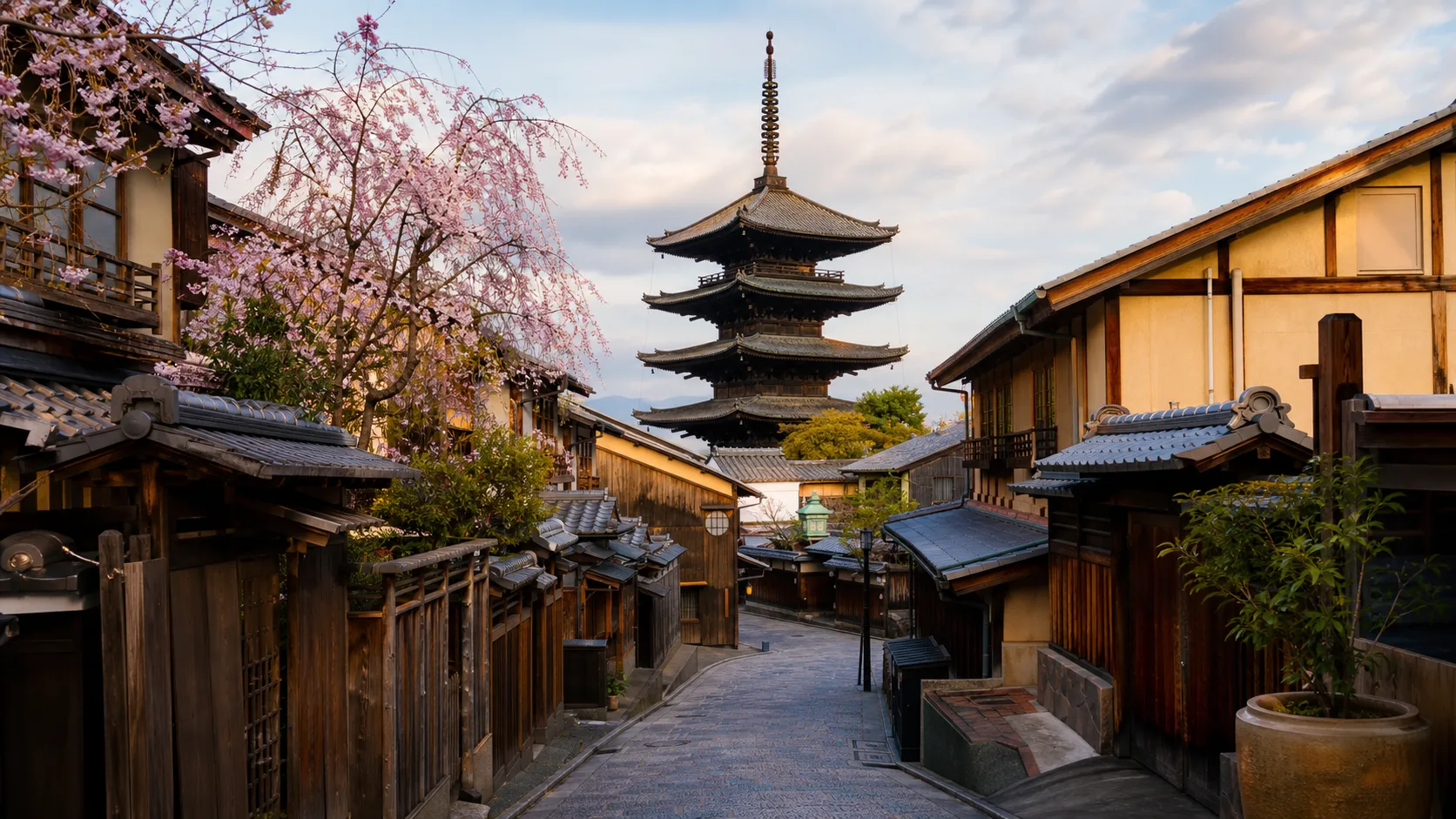
Kyoto is one of the easiest places in Japan to turn an anime watch list into a real trip. The city gives you the full range: temple steps, lantern-lit alleys, river views, commuter stations, and suburbs that feel almost unchanged from the background art. If you are planning a pilgrimage route, Kyoto is especially rewarding because many locations are close enough to connect in one or two days without spending half your time on trains.
This guide focuses on real places in and around Kyoto that appear in popular anime or are strongly associated with pilgrimage-style visits by anime fans. It is written for travelers who want to do more than take a photo at the obvious landmark. You will learn which locations are worth prioritizing, how to group them into a realistic route, what to expect for hours and admission, and where Kyoto fits into a broader Japan trip.
For a wider look at the genre, start with Anime Travel in Japan: Akihabara, Studio Ghibli & Pop Culture Guide. If you are still in the planning stage, the most useful companion is Japan Travel Planning: Visa, IC Card, Rail Pass & Essential Logistics Guide. And if you want to combine anime pilgrimage with a broader Kansai route, Kansai Region Travel Guide: Osaka, Kyoto & Nara in One Trip is the natural next read.
Why Kyoto Works So Well as an Anime Setting
Kyoto works because it already looks cinematic. The city has preserved street patterns, layered temple districts, and a visual rhythm that animators can reproduce without exaggeration. A narrow slope in Higashiyama, a train platform in Uji, or the base of a torii gate at Fushimi Inari can carry a scene by itself. In other words, Kyoto does not need to be redesigned for anime; it only needs to be framed well.
The city also benefits from a strong connection to Kyoto Animation and to series that use everyday Kansai geography as part of the story. That matters for travelers because it creates real-world routes you can walk, not just isolated photo spots. A good Kyoto pilgrimage day often mixes one shrine, one temple, one station, and one food stop. That keeps the trip practical and gives the strongest chance of matching what you saw on screen.
What makes a Kyoto anime location useful for travelers
The best anime locations are not always the most famous landmarks. For a pilgrimage route, a good site usually has four traits:
- It is clearly identifiable from the background art.
- It is easy to reach by train, bus, or on foot.
- It has enough surrounding streets or approaches to recreate the shot.
- It still feels rewarding even if you are not hunting a specific frame.
Kyoto excels because many of its anime locations are already part of standard sightseeing. That means the same itinerary can satisfy first-time visitors, repeat travelers, and fans who want a specific reference point. A temple visit feels less like a detour and more like a better way to understand the city.
How to think about “real locations” in anime
When people say an anime used a “real location,” it usually falls into one of three categories. First, there are direct background references, where the animation reproduces a shrine, station, or street almost exactly. Second, there are inspired locations, where the scene borrows the mood or layout of a real place without copying it shot-for-shot. Third, there are location clusters, where several scenes in one series are spread across the same neighborhood or train line.
Kyoto has all three. Fushimi Inari’s torii tunnels, Kiyomizu-dera’s hilltop views, and Uji’s riverside temple area are all real, memorable, and easy to connect to a day trip. The advantage for travelers is that even if one exact shot has changed slightly over time, the location still feels like the anime world you were trying to visit.
Real Kyoto Locations You Can Visit
If you only have time for a few pilgrimage stops, prioritize the locations that are both visually strong and logistically simple. In Kyoto, that usually means places on or near the main tourist spine from Kyoto Station into Higashiyama, then south toward Fushimi and east toward Uji. This section gives you the best starting points and why each one matters.
Fushimi Inari Taisha
Fushimi Inari is one of the most recognizable Kyoto backdrops in anime, film, and promotional art. The endless red torii gates create a scene that is instantly legible even from a partial frame, and the shrine’s hillside paths make it easy to find compositions that look close to what you saw on screen.
For travelers, the location is useful because it is simple to visit and does not require a timed entry. The shrine is open 24 hours and there is no admission fee, so it works well as an early morning or evening stop. It is also close to Kyoto Station: the JR Inari Station stop is just a short ride away, and the shrine is a quick walk from there.
The smartest way to visit is to go early. If you arrive after late morning, the lower torii paths can become crowded enough that the scene no longer feels like the still, atmospheric background shots anime fans are usually chasing. Early light is better for photographs, and it gives you enough space to notice details in the architecture and pathway transitions.
Kiyomizu-dera and the Higashiyama Slope
Kiyomizu-dera is the classic Kyoto setting for elevated city views, temple roofs, and seasonal atmosphere. Even when an anime scene does not name the temple directly, the Higashiyama area around it often shows up as a template for old Kyoto streets, stairs, and storefronts.
The temple is especially valuable because it sits inside a larger walking district. You can move from the main hall to surrounding lanes, then continue through Sannenzaka and Ninenzaka-style streets without breaking the mood. That makes the area ideal for travelers who want more than one reference point in a single outing.
The official site notes that Kiyomizu-dera opens at 6:00 a.m., with closing times changing by season. For 2026 special night viewing, the temple has published evening opening windows such as 6:00 p.m. to 9:30 p.m. with a last entry at 9:00 p.m. Those evening hours are worth noting because Kyoto’s temple districts can feel especially close to anime background art after dark, when lanterns and ambient light do most of the visual work.
Uji and Byodoin
If you are willing to go slightly beyond central Kyoto, Uji is one of the best anime pilgrimage areas in the wider prefecture. It is especially important for fans of Kyoto Animation’s local settings and for travelers who want a calmer version of Kyoto with a strong riverside atmosphere. The Byodoin area gives you temple architecture, museum stops, tea culture, and easy station access in one compact district.
Byodoin’s current visitor information is excellent for trip planning. The garden opens from 8:45 a.m. to 5:30 p.m. with last entry at 5:15 p.m. The Byodoin Temple Museum “Hoshokan” opens from 9:00 a.m. to 5:00 p.m., and visiting the interior of Phoenix Hall runs from 9:30 a.m. to 4:10 p.m. in 20-minute intervals with a maximum of 50 people per visit. The temple also states a garden and museum admission fee of ¥700 for adults, with a separate ¥300 fee for Phoenix Hall interior entry.
That combination matters because it turns a vague “anime location” into a practical half-day plan. You can arrive by train, walk the district, visit the temple grounds, take the museum if you care about historical context, and still have time for tea.
Kyoto Station and the modern city core
Kyoto Station is not as romantic as a temple or shrine, but it is still a valuable pilgrimage anchor. Many anime use stations, platforms, escalators, and transfer corridors because they are part of ordinary life. Kyoto Station in particular is useful as the center point for routes that branch to Higashiyama, Fushimi, and Uji.
For travelers, this means Kyoto Station is not just a transit node. It is the place where you can regroup, load your IC card, buy snacks, check weather, and decide whether the day should be temple-heavy or station-heavy. If you are matching scenes from slice-of-life anime, the station area can be a better reference than a famous landmark because the emotional tone often comes from commuting rather than sightseeing.
Arashiyama and the west side of Kyoto
Arashiyama is a good reminder that anime pilgrimage is not only about copying a frame. Bamboo groves, river paths, bridges, and hillside backdrops all appear in scenes that want a quieter Kyoto mood. Even when the exact reference is less obvious than Fushimi Inari or Kiyomizu-dera, the west side of Kyoto still delivers the right atmosphere for photographing, walking, and spending time outside the main tourist crush.
Travelers should think of Arashiyama as a visual buffer. If the eastern side of Kyoto gives you temples and crowded slopes, Arashiyama gives you open air, water, and softer scenery. That mix helps when you want a full anime-inspired day without feeling locked into one theme.
How to Plan the Route
The mistake most first-time visitors make is trying to treat Kyoto like a checklist of isolated spots. That creates a lot of transit friction. A better way is to build the day by direction and mood. In practical terms, Kyoto anime pilgrimage usually works best as one of three routes: east Kyoto, southern Kyoto, or a Kyoto plus Uji combination.
Route 1: Eastern Kyoto for the classic postcard mood
If you want the most photogenic temple-and-street combination, start east of Kyoto Station. Kiyomizu-dera anchors the route, and the surrounding lanes give you the old-Kyoto look that anime repeatedly borrows. This is the best route if your main goal is atmosphere, seasonal scenery, and easy visual recognition.
Suggested flow:
- Start early at Kiyomizu-dera.
- Walk through the surrounding Higashiyama streets.
- Continue toward lunch in the Gion or central Kyoto area.
- Keep the late afternoon for another nearby location or a relaxed café stop.
This route works well because it minimizes backtracking. You can spend the morning on the hill, the afternoon in the old streets, and the evening either at a seasonal illumination or back near Kyoto Station.
Route 2: Fushimi Inari for a short, flexible pilgrimage stop
Fushimi Inari is the easiest Kyoto anime location to fit into a broader trip. Because it is open all day and has no entrance fee, you can use it as a morning stop before checking out of your hotel or as a sunset location after a day elsewhere. If your travel schedule is tight, this is the best single add-on.
The real advantage is pacing. You do not need to rush the shrine, and you do not need to overthink the route. Go in, walk until the crowd level stops feeling comfortable, and then decide whether you want to continue higher up the mountain. For most travelers, the lower and middle sections already provide enough of the red-gate imagery that made the site famous in the first place.
Route 3: Kyoto plus Uji for a full pilgrimage day
If you want the strongest anime travel day in the region, combine central Kyoto with Uji. This gives you the best blend of iconic imagery and quieter local atmosphere. You can start in Kyoto, move south or southeast, then finish in Uji with a slower lunch or tea break.
That route also makes sense if you are pairing anime travel with ordinary sightseeing. Kyoto gives you the big-name locations, and Uji gives you a more deliberate, lower-stress second half. The result is a day that feels less like repetitive temple visits and more like a well-paced trip through the visual vocabulary of Kyoto itself.
Practical Guide
The practical side of Kyoto anime travel comes down to timing, transport, and expectations. Most of the important locations are easier than they look on a map, but the city still rewards planning. The biggest levers are whether you travel by IC card, which direction you start in, and whether you visit in the morning or in the late afternoon.
Hours, admission, and what to expect
Here is the short version for the main stops covered in this guide:
- Fushimi Inari Taisha: open 24 hours, no entrance fee.
- Kiyomizu-dera: opens at 6:00 a.m.; closing time changes by season; seasonal night openings are published by the temple.
- Byodoin garden and museum: 8:45 a.m. to 5:30 p.m. for the garden, 9:00 a.m. to 5:00 p.m. for Hoshokan, with adult admission at ¥700 for the garden and museum.
- Byodoin Phoenix Hall interior: 9:30 a.m. to 4:10 p.m., every 20 minutes, with a separate ¥300 fee.
For an anime pilgrimage, the real issue is not just cost. It is whether a site allows you to linger long enough to compare frames, walk around for angles, and take your time. Fushimi Inari is the most flexible. Kiyomizu-dera gives you the best all-around scenic return. Byodoin gives you the most structured and historically grounded visit.
How to get there
The simplest Kyoto pilgrimages are train-first. Use Kyoto Station as your base and then branch out:
- Fushimi Inari is easiest via JR Nara Line from Kyoto Station to Inari Station.
- Kiyomizu-dera is best approached by bus, taxi, or a walk from nearby stations if you want to avoid steep final climbs.
- Byodoin in Uji is easiest by JR or Keihan lines, depending on where you are staying and how you are connecting the route.
If you are traveling in Japan for the first time, the logistics guide linked earlier is worth revisiting because it covers the practical layer that matters here: IC cards, train transfers, and what kind of rail pass actually makes sense for your trip. Anime pilgrimage sounds niche, but in Kyoto it mostly becomes a transport-planning problem, not a navigation problem.
Best time of day
The best time of day depends on the site:
- Fushimi Inari is strongest before 9:00 a.m. or after the main tourist rush in the late afternoon.
- Kiyomizu-dera is best in the morning if you want quiet lanes, or at dusk if you want atmosphere.
- Byodoin is best around mid-morning to early afternoon, when the garden, museum, and tea room can all fit into one visit without rushing.
If you are trying to reproduce anime-style backgrounds, soft light matters more than perfect weather. Overcast days often work well because they reduce glare on wood, stone, and painted surfaces. Clear days are better if you want skyline views from higher ground, but they also make crowds feel more obvious in photos.
Booking and reservations
Most Kyoto pilgrimage stops do not need advanced booking, but there are two exceptions to watch:
- Special nighttime or seasonal viewing programs at temples can have different hours and ticket rules.
- Interior access, museum entry, or a limited-capacity hall visit may have timed or capped entry.
For that reason, check the official site on the day before you go if a location is central to your itinerary. This matters most for Kiyomizu-dera and Byodoin. A route that works on a normal Tuesday might need adjustment during holidays, cherry blossom periods, autumn color season, or special evening openings.
What to budget
Kyoto anime travel can be done cheaply if you treat it as a walking and transit day. Your main costs are usually:
- Local trains and buses.
- Temple and shrine admissions where applicable.
- Food, tea, and an occasional souvenir or omikuji.
If you are traveling light, you can keep the day efficient with just an IC card and no special ticketing. That is one reason Kyoto is such a good anime destination. Unlike some pilgrimage trips that require long regional transfers, Kyoto lets you spend your money on the experience rather than on getting between far-apart locations.
Tips & Common Mistakes
Most Kyoto anime travelers make the same few mistakes. The good news is that they are easy to avoid once you know what to look for.
Do not overfocus on exact frames
An anime location does not have to match perfectly to be worth the trip. Trees grow, signs change, shops renovate, and crowds shift. If you go in expecting a literal screenshot, you may miss the better experience, which is recognizing the underlying shape of the place and understanding why it was chosen in the first place.
Kyoto is especially vulnerable to this mistake because many fans see it first through background art. The real place is often busier, brighter, and less symmetrical than the scene in your head. That is normal. The point of the pilgrimage is not to prove that animation and reality are identical. It is to see how the city became animation in the first place.
Start earlier than you think you need to
This is the easiest way to improve the whole trip. Kyoto’s best-known locations can become crowded very quickly, especially on weekends and in peak seasons. Starting early gives you more space, better light, and better transport margins. It also makes the rest of the day feel flexible instead of rushed.
If you only remember one planning rule from this article, make it this: the first site of the day should be the one you most want to photograph. Everything else can be adjusted around it.
Use neighborhoods, not just landmarks
Anime travel works best when you think in neighborhoods. Kiyomizu-dera is not just one temple; it is the approach streets, the slope, the surrounding stairs, and the way the district changes as you move downhill. Fushimi Inari is not just the famous torii tunnel; it is the whole set of walks, transitions, and views as the path climbs.
That mindset matters because it gives you more material for comparison and more interesting photos even if the exact reference spot is busy. It also makes Kyoto feel like a living city rather than a series of isolated attractions.
Don’t skip the non-anime parts of the route
Some of the best memories on a pilgrimage day come from the places you did not plan as “content.” Tea in Uji, a noodle lunch near a station, a quiet back street in Higashiyama, or a short river walk can give the day balance. If you go too hard on reference-hunting, the trip can start to feel mechanical.
The most satisfying Kyoto anime trips usually have one rule: at least one stop should be purely for enjoyment, not for matching a screenshot.
FAQ
Which Kyoto anime location should I visit first?
If you want the most iconic and easiest first stop, start with Fushimi Inari Taisha. It is open all day, free, and easy to reach from Kyoto Station. If you want the most classic Kyoto scenery, start with Kiyomizu-dera instead.
Can I do Kyoto anime locations without a car?
Yes. In most cases, a car is more trouble than it is worth. Kyoto’s core pilgrimage spots are better reached by train, bus, and walking. Parking can be limited or inconvenient, and some locations are better experienced on foot anyway.
How much time do I need for a Kyoto anime pilgrimage?
A basic trip can be done in half a day if you only want one or two spots. A satisfying route usually needs one full day. If you want Kyoto plus Uji, plan for a longer day or split the itinerary across two days.
Is Uji worth adding if I only have one day?
Yes, if your priority is anime travel and you like a slower pace. Uji gives you a different feel from central Kyoto and adds a strong temple-and-tea component. If your first visit to Kyoto is very short and you want the biggest visual hits, keep Uji as a bonus rather than a must-do.
What is the best season for Kyoto anime locations?
Spring and autumn are the strongest seasons for visuals, but they are also the busiest. Winter can be excellent for clearer lines and fewer crowds. Summer works best if you start early, hydrate, and keep the route compact.
Conclusion
Kyoto is one of Japan’s most rewarding anime travel cities because it gives you real places that already feel storyboard-ready. Temples, shrines, station areas, and riverside districts are close enough to combine into a practical route, and many of them are easy to recognize even if you have only a few screenshots saved on your phone.
If you are planning your first pilgrimage day, keep it simple. Use Fushimi Inari for flexibility, Kiyomizu-dera for classic Kyoto scenery, and Uji for a calmer finish with a stronger local atmosphere. That combination gives you the best balance of iconic locations and real travel value.
If you want to keep building the trip, the next step is to pair this article with broader Japan logistics and then map the route into your Kansai schedule. That way the anime stops fit cleanly into a trip that also works for trains, meals, and hotel check-in times.