Japan Visa Guide for Korean, US & European Travelers: Requirements by Nationality

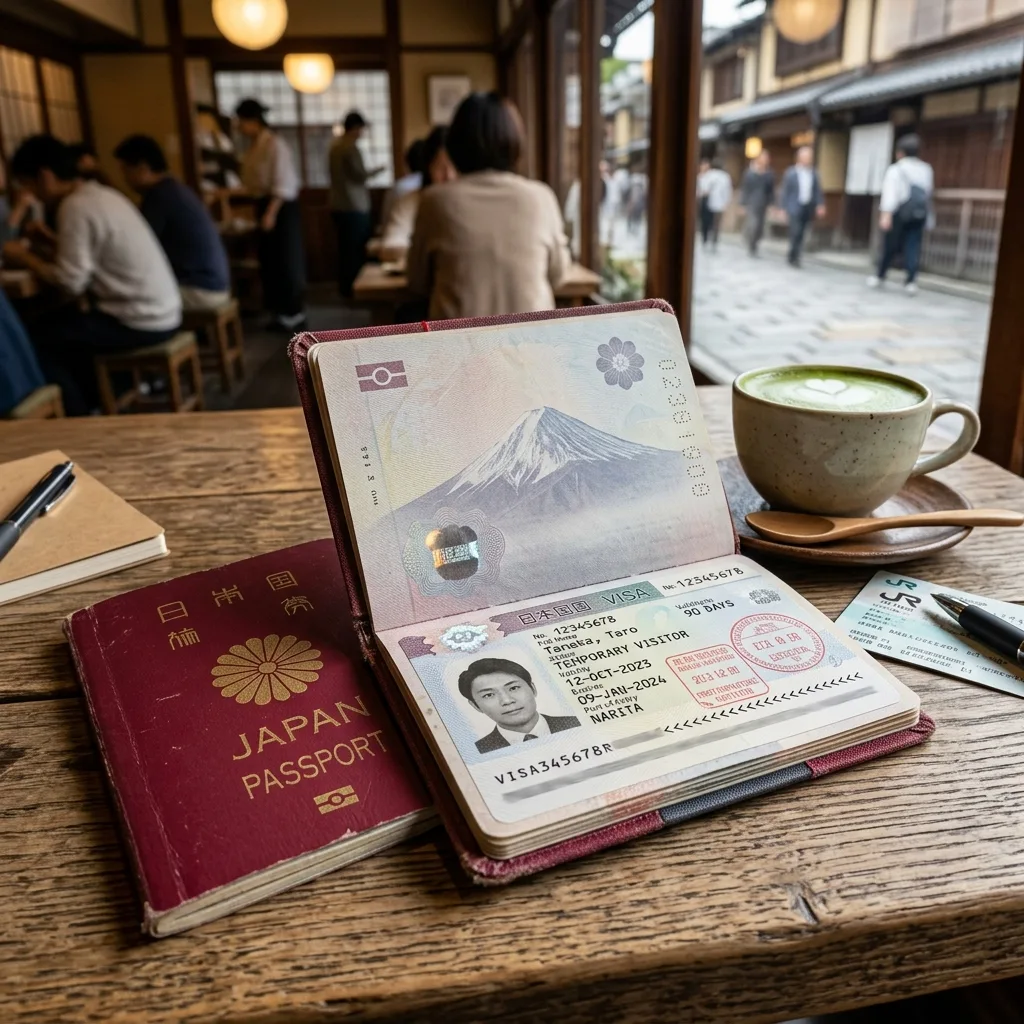
Japan, a land where ancient traditions gracefully coexist with futuristic marvels, beckons millions of travelers each year. From the serene temples of Kyoto to the bustling streets of Tokyo, the country offers an unparalleled experience. However, before you can immerse yourself in its vibrant culture and breathtaking landscapes, understanding the entry requirements is paramount. Visa regulations can be complex and are subject to change, making up-to-date information essential for a smooth journey. This comprehensive guide cuts through the confusion, offering clear, nationality-specific details for Korean, US, and European citizens planning their visit in 2026. Whether you're dreaming of cherry blossoms, sushi, or snowboarding, knowing the visa landscape ensures your adventure begins on the right foot.
Navigating Japan's Entry Requirements in 2026: A Quick Guide
For travelers from Korea, the United States, and most European countries, Japan maintains a largely visa-free policy for short-term stays in 2026. However, prospective visitors must still adhere to specific documentation and procedural guidelines to ensure a hassle-free entry. This includes possessing a valid passport, proof of onward travel, and sufficient funds, alongside utilizing digital services like Visit Japan Web. Understanding these prerequisites is crucial for a seamless travel experience to Japan.
Japan Visa Requirements for Korean Citizens (2026)
South Korean citizens enjoy one of the most straightforward entry processes into Japan, benefiting from a robust visa-free agreement.
Visa-Free Entry for Korean Citizens
Korean nationals can enter Japan visa-free for short-term stays of up to 90 days. This applies to various non-remunerative activities such as tourism, business meetings, and visiting relatives. There is no need to apply for a visa in advance at an embassy or consulate.
Essential Documents for Entry
While visa-free, certain documents are mandatory upon arrival:
- Passport: Your passport must be valid for the entire duration of your planned stay in Japan.
- Return/Onward Ticket: It is highly recommended to have proof of a return flight or a ticket to a third country. This demonstrates your intent to depart Japan within the permitted timeframe.
- Proof of Funds: Although rarely strictly enforced for Korean citizens, immigration officers reserve the right to ask for proof of sufficient funds to cover your expenses during your stay. This could include cash, credit cards, or recent bank statements.
Streamlining Arrival with Visit Japan Web
To significantly expedite the entry process at Japanese airports, all travelers are strongly encouraged to use the Visit Japan Web service. This online platform allows you to:
- Digitally complete your Immigration (Disembarkation Card).
- Submit your Customs Declaration in advance.
- Generate QR codes that can be scanned upon arrival, minimizing paperwork and wait times.
The Future of Entry: JESTA (Japan Electronic System for Travel Authorization)
As of 2026, the Japan Electronic System for Travel Authorization (JESTA), analogous to the U.S. ESTA or Korea's K-ETA, is not yet a mandatory requirement for Korean citizens. While the Japanese government has plans to implement such a system, current reports suggest JESTA will likely become mandatory by 2028. Therefore, in 2026, Korean citizens can continue to enter Japan without any prior electronic authorization. Travelers should, however, keep an eye on official announcements for any changes.
Important Restrictions
- No Paid Employment: Korean citizens on a visa-free stay are strictly prohibited from engaging in any form of paid employment or work in Japan.
- No Extensions (Generally): The 90-day visa-free period generally cannot be extended. If you plan a longer stay or intend to work or study, you must apply for the appropriate visa well in advance of your travel.
In summary, for Korean citizens planning a trip to Japan in 2026, the process remains largely uncomplicated: ensure your passport is valid, have proof of onward travel, and consider utilizing Visit Japan Web for a smoother airport experience.
Japan Visa Requirements for US Citizens (2026)
United States citizens benefit from Japan's reciprocal visa exemption program, allowing for convenient short-term visits without the need for a pre-arranged visa.
Visa-Free Entry for US Citizens
US passport holders can enter Japan visa-free for stays of up to 90 days. This exemption covers a range of activities including tourism, visiting family and friends, and non-paid business activities such as attending meetings, conferences, or engaging in contract negotiations.
Entry Requirements
Even with visa-free status, adherence to specific entry criteria is essential:
- Passport Validity: Your U.S. passport must be valid for the entire duration of your intended stay in Japan. While this is the official requirement, many airlines and transit countries recommend or require passports to have at least six months of validity remaining from your date of entry to avoid potential boarding issues.
- Blank Pages: Your passport should have at least one blank page for the entry stamp.
- Proof of Onward Travel: You must be able to present a confirmed return or onward flight ticket out of Japan.
- Sufficient Funds: Immigration officers may request proof of financial means to support yourself throughout your stay.
- Biometrics: All foreign nationals (with limited exceptions) are required to provide fingerprints and a facial photograph upon arrival at Japanese immigration.
Leveraging Digital Tools: Visit Japan Web
The Japanese government strongly recommends all international visitors, including US citizens, utilize the Visit Japan Web service prior to their departure. This digital portal streamlines the arrival process by allowing you to:
- Pre-register your Immigration (Disembarkation Card) details.
- Complete your Customs Declaration electronically.
- Generate QR codes for faster processing at immigration and customs checkpoints.
Medications: Important Considerations
Japan has stringent regulations concerning the import of certain medications, including some over-the-counter and prescription drugs (e.g., specific allergy/sinus medications or stimulants). If you plan to bring more than a one-month supply of any medication, or if you are carrying restricted drugs, it is imperative to apply for a Yunyu Kakunin-sho (import certificate) in advance from the Ministry of Health, Labour and Welfare. Failure to do so can result in serious legal consequences.
Long-Term Stays and Alternative Visas
A specific visa is mandatory if your travel plans involve:
- Stays exceeding 90 days.
- Engaging in any form of paid employment or receiving income from a Japanese source.
- Enrollment in a Japanese educational institution.
- Residency as a spouse or dependent of a Japanese national or long-term resident.
It is crucial to note that it is generally not possible to change your status from "Temporary Visitor" to another visa category while already in Japan. Such applications must typically be made at a Japanese consulate or embassy outside of Japan before your intended travel.
For US citizens, Japan offers straightforward short-term entry, but careful attention to passport validity, onward travel, and especially medication regulations will ensure a smooth and enjoyable trip.
Japan Visa Requirements for European Citizens (2026)
For European citizens, Japan continues its welcoming policy with visa-free access for short-term visits. However, 2026 marks the beginning of a significant change with the phased introduction of the new JESTA system.
Visa-Free Entry for Short Stays
Citizens from the European Union (EU) member states, the United Kingdom, Norway, Switzerland, Iceland, and Liechtenstein can enter Japan without a visa for short-term stays of up to 90 days. This applies to purposes such as tourism, business meetings, and visiting family. It is critical to remember that engaging in any form of paid employment is strictly prohibited under this visa exemption.
Potential for Extension
Nationals from Austria, Germany, Ireland, Liechtenstein, Switzerland, and the United Kingdom have the unique option to apply for an extension of their short-term stay for up to six months at a local immigration office within Japan, should their travel plans require it.
Introducing JESTA: Japan Electronic System for Travel Authorization
The most notable development for European travelers in 2026 is the introduction of JESTA, Japan's new electronic travel authorization system. Similar to the ETIAS system in Europe, JESTA is designed to pre-screen travelers from visa-exempt countries.
- 2026 Status: The JESTA system is anticipated to begin its voluntary or "soft" launch phase in the mid-to-late part of 2026. During this period, registration might not be mandatory but could be encouraged for a smoother travel experience.
- Mandatory Implementation: While the pilot begins in 2026, JESTA is projected to become a mandatory requirement for all visa-exempt travelers by fiscal year 2028.
- Traveler Action: If you are traveling in late 2026, it is highly advisable to check the official website of the Ministry of Foreign Affairs (MOFA) of Japan (www.mofa.go.jp/j_info/visit/visa/index.html) closer to your travel date to determine if JESTA registration has become active and necessary for your nationality and travel timing.
Essential Entry Requirements and Documentation
Regardless of visa status, all European travelers must meet these standard entry requirements:
- Passport Validity: Your passport must be valid for the entire duration of your stay in Japan. A recommended practice is to ensure your passport has at least six months of validity beyond your intended departure date to mitigate potential issues with airlines or transit countries.
- Onward Travel: You must possess proof of a confirmed return or onward ticket to another country.
- Visit Japan Web: Highly recommended, this service allows you to digitally complete immigration and customs forms, generating QR codes that significantly accelerate your processing at Japanese airports.
- Proof of Funds: Immigration officials may request evidence of sufficient financial resources to cover your expenses during your time in Japan.
Long-Term Stays and Work Visas
For European citizens planning to work, study, or reside in Japan for periods exceeding 90 days (or six months for eligible nationalities), a specific visa is required.
- New for 2026: Language Requirements: As of April 2026, Japan has introduced stricter language proficiency requirements for certain white-collar work visas, particularly for roles involving translation or customer service. Applicants for Engineer/Specialist in Humanities visas may now need to demonstrate Japanese proficiency (e.g., JLPT N2 or CEFR B2 level).
European travelers to Japan in 2026 can anticipate a generally smooth entry process, but staying informed about the evolving JESTA system and specific entry documentation is key to a worry-free trip.
Practical Guide for All Travelers
Beyond nationality-specific visa rules, certain practical aspects apply to all visitors to Japan, ensuring a smooth and enjoyable experience.
Pre-Departure Checklist
- Confirm Passport Validity: Double-check that your passport is valid for your entire stay. Consider the 6-month validity recommendation.
- Secure Onward Travel: Have your return or onward ticket booked and accessible.
- Financial Preparation: Ensure you have sufficient funds. While not always checked, it's good practice to be prepared.
- Travel Insurance: Purchase comprehensive travel insurance that covers medical emergencies, trip cancellations, and unforeseen events.
- Medication Review: If bringing prescription medications, verify Japan's import rules and secure a Yunyu Kakunin-sho if necessary.
- Vaccinations: Consult your doctor about recommended vaccinations for Japan.
- Currency: Japan uses the Japanese Yen (JPY). Plan to exchange currency or use international ATMs. Credit cards are widely accepted in urban areas but cash is still important, especially in rural regions.
Getting There and Around
- Flights: Major international airports include Narita (NRT) and Haneda (HND) in Tokyo, and Kansai (KIX) near Osaka. For an in-depth look at planning your Tokyo adventure, refer to our Ultimate Tokyo Travel Guide 2026.
- Transportation: Japan boasts an incredibly efficient public transportation system.
- Japan Rail Pass: For extensive travel, consider purchasing a Japan Rail Pass (only available to tourists before arrival).
- IC Cards: Rechargeable IC cards (e.g., Suica, Pasmo, Icoca) offer convenient travel on trains, subways, and buses across major cities. These can also be used for some vending machines and convenience stores.
- Buses and Subways: Excellent for urban exploration.
- Taxis: Readily available but expensive.
- Rental Cars: Driving is an option for exploring rural areas, but an International Driving Permit (IDP) is required.
Booking Your Trip
- Accommodation: Book hotels, ryokans (traditional inns, often found in cities like Kyoto) or Airbnbs well in advance, especially during peak seasons like cherry blossom (spring) and autumn foliage. For a comprehensive guide to the region, check out our Kansai Region Travel Guide.
- Activities & Tours: Platforms like Klook and MyRealTrip offer a wide array of tours, experiences, and attraction tickets. Official websites for specific attractions often provide the best rates.
- Connectivity:
- SIM Cards: Pre-paid SIM cards are available for purchase at airports and electronics stores.
- Pocket Wi-Fi: Renting a pocket Wi-Fi device is another popular option, offering internet access for multiple devices.
- eSIMs: A growing number of providers offer eSIMs for Japan, allowing for easy digital activation of a local data plan.
Tips & Common Mistakes to Avoid
A trip to Japan is often a once-in-a-lifetime experience, and avoiding common pitfalls can significantly enhance your journey.
Cultural Etiquette
- Bowing: A common form of greeting and respect. A slight bow is usually sufficient.
- Shoe Etiquette: Remove your shoes before entering homes, traditional inns (ryokans), temples, and some restaurants. Look for shoe racks or designated areas.
- Chopsticks: Avoid sticking chopsticks upright in your rice (resembles a funeral ritual) or passing food directly from one set of chopsticks to another.
- Tipping: Tipping is not customary in Japan and can sometimes be considered rude. Excellent service is expected and included in the price.
- Noise Levels: Be mindful of noise, especially on public transport. Keep conversations low and avoid loud phone calls.
Transportation Wisdom
- Rush Hour: Avoid major train lines during morning (7:00–9:00 AM) and evening (5:00–7:00 PM) rush hours if possible, as trains can be extremely crowded.
- JR Pass Validation: If you purchase a Japan Rail Pass, remember to validate it at a JR office after arrival before your first use.
- Navigating Stations: Major train stations can be vast and complex. Use apps like Google Maps or Japan Transit Planner (Jorudan/Navitime) to navigate.
- Subway Exits: Pay attention to the specific exit numbers in subway stations, as large stations can have dozens, and choosing the wrong one can lead to a long walk.
Money Matters
- Cash is King (Still): While cards are more widely accepted, many smaller shops, restaurants, and rural establishments are cash-only. Always carry some Yen.
- ATM Access: ATMs in convenience stores (7-Eleven, FamilyMart, Lawson) and post offices are generally the most reliable for international card withdrawals.
Communication
- Basic Japanese Phrases: Learning a few basic phrases (e.g., "Arigato" for thank you, "Sumimasen" for excuse me/sorry) goes a long way.
- Translation Apps: Google Translate with its camera function can be invaluable for reading menus or signs.
- Wi-Fi: Free public Wi-Fi is becoming more common, but reliable connectivity is best secured with a pocket Wi-Fi device or local SIM/eSIM.
Frequently Asked Questions (FAQ)
Do I need a visa to visit Japan as a tourist in 2026?
For citizens of South Korea, the United States, and most European countries, a visa is generally not required for short-term tourist stays of up to 90 days in 2026. However, you must have a valid passport and proof of onward travel.
What is JESTA and will I need it to enter Japan in 2026?
JESTA (Japan Electronic System for Travel Authorization) is a new electronic travel authorization system being introduced by Japan. In 2026, it is expected to be in a voluntary or "soft" launch phase for most visa-exempt travelers, including those from Europe. It is not mandatory for Korean or US citizens in 2026 but is projected to become mandatory by 2028. Always check the official MOFA Japan website closer to your travel date for the latest requirements.
How long can US citizens stay in Japan without a visa?
US citizens can stay in Japan for up to 90 days visa-free for tourism or non-paid business activities.
Can European citizens extend their stay in Japan?
Citizens from Austria, Germany, Ireland, Liechtenstein, Switzerland, and the United Kingdom may apply for an extension of their short-term stay for up to six months at a local immigration office in Japan. For other European nationalities, extensions are generally not possible under the visa-free status.
Is the "Visit Japan Web" service mandatory?
While not strictly mandatory, using the Visit Japan Web service is highly recommended for all travelers. It allows you to pre-register immigration and customs information, generating QR codes that significantly speed up the entry process at Japanese airports.
Conclusion
Embarking on a journey to Japan is an exciting prospect, and being well-prepared is the first step toward an unforgettable experience. For travelers from Korea, the US, and Europe in 2026, the pathway to Japan remains largely accessible through visa-free short-term entry programs. While the core requirements — a valid passport and proof of onward travel — are consistent, staying informed about evolving digital initiatives like the JESTA system and utilizing tools such as Visit Japan Web will further streamline your arrival. Beyond visas, embracing local customs, understanding transportation nuances, and being prepared for cash-centric transactions in some areas will ensure a richer and more respectful engagement with Japanese culture.
For the broader arrival-and-transport planning flow, continue with Japan Travel Planning: Visa, IC Card, Rail Pass & Essential Logistics Guide. Then use Narita vs Haneda vs Kansai Airport if you have not booked flights yet, and Pocket WiFi vs SIM card in Japan once your connectivity setup becomes the next decision. Safe travels!