Japan Tokyo Short Trip Neighborhood Guide for First Time Visitors

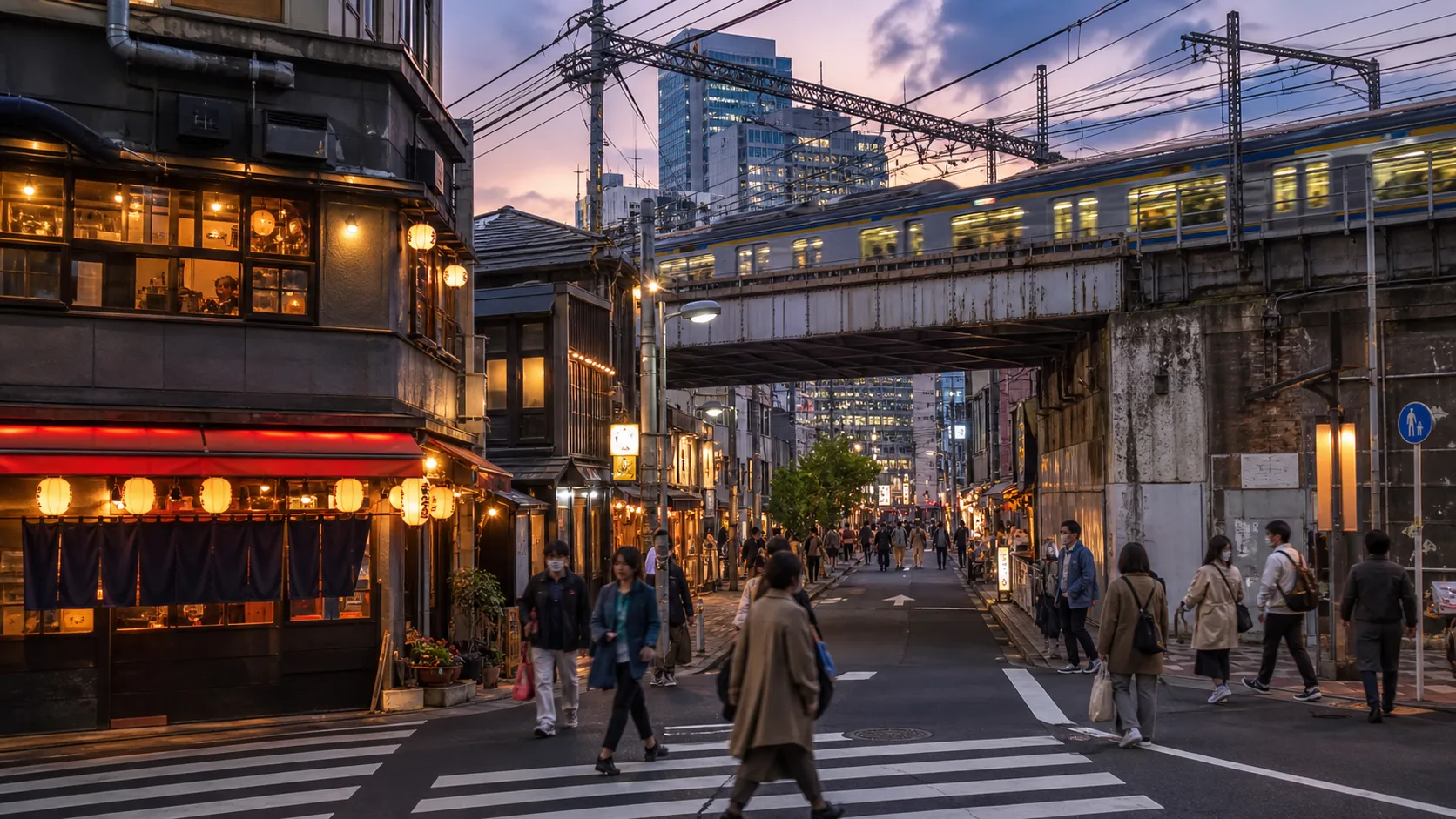
Tokyo is not a city you solve by trying to "see Tokyo." For a short trip, the right approach is to treat it as a set of neighborhoods that each do one thing well: Shinjuku for scale and transit, Shibuya for youth culture and shopping, Asakusa for old Tokyo, Ueno for museums and value, Ginza for polished eating and retail, and Akihabara for anime and electronics. If you choose your base and cluster your days by area, even a 3-night or 4-night stay feels complete instead of rushed.
1. Fast Answer
The best Tokyo short-trip strategy for first-time visitors is simple: stay near a major station, pick two or three neighborhoods per full day, and avoid crisscrossing the city for single attractions. Tokyo rewards zoning, not zigzagging. If your time is limited, use one west Tokyo day, one east Tokyo day, and one flexible half-day for shopping, a temple walk, or a food-focused district.
A first-time visitor does not need to memorize the entire rail network. What matters is choosing a base that reduces friction and then visiting neighborhoods that match your pace. Shinjuku and Tokyo Station are the most forgiving for overall convenience. Ueno and Asakusa are better if you want a calmer feel and easier budgeting. Shibuya works well if you want nightlife, youth culture, and easy access to Harajuku. The important thing is not the "perfect" neighborhood. It is the neighborhood that makes the rest of the trip easy.
For most short stays, the winning sequence is: arrive, recover, use one compact sightseeing zone on day one, then move into a neighborhood-hopping rhythm from day two onward. That keeps transit predictable, meals convenient, and energy levels stable. If you do Tokyo this way, you will spend less time underground and more time actually noticing the city.
2. Context You Need
Tokyo is often described as a single metropolis, but that description hides how the city actually works. For travelers, it is better understood as a chain of train-centered districts, each with a distinct personality, price level, and daily rhythm. That is why one traveler can leave Tokyo thinking it is all neon and speed, while another remembers temples, quiet side streets, and tiny bars. Both are correct. They just stayed in different parts of the city.
If you are visiting from Singapore, Tokyo will feel both familiar and different. The city is clean, efficient, and highly organized in the ways that matter for travel. But it is also much larger, more layered, and less centralized than many first-time visitors expect. A district that looks close on a map may still take 20 to 30 minutes to reach once you factor in station transfers, platform changes, and walking from the exit to the actual neighborhood. That is normal in Tokyo. Planning around that reality makes the trip easier.
For a short stay, the main question is not "What is the best neighborhood in Tokyo?" The real question is "What is each neighborhood good for?" Once you answer that, your itinerary becomes much more efficient. Shinjuku is the giant transport and hotel base. Shibuya is the high-energy retail and nightlife hub. Asakusa is the historic, low-rise side of the city. Ueno gives you museums, parks, and a more budget-friendly feel. Ginza is the polished, upscale side of central Tokyo. Akihabara is the most concentrated area for electronics, gaming, anime, and hobby culture. Shimokitazawa offers smaller-scale cafe, vintage, and indie energy. Yanaka is one of the quietest places to slow down.
Tokyo also changes depending on how many days you have. On a 3-night trip, you should think in clusters and accept that you will not cover every famous district. On a 4-night trip, you can add one slower neighborhood or one dedicated food-and-shopping day. On anything longer, you can start mixing in side trips and more specialized areas. But for a first visit, restraint usually produces a better trip than ambition.
The other thing to understand is that Tokyo does not require you to over-plan every hour. Many visitors assume a city this large needs a rigid schedule. In practice, the opposite is often better. Put the neighborhoods in the right order, make sure your accommodation is in a sensible location, and leave room for weather, fatigue, or a restaurant you unexpectedly want to stay in longer. Tokyo is at its best when the structure is firm but the day itself has space.
3. Step-by-Step Guide
The easiest way to build a Tokyo short trip is to work from the ground up: choose the base, define the neighborhood clusters, and then decide what you actually want to experience in each one. This prevents the common mistake of building a list of famous spots without considering how they connect.
Step 1: Choose the right base
For first-time visitors, the hotel choice matters more than many people realize. Tokyo is not hard to navigate, but every extra transfer adds friction when you are tired, carrying bags, or adjusting to a new time zone.
Use this quick rule:
| Base area | Best for | Tradeoff |
|---|---|---|
| Shinjuku | Maximum transit flexibility, nightlife, easy day planning | Busy, huge, and visually intense |
| Tokyo Station / Marunouchi | Central access, airport-friendly logistics, business hotels | Less neighborhood atmosphere at night |
| Ueno | Better value, park and museum access, simpler arrival flow | Quieter after dark |
| Asakusa | Traditional feel, compact sightseeing, calmer pace | Fewer late-night options |
| Shibuya | Shopping, youth culture, easy west Tokyo access | Crowded and energetic at almost all hours |
If this is your first Tokyo trip, Shinjuku or Tokyo Station is the least risky choice. If your priority is budget and a calmer morning start, Ueno or Asakusa is usually smarter. If you care most about shopping, fashion, cafes, and modern city energy, Shibuya is the most fun base, but it is also the easiest to overdo.
Step 2: Group neighborhoods by direction
Do not plan Tokyo by attractions scattered across the city. Plan it by direction and density.
- West Tokyo: Shibuya, Harajuku, Shinjuku, Shimokitazawa
- East Tokyo: Asakusa, Ueno, Akihabara, Yanaka
- Central Tokyo: Tokyo Station, Ginza, Marunouchi, Imperial Palace area
That grouping matters because short trips are won by reducing the number of long cross-city hops. If your day is based in east Tokyo, stay there until dinner if possible. If you are in west Tokyo, keep the day in west Tokyo. The more often you force yourself to go from one side of the city to another, the more energy you spend on transit instead of the actual trip.
Step 3: Build the trip around one anchor neighborhood per day
Each full day should have one anchor district and one or two secondary stops. For example:
- Shinjuku day: Shinjuku Gyoen, Omoide Yokocho, Kabukicho, Tokyo Metropolitan Government Building
- Shibuya day: Scramble area, Harajuku, Omotesando, Shimokitazawa
- East Tokyo day: Asakusa, Ueno, Yanaka, Akihabara
- Central Tokyo day: Ginza, Tokyo Station, Marunouchi, Imperial Palace area
That structure is deliberate. It keeps the itinerary readable. You know where you are starting, what the day is for, and where you want to end. It also gives you an easy place to cut if you wake up tired or the weather turns.
Step 4: Decide what kind of first trip you want
Most first-time visitors fall into one of four modes:
- Cultural sampler: Asakusa, Ueno, Yanaka, one shrine or temple area, one museum block.
- Modern city sampler: Shibuya, Shinjuku, Harajuku, Ginza, one observation deck or rooftop.
- Food and neighborhood sampler: Shimokitazawa, Asakusa side streets, Akihabara, local izakaya streets.
- Balanced first trip: one neighborhood from each of the above categories.
The balanced version is usually best for a short stay because it gives you contrast. You get to understand Tokyo by comparison, not just by checking off landmarks.
Step 5: Use a simple daily rhythm
Short trips go better when the day follows a repeatable pattern:
- Start in the farthest stop you want to visit.
- Walk the neighborhood in a single loop.
- Eat lunch where you already are.
- Move to the second stop only after the first one is done.
- Return to your hotel area for dinner or end the night in a nearby district.
This sounds basic, but it is one of the biggest differences between a smooth trip and a scattered one. Tokyo is very easy to enjoy when you stop trying to optimize every minute.
Step 6: Use each neighborhood for its strength
Here is the practical use case for the main areas:
- Shinjuku: transit base, skyline views, late-night food, garden break
- Shibuya: shopping, youth culture, crosswalk views, nightlife
- Asakusa: old Tokyo atmosphere, temple walks, souvenir shopping
- Ueno: museums, park time, budget meals, more relaxed pacing
- Ginza: polished dining, department stores, orderly streets, evening calm
- Akihabara: hobby shopping, electronics, gaming, anime, themed cafes
- Yanaka: slow walking, local feel, old residential Tokyo
- Shimokitazawa: vintage, cafes, live music, independent shops
If you keep those roles in mind, you will naturally make better route choices. A visitor who wants quiet architecture should not spend half a day in Akihabara. A visitor who wants nightlife should not treat Yanaka like a headline attraction. Tokyo becomes much easier once you stop expecting every district to do everything.
Step 7: Leave one area deliberately unplanned
This is the part many first-time visitors miss. A short Tokyo trip should not be fully packed. Leave one afternoon, evening, or half-day open for the place you end up liking most. That could be a second walk through Asakusa, an unplanned coffee stop in Shimokitazawa, or another lap through Shibuya after dark. The city often gives you better memories when you let one district breathe.
4. Costs, Hours, and Logistics
Tokyo neighborhood travel is usually straightforward, but small logistics choices have an outsized effect on comfort. The biggest one is transport. For a short trip, an IC card is still the default best tool because it removes the need to buy individual tickets for every ride. That matters more than people expect when you are moving between stations, trying to read signs quickly, or coming back late after dinner.
For budgeting, the useful approach is to think by category rather than trying to squeeze every yen. Most short trips have five moving parts: accommodation, airport transfer, local transport, food, and one or two paid attractions. If you choose a central base and focus on neighborhood walking, transport stays manageable. If you keep bouncing between far-apart districts, transport costs stay modest but your time cost rises sharply.
Typical neighborhood hours also influence how you should move. Temples and shrines are best in the morning. Department stores, shopping streets, and cafes are strongest during the middle of the day. Observation decks, skyline walks, izakaya streets, and dinner neighborhoods are better in the evening. Tokyo rewards matching the district to the right time of day. That is often more important than the exact attraction list.
Here is a practical planning cheat sheet:
| Category | Best timing | Notes |
|---|---|---|
| Temples and shrines | Early morning | Less crowded, better light, calmer atmosphere |
| Museums | Late morning to afternoon | Good backup if weather changes |
| Shopping districts | Late morning to evening | Many stores open later than temples |
| Food streets / izakaya areas | Lunch to late evening | Some areas wake up after dark |
| Viewpoints | Late afternoon to night | Useful as a day ender |
For payments, carry both card and some yen. Tokyo is more cashless than it used to be, but not every small eatery, snack shop, or older place is equally comfortable with foreign cards. A small cash buffer prevents minor stress. It is also useful for vending machines, coin lockers, and small purchases.
Airport arrival is another important piece. If you land in Tokyo after a long flight, do not schedule a complicated first-night plan. The best arrival plan is usually: clear immigration, get to the city, check in, eat near the hotel, and sleep. If you land early and feel fresh, you can add a short neighborhood walk, but it should still be close to your base.
Season also changes the logistics. Summer days need more water, more shade, and more indoor backup. Winter trips need warmer layers and a little more attention to nighttime walking. Rain is not a reason to cancel the trip, but it is a reason to keep one indoor neighborhood or museum stop in reserve.
If you are traveling from Singapore, Tokyo often feels more expensive in accommodation than in food or transit. That is why location matters so much. Saving a little on hotel price by staying too far out can backfire if it adds unnecessary transfers to every day of the trip.
5. Variations and Edge Cases
The right Tokyo neighborhood plan changes depending on the kind of traveler you are.
If you are a first-time visitor, stick to the classic contrast set: Shinjuku or Shibuya for the modern side, Asakusa or Ueno for the traditional side, and one central district like Ginza or Tokyo Station for balance. That combination helps you understand the city quickly. It is better than trying to go "off the beaten path" before you know what the beaten path is.
If you are traveling with parents, children, or a multigenerational group, reduce transfers and increase breaks. Tokyo is very walkable in practice, but the pace can wear people down if every hour includes station changes. Pick one district for the morning, one for the afternoon, and keep dinner near the hotel or near a simple train line back home.
If your trip is shopping-heavy, center your base near Shibuya, Shinjuku, or Ginza. That reduces the chance that your shopping bags become a burden. On shopping days, it helps to stop by the hotel once in the afternoon before dinner so you are not carrying purchases across the city. Tokyo department stores are easy to spend time in, but they are not easy to carry through if you are also doing several neighborhoods in one day.
If you are trying to travel on a tighter budget, lean toward Asakusa, Ueno, and Yanaka. These areas give you a lot of Tokyo atmosphere without forcing expensive dining or premium shopping. You can still visit Shibuya and Shinjuku on the same trip; you just do not need to build every day around them.
If you are planning a return visit, you can narrow the itinerary and go deeper. Tokyo is much more rewarding on repeat visits when you spend longer in one area instead of trying to "cover" the city. A second trip is the right time to slow down in a place like Shimokitazawa or Yanaka, revisit a favorite cafe, or spend more time on a single food street.
If your trip is very short, such as two nights, you should cut even more aggressively. In that case, choose one east-side district and one west-side district, then give yourself one evening in a central area. You will not see everything, and that is fine. The point is to leave Tokyo with a clear sense of place, not a depleted battery and a tired schedule.
If your flight times are awkward, the hotel base matters even more. A late arrival makes a quiet, easy-to-reach area more useful than a trendy one. An early departure makes airport access more important than nightlife. It is better to optimize the first and last night than to pretend all days are equal.
6. Mistakes to Avoid
The biggest mistake is treating Tokyo like a checklist city. If you try to hit too many famous spots in one day, you spend the trip moving instead of experiencing. Three neighborhoods with intent are better than six neighborhoods in a rush.
Another common error is picking a hotel that looks cheap but creates a difficult daily commute. In Tokyo, a slightly better base often pays you back many times over in saved energy.
Visitors also underestimate how different neighborhoods feel at different times. Asakusa is strongest early. Shibuya and Shinjuku are more useful later. Ginza and Ueno each have their own rhythm. If you visit a district at the wrong time of day, it may feel flatter than it really is.
Do not assume every neighborhood does the same job. Akihabara is not a substitute for Asakusa, and Yanaka is not a substitute for Shibuya. Tokyo is modular. Use the right module for the right mood.
Finally, do not make the trip entirely train-driven. The best Tokyo days usually include a lot of walking within one area. A neighborhood guide works best when you stop at the station exit and actually wander.
7. FAQ
Which neighborhood is best for first-time visitors to stay in?
Shinjuku is the safest all-around choice because it gives you the most route flexibility. Tokyo Station is the best if you want smoother arrival and departure logistics. Ueno and Asakusa are better if you want a calmer base and simpler budgeting.
What is the best neighborhood in Tokyo for a short trip?
There is no single best neighborhood. For a first trip, the most useful mix is usually one of Shinjuku, Shibuya, or Tokyo Station as a base, plus Asakusa, Ueno, and Akihabara as sightseeing anchors. The value comes from contrast.
How many neighborhoods should I try to visit in one day?
Two major neighborhoods is the sweet spot for a short trip. Three is possible if they are nearby and your pace is moderate. More than that usually adds transit fatigue without adding much value.
Is Tokyo easy to do without Japanese language skills?
Yes, for a standard first trip. Station signage, major attractions, and many hotel front desks are workable in English. The real key is keeping your plan simple enough that you do not need to ask for complicated directions constantly.
Should I use cash or card in Tokyo?
Use both. Card works in many places, but small cash purchases still come up often enough that you should carry some yen. That is especially true for smaller food stalls, older shops, and coin lockers.
Is it worth going to both Shibuya and Shinjuku on a short trip?
Yes, but not on the same rushed schedule. They each give you a different view of Tokyo. Shibuya is better for youth culture, crossings, and shopping energy. Shinjuku is better for scale, nightlife, and transit convenience. Visit both, but give each one enough time to feel distinct.
Which neighborhood is best for food?
For first-time visitors, Shinjuku and Shibuya are the easiest for broad choice, while Asakusa and Ueno are better for slower, more traditional browsing. If you want a more local feel, Shimokitazawa is excellent for cafes and casual meals.
Can I see Tokyo in one short trip?
You can see a useful version of Tokyo in one short trip, but only if you define "see" correctly. A strong short trip shows you a few neighborhoods well rather than forcing a shallow pass over the entire city. That is enough to make a future return trip much easier to plan.
8. Next Steps
The next step is to choose your base and your first two neighborhood clusters before you book the rest of the trip around them. Once that is set, Tokyo stops feeling overwhelming. You can then fill in the details with the right meals, a few paid experiences, and one flexible block for whatever district ends up being your favorite.
If you want the cleanest first-trip result, use this order: lock the hotel area, sketch the arrival day, assign one west Tokyo day, assign one east Tokyo day, and leave one block open. That is enough structure for a short Tokyo visit to feel intentional without becoming rigid. Tokyo rewards travelers who plan the frame and leave room for the city itself.
Related: japan-tokyo-short-trip-airport-transfer-guide-for-singapore-travelers
Related: japan-tokyo-short-trip-esim-and-wifi-guide-for-singapore-travelers
Related: japan-tokyo-short-trip-itinerary-for-singapore-travelers