China Shanghai Short Trip Neighborhood Guide for First Time Visitors

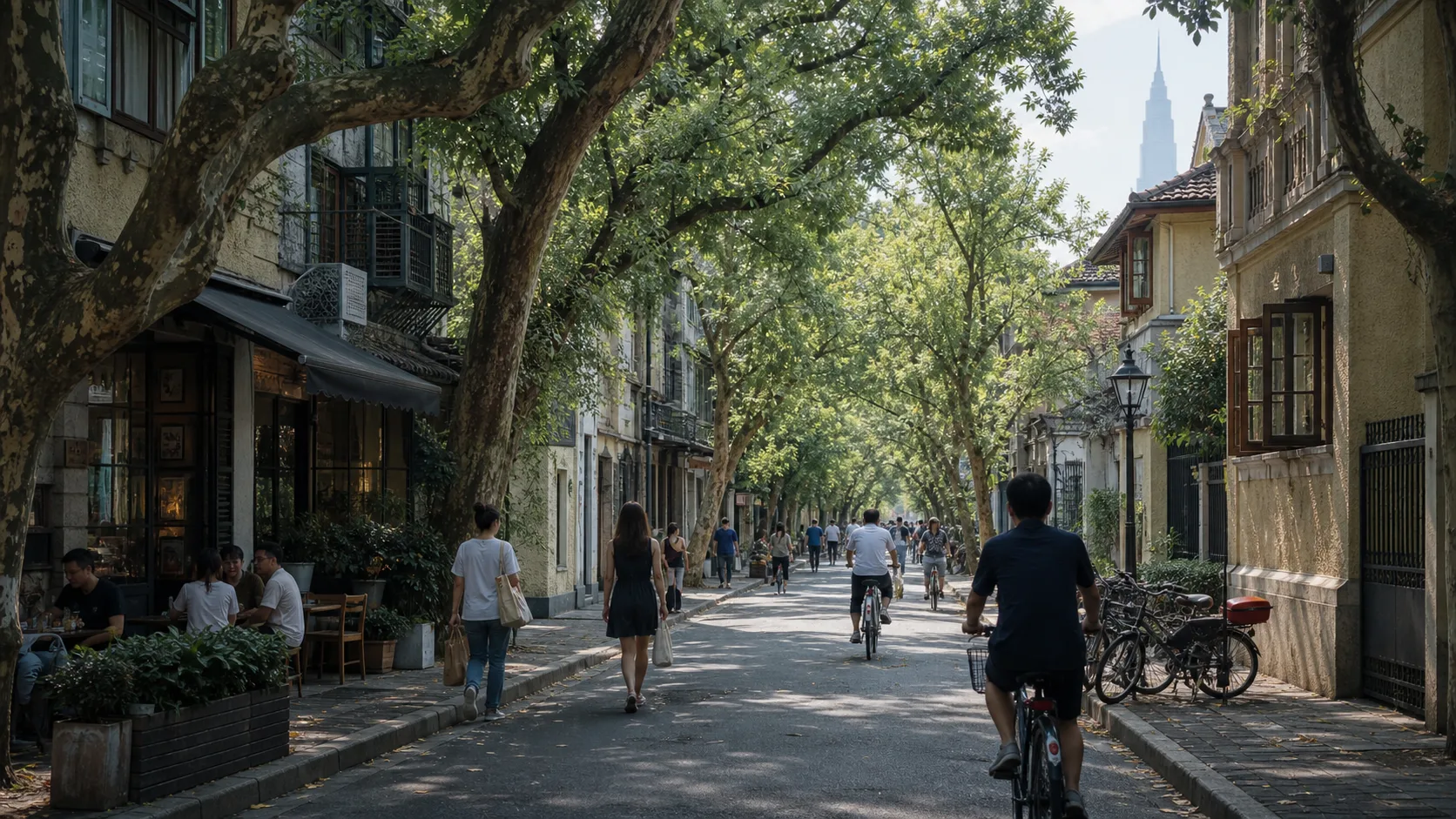
Shanghai is easiest to enjoy when you stop thinking of it as one giant city and start thinking in neighborhoods. For a short first trip, that matters more than almost anything else: where you stay shapes how much time you waste on the metro, whether you can walk to dinner, and how confidently you can handle your first 48 to 72 hours in China.
Fast Answer
If you only have a short trip in Shanghai, base yourself in or near the Former French Concession, Jing'an, or People’s Square if you want the most balanced first-timer experience. These areas give you a good mix of metro access, restaurants, cafés, easy transfers to classic sights, and enough street life to feel like you are actually in Shanghai rather than in a generic hotel district. If your priority is skyline views and a modern city feel, stay in Lujiazui. If you want nightlife and fashion-forward shopping, consider Xintiandi or the streets around Huaihai Road.
The simplest rule is this: for a first Shanghai visit, choose a neighborhood that matches your trip style, not just a hotel price. A slightly better location often saves more time and stress than a cheaper room saves money. Singapore-based travelers usually notice this fast because Shanghai is large enough that a bad base turns even a two-night stay into repeated metro transfers and long taxi rides.
For a short visit, think in three layers. First, pick a central district with strong metro access. Second, choose a neighborhood that matches your pace, whether that means cafés and old lilongs, finance-district towers, or easy shopping. Third, plan one or two neighborhoods per day instead of trying to “see all of Shanghai.” That approach is what makes a short trip feel smooth instead of rushed.
Context You Need
Shanghai is not a single sightseeing zone. It is a huge, layered city built from districts that feel different enough to matter for visitors. The old foreign concessions, the modern Pudong skyline, the shopping and business corridors, and the riverfront all sit close together on a map, but they do not feel close when you are tired, carrying luggage, or arriving jet-lagged from Singapore.
For first-time visitors, the most useful way to understand Shanghai is by neighborhood function.
The Former French Concession is the city’s most walkable and atmospheric zone for many travelers. It mixes tree-lined streets, older low-rise buildings, cafés, bars, boutique shops, and a more relaxed pace than the heavy traffic corridors elsewhere. It is not the most convenient for every single attraction, but it is often the most pleasant place to come back to after a day out.
Jing'an is a good middle ground. It has business-hotel convenience, strong transit, shopping streets, polished malls, and a broad enough food scene that you do not have to plan every meal in advance. It works well if you want convenience without feeling boxed into a purely commercial district.
People’s Square and nearby areas are practical rather than charming. They are central, transit-rich, and useful for getting around quickly. For a short trip, that can be more valuable than a neighborhood with prettier streets but worse access. If your main concern is efficiency, this is one of the safest picks.
Lujiazui is Shanghai’s showcase skyline area in Pudong. It is ideal if your mental image of Shanghai is modern towers, observation decks, luxury malls, and big-city spectacle. The tradeoff is that the area can feel less intimate and less “street life” oriented than the older neighborhoods on the Puxi side of the river.
Xintiandi is polished, easy to understand, and visitor-friendly. It is one of the most comfortable areas for a short stay, especially if you want restaurants and a predictable environment. The downside is that it can feel curated, which is not necessarily bad, but it is less representative of everyday Shanghai than some travelers expect.
Once you see Shanghai this way, the neighborhood choice becomes a planning tool instead of a guessing game. A short trip is not about finding the “best” district in the abstract. It is about choosing the district that reduces friction for your specific route, budget, and energy level.
Step-by-Step Guide
1. Decide what kind of short trip you are actually taking
Before you book anything, answer one question: what should your Shanghai trip feel like?
If you want a first-time Shanghai trip with the least friction, prioritize centrality and transit access.
If you want a romantic or slow city stay, prioritize walkability and café streets.
If you want shopping and food, prioritize a district that puts you near malls, late-opening restaurants, and easy taxi access.
If you want skyline views and iconic skyline photos, prioritize Pudong or a river-facing hotel with a direct metro line.
For many Singapore travelers, the hardest mistake is over-optimizing for hotel rating and under-optimizing for location. A four-star hotel in a weak location can be more tiring than a smaller hotel in a strong one. In Shanghai, a good neighborhood often matters more than a slightly larger room.
2. Match your neighborhood to your itinerary
Use the neighborhood as a planning anchor.
If you expect to spend your time on the Bund, in the former concession streets, at museums, and at dinner spots, stay on the Puxi side of the river. That includes the Former French Concession, Jing'an, People’s Square, or Xintiandi.
If your main priorities are Lujiazui towers, the Oriental Pearl area, and Pudong river views, then staying in Pudong can make sense.
If your trip is mostly food, shopping, and casual wandering, the Former French Concession or Jing'an usually offers the best balance.
If you are only in Shanghai for one night before a domestic flight or train, practical access to the airport or rail station may matter more than charm. In that case, a central metro-connected district is usually still the safest answer unless your schedule is extremely tight.
3. Choose the right base for your travel style
Here is the simplest decision table for first-timers:
| Travel style | Best fit | Why it works |
|---|---|---|
| First visit, want balance | Former French Concession | Walkable, atmospheric, good food and café density |
| First visit, want convenience | Jing'an | Central, polished, strong transit and services |
| Short stopover, want easy logistics | People’s Square | Extremely practical for metro connections |
| Skyline and modern Shanghai | Lujiazui | Best for towers, views, and Pudong spectacle |
| Easy dining and a clean, comfortable feel | Xintiandi | Visitor-friendly and simple to navigate |
Think of this as a hotel-selection filter, not a ranking. The “best” area depends on whether you value ambiance, transit, price, or visual impact.
4. Plan each day by cluster, not by scattered landmarks
Short trips fail when the schedule jumps between far-apart spots.
A better pattern is:
Day 1: one central walking neighborhood plus one riverfront or skyline stop.
Day 2: one museum or attraction cluster plus a meal-and-wander district.
Day 3: one morning coffee area, one shopping stop, and a final lunch before departure.
For example, you might do the Bund and nearby riverfront areas together, then save the Former French Concession and Jing'an for walking and food, then use Pudong for your skyline moment. That sequencing cuts unnecessary transport and gives each area a distinct purpose.
5. Use metro first, taxi second, walking third
Shanghai is a city where the best transport choice depends on the distance and the weather.
The metro is usually the best default for longer hops across the city because it is predictable and avoids traffic.
Taxis and ride-hailing are useful when you are tired, traveling with luggage, or moving between districts late at night.
Walking is ideal inside neighborhood clusters, especially in the Former French Concession and around certain shopping streets.
For first-time visitors, the most efficient rhythm is often metro into the general area, then walk or take a short taxi within the neighborhood. That avoids the frustration of trying to walk too far in Shanghai’s scale or getting stuck in traffic for a trip that should have been easy.
6. Build meals into the neighborhood plan
Shanghai is one of those cities where food is part of the route planning.
If you stay in a neighborhood with a strong food scene, you can make dinner part of the walk instead of a separate errand. That is especially useful on a short trip, because it reduces decision fatigue.
The Former French Concession and Jing'an are strong choices if you want varied dining without much friction. Xintiandi is easy if you want polished options and a simple evening. People’s Square can be practical but may feel less atmospheric. Pudong is fine for hotel dining and mall-linked meals, though it may not be the most charming base for every meal.
7. Keep one buffer half-day
Short Shanghai trips are vulnerable to arrival delays, tiredness, weather, or unexpected queues.
Leave one half-day with no major commitment. Use it for the neighborhood you liked most, an extra café stop, or a low-effort market and shopping loop. That gives you flexibility without making the trip feel incomplete if the first day goes slowly.
8. A simple first-timer flow
If you want an easy version of the whole trip, use this:
- Stay in the Former French Concession, Jing'an, or People’s Square.
- Spend one day on the Bund and nearby riverfront area.
- Spend one day on the former concession streets and café district.
- Spend one evening in Pudong for skyline views.
- Keep one final block open for shopping or a slow breakfast before departure.
That is enough for a first Shanghai short trip to feel complete without trying to over-engineer it.
Costs, Hours, and Logistics
Shanghai neighborhood planning is less about ticket prices and more about how much time and money you lose in transit.
Hotel costs vary widely by season, brand, and location, but the neighborhood premium is real. Central, walkable areas often cost more than outer districts, and skyline-view rooms in Pudong can also carry a premium. For a short trip, many travelers find that paying a bit more for a central base is better value than saving money in a neighborhood that forces extra taxis.
The metro is the backbone of visitor logistics. It is usually the most reliable way to move between major districts, especially during commute windows when road traffic can be slow. Use taxis or ride-hailing for late arrivals, luggage, or direct hotel-to-dinner moves. If you are in Shanghai in hot, humid weather or during a rainy spell, the metro becomes even more useful because it reduces time exposed outdoors.
Most neighborhood sightseeing in Shanghai does not require special booking. Streets, shopping areas, and many public riverfront spaces are free to enter, which makes them ideal for a short trip with flexible timing. Paid attractions such as towers, museums, house museums, and special exhibitions should be booked ahead if you only have a couple of days and do not want to lose time in ticket lines.
For payment, assume you will want a mobile-first or card-friendly setup, but do not assume every situation is identical. Some visitors prefer to have multiple options ready: a payment app, a physical card, and a small amount of cash for backup. That matters less in modern malls and major hotels than in smaller shops or older areas.
Hours also vary by venue. Dining streets can stay lively late, while museums and attractions usually have earlier closing times and may have last-entry rules. If your short trip includes a museum or observation deck, check operating hours on the day you plan to go rather than assuming that every popular spot runs on a standard schedule.
For 2026 planning, the safest approach is to treat transport and entry rules as changeable until the trip is booked. Airlines, visa policies, and attraction reservation systems can all shift. That is especially important for Singapore-based travelers planning a mainland China stop as part of a larger regional trip, because the rule set that applies to one passport or one itinerary may not apply to another. Check entry rules, onward travel requirements, and any reservation quotas before finalizing the flight.
If you want a simple logistics rule, use this:
- Central hotel first, because it saves time.
- Metro second, because it saves money and avoids traffic.
- Taxi as a convenience tool, not your default.
- Book or check major attractions before you leave your hotel.
That combination keeps the trip smooth without overcomplicating the planning stage.
Variations and Edge Cases
The best Shanghai neighborhood changes depending on who you are traveling with and what the trip is for.
If you are traveling as a couple and want a relaxed, visually pleasant stay, the Former French Concession is often the best fit. It gives you streets to wander, good café stops, and enough atmosphere to make the trip feel like more than a series of transfers.
If you are traveling with parents or anyone who prefers straightforward logistics, Jing'an or People’s Square can be easier. They are less “romantic” on paper, but they reduce the amount of explanation you need to do when moving around the city.
If you are traveling with children, the value of a central neighborhood rises quickly. Shorter taxi rides, simpler meal planning, and easier bathroom breaks matter more than an aesthetically perfect block.
If your budget is tighter, do not automatically jump to the outer edge of the city. Sometimes a slightly smaller room in a central district is cheaper in real life than paying for repeated transport. If you do stay farther out, make sure you are directly on a useful metro line and not relying on long, awkward transfers.
If you are visiting in summer, prioritize places with easy indoor escapes. Shanghai heat and humidity can make long walking stretches tiring, so a neighborhood with malls, shade, and simple metro access becomes more valuable.
If you are visiting in winter, you may care less about shade and more about minimizing outdoor transfers between stops. That shifts the advantage toward neighborhoods with indoor dining and transit-rich access.
If this is your first mainland China trip, a visitor-friendly district can reduce stress more than a cheaper but less intuitive one. Xintiandi is a good example: it may not be the most authentic or the most dynamic area, but it is easy to understand on arrival.
If you want the “real” Shanghai feeling, you do not need to reject centrality. The Former French Concession and Jing'an still feel like Shanghai, just in a more usable form. First-time travelers sometimes confuse “easy” with “generic.” In Shanghai, ease and local character can overlap if you choose carefully.
If you are on a very short layover-style stay, the neighborhood is mostly a logistics decision. Pick the place that gets you to the airport, train station, or next-day destination with the fewest moving parts. For many visitors, that means central rather than scenic.
Mistakes to Avoid
The most common mistake is choosing a hotel by price alone. In Shanghai, a cheaper room in a weak location can cost you more in taxis, time, and fatigue than a slightly more expensive central room.
The second mistake is overpacking the itinerary. Shanghai rewards neighborhood clustering. If you bounce between districts all day, the city starts to feel bigger and more tiring than it needs to be.
The third mistake is assuming all popular areas feel the same at night. Some neighborhoods are lively and easy to navigate after dark; others become more businesslike or quiet. If you care about evening atmosphere, check that before booking.
The fourth mistake is forgetting how much weather affects walking comfort. Shanghai can be pleasant on foot, but hot, wet, or cold conditions change the equation quickly. A good neighborhood is one that still works when you are tired or the weather turns.
The fifth mistake is treating Pudong and Puxi as interchangeable. They are connected, but crossing the river adds friction. If most of your plans are on one side, stay there unless you have a strong reason to do otherwise.
FAQ
What is the best neighborhood in Shanghai for first-time visitors?
For most first-time visitors, the Former French Concession is the best all-around choice because it balances atmosphere, walkability, and food options. If you want more convenience and easier transit, Jing'an is the next best option.
Is it better to stay near the Bund or in the Former French Concession?
If your main goal is sightseeing and classic skyline views, the Bund area is useful. If your main goal is to enjoy the city comfortably over a short trip, the Former French Concession usually gives you a better day-to-day experience.
Should I stay in Pudong or Puxi?
Stay in Pudong if you want skyline views and a modern feel. Stay in Puxi if you want older streets, better walking neighborhoods, and more traditional first-visit convenience. For many short trips, Puxi is the easier base.
Is Shanghai easy to get around for a short trip?
Yes, if you plan by neighborhood. The city is large, but the metro, taxis, and ride-hailing make short-trip movement manageable. The key is not to scatter your plans across too many districts in one day.
How many neighborhoods should I try to visit in one short trip?
Two or three is enough for a short stay. One neighborhood can be your base, one can be your sightseeing cluster, and one can be your evening or skyline stop. More than that starts to feel rushed unless you have a longer stay.
What should Singapore travelers keep in mind?
Treat Shanghai like a city where location has outsized value. Singapore travelers are often used to efficient urban movement, but Shanghai is larger and more fragmented. A central hotel and a clustered route plan make a much bigger difference than you might expect.
Do I need to plan every meal in advance?
No. It helps to know your neighborhood’s food scene, but Shanghai is flexible enough that you can usually choose meals on the fly if you are staying in a central area.
Is one night enough?
One night is enough for a quick taste of Shanghai, but it is not enough to see everything. If you only have one night, focus on one walkable neighborhood, one riverfront or skyline stop, and one good dinner.
Next Steps
The best next step is to choose your base neighborhood before you book the hotel. If you want the easiest first trip, start with the Former French Concession or Jing'an. If you want skyline views, move toward Lujiazui. If you want maximum practicality, keep People’s Square on the shortlist and compare hotels near the metro.
After that, build your trip around neighborhood clusters instead of individual landmarks. That is the difference between a short Shanghai visit that feels organized and one that feels like you spent half the time moving between places.
Related: china-shanghai-short-trip-airport-transfer-guide-for-singapore-travelers
Related: china-shanghai-short-trip-esim-and-wifi-guide-for-singapore-travelers
Related: china-shanghai-short-trip-itinerary-for-singapore-travelers