Japan Tokyo Short Trip First Time Travel Guide for Short Holidays

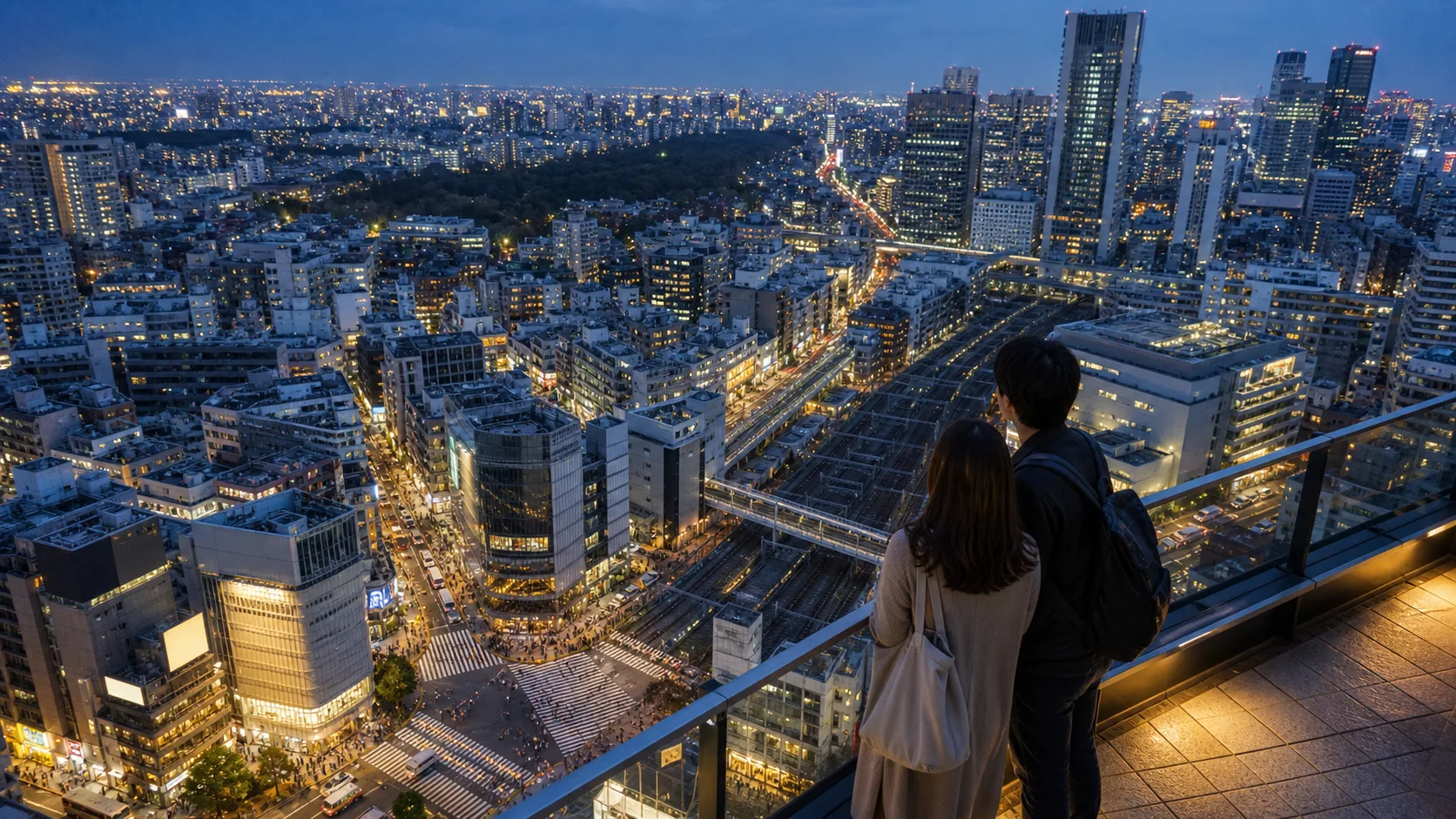
Tokyo is one of the easiest first Japan trips to get right, but short holidays punish vague planning. If you only have a long weekend or a school-holiday break from Singapore, you need to decide fast: stay central, move by rail, use one airport transfer plan, and avoid trying to see the whole city in one burst. Do that, and Tokyo feels smooth rather than exhausting.
1. Fast Answer
For a first Tokyo short trip, the safest plan is 4D3N or 5D4N. That gives you enough time for one east-side sightseeing day, one west-side shopping and food day, one flexible neighborhood day, and one buffer for arrival or departure. If you only have three nights, stay in a central rail-connected area and keep the itinerary compact rather than ambitious.
For Singapore-based travelers, Tokyo is especially manageable because Japan’s short-stay visa exemption includes Singapore passport holders, and the standard tourist stay is up to 90 days. In practical terms, you do not need to build a visa application into a short holiday plan unless your passport situation is unusual. The bigger planning issue is not paperwork; it is geography, transport, and pacing.
The biggest first-timer mistake is trying to cover too many districts. Tokyo looks like one city, but it behaves like several cities stitched together by trains. If you choose one base, use an IC card, and group nearby sights by neighborhood, you can do a short Tokyo trip without feeling rushed.
2. Context You Need
Tokyo is Japan’s capital and the country’s largest urban trip for first-time visitors because it combines old and new in a way that works even on a short stay. You can spend the morning at a historic shrine, eat lunch in a tiny noodles shop, then end the day in a neon-heavy entertainment district or a quiet residential neighborhood with great coffee. That variety is why Tokyo often becomes the first stop in a Japan itinerary and the city people return to between longer regional trips.
For a short holiday, Tokyo is not really about “seeing everything.” It is about understanding the city’s structure just enough to move confidently. The city is built around rail lines, station areas, and local clusters rather than one walkable center. Shinjuku, Shibuya, Tokyo Station, Asakusa, Ueno, Ikebukuro, and Ginza each feel like different trip bases. If you treat them as separate mini-destinations, planning gets much easier.
For a Singapore reader, the comfort level is usually high. English is visible in transport systems, airport signage, major shopping streets, and many hotel front desks. Cashless payment is common, but not universal, so it is still smart to carry some yen. The climate is also a planning issue. Tokyo summers can feel hot and humid in a way Singapore travelers will recognize, but the walking load is still heavier because you spend more time in stations, on platforms, and crossing large urban blocks.
Tokyo is also a place where short-trip logistics matter more than most guidebooks admit. If you book an inconvenient hotel, land on a late-night flight, or try to do six districts in one day, you lose time to transit and decision fatigue. The point of a first-time short holiday guide is to reduce those losses. Once the city becomes legible, Tokyo is much more enjoyable.
3. Step-by-Step Guide
The easiest way to plan Tokyo for a short first trip is to work in this order: decide your trip length, choose your base area, map your airport transfer, then assign each day to one or two nearby districts.
Step 1: Pick the right trip length
If you can choose, 5D4N is the sweet spot for a first trip from Singapore. It gives you:
- one arrival evening that is light and flexible
- two full sightseeing days
- one mixed shopping, food, or museum day
- one departure buffer
If your holiday window is tighter, 4D3N still works if you keep expectations realistic. Three full daytime blocks is enough for Tokyo’s core experience. What does not work well is trying to squeeze in Tokyo plus long side trips plus heavy shopping with no break in between.
Step 2: Decide where to stay
For a first short stay, choose a station area over a “cute neighborhood” unless you already know the city. A hotel near a major rail hub saves more time than a slightly prettier but isolated location.
Good first-time bases usually include:
- Shinjuku: strong transport, easy airport access, lots of food, very practical
- Tokyo Station / Marunouchi / Nihonbashi: efficient for rail transfers, businesslike, central
- Ueno: good value, direct access to museums and Asakusa, simpler pace
- Shibuya: lively, modern, easy for younger travelers and shopping-heavy trips
- Asakusa: more traditional atmosphere, good for slower trips and early starts
If you are traveling with parents, children, or someone who wants fewer transfers, Tokyo Station or Ueno often feels simpler than Shibuya at night. If your priority is food and nightlife, Shinjuku or Shibuya gives you more options. If your goal is “Tokyo but manageable,” Ueno and Tokyo Station are usually the safest bets.
Step 3: Plan your airport transfer before you land
Tokyo has two main airport entry points for short trips: Haneda and Narita. Haneda is closer and easier for a short holiday. Narita is farther but still manageable if you choose the right train or limousine bus.
Before you fly, decide which of these you will do:
- Airport train to your nearest station
- Airport limousine bus to your hotel area
- Pre-booked private transfer if you land late or travel with heavy luggage
For first-timers, the best choice is usually the one with the fewest changes. That is especially true after a red-eye or overnight flight. One straight transfer is better than saving a small amount of money and arriving tired, lost, and carrying luggage through multiple station corridors.
Step 4: Buy or activate your transport plan
You do not need to solve every rail detail in advance, but you do need a simple transport method. A visitor IC card is the easiest answer for a short Tokyo stay. JR East’s visitor option, Welcome Suica, can be used on trains, buses, and shopping, does not require a deposit, and is valid for 28 days. That makes it a strong fit for short holidays.
Use the card for:
- station gates
- local trains
- subways where accepted
- buses where accepted
- convenience-store purchases
That is enough for a compact first trip. If you plan several intercity day trips, you can still keep the same card for local transport and buy separate tickets only where needed.
Step 5: Build your days by geography
This matters more than attraction count. A good Tokyo day groups places that are already near each other.
Example structure:
| Day type | Good area pairing | Why it works |
|---|---|---|
| Arrival evening | Hotel area + nearby dinner | Minimizes fatigue |
| Traditional Tokyo day | Asakusa + Ueno | Easy rail connection, early-start friendly |
| Modern city day | Shibuya + Harajuku | Walkable, shopping and food heavy |
| Central/cultural day | Tokyo Station + Ginza | Good for museums, department stores, polished dining |
| Flexible half-day | Tsukiji area, Ikebukuro, or a single neighborhood | Gives you buffer time |
If you want a short Tokyo trip to feel successful, do not define it by the number of landmarks. Define it by how little backtracking you do. Tokyo rewards people who move horizontally within a district rather than zigzagging across the city.
Step 6: Choose one anchor experience per day
For first-time travelers, each full day should have one clear anchor:
- shrine or temple
- observation deck or skyline stop
- shopping street
- museum or art gallery
- food district
- day trip
Everything else around that anchor should be optional. This keeps the trip flexible if it rains, if a queue is longer than expected, or if you simply want a slower pace.
Step 7: Keep an arrival-day script
Your arrival day should not be overloaded. A good script looks like this:
- Clear immigration
- Pick up or activate transport
- Reach hotel
- Rest or take a short walk
- Eat something simple near the hotel
- Sleep early if you are adjusting from a different time zone
That may sound boring, but boring first evenings are often the reason the next morning goes well. Tokyo becomes much more enjoyable after one proper sleep.
Step 8: Decide whether you want one day trip
For a very short first trip, a day trip is optional, not mandatory. If your goal is to get to know Tokyo, stay in the city. If your goal is to see one iconic nearby area and still return to the same hotel, then a single day trip can work.
The rule is simple: only add a day trip if it replaces, rather than competes with, a city day. If you try to do Tokyo city sightseeing every day plus an out-of-town excursion, the trip becomes too fragmented.
4. Costs, Hours, and Logistics
Tokyo is not a cheap city, but it is controllable. The main cost swing is accommodation. Once your hotel is set, the rest of the trip can be planned with reasonable discipline.
For a short first trip from Singapore, a practical mental budget looks like this:
- budget traveler: capsule hotel, business hotel, and simple meals
- mid-range traveler: clean 3-star or small 4-star hotel, mix of casual and nicer meals
- comfort traveler: central hotel, airport convenience, reserve some nicer dining
Your daily spend will move based on whether you are shopping, eating at convenience stores, or doing attraction tickets and intercity transport. A compact city itinerary keeps costs predictable because rail fares within Tokyo are usually modest compared with long transfer days.
Transport
Local transport is the main logistics advantage in Tokyo. Most first-time travelers do not need to memorize complicated fares. An IC card handles the routine taps. That keeps the trip moving even if you are tired or unsure which line is which.
The two transport mistakes that raise cost are:
- taking taxis too often
- booking a hotel far from a rail line just because the room looks nicer
Tokyo stations can be large, so “close to the station” matters more than “near the city center” in abstract terms. A room ten minutes from a major station is usually a better choice than a cheaper room that forces multiple line changes every day.
Hours and timing
Tokyo is a city of many different operating patterns. Department stores open and close on one schedule, museums on another, restaurants on another, and shrines or open-air sights on another. The safe planning method is to build your day around transit and neighborhood flow, then check the exact opening hours for any booked attraction or special exhibit.
For a short trip, early starts help. They make stations less crowded, leave more slack for queues, and create a better chance of seeing one or two major sights before lunch. Evening is best reserved for food, shopping, or a slower final neighborhood walk.
Payment
Cashless payment is widespread, but not universal. Card and mobile payment work well in many places, especially larger shops, stations, and hotels. Still, some smaller restaurants, markets, or older businesses may prefer cash. Keep enough yen for incidental purchases, even if you plan to use card most of the time.
Booking caveats for 2026
The most useful 2026 planning habit is to book the things that are hard to improvise:
- airport-to-hotel transfer
- hotel in a station-connected area
- one or two timed-entry attractions if your trip is very short
- dinner reservations if you want a specific restaurant
If you wait until the last minute, Tokyo will still function, but your trip will become more reactive. That is fine for experienced visitors. For a first short holiday, reactive planning usually means wasted time.
5. Variations and Edge Cases
Not every Tokyo short trip should look the same. The best plan depends on season, age group, budget, and whether you want the city itself or a broader Japan taste.
If you are traveling in summer
Tokyo summer is hot, humid, and tiring if you over-walk. You do not need to avoid the season, but you should reduce ambitious outdoor transfers. Add more indoor stops such as department stores, museums, covered shopping streets, or café breaks. Drink more water than you think you need, and avoid building a day that only works if the weather stays cool.
If you are traveling in winter
Winter is often easier for walking, but it changes the rhythm of the trip. Short days mean your sightseeing must start earlier if you want good daylight for outdoor areas. Winter is an excellent time for a more compact city-first itinerary because the air is cooler and the pace feels calmer.
If you are traveling with parents
Older travelers usually prefer fewer station changes, fewer late-night returns, and more seating. Choose a hotel near a straightforward rail line, plan more taxi backups for the final leg if needed, and avoid packing too many neighborhood switches into one day. Tokyo is very parent-friendly if you keep the route simple.
If you are traveling with children
The city works well for families, but only if you protect downtime. A kid-friendly short trip usually benefits from:
- one major activity in the morning
- lunch near the activity area
- a lighter afternoon
- earlier bedtime than a solo adult trip
Children remember the pace of the trip as much as the sights. If the days feel like transport marathons, Tokyo becomes less enjoyable.
If you are on a tighter budget
Short Tokyo trips are often expensive because hotel costs dominate. The best budget move is usually not cutting transport; it is choosing a practical hotel and avoiding overbooking premium experiences. Eat a mix of convenience-store breakfasts, simple lunch sets, and one or two nicer dinners instead of every meal being expensive.
If you want a “Tokyo plus one extra place” trip
This is the edge case many first-timers want. The safe answer is to make Tokyo the main event and add only one outside destination if your trip is long enough. The moment you try to add two or three extras, the short holiday starts to feel like logistics management instead of travel.
6. Mistakes to Avoid
The most common Tokyo short-trip mistakes are easy to prevent once you know them.
First, do not change hotels unless you really need to. Hotel-hopping on a short trip burns time and energy for very little gain.
Second, do not plan by attraction count. Five close neighborhoods are better than ten random landmarks spread across the city.
Third, do not assume every payment situation will be cashless. Carry some yen.
Fourth, do not land with no transfer plan. Even if your flight is smooth, airport navigation feels slower when you are tired.
Fifth, do not use day trips to compensate for poor city planning. If your Tokyo days are already overloaded, adding another destination usually makes the trip worse, not better.
The simplest way to avoid all of this is to use one base, one transport method, and one anchor activity per day.
7. FAQ
Do I need a visa for a short Tokyo trip if I am from Singapore?
For ordinary short tourism visits, Singapore passport holders are on Japan’s visa-exemption list. That makes Tokyo much easier to book on short notice. Still, check your passport validity and confirm the latest rules before departure.
How many days do I need for first-time Tokyo?
Four days and three nights is the minimum I would recommend for a short holiday. Five days and four nights is better because it gives you a buffer for arrivals, slower meals, and one relaxed day.
Should I stay in Shinjuku, Shibuya, or Tokyo Station?
If you want the easiest first-trip logistics, Tokyo Station or Shinjuku are usually the most practical. If you want more nightlife and shopping energy, Shibuya is attractive. If you want a calmer base and better value, Ueno is often underrated.
Is Tokyo hard to navigate for first-time visitors?
Not once you understand that the city is organized around rail lines and station areas. The transport system looks complex at first, but an IC card and a map app make it manageable quickly.
Do I need cash in Tokyo?
Yes, some cash. You can use cards widely, but smaller places may prefer yen. A mix of card and cash is the least stressful approach.
What is the easiest transport card for visitors?
A visitor IC card is the simplest choice for a short trip. JR East’s Welcome Suica is particularly convenient because it works on transport and shopping, has no deposit, and is valid for 28 days.
Should I do a day trip from Tokyo on my first visit?
Only if you have enough days. A single day trip can be good, but a first short trip is usually better when Tokyo itself is the focus. Keep the city as the core experience and add only one extra destination if your schedule is generous.
8. Next Steps
If this is your first Tokyo short holiday, the best next step is simple: lock your dates, pick one central station area for your hotel, and map each day by neighborhood rather than by attraction list. Once those three choices are fixed, the rest of the trip becomes much easier to book.
After that, you can refine the trip with one airport transfer decision, one transport card decision, and one backup plan for rainy weather. Tokyo rewards travelers who stay flexible but organized. Keep the itinerary short, keep the movement efficient, and leave enough room to enjoy the city instead of just crossing it off a checklist.
Related: japan-tokyo-short-trip-esim-and-wifi-guide-for-singapore-travelers
Related: japan-tokyo-short-trip-tour-vs-diy-guide-for-singapore-travelers
Related: japan-tokyo-short-trip-itinerary-for-singapore-travelers