Japan Budget Trip Weather and Clothing Guide

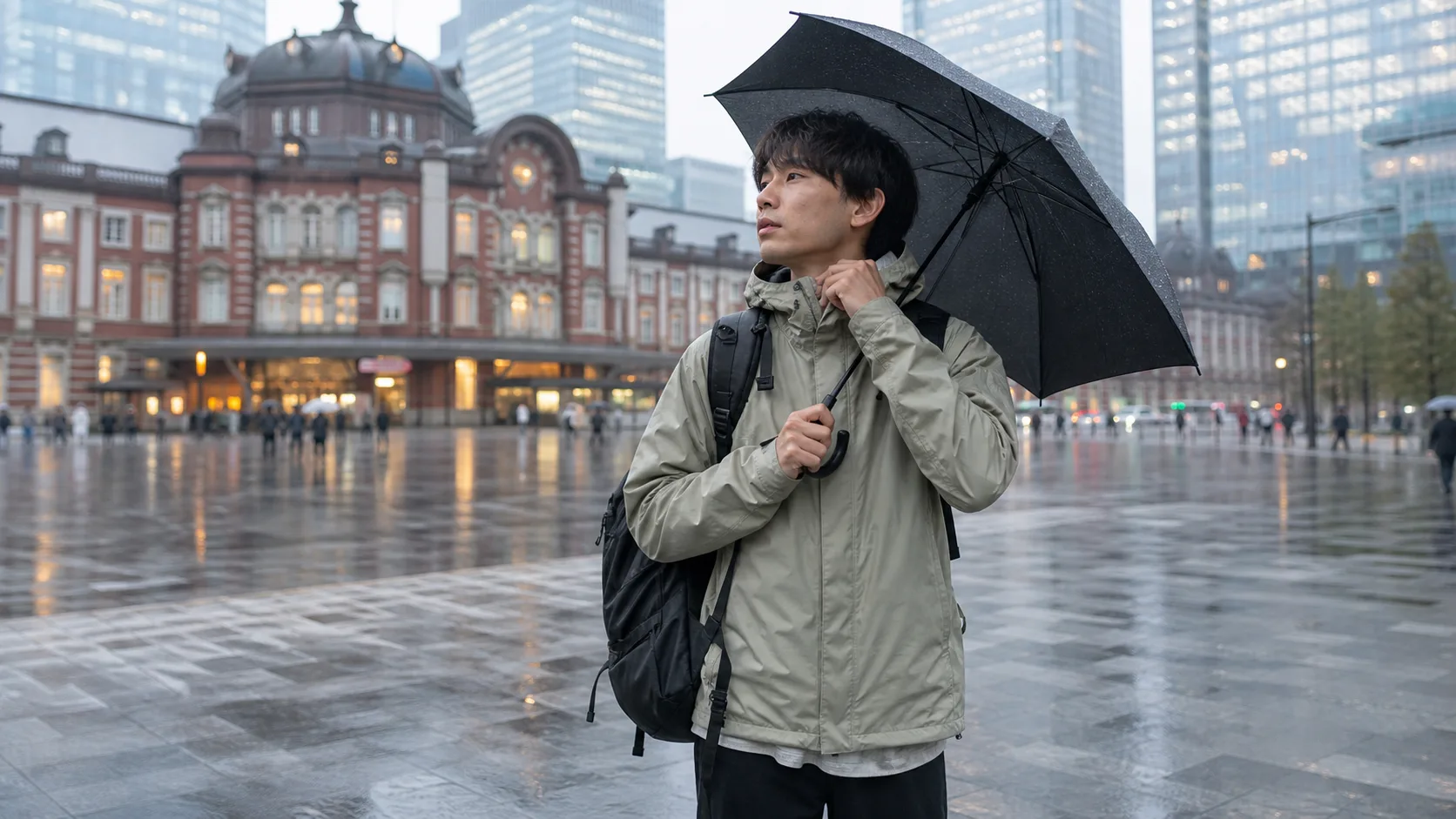
If you are planning Japan on a budget, clothes are part of the budget. Pack too little and you will spend time and money replacing items you could have brought. Pack too much and you will pay for checked luggage, struggle on trains, and waste room for snacks, souvenirs, and day-trip purchases. The right answer is a small, weather-aware capsule wardrobe that works across stations, temples, convenience stores, and long walking days.
1. Fast Answer
Japan is not “one weather” country. Tokyo in summer feels humid and sticky, Hokkaido can be cool even when the rest of the country is hot, Kyoto can feel several degrees harsher than expected in July, and winter winds in northern cities can cut through a thin jacket. For a budget trip, the best strategy is to pack light layers, choose quick-dry fabrics, and leave space for one weather-specific outer layer instead of trying to bring a different outfit for every day.
For most Singapore-based travelers, the easiest rule is this: pack for walking, not for photos. Japan trips usually involve more time outside than you think, especially when you add station transfers, queueing, convenience-store stops, shrine visits, and day trips. A breathable base layer, a small rain layer, one comfortable pair of shoes, and a season-appropriate midlayer cover most itineraries. If you travel in summer, think heat and rain. If you travel in winter, think wind and indoor heating. In shoulder seasons, think layers that can be added or removed quickly.
The biggest money saver is avoiding emergency shopping for weather mistakes. Buying an umbrella, socks, a scarf, or thermal layers in Japan is not expensive, but repeated small fixes add up. Pack the essentials once and use Japanese laundromats, coin wash shops, and quick-dry clothing to stretch a smaller suitcase farther.
2. Context You Need
Japan’s weather changes a lot by region and by season. That matters because budget travelers often build itineraries around rail passes, cheap flights, and multi-city stops. A one-week trip might start in Tokyo, move to Kyoto, and finish in Osaka or Sapporo. Those places do not always feel the same, even on the same day. Japan also has a strong “indoor-outdoor” contrast: stations, trains, department stores, and restaurants are often air-conditioned in summer or heavily heated in winter, while streets and platforms can feel much more extreme.
For clothing, this creates a simple but important packing problem. You do not want thick clothes that are only useful for one cold morning, but you also do not want to rely on buying everything after you land. A budget trip works best when each piece can handle multiple roles. A T-shirt should work alone or under a layer. A pair of pants should be comfortable enough for temple visits and long transit days. Shoes should survive rain, stairs, and all-day walking. That is the real context behind clothing planning in Japan: the country is easy to navigate, but not always easy to dress for if you assume Singapore-style warmth or a single-season forecast.
Japan also rewards preparation because weather can change fast. Summer can shift from bright sun to heavy rain. Autumn can be sunny and cool in the morning, then cold once the sun drops. Winter can be dry in one city and snowy in another. Travelers who pack only for the daytime often end up uncomfortable at night, especially if they are walking back to a hotel after dinner or taking a late train.
Another useful idea is that Japan has excellent convenience infrastructure. That does not mean you should pack carelessly, but it does mean you can plan for a smaller suitcase. If you forget one item, you can usually buy it in a department store, a chain clothing shop, a 100-yen shop, or a convenience store. Still, the cheapest option is to prevent the problem in the first place. Clothes are easiest to overpack and easiest to underplan, so they deserve more attention than they usually get.
3. Step-by-Step Guide
Step 1: Identify your travel month and region
Start with the month, then check the cities. A Japan packing list for spring Tokyo is not the same as a winter Hokkaido list or an August Osaka list. If your trip spans more than one region, pack for the coldest place you will visit and the hottest weather you expect to walk through. For example, a Tokyo-Kyoto-Osaka route in early spring usually needs a light coat or knit layer in the morning, but the same trip in August is mostly about breathable clothing, sun protection, and rain readiness.
If you are traveling from Singapore, this matters even more because many of us are used to uniform warmth and strong indoor cooling, not to the sharp seasonal contrast Japan gives you. The temptation is to overpack “just in case.” Resist that. The smarter move is to pack a flexible base wardrobe and then add one seasonal layer.
Step 2: Build a three-layer clothing system
For most budget trips, the simplest system is:
- Base layer: T-shirts, thin tops, breathable shirts, or heat-retaining innerwear depending on the season
- Midlayer: cardigan, fleece, sweatshirt, light knit, or thin insulated layer
- Outer layer: rain shell, windbreaker, packable down jacket, or heavier coat
This is more useful than packing “outfits.” Japan is a walking and transit country, so you will repeat items. The goal is not variety; it is comfort and ease. A single well-chosen jacket that compresses into a day bag can save you from buying a second coat or carrying a large suitcase through station stairs.
Step 3: Pack by weather type, not only by month
Month-based advice is useful, but weather type is better.
- Hot and humid: prioritize breathable fabric, quick-dry underwear, spare tops, and socks that do not stay wet for long
- Cool and dry: bring layers that block wind rather than bulky sweaters
- Rainy: include a compact umbrella, a small towel, and shoes that dry quickly
- Snowy: focus on insulated outerwear, gloves, and footwear with traction
This way of packing helps when your route crosses different microclimates. Kyoto can feel warmer than Tokyo. Hokkaido can feel like a different trip entirely. Coastal areas can be windy. Mountain or highland day trips can feel colder than the city below.
Step 4: Choose shoes first
If you only optimize one item, optimize shoes. Japan trips are full of stairs, platforms, and walking detours. Budget travelers often use public transport heavily, which means more standing and more walking than on a taxi-heavy holiday. Bring one pair of reliable walking shoes that you already trust. If you expect rain or snow, make sure they handle wet pavement.
Avoid packing brand-new shoes unless you have already tested them on long walks. Blisters are expensive because they force you to buy bandages, slow down your itinerary, and make every transfer harder. If your feet are sensitive, pack a second pair of thin socks or a backup pair of shoes, but keep the total footwear count low.
Step 5: Plan around laundry, not around endless outfits
Laundry is one of the best budget hacks in Japan. Most midrange and business hotels have laundry machines, and coin laundries are common in cities and neighborhood areas. If you can wash every few days, you only need enough clothing for a short rotation. That keeps baggage smaller and frees money for food, transport, or a better hotel location.
The practical approach is:
- Bring quick-dry tops and underwear.
- Pack enough socks for the number of walking days you cannot afford to re-wear them.
- Use laundry after three to four days if your schedule allows.
- Hang-dry anything that comes out damp overnight.
If you are traveling light, this is better than bringing seven full outfits for a five-day trip. It also works well for families or couples sharing one checked bag.
Step 6: Add destination-specific extras
Your clothes should reflect what you plan to do. Temple and shrine days are usually about comfortable, modest clothing and shoes you can remove and put back on easily. Theme park days need weather protection and walking comfort. Ski or snow trips need traction and warmth. City shopping trips need layers because you will go in and out of heated or cooled buildings all day.
A useful mental checklist:
- Temple and shrine visits: easy shoes, respectful coverage, compact bag
- Long train days: light layers and a scarf or jacket for cold carriages
- Night walks: one warm outer layer even in shoulder season
- Day trips: rain protection, snacks, and spare socks
Step 7: Decide what to buy in Japan versus what to bring
You do not need to bring everything from home. Japan has good budget shopping for forgotten basics. If you need socks, gloves, inner layers, umbrellas, or simple tops, buying locally is straightforward. But you should still bring the items that are hardest to replace quickly or comfortably: your best shoes, your preferred rain layer, any specialty-size clothing, and anything you would hate to hunt for after a long flight.
For a budget traveler, this is the correct split:
- Bring: shoes, outer layer, underwear, favorite base layers, any medication-related items
- Buy locally if needed: umbrella, socks, scarf, gloves, simple T-shirts, foldable tote bag
4. Costs, Hours, and Logistics
Clothing itself is not usually the main Japan travel expense, but weather mistakes create hidden costs. If you have to buy a jacket, umbrella, or extra shoes at the last minute, those small items can easily take money away from food or attraction tickets. Budget chains and 100-yen shops help, but the cheapest purchase is still the one you never needed.
Expect to use a mix of airport, station, and neighborhood shops. Convenience stores, drugstores, department stores, and discount chains are the easiest places to solve a clothing emergency. Many are open late, and some convenience stores operate around the clock, which is helpful after a late arrival. That said, you should not rely on a midnight shopping run as your packing strategy. It is better to arrive with a workable setup and treat local shopping as a backup.
Laundry logistics matter just as much as shopping. A lot of Japanese hotels offer coin laundry or self-service machines, and laundromats are common in residential areas and tourist neighborhoods. If your stay is short, washing one load can let you pack half as much. If your stay is longer, laundry access can determine whether you need a carry-on-only setup or a checked bag.
For weather-specific logistics, keep these ideas in mind:
- Summer: carry water, a towel, and a spare shirt if you sweat easily
- Rainy season: pack a compact umbrella and shoes you do not mind getting wet
- Winter: dry air can make indoor heating feel harsher, so bring a scarf or light inner layer even when the day forecast looks mild
- Snow areas: prioritize boots or shoes with grip; city sneakers can become a liability on slush
If you are building a budget trip around trains, note that stations often mean a lot of walking between platforms, exits, and hotel approaches. A “light” trip can still be physically demanding. The goal is not to pack less for the sake of it. The goal is to pack less while preserving comfort.
5. Variations and Edge Cases
Summer travel
Summer in Japan is the season where many travelers get clothing wrong. It is hot, humid, and often rainy, and the humidity can make simple walking feel much harder than in dry heat. If you are used to Singapore humidity, you may think you know the feeling already, but Japan can still surprise you because of the extra walking, strong sun, and long time outdoors between air-conditioned stops.
For summer, choose loose, breathable, fast-drying clothing. Bring a cap or hat if you are sun-sensitive. A compact hand towel is very useful because many people use one to wipe sweat during transit. If you have plans in Kyoto, Osaka, or other dense sightseeing cities, plan for one extra shirt or a midday change if your schedule is packed.
Autumn travel
Autumn is one of the easiest times to travel, but it is also a season where mornings and evenings can diverge a lot. You may start the day in a T-shirt and end it needing a jacket. This is why a thin outer layer matters more than a heavy sweater. If your route includes mountain scenery or earlier sunsets, pack a layer you can use after dark.
Winter travel
Winter packing depends on whether you are visiting the north, the cities, or the snow country. Tokyo and Osaka can be cold enough to need a coat, but not always as cold as a traveler expects. Hokkaido, mountain regions, and windy coastal areas are different. For winter, the most useful items are a real outer layer, a warm inner layer, gloves, and socks that stay comfortable in dry indoor heat.
Budget travelers sometimes try to “save space” by skipping winter accessories. That usually backfires. A scarf or lightweight beanie is small, cheap, and surprisingly effective. If you are visiting snowy areas, footwear matters more than fashion. Grip and warmth beat a clean silhouette.
Spring travel
Spring is flexible but not simple. It can be cool in the morning and comfortable by midday. If you are cherry blossom hunting or doing lots of outdoor sightseeing, layers matter because you may spend long stretches standing still for photos, then moving quickly to your next train.
Spring also rewards light jackets that do not look bulky in indoor spaces. A jacket that can be folded and stashed is better than something you have to carry awkwardly all day. For a budget trip, that makes every museum, café, and station transfer easier.
Different traveler types
Couples and small groups can often share items like an umbrella or a towel, which reduces packing weight. Solo travelers should be a little more conservative because there is nobody to borrow from when the weather turns. Families should prioritize simple packing systems over style variety. The fewer “special occasion” pieces you bring, the easier it is to keep children comfortable and move efficiently.
If you are doing a shopping-heavy itinerary, you can leave some suitcase space intentionally empty. That gives you room for local purchases without needing a second bag. This matters for budget trips because excess baggage can erase the savings you got from a cheaper flight.
6. Mistakes to Avoid
The most common mistake is packing for the forecast instead of the full trip. One sunny day on a weather app does not tell you what a week in Japan will feel like. Build for change, not for the best hour of the day.
Another mistake is bringing too many “nice” clothes and too few practical ones. Japan involves stairs, weather changes, and long walking segments. A neat outfit is useless if the shoes hurt or the fabric traps heat. Comfort is not a downgrade on a budget trip; it is part of the plan.
People also forget that indoor air conditioning and heating can be stronger than expected. A jacket that seems unnecessary outside might be the difference between a pleasant train ride and a miserable one. The fix is simple: always include one layer that solves indoor chill or outdoor wind, depending on season.
Finally, do not assume you can buy everything cheaply only after arriving. Yes, you probably can find what you need. But the point of a budget trip is to avoid friction. Pack the basics well and use Japan’s shops for true gaps, not preventable mistakes.
7. FAQ
What should I wear in Japan if I only want to pack carry-on?
Use a rotation of quick-dry tops, one or two bottoms, one seasonal layer, and one weatherproof outer layer if needed. Rewear where reasonable and plan one laundry stop. Carry-on-only works especially well if your trip is mostly city travel.
Is Japan colder than Singapore all year?
In practical travel terms, yes. Even when the daytime temperature looks mild, Japan often feels colder because of wind, dry air, indoor heating, or long periods outdoors. Summer is also a different kind of difficult because humidity and walking combine to make the heat feel heavier.
Do I need an umbrella in Japan?
You should pack one for rainy season or if your trip is in a month known for showers and typhoons. A compact umbrella is one of the most useful low-cost items you can carry. Even if you do not use it often, it takes little space and solves a lot of problems.
Can I just buy clothes after arriving?
You can, but that is best treated as a backup. Japan has plenty of places to buy basics, but buying after arrival means extra time, extra money, and one more task after a long flight. It is smarter to bring the items you know you will need.
What fabrics are best for Japan travel?
Quick-dry, breathable, and layer-friendly fabrics are the safest choice. In summer, avoid heavy materials that trap heat. In winter, prioritize layers that trap warmth without adding too much bulk. The best fabric is the one that keeps you comfortable on trains, sidewalks, and in stores.
How many shoes should I bring?
Usually one main pair and, if needed, one backup pair. More than that starts to eat into suitcase space fast. If you expect rain or snow, make sure your main pair can handle it, or add a pair that can. Comfort matters more than matching your outfits.
8. Next Steps
Build your Japan packing list around your exact route, not a generic season chart. Start with the coldest city, the hottest walking day, and whether you need rain or snow protection. Then trim everything that does not help with those scenarios. The result should be a small, flexible wardrobe that keeps your budget intact and your trip comfortable.
If you want to go one step further, turn your packing plan into a day-by-day trip checklist. That makes it easier to decide what stays in the suitcase, what goes in your day bag, and what can be bought locally if needed.
Related: japan-budget-trip-budget-travel-guide-for-singapore-travelers
Related: japan-budget-trip-culture-guide-for-first-time-visitors
Related: japan-budget-trip-itinerary-for-singapore-travelers