Japan Ryokan vs Hotel: Which Stay Is Worth Booking?

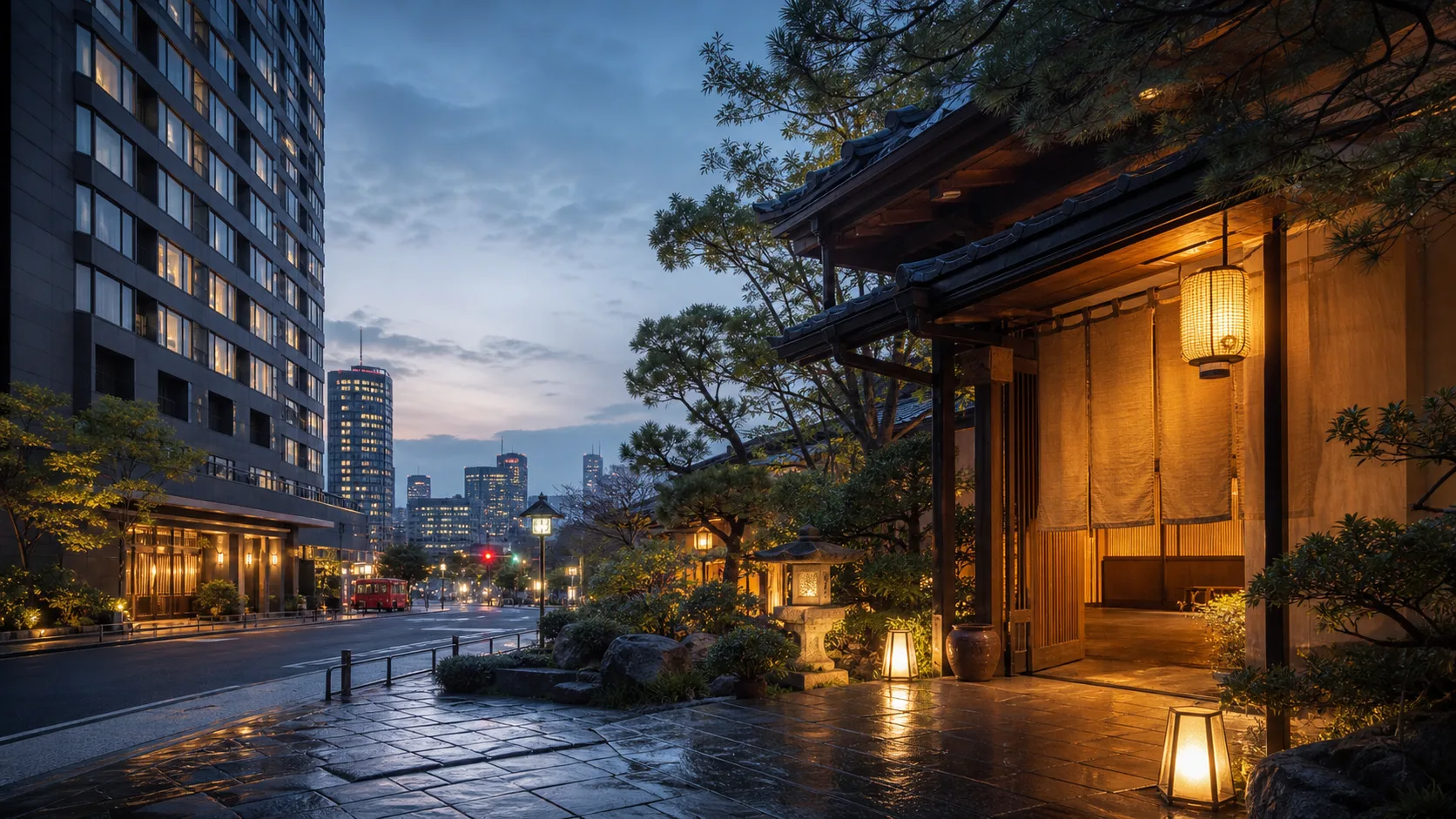
A ryokan and a hotel can both provide a bed in Japan, but they organise a trip differently. The useful choice is not which is more authentic or luxurious. It is which type of stay fits your arrival time, energy, food needs, group, destination, and the kind of evening you want.
The short answer
Book a ryokan when the property, bath, meal, and slower evening are part of the trip. Book a hotel when location, flexible timing, predictable room facilities, and easy transport matter more. Compare the exact room and inclusions, not the label.
Start with the trip purpose
a ryokan is usually chosen for a contained stay—tatami, service, bathing, and often a meal rhythm—while a hotel is usually chosen for location, familiar room logistics, and flexible city days. A decision made from a single glamorous photograph is fragile. Open the actual room listing and record what is included, what is shared, when the property expects you to arrive, and what happens if plans change. For a Singapore-based traveller, this is especially important after a flight, an unfamiliar rail transfer, or a day with children.
Define your core evening purpose clearly. A modern Western hotel serves as an efficient launchpad for exploring city night markets, izakaya bars, and late-night shopping corridors, giving you total freedom over your dinner hour. A ryokan, by contrast, is the destination itself, designed around slow, contemplative relaxation, seasonal culinary courses, and thermal bath soaks.
Compare the room, not the category
ryokan rooms can use futons, shared bathing, scheduled meals, and rules that differ from a conventional hotel room; read photographs, bedding, bathroom, and child-policy details. A decision made from a single glamorous photograph is fragile. Open the actual room listing and record what is included, what is shared, when the property expects you to arrive, and what happens if plans change. For a Singapore-based traveller, this is especially important after a flight, an unfamiliar rail transfer, or a day with children.
Evaluate physical room comfort beyond aesthetic charm. In a ryokan, guests sleep on traditional futon mattresses laid out on fragrant woven tatami mats, which some travelers with back or joint sensitivities find too low or firm. Modern city hotels offer elevated Western pocket-coil mattresses, ergonomic desk chairs, and soundproof double-glazed windows suited for deep urban rest.
Treat dinner and breakfast as part of the price
a kaiseki-style meal can be a highlight but also creates a fixed arrival time and dietary question; a hotel may make late arrivals and neighbourhood dining easier. A decision made from a single glamorous photograph is fragile. Open the actual room listing and record what is included, what is shared, when the property expects you to arrive, and what happens if plans change. For a Singapore-based traveller, this is especially important after a flight, an unfamiliar rail transfer, or a day with children.
Understand how meal pricing skews room rate comparisons. While a ryokan rate of ¥50,000 for two sounds steep compared to a ¥15,000 hotel room, that ryokan quote almost always includes a lavish multi-course kaiseki dinner and elaborate Japanese breakfast that would easily cost ¥20,000 per person at a stand-alone Tokyo restaurant.
Choose an onsen stay for the right reason
private baths, public baths, tattoos, bathing etiquette, reservations, and age rules require reading the property’s own current information. A decision made from a single glamorous photograph is fragile. Open the actual room listing and record what is included, what is shared, when the property expects you to arrive, and what happens if plans change. For a Singapore-based traveller, this is especially important after a flight, an unfamiliar rail transfer, or a day with children.
Distinguish between natural mineral onsen and standard hot public baths. True hot spring ryokan tap geothermal volcanic springs with verified therapeutic mineral properties (sulfur, iron, or saline), whereas urban hotels advertising "public baths" often merely heat standard municipal tap water in large communal tiled tubs.
City bases usually favour hotels
Tokyo, Osaka, Kyoto near a station, and itineraries with day trips often benefit from lifts, luggage storage, late check-in, laundry, and a simple return route. A decision made from a single glamorous photograph is fragile. Open the actual room listing and record what is included, what is shared, when the property expects you to arrive, and what happens if plans change. For a Singapore-based traveller, this is especially important after a flight, an unfamiliar rail transfer, or a day with children.
Consider evening schedule rigidity. Traditional ryokan operate on disciplined schedules: dinner is served strictly between 6:00 PM and 7:00 PM, and front doors often lock by 10:00 PM. If your sightseeing schedule runs late or you prefer spontaneous street-food hopping, an urban hotel with 24-hour keycard access avoids curfew stress.
Scenic overnight stops often favour ryokan
Hakone, Kinosaki, rural valleys, and hot-spring towns can reward a slower stay when the property itself is the evening plan. A decision made from a single glamorous photograph is fragile. Open the actual room listing and record what is included, what is shared, when the property expects you to arrive, and what happens if plans change. For a Singapore-based traveller, this is especially important after a flight, an unfamiliar rail transfer, or a day with children.
Factor in luggage handling across historical architecture. Traditional multi-story ryokan rarely feature guest elevators, meaning travelers must navigate steep wooden staircases in stockinged feet while staff carry heavy suitcases. In contrast, modern international hotels provide expansive luggage elevators, luggage trollies, and wide step-free corridors.
Families need explicit answers
confirm whether children have bedding, meals, bath access, room space, noise expectations, and a safe walking route; do not assume a traditional room is automatically easier. A decision made from a single glamorous photograph is fragile. Open the actual room listing and record what is included, what is shared, when the property expects you to arrive, and what happens if plans change. For a Singapore-based traveller, this is especially important after a flight, an unfamiliar rail transfer, or a day with children.
Check guest policy nuances in advance. Many historical ryokan limit guest counts to adults to maintain serene, whisper-quiet courtyards, while others offer family-friendly garden cottages. Travelers with visible tattoos should verify whether the property offers private reservable family baths (kashikiri-buro) if public bathhouse rules prohibit body ink.
Accessibility and comfort are decisive
stairs, floor bedding, shared facilities, meal seating, mobility needs, and quiet hours can outweigh a beautiful view. A decision made from a single glamorous photograph is fragile. Open the actual room listing and record what is included, what is shared, when the property expects you to arrive, and what happens if plans change. For a Singapore-based traveller, this is especially important after a flight, an unfamiliar rail transfer, or a day with children.
A Western hotel is decisively the smarter choice on transit-heavy travel days. If you are arriving on a late evening flight, catching a 7:00 AM bullet train, or spending twelve hours exploring theme parks, splurging on an expensive ryokan is wasted because you cannot enjoy the leisurely baths or scheduled meals.
Arrival time changes everything
a late flight or long rail transfer may make a dinner-included ryokan stressful; communicate delays through the official contact route and read the stated check-in conditions. A decision made from a single glamorous photograph is fragile. Open the actual room listing and record what is included, what is shared, when the property expects you to arrive, and what happens if plans change. For a Singapore-based traveller, this is especially important after a flight, an unfamiliar rail transfer, or a day with children.
A ryokan is overwhelmingly worth the splurge in designated hot spring sanctuaries such as Hakone, Kinosaki Onsen, Kurokawa, or Noboribetsu. Here, wandering cobbled riverside lanes in your cotton yukata robe and wooden geta sandals between thermal baths creates an indelible, quintessential cultural memory.
Price comparisons need like-for-like totals
compare service charge, meals, tax, transport, bath reservation, child supplements, cancellation, and what a later dinner elsewhere would cost. A decision made from a single glamorous photograph is fragile. Open the actual room listing and record what is included, what is shared, when the property expects you to arrive, and what happens if plans change. For a Singapore-based traveller, this is especially important after a flight, an unfamiliar rail transfer, or a day with children.
Adopt the seasoned traveler's 80/20 formula: spend eighty percent of your itinerary in convenient, well-located city business hotels in Tokyo, Kyoto, or Osaka, and allocate the remaining twenty percent toward a luxurious two-night ryokan retreat in the scenic countryside.
Booking channels and terms matter
use the property or an established platform, save room and meal inclusions, and recheck any special request in writing. A decision made from a single glamorous photograph is fragile. Open the actual room listing and record what is included, what is shared, when the property expects you to arrive, and what happens if plans change. For a Singapore-based traveller, this is especially important after a flight, an unfamiliar rail transfer, or a day with children.
Before locking in your reservation, confirm whether your room includes a private ensuite toilet and bath (furo), as historic heritage wings sometimes feature shared hallway facilities. Additionally, inform the inn of any dietary allergies (such as shellfish or gluten) at least 72 hours prior to arrival.
A mixed itinerary often wins
one carefully chosen ryokan night plus city hotels can provide the experience without forcing every day into a resort rhythm. A decision made from a single glamorous photograph is fragile. Open the actual room listing and record what is included, what is shared, when the property expects you to arrive, and what happens if plans change. For a Singapore-based traveller, this is especially important after a flight, an unfamiliar rail transfer, or a day with children.
Review arrival protocols and shuttle arrangements. Many countryside ryokan provide complimentary shuttle vans from the nearest JR train station if arranged in advance, saving you an expensive private taxi fare or a confusing rural bus connection.
Understanding the Multi-Course Kaiseki Dining Ritual
The defining pinnacle of an authentic ryokan stay is kaiseki-ryori, a traditional multi-course banquet that represents the zenith of Japanese culinary artistry. Originating centuries ago alongside traditional Zen tea ceremonies, kaiseki celebrates seasonality, visual harmony, and the finest local terroir. Each course is served on antique ceramic, lacquerware, or seasonal cedar leaves.
A standard evening banquet features nine to twelve distinct seasonal stages:
- Sakizuke: A delicate appetizer paired with seasonal sake to awaken the palate.
- Hassun: A visually stunning seasonal platter featuring land and sea delicacies that sets the seasonal theme.
- Mukozuke: Seasonal sashimi sliced with surgical precision, served with fresh mountain wasabi.
- Futamono: A lidded ceramic bowl featuring subtly braised vegetables, delicate tofu, and tender seasonal seafood.
- Yakimono: Flame-grilled seasonal fish or premium regional wagyu beef (such as Miyazaki or Hida beef) seared over charcoal.
- Su-zakana: A refreshing palate-cleansing vinegar course, such as pickled seasonal vegetables.
- Shokuji: Locally harvested steamed rice, red miso soup, and house-made fermented pickles (tsukemono).
- Mizumono: Refreshing seasonal fruit, artisan sorbet, or traditional matcha sweets.
Experiencing this unhurried, two-hour culinary journey in your cotton yukata robe within the privacy of your tatami room explains why a ryokan stay is an unforgettable cultural event rather than mere lodging.
Final checklist
Before paying, confirm room layout, beds or futons, bath arrangement, meals, dietary communication, check-in, child rules, accessibility, transport, total cost, cancellation, and what the property expects on arrival. Choose a ryokan for an experience you want time to enjoy; choose a hotel for a city day you want to keep flexible.
Four practical stay patterns
A first Tokyo and Kyoto trip. Use hotels near the stations or neighbourhoods where you will spend evenings. Their predictable check-in, lift access, and luggage handling leave room for sightseeing. Add one ryokan night only if the route reaches a hot-spring town or a property you would genuinely enjoy beyond sleeping there.
A Hakone or onsen-town overnight. A ryokan can be worth the cost when you arrive early enough to settle in, bathe, eat, and enjoy the setting. Book the meal plan only after confirming its timing and dietary process. If you will arrive late after a long transfer, a hotel or a simpler room may protect the experience better.
A family holiday. Some families love the space and informality of a tatami room; others need western beds, a private bathroom, laundry, and flexible breakfast. Confirm every detail with the property instead of deciding from the word “family-friendly.” Children who are comfortable at home may still find shared bathing or unfamiliar meal routines tiring.
A couple’s special night. Ask what makes the property special on the actual date: room view, private bath, dinner, seasonal setting, or simply silence. Pay for the element you will use, not a vague idea of romance. A well-located hotel with a memorable restaurant can beat a rushed ryokan stay; a quiet ryokan can beat an expensive city room when the evening itself is the purpose.
Avoidable booking mistakes
Do not assume every ryokan has an onsen, every room has a private bath, or every dinner is served in the room. Do not assume every hotel is western-sized or close to a station just because the district name is familiar. Do not arrive after the listed meal or check-in time without contacting the property. And do not book a non-refundable rate until the flight, rail, and family plan are firm. The best stay is the one you can arrive at calmly and leave with good memories, not the one with the most impressive listing page.
Read the live property terms again immediately before final payment.
Make arrival part of the value calculation
Check the final train or bus, transfer distance with luggage, meal cut-off, and what happens if a flight delay pushes you past check-in. A beautiful property is poor value when the arrival plan is so tight that dinner, a private bath booking, or the first evening feels rushed. Save the property phone number and address in Japanese as well as English. If the schedule is uncertain, choose a flexible city hotel for the transit night and reserve the ryokan when you can arrive early enough to enjoy it.
Related: japan-tokyo-short-trip-booking-guide-for-first-time-visitors