Japan Budget Trip Culture Guide for First Time Visitors

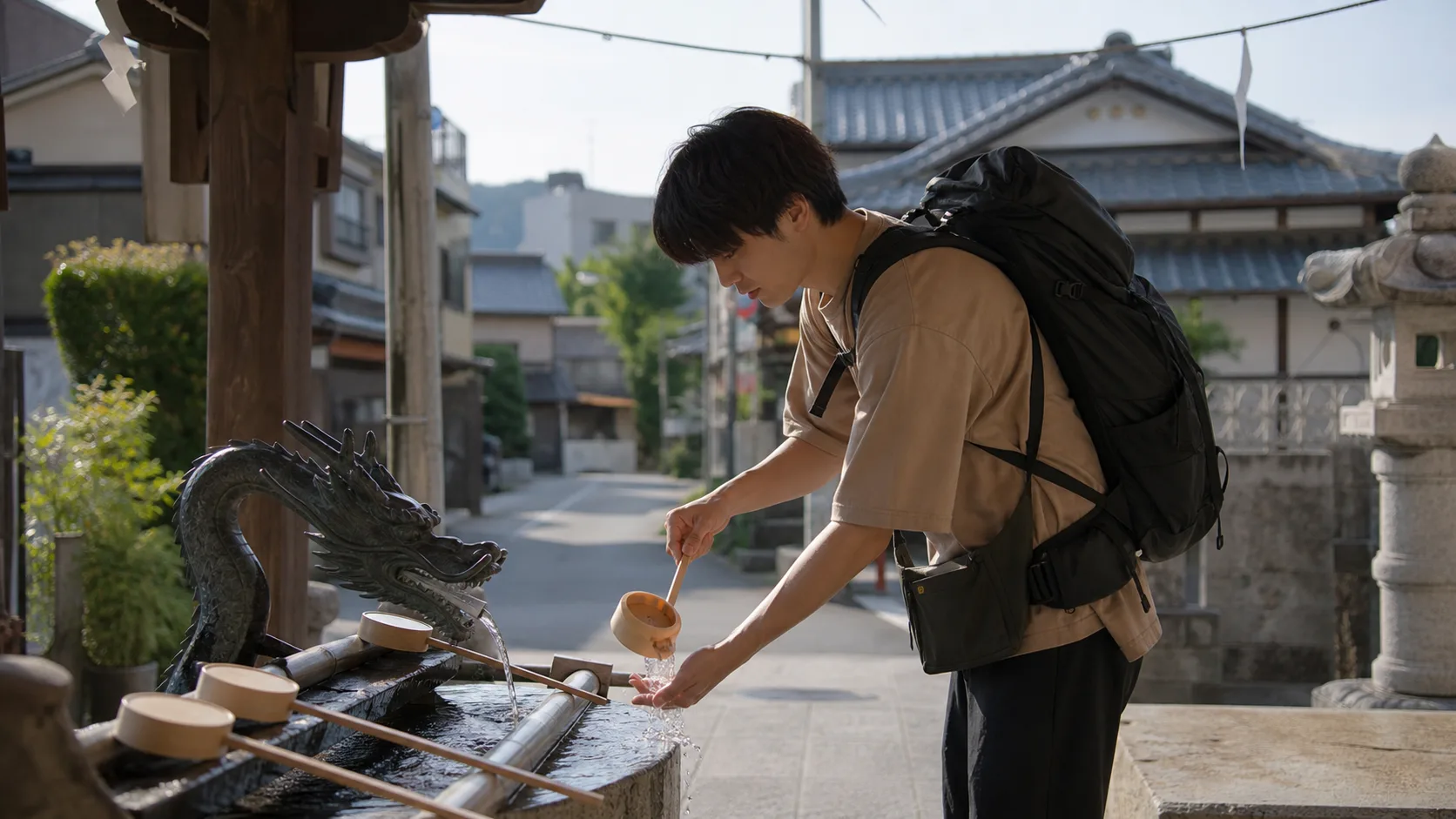
Japan rewards travelers who plan with discipline and behave with a little cultural awareness. That is especially true on a budget trip. The cheapest route is not always the best one, and the most efficient choice is not always the most respectful one. If you get both parts right, first-time visitors can keep costs under control without turning the trip into a checklist of mistakes.
1. Fast Answer
If this is your first Japan trip, the smartest budget plan is simple: stay near a major station, limit hotel changes, use local trains and IC cards for daily movement, and spend a little extra only when it buys you real convenience. Culture matters because small behavior choices affect how smoothly the trip feels. Quiet trains, orderly queues, shoe removal, cash readiness, and basic restaurant manners are not optional extras. They are part of the trip.
A good Japan budget trip is not about being stingy. It is about avoiding friction. The more you understand local norms, the less money you waste on taxis, wrong turns, rushed meals, and impulse transport. For a Singapore-based first-time visitor, that usually means planning a compact route, choosing one or two bases, and learning the basics of etiquette before you land. That combination keeps the trip affordable and makes you feel less like an outsider.
In practical terms, Japan is one of the easiest countries in Asia for an independent traveler to do well on a moderate budget. The challenge is not the country itself. The challenge is overplanning. If you try to see too much, move too often, and improvise every meal, the budget stretches fast. If you respect the rhythm of the place, the same trip can feel calm, efficient, and culturally fluent.
2. Context You Need
Japan is a place where order, restraint, and consideration are built into everyday life. That shows up in the way people queue for trains, speak softly on public transport, separate trash, and treat shared spaces. For a first-time visitor, this can feel formal at first, but it actually makes budget travel easier. When systems are predictable, you spend less time guessing and less money recovering from mistakes.
For a travel guide like this, culture and budget belong together. Many first-time visitors think of budget travel as pure cost-cutting: cheaper hotel, cheaper meal, cheaper ticket. In Japan, that approach can backfire. A room too far from the station costs you in time and energy. A meal chosen only because it is famous can cost twice what a normal set lunch would. A train decision made without checking station transfers can turn a short hop into a tiring half-day. Cultural awareness is what helps you avoid those traps.
The first thing to understand is that Japan is highly local. Tokyo, Kyoto, Osaka, Hiroshima, Fukuoka, and Sapporo all share the same broad etiquette, but the pace and travel patterns are different. In dense cities, people value efficiency and quiet personal space. In temple areas and older neighborhoods, visitors are expected to move carefully and behave respectfully. In food districts, the right move is often to observe first, then copy the line, the order process, and the seating rhythm.
The second thing to understand is that many daily actions are low-cost if you know the system. Trains are easy to use when you understand station names and line changes. Convenience stores are useful when you know what they are good for: breakfast, snacks, drinks, and simple meals. Shops and attractions usually make the rules visible. That means your job is less about decoding hidden secrets and more about paying attention.
The third thing to understand is that Japanese etiquette is not meant to make visitors nervous. It is meant to reduce conflict in crowded places. The rules are usually practical. Keep noise down because everyone shares the carriage. Take off shoes where expected because floors are part of the living space. Stand in line because the line is the system. Do not tip because the bill is already the bill. Once you see the logic, the culture guide becomes easier to use.
For a Singapore traveler, this all maps well to a short, efficient trip. Singapore travelers are already used to orderly public spaces, compact urban movement, and a strong mix of cashless and cash-based habits. The main difference in Japan is that the ritual details matter a little more. Learn those details early and the trip feels smoother from the first station transfer to the last meal.
What budget and culture mean together
On a Japan budget trip, culture is not a separate topic from saving money. It is part of the savings strategy.
If you know how to order in a casual restaurant, you can use lunch sets instead of overpaying at tourist hours. If you know how to read station signs and platform etiquette, you avoid missed trains and expensive detours. If you know which places require shoe removal or quiet behavior, you avoid awkward delays and social friction. Those are all budget wins.
That is why the best first-time travelers do not just ask "What is cheap?" They ask "What is normal here?" That question saves more money than hunting for discounts in isolation.
3. Step-by-Step Guide
The easiest way to plan a first Japan budget trip is to build it in the same order you will live it: arrival, base, movement, meals, etiquette, and day-by-day rhythm. If you get the sequence right, the trip becomes much easier to manage.
Step 1: Choose a route that matches your budget and your comfort level
Do not start by listing attractions. Start by choosing a route shape.
For first-time visitors, the best budget shapes are usually:
- One-city trip, such as Tokyo only or Osaka only.
- Two-base trip, such as Tokyo plus Kansai.
- One base plus day trips, such as Tokyo with a side trip to Kamakura or Osaka with a side trip to Kyoto.
The logic is simple. Every hotel change adds stress. Every long-distance transfer adds cost. Every new city adds decision-making. If your goal is cultural comfort on a budget, fewer moves usually beat a bigger map.
For most first-timers, Tokyo plus Kansai is the classic compromise. Tokyo gives you the scale, the neighborhoods, and the convenience culture. Kyoto gives you temples, traditional streets, and a more ceremonial atmosphere. Osaka gives you food, casual energy, and easier low-cost eating. Together they give you enough variety without forcing a rushed nationwide route.
Step 2: Book the first and last nights around stations
Your first and last nights are the most sensitive parts of the trip. On arrival, you are tired, carrying luggage, and still adjusting to the transport system. On departure, you want to get to the airport without stress.
Book these nights close to:
| Priority | Why it matters |
|---|---|
| A major station | Easier arrival, easier departure, fewer transfer mistakes |
| A direct airport line | Less chance of last-day panic |
| A neighborhood with food and convenience stores | Easy meals without extra transit |
| A walkable route to your hotel | Less taxi reliance with luggage |
Do not optimize only for room size. A small room near the station is usually better value than a larger room that makes every movement expensive. That is especially true on a short trip where the room is mostly for sleeping and storing bags.
Step 3: Learn the etiquette that affects daily movement
You do not need to memorize every rule in Japan. You only need the ones that affect everyday travel.
The most important habits are:
- Queue neatly for trains, elevators, buses, and popular food stalls.
- Keep your voice low on trains and in quiet public areas.
- Do not block station flow with luggage or long stops.
- Stand on the correct side of escalators according to local habit.
- Follow shoe-removal signs exactly at homes, temples, some restaurants, and certain accommodation types.
- Sort trash properly when bins are labeled.
- Ask before taking photos in spaces where behavior is sensitive.
None of this is difficult, but it has a real budget effect. Travelers who move politely tend to move faster. Travelers who move faster waste less time. Less wasted time means fewer taxis, fewer accidental purchases, and less tendency to give up and pay for convenience.
Step 4: Build your food plan before you land
Food is the most pleasant place to save money in Japan because inexpensive food is often genuinely good. The trick is to use the right type of cheap meal at the right time.
Use this basic rhythm:
| Meal | Budget-friendly move | Why it works |
|---|---|---|
| Breakfast | Convenience store, bakery, or hotel add-on | Fast, cheap, and easy before a train or temple visit |
| Lunch | Set meal, noodle shop, curry shop, or casual chain | Lunch is often the best value meal of the day |
| Dinner | Simple local restaurant or supermarket meal | Keeps the trip from becoming expensive every night |
| Snack | Convenience store, fruit, or bakery item | Good for energy between stops |
If you want one cultural rule to remember about food, it is this: do not assume the fanciest area is the best place to eat. Tourist districts charge for convenience. If you walk one or two streets away from the obvious landmark, you often find better prices and shorter queues.
For first-timers, convenience stores deserve respect. They are not just emergency food. They are part of the trip rhythm. A rice ball, sandwich, hot snack, or bottled tea can solve a late arrival, a busy morning, or a light dinner without blowing the budget.
Step 5: Use transport like a local, not like a tourist in a rush
Japan's transport system feels expensive when you use it badly and efficient when you use it intentionally. The best approach is to separate local movement from long-distance movement.
Local movement should usually be handled with an IC card or another easy tap-and-go method available to you. The point is not to chase tiny savings on each ride. The point is to avoid ticket friction and stay flexible.
For long-distance movement, compare the actual cost of your route before you buy a pass or a reserved train seat. A lot of first-time visitors overbuy rail convenience because it sounds like the premium choice. Sometimes it is. Often it is not.
Ask three questions before you book:
- How many long-distance rides do I really need?
- Can I sleep in one city longer and move less?
- Is speed actually worth paying for on this leg?
If the answer to the first question is "not many," the budget answer is usually to skip the pass and buy point-to-point tickets.
Step 6: Plan one cultural anchor per day
Each day should have one main cultural anchor, not five.
Examples:
- A shrine or temple morning.
- A neighborhood walk with food stops.
- A museum or castle visit.
- A market area or old street district.
- An onsen or bathhouse evening, if appropriate.
That structure keeps the trip from becoming noisy and expensive. It also gives you time to behave properly in each setting. Shrines and temples are not places to rush. Bathhouses require calm and careful rules. Traditional neighborhoods reward slow walking. If you move with the right pace, the culture becomes part of the experience instead of a checklist item.
Step 7: Make the "respect" part practical
Respect is not abstract in Japan. It is visible in how you behave in shared space.
If you enter a temple or traditional inn, check shoe rules immediately. If you are on a train, keep your bag close and your voice low. If you are in a restaurant, observe how ordering works before you sit down. If there is a tray, use it. If there is a vending machine ordering process, use it. If the place has a line, join the line.
This matters on a budget trip because respectful behavior gets you through spaces more smoothly. Travelers who are polite and observant often get helped faster, make fewer mistakes, and feel more confident using ordinary places rather than only tourist-facing ones.
4. Costs, Hours, and Logistics
The budget side of Japan depends on a few predictable categories: accommodation, transport, meals, attraction fees, and seasonal demand. The good news is that most of these are controllable if you plan early.
Accommodation
For first-time budget travelers, business hotels, compact city hotels, and well-located hostels are the most useful categories. You are usually paying for three things: location, room size, and booking timing. Location is often the most important one.
Expect a small room to feel normal in Japan. That is not a compromise if the hotel is near the station and the room is clean, quiet, and efficient. On a short trip, a tiny room in the right place usually beats a larger room in the wrong place.
Food
Cheap food in Japan is widely available if you avoid the most obvious tourist streets for every meal. The reliable budget categories are:
- Convenience store meals and snacks.
- Ramen shops.
- Curry rice shops.
- Udon and soba counters.
- Set meal chains.
- Supermarket bentos and late-night discounts.
Lunch is usually the best place to save. Many places offer better value midday than at dinner. If you want a special meal, make it one deliberate choice instead of turning every meal into an event.
Transport
Local transport is where the Japanese system feels most efficient. Stations are easy to navigate once you learn the signs, and the network is dense enough that walking plus transit often beats taxis.
Long-distance transport is where the budget can get out of hand. The current nationwide JR Pass pricing is high enough that many travelers should treat it as a comparison item, not a default buy. For a simple first trip, separate tickets or a regional pass may be more sensible than the nationwide option.
For most first-time visitors, the key logistics rule is this: book the route you actually need, not the route that sounds impressive. A fast train is only worth it if it saves real time in a part of the trip that matters.
Hours and closures
You should expect a typical pattern:
| Place type | Usual pattern |
|---|---|
| Temples and shrines | Early opening, simpler hours, occasional special closures |
| Museums | Daytime hours, often one closed day per week |
| Department stores | Late opening, reliable evening shopping |
| Convenience stores | Long hours, often near 24/7 |
| Train stations | Extensive hours, but ticket office and service details vary |
That means your day should be built around the places with the shortest hours. Put temples, museums, and other time-sensitive stops earlier in the day. Leave shopping streets, stations, and convenience-store stops for later.
Payment and cash
Japan is more cashless than it used to be, but cash still matters. Small restaurants, temple offerings, older buses, and some local shops may still prefer yen. A smart budget traveler uses cards for large purchases and keeps some cash ready for the rest.
Do not overcomplicate the money side. The practical question is not "cash or card everywhere?" The practical question is "what am I likely to need in the next 24 hours?" If you have a little cash and a working card, you are usually covered.
2026 planning caveats
For a 2026 trip, two habits matter most:
- Check current train or pass pricing before you commit.
- Book peak-season transport and accommodation earlier than you think you need to.
Japan remains a country where small timing differences can change the budget a lot. The earlier you know your route, the easier it is to choose a sensible hotel and avoid expensive last-minute fixes.
5. Variations and Edge Cases
The right budget strategy depends on your trip style, not just the destination.
If you are visiting during a major holiday period
Golden Week, Obon, New Year, and cherry blossom season all make budgeting harder. Prices rise, reservations tighten, and crowding increases. In those windows, keep the route simple. Fewer hotel moves, fewer long-distance transfers, and fewer "maybe" bookings are the safest choices.
If you are a solo traveler
Solo travelers can do Japan cheaply, but they can also overdo the sightseeing. The temptation is to squeeze every hour for value. That often leads to fatigue and accidental spend. A solo budget trip works best when you give yourself one anchor area per day and resist the urge to cross the city repeatedly.
If you are traveling as a couple
Couples often care more about comfort than a solo traveler would. That is normal. The budget move is not to force the cheapest option. It is to pick a location that keeps the trip relaxed. A couple that sleeps well and walks less usually spends less than a couple that keeps "saving" money on a hotel that is inconvenient.
If you are traveling with parents or older relatives
This is where the budget definition changes. A more expensive hotel near a major station can be the cheaper trip overall because it reduces strain. You may also want fewer temple stairs, fewer transfers, and fewer late-night moves. Comfort here is not a luxury; it is a cost-control strategy.
If you want a more traditional culture focus
Shift the route toward Kyoto, Nara, Kanazawa, or selected historic neighborhoods in Tokyo and Osaka. Keep the trip slower. Traditional areas are better enjoyed when you are not racing between them. A slower pace often reduces food and transit spending too, because you spend less on "just getting there."
If you want a food-first trip
Base yourself in a city with strong casual-food density, then build the day around neighborhoods rather than landmarks. Osaka is especially useful for this style, but Tokyo can work too if you stay near a well-connected station and choose restaurants away from the busiest tourist strips.
If you want the easiest possible first trip
Pick Tokyo only. Stay near a major station. Add one easy day trip if you have energy. This is not the most ambitious route, but it is often the most satisfying. First-time travelers who stay too mobile often feel they "saw more" while actually enjoying less.
6. Mistakes to Avoid
The biggest mistake is treating Japan like a place where budget travel means discomfort. That is not necessary. You can travel efficiently, eat well, and still stay respectful. The real enemy is poor sequencing.
Do not ignore station proximity
A cheaper room far from the station is often not cheaper in practice. In Japan, location is a daily cost multiplier. Pay attention to the map, not just the nightly rate.
Do not talk or act loudly on trains
This is not just a cultural nicety. Loud behavior creates friction and makes you stand out in a way that can make the trip feel awkward. Quiet movement is part of the system.
Do not assume every place is cashless
Carry some yen. You will need it more often than you expect, especially for smaller purchases and older establishments.
Do not treat temples and traditional spaces like photo backdrops only
Observe before you act. Follow signs, respect shoe rules, and keep your voice low. A respectful visitor usually has a better experience than a rushed one.
Do not buy transport products before doing route math
This is one of the easiest ways to overspend. Build the route first. Then decide whether you need a rail pass, a reserved seat, or just ordinary tickets.
Do not overbook your days
A packed itinerary feels productive but often costs more. When you keep moving, you spend more on transit, food, and recovery. A slower day is often the smarter budget move.
7. FAQ
Is Japan hard to travel on a budget for first-time visitors?
No, but it is easy to overspend if you move too much. The country is very budget-friendly once you understand the system. Stay near stations, use local transport, and avoid unnecessary hotel changes.
What is the most important cultural rule to remember?
Be considerate in shared space. That means quiet trains, orderly queues, attention to shoe rules, and basic observation before you act. If you do that, you will avoid most awkward moments.
Do I need to speak Japanese to travel cheaply?
No. You can do a budget trip with basic English, translation tools, and good preparation. Knowing a few phrases helps, but route planning and etiquette matter more than fluency for most first trips.
Is tipping expected in Japan?
No. In most ordinary situations, tipping is not part of the culture. Paying the stated price and behaving politely is enough.
Should I stay in Tokyo, Osaka, or Kyoto?
For a first budget trip, Tokyo is the easiest all-round base, Osaka is often the best for food and value, and Kyoto is best for traditional atmosphere but can be trickier if you overpack the itinerary. Many first-timers use Tokyo and Kansai together rather than choosing just one forever.
How many cities should I include?
One or two is usually enough for a first budget trip. More than that and you start paying for movement instead of experience.
Are convenience stores really useful or just emergency food?
They are genuinely useful. Breakfast, snacks, drinks, quick lunches, and late-night meals can all be handled there. They are part of everyday travel in Japan, not a sign that you failed to plan.
What should I do first after landing?
Get to your base, check in, buy or load your local transport method if needed, and eat simply. Do not try to do too much on arrival day. Jet lag plus luggage plus a complex route is how budgets unravel.
8. Next Steps
The best next step is to turn your idea of a Japan trip into a short, concrete route with exact nights and transfer points. Once you do that, your budget becomes visible. You can compare station areas, decide how many train rides are actually worth paying for, and make your first trip calmer before you book anything expensive.
If you want the most reliable first-time version, keep it simple: one main base, one secondary base at most, one paid highlight per day, and a food plan that leans on ordinary local meals instead of constant splurges. That is the balance that keeps the trip affordable and culturally smooth.
Related: japan-budget-trip-weather-and-clothing-guide
Related: japan-budget-trip-first-day-setup-guide
Related: japan-budget-trip-itinerary-for-singapore-travelers