Japan Budget Hotels: When Business Hotels Beat Hostels

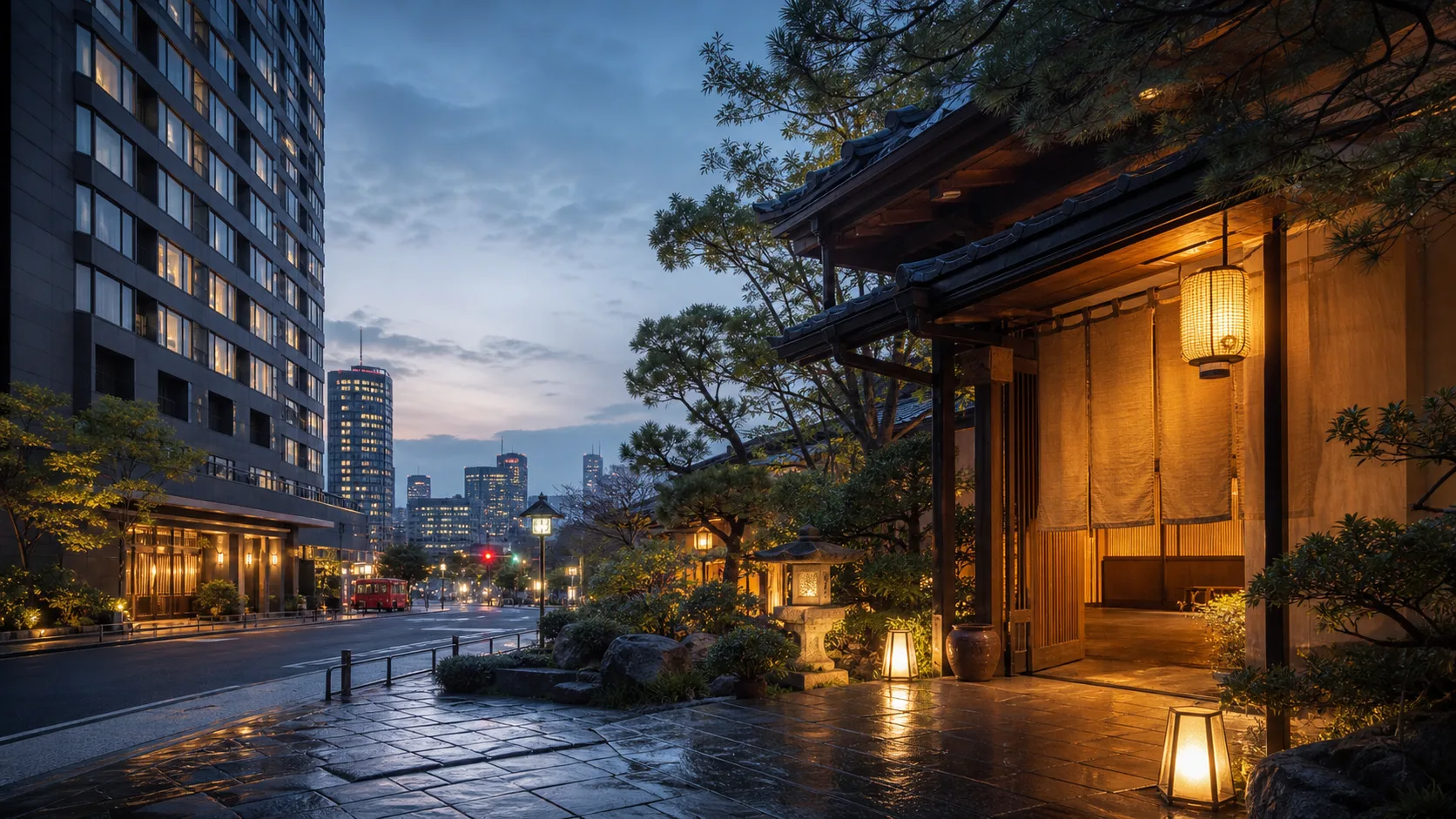
Japan has excellent low-cost accommodation, but “cheap” is not one category. A compact business-hotel room, hostel dorm, private hostel room, and capsule stay solve different problems. The best option is the one that gives the traveller enough sleep, privacy, location, and flexibility for the actual itinerary—not simply the lowest price shown in a search result.
Major Japanese Business Hotel Chains Compared
| Hotel Chain | Price Tier | On-Site Onsen / Public Bath | Signature Traveler Perks & Inclusions |
|---|---|---|---|
| Dormy Inn | Upper Budget (¥11,000 – ¥18,000) | Natural hot spring baths and saunas. | Free evening yonaki soba ramen, free post-bath ice creams and Yakult drinks. |
| Daiwa Roynet | Mid Budget (¥10,000 – ¥16,000) | Standard ensuite bathrooms. | Exceptionally spacious work desks, massage chairs in select rooms, reliable Wi-Fi. |
| Mitsui Garden | Upper Budget (¥12,000 – ¥20,000) | Beautiful designer public baths (daiyokujo). | Elegant lobby aesthetics, upscale bedding, gourmet regional breakfast buffets. |
| Toyoko Inn | Strict Budget (¥7,500 – ¥11,000) | Compact modular ensuite. | Free hot Japanese breakfast, prime real estate 1 minute from JR station gates. |
| Super Hotel | Strict Budget (¥8,000 – ¥12,000) | Natural mineral baths in many branches. | Custom pillow menus (choose from 8 firmness types), free organic breakfast buffets. |
| APA Hotels | Strict Budget (¥7,000 – ¥12,000) | Public baths in flagship large towers. | Ultra-compact high-efficiency rooms, automated 10-second check-in kiosks, ubiquitous locations. |
Why Business Hotels Offer Superior Value Over Hostels for Couples
While youth hostels and capsule accommodations maintain an attractive social reputation, business hotels frequently deliver superior value for traveling pairs. A private double room in a brand-new business hotel typically costs between ¥9,000 and ¥13,000 per night total (¥4,500 to ¥6,500 per person).
By contrast, booking two separate dormitory bunks in a trendy central Tokyo or Kyoto hostel routinely runs ¥4,000 to ¥6,000 per bed. For an extra ¥500 to ¥1,000 total, couples gain a soundproof private room, a pristine private bathroom, complimentary amenities (shampoo, toothbrushes, fresh yukata nightwear), and the ability to sleep peacefully without dormitory door rustling, snoring roommates, or midnight hallway footsteps.
The short answer
Choose a business hotel when a private room, bathroom, reliable sleep, and station convenience will improve a short city trip. Choose a hostel when a central bed and social/shared space matter more than privacy. Treat a capsule as a specific format that requires checking its rules carefully. Compare the exact total, room or bed type, location, facilities, and cancellation before booking.
Define “budget” as total trip cost
a low bed price can create transport, laundry, luggage, breakfast, sleep, and cancellation costs. Read the exact listing for your dates. A property label does not reveal bed size, guest age rules, bathroom setup, locker size, stairs, reception hours, or how far the entrance is from the station you will use. For a traveller arriving from Singapore or moving between Japanese cities, those ordinary details can decide whether an inexpensive stay feels efficient or exhausting.
Calculate total real-world accommodation expenditure by adding luggage locker fees, breakfast costs, and subway transit surcharges to nominal bed rates.
Do not assume all business hotel rooms are identical; newer property builds feature updated modular bathrooms and modern bedside USB-C power arrays.
When a business hotel wins
a private room, private bathroom, reliable check-in, desk, and station access can be worth a modest difference for a short city stay. Read the exact listing for your dates. A property label does not reveal bed size, guest age rules, bathroom setup, locker size, stairs, reception hours, or how far the entrance is from the station you will use. For a traveller arriving from Singapore or moving between Japanese cities, those ordinary details can decide whether an inexpensive stay feels efficient or exhausting.
Weigh the psychological value of an ensuite private bathroom and soundproof door against the social perks of a shared hostel dormitory.
Check recent guest comments regarding elevator waiting times, particularly in tall single-elevator budget properties during 8:30 AM morning checkouts.
When a hostel wins
a hostel can suit solo travellers who value social space, a central bed, and flexible shared facilities more than privacy. Read the exact listing for your dates. A property label does not reveal bed size, guest age rules, bathroom setup, locker size, stairs, reception hours, or how far the entrance is from the station you will use. For a traveller arriving from Singapore or moving between Japanese cities, those ordinary details can decide whether an inexpensive stay feels efficient or exhausting.
Factor in laundry efficiency: business hotels feature commercial high-capacity coin washers right on guest floors, whereas hostels often have single overworked machines.
Confirm non-smoking guarantees: verify that your reservation specifies a Non-Smoking room rather than an ozone-deodorized converted smoking room.
When a capsule stay works
capsules are a specific overnight experience, not a universal substitute for a room; check gender floors, luggage, noise, bathing, and check-in rules. Read the exact listing for your dates. A property label does not reveal bed size, guest age rules, bathroom setup, locker size, stairs, reception hours, or how far the entrance is from the station you will use. For a traveller arriving from Singapore or moving between Japanese cities, those ordinary details can decide whether an inexpensive stay feels efficient or exhausting.
Examine check-in flexibility: major business hotel chains maintain 24-hour staffed reception desks, whereas budget hostels often lock front doors after 10:00 PM.
Verify air conditioning controls: ensure individual in-room climate thermostats can switch freely between cooling and heating during transitional spring and autumn months.
Privacy and sleep
dorm lights, shared bathrooms, snoring, early departures, ventilation, and late arrivals affect the real value of a cheap bed. Read the exact listing for your dates. A property label does not reveal bed size, guest age rules, bathroom setup, locker size, stairs, reception hours, or how far the entrance is from the station you will use. For a traveller arriving from Singapore or moving between Japanese cities, those ordinary details can decide whether an inexpensive stay feels efficient or exhausting.
Check complimentary breakfast offerings: chains like Toyoko Inn and Comfort Hotel include hot breakfast buffets that save ¥1,000 to ¥1,500 per person every morning.
Check window views and orientations: budget hotel rooms on lower floors occasionally face blank exterior concrete walls or narrow light wells.
Location and first/last trains
test the walk from the actual station and the late return route; a central private room can save time and taxi cost. Read the exact listing for your dates. A property label does not reveal bed size, guest age rules, bathroom setup, locker size, stairs, reception hours, or how far the entrance is from the station you will use. For a traveller arriving from Singapore or moving between Japanese cities, those ordinary details can decide whether an inexpensive stay feels efficient or exhausting.
Assess room workability: business hotel rooms feature dedicated writing desks, high-speed wired LAN, and ergonomic chairs superior to noisy hostel common rooms.
Confirm front-desk luggage holding policies on checkout day, verifying whether bags can be stored until your evening flight without fee.
Luggage and laundry
large cases, lockers, storage, stairs, wet clothes, and multi-city moves can make a small room or dorm less practical. Read the exact listing for your dates. A property label does not reveal bed size, guest age rules, bathroom setup, locker size, stairs, reception hours, or how far the entrance is from the station you will use. For a traveller arriving from Singapore or moving between Japanese cities, those ordinary details can decide whether an inexpensive stay feels efficient or exhausting.
Compare bed comfort: modern business hotels partner with premium mattress makers like Simmons or Airweave to deliver exceptional sleeping ergonomics.
Review breakfast buffet menus: some budget chains offer full hot selections while others provide simple individually wrapped bread and black coffee.
Safety and shared spaces
read the property’s current access, locker, reception, curfew, and guest rules; keep valuables and documents secure. Read the exact listing for your dates. A property label does not reveal bed size, guest age rules, bathroom setup, locker size, stairs, reception hours, or how far the entrance is from the station you will use. For a traveller arriving from Singapore or moving between Japanese cities, those ordinary details can decide whether an inexpensive stay feels efficient or exhausting.
Evaluate thermal relaxation: properties like Dormy Inn and APA Hotel feature expansive on-site public baths and saunas that rival luxury hot spring resorts.
Check whether the hotel provides complimentary nightwear, razor kits, and green tea packets at the ground-floor amenity bar.
Families and couples
dorms and capsules often have occupancy or age rules; a business hotel or apartment-style room may be simpler. Read the exact listing for your dates. A property label does not reveal bed size, guest age rules, bathroom setup, locker size, stairs, reception hours, or how far the entrance is from the station you will use. For a traveller arriving from Singapore or moving between Japanese cities, those ordinary details can decide whether an inexpensive stay feels efficient or exhausting.
Check security protocols: business hotels utilize keycard-activated elevators that prevent non-guests from accessing residential floor corridors.
Confirm public bath operational hours: verify whether on-site hot baths operate overnight or close between 1:00 AM and 5:00 AM for routine cleaning.
Bathrooms and bathing
confirm whether the bathroom is private, shared, timed, gender-separated, or requires a particular etiquette. Read the exact listing for your dates. A property label does not reveal bed size, guest age rules, bathroom setup, locker size, stairs, reception hours, or how far the entrance is from the station you will use. For a traveller arriving from Singapore or moving between Japanese cities, those ordinary details can decide whether an inexpensive stay feels efficient or exhausting.
Review points and membership rewards: domestic hotel club memberships often grant free 10th-night vouchers and late 11:00 AM checkouts.
Verify international credit card processing and whether automated self-check-in terminals support English language navigation.
Booking terms
compare identical dates, room types, taxes, payment, cancellation, and late check-in rather than a headline rate. Read the exact listing for your dates. A property label does not reveal bed size, guest age rules, bathroom setup, locker size, stairs, reception hours, or how far the entrance is from the station you will use. For a traveller arriving from Singapore or moving between Japanese cities, those ordinary details can decide whether an inexpensive stay feels efficient or exhausting.
Factor in storage security: private rooms eliminate the anxiety of locking passports, laptops, and camera gear inside shared dormitory metal cages.
Check whether nearby convenience stores or 24-hour beef bowl shops (Yoshinoya, Matsuya) are available for late-night dining.
A practical choice by trip type
one-night transit, several city nights, a ski trip, a first solo trip, and a couple’s weekend have different sleep and privacy needs. Read the exact listing for your dates. A property label does not reveal bed size, guest age rules, bathroom setup, locker size, stairs, reception hours, or how far the entrance is from the station you will use. For a traveller arriving from Singapore or moving between Japanese cities, those ordinary details can decide whether an inexpensive stay feels efficient or exhausting.
Verify station proximity: business hotel chains strategically purchase real estate directly adjacent to JR and subway turnstiles, minimizing walking with luggage.
Keep your booking confirmation QR code saved offline on your phone for rapid scanning at automated check-in kiosks.
A realistic booking sequence
Start with the nights, train movements, and the area where you will spend evenings. Then decide the minimum sleep and privacy standard for the group. Filter for properties that meet it, and only then compare rates and amenities. A business hotel often beats a hostel when the itinerary is dense, the traveller needs a reliable private reset, or the extra cost is small after transport and breakfast. A hostel can be the better purchase when its location and community genuinely add value.
Evaluating the True Hourly Value of Transit-Adjacent Stays
When traveling on a budget, travelers frequently fall into the trap of booking distant accommodations to save ¥1,500 per night. However, calculating the true hourly value of your vacation time quickly reveals why station-adjacent business hotels are superior.
Consider the practical daily math:
- A hotel located 35 minutes outside central Tokyo requires 70 minutes of round-trip commuting daily. Over a 7-day trip, that equates to more than 8 hours spent underground on crowded trains.
- Return train fares across multiple transfers often cost ¥600 to ¥1,000 per person daily, completely negating the modest nightly room savings.
- Staying right beside a major JR Yamanote Line or Osaka Loop Line station allows you to wake up at 8:00 AM, walk three minutes to the platform, and start sightseeing immediately. Returning to drop shopping bags or take an afternoon rest becomes completely frictionless.
Furthermore, staying directly beside a major transportation hub gives you immediate access to station lockers, bento lunchbox shops, and late-night convenience stores. If sudden rain or extreme heat strikes, you can quickly return to your room to dry off, change clothes, or recharge your phone without derailing your entire day's sightseeing plan.
Final checklist
Before payment, confirm the exact bed or room, bathroom, guest rules, reception, late arrival, locker or luggage policy, station route, total price, payment, and cancellation. The best budget stay is the one that protects the next day of the trip.
Related: japan-tokyo-short-trip-booking-guide-for-first-time-visitors
Practical Business Hotel Amenities: Maximizing Value
Beyond free breakfast and coin laundromats, Japanese business hotels provide clever convenience features that maximize travel comfort:
- Pillow Lending Bars: Chains like Super Hotel and Richmond Hotels offer a dedicated "Pillow Bar" in the lobby where guests can select their preferred pillow firmness, height, and fill material (memory foam, feather, or cedar shavings) for optimal sleep.
- Trouser Presses and Air Purifiers: Rooms come standard with high-grade Panasonic nanoe humidifying air purifiers and dedicated trouser presses, keeping travel clothing crisp without luggage wrinkles.
- Complimentary Late-Night Amenities: Properties often provide complimentary welcome bar drinks in the evening or free late-night hot noodle bowls (such as Dormy Inn’s famous Yonaki Soba), saving on convenience store food runs.