Ikebukuro Animate HQ and BL Culture: Otome Road Guide

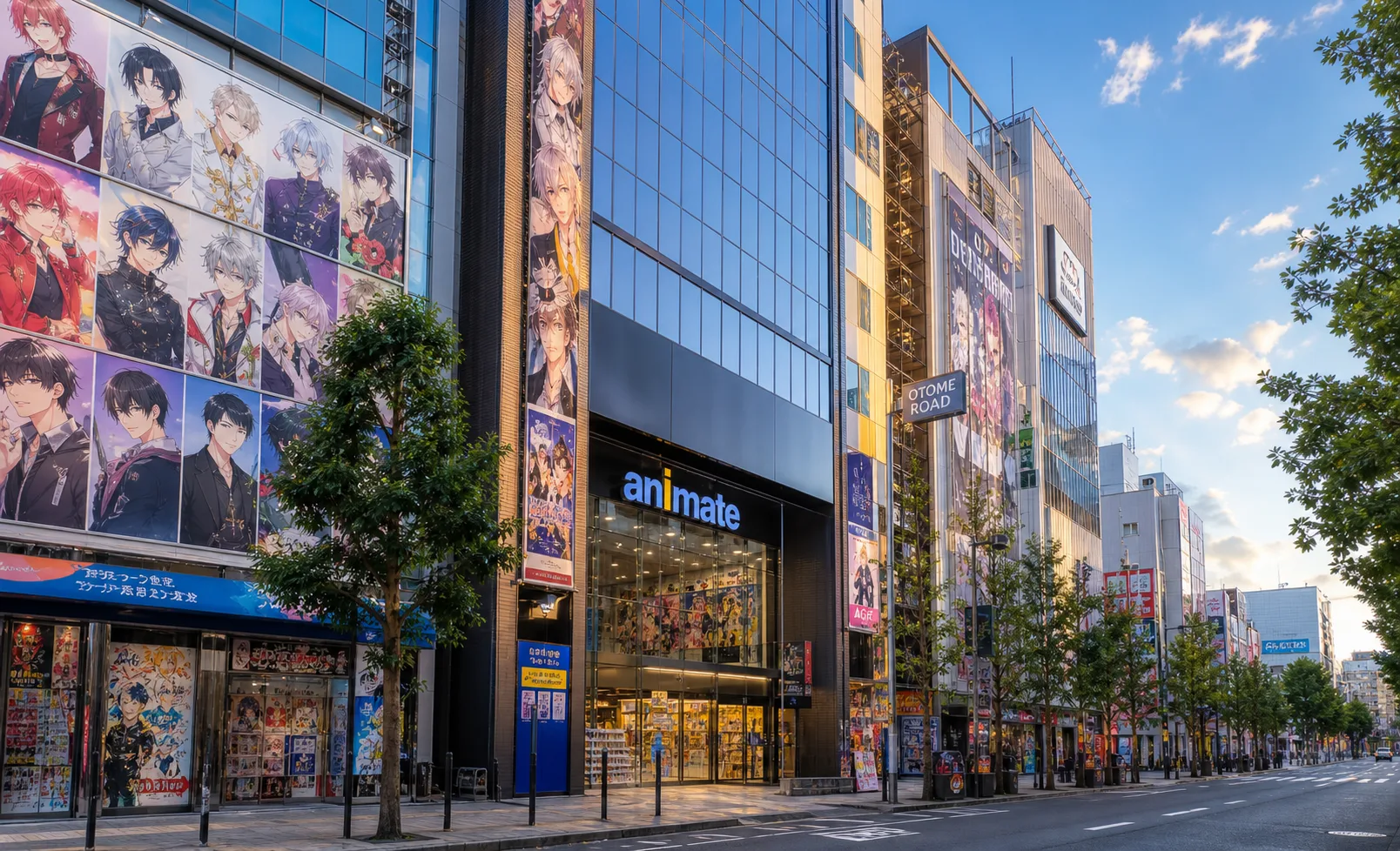
If you are trying to understand what Otome Road is, how to visit Animate Ikebukuro without wasting time, and how to fit the area into a Tokyo trip that actually makes sense, this guide gives you the short version and the useful version. Otome Road is not just a street for hardcore fans; it is a compact, highly browsable pocket of Ikebukuro where BL, otome, character goods, and event spaces sit close enough together for a half-day stop or a longer shopping crawl.
What Otome Road Actually Is
Otome Road is Ikebukuro's fan-culture corridor, best understood as a shopping and browsing district rather than a single road with neat boundaries. In practice, travelers use the name for the cluster of anime, manga, BL, otome, and character-goods stores around Ikebukuro Station and Sunshine City, with Animate Ikebukuro as the most obvious anchor. If Akihabara is the best-known pop-culture district in Tokyo, Otome Road is the version that feels more centered on women-led fandom, romance content, and collectible shopping.
Otome Road matters because it solves a very specific traveler problem: where do you go in Tokyo when you want anime shopping, but you care more about curated character goods, BL titles, limited editions, and fandom spaces that are friendlier to women? The answer is not to treat the area like a theme park. It is a normal commercial district with a strong specialty focus, which means the best visits are the ones where you arrive with a plan, move quickly between shops, and leave room in your bag.
For travelers building a larger anime itinerary, Anime Travel in Japan: Akihabara, Studio Ghibli & Pop Culture Guide is a useful companion because it shows where Otome Road fits in a broader pop-culture route rather than treating it as an isolated stop.
Why the Area Feels Different From Akihabara
Akihabara and Otome Road are both anime destinations, but they solve different shopping moods. Akihabara is broader, louder, and more obviously built around electronics history, large-scale hobby retail, and mixed-gender anime tourism. Otome Road is more compact and more specialized. It is easier to browse if you know what you want, and it can feel less overwhelming if your interests lean toward BL, shojo, otome games, illustrator goods, character collaborations, and fandom cafes.
That difference matters for first-time visitors because it changes the pace of the day. In Akihabara, many travelers wander until something catches their eye. In Otome Road, the smarter move is to move from one clearly targeted shop to the next. If you want doujinshi, limited character goods, BL titles, or collaboration merch tied to a current series, the district is excellent. If you want a broad cross-section of Japanese geek culture, Akihabara is still the wider net.
Who Will Get the Most Out of It
Otome Road is best for travelers who already know they like a specific fandom lane. If you enjoy BL manga, otome games, or character goods aimed at a more female-oriented audience, this is one of the most efficient shopping areas in Tokyo. It is also good for travelers who want gifts that feel more curated than mass-market souvenirs. Instead of generic Tokyo items, you can come away with acrylic stands, clear files, doujinshi, art books, postcards, and collaboration sweets that tell a more personal story.
The area is also practical for people who are still figuring out their tastes. You do not need to be a superfan to enjoy it. The easiest way to approach Otome Road is as a browsing district with a strong editorial point of view. Think of it as a place where the merchandising has already done some of the sorting for you.
Animate Ikebukuro and the Heart of the District
Animate Ikebukuro is the store most travelers are really looking for when they say they want to visit “Animate HQ” in Tokyo. Strictly speaking, it is the flagship store rather than a corporate headquarters for visitors, but functionally it feels like the center of gravity for the district. It is the place where many fans start, regroup, and decide whether they want to spend another hour or another afternoon in the neighborhood.
The current official store information lists Animate Ikebukuro Flagship Store at 10:00 to 21:00 daily, with the store about five minutes on foot from Ikebukuro Station's East Exit. That makes it easy to pair with a train arrival, a lunch stop, or an evening shopping run. The store also posts current campaigns, fairs, and event notices, so the experience is often more active than a standard bookshop visit.
A first-timer should think of Animate as more than shelves of manga. The flagship format usually means floor-by-floor specialization, collaboration displays, limited-time goods, and event tie-ins that can shift the mood of the visit from week to week. If you like checking what's new, the store rewards repeat visits. If you want only a fast pass, it still works as the center point for your route.
What to Expect Inside the Flagship Store
The easiest mistake to make is assuming all Animate stores are similar. The Ikebukuro flagship is designed to feel like a destination store. You can usually expect a much broader selection than a standard branch, stronger attention to current anime campaigns, and a layout that encourages browsing by title, theme, and product type.
The practical upside for visitors is that the flagship helps you compress shopping time. Rather than hunting across the city for every niche item, you can often find a satisfying first round of purchases in one place. That said, the store is still worth exploring slowly if you are visiting for BL or otome content, because the value is often in discovering a line, a collaboration, or an event you did not know was happening.
If you are traveling on a tight schedule, aim to give Animate at least 45 to 60 minutes. If you know you are the kind of person who reads every shelf tag, browses every floor, and checks collaboration cafe menus, plan more. A rushed stop can still be useful, but the store is better when you allow yourself enough time to notice what makes the flagship special.
Why BL and Otome Shopping Works Here
BL and otome shopping work in Ikebukuro because the district has built a dense ecosystem around them. That includes not only Animate, but also secondhand stores, doujinshi shops, character-goods retailers, and nearby cafes or event spaces that understand the rhythms of fandom shopping. The result is a district where the visitor experience feels layered rather than one-dimensional.
For BL fans, the area is appealing because it often carries the kind of printed and collectible material that disappears quickly in mainstream outlets. For otome fans, the appeal is broader: game merchandise, collaboration goods, illustration-focused items, and giftable objects that feel aligned with the tone of the fandom. If you are choosing between a giant general-purpose store and a specialized district, Otome Road usually wins on curation.
The district also makes it easier to shop with intention. You do not have to buy everything at once. It is normal to use one stop to identify what you want, another to compare stock, and a final stop to make a last purchase once you know which series or character actually deserves your money.
How It Connects to the Rest of Ikebukuro
Ikebukuro is already one of Tokyo's busiest transit and commercial hubs, so Otome Road does not exist in a vacuum. It works because the station area, Sunshine City, and the surrounding shopping streets give you a natural sequence: arrive, browse, eat, shop, and leave without needing a complex route map.
This is especially useful if you are visiting Tokyo for the first time and want to avoid wasting energy on transfers. The district is easy to fold into a half-day city plan, and you can combine it with broader sightseeing if you want to keep the day balanced. For a larger city-level framework, Ultimate Tokyo Travel Guide 2026: Everything First-Timers Need to Know is the best companion when you need to connect a niche neighborhood like Ikebukuro to the rest of your itinerary.
Secondary Topic: BL Culture, Otome Culture, and What Travelers Should Understand
The most important thing to understand about Otome Road is that it is not just a shopping district; it is a cultural signal. The area reflects a long-running shift in Japanese fan culture, where women have built powerful buying communities around manga, anime, games, and character goods that speak directly to their interests. That includes BL, otome games, and other romance-forward or relationship-focused media.
For a traveler, the practical takeaway is simple: do not treat the area like a novelty. Treat it like a specialized retail culture. That means reading store atmospheres carefully, respecting the difference between browsing and lingering, and understanding that the merchandise mix reflects audience demand rather than a tourist performance.
BL as a Shopping Category, Not a Stereotype
BL, or boys' love, is a major part of the district's identity, but it is best approached as a media and retail category rather than a punchline. Travelers sometimes arrive with a lazy assumption that BL shopping is either obscure or embarrassing. In reality, it is an established part of the market with clearly defined products, audiences, and retail logic.
If you shop with that in mind, you will get more out of the area. Look for publisher releases, small-run books, illustrations, event goods, and current-series tie-ins rather than expecting a single, uniform “BL shelf.” Much of the fun comes from spotting how stores segment the market and how fast that market changes.
Otome Content Is Broader Than People Think
Otome content is also larger than just romance games. In Tokyo shopping districts, “otome” often points to products and media made with a female fandom lens: game tie-ins, character goods, limited collaboration merchandise, and aesthetics that feel more collectible than mass-produced. The term can be broad, which is exactly why the district remains interesting.
This is one reason first-time visitors should not over-prepare in a rigid way. You may go looking for one title and end up leaving with another because the presentation, packaging, or event display is stronger than you expected. The district rewards curiosity, especially if you are open to browsing current Japanese trends rather than hunting only for preselected items.
The Social Feel of the Area
People often ask whether Otome Road is “for women only.” The short answer is no. The longer answer is that the area is culturally legible to women-centered fandoms in a way that many other districts are not, which changes the atmosphere. You will often see more curated, relationship-centered, or character-focused shopping patterns than in a typical hobby store.
That does not mean outsiders are unwelcome. It means a respectful visitor should adjust expectations. Do not assume the area exists to entertain you as a tourist. It exists because there is a real market for this kind of content. When you approach it that way, the district becomes much more interesting and much less performative.
Practical Guide
Otome Road is easy to visit, but it is better when you do the small planning steps correctly. The area itself is free to walk, and most of your spending will come from purchases, cafe stops, or ticketed events. The most important practical facts for a first visit are the hours of your target store, the station exit you use, and how much time you give yourself.
Hours, Admission, and Prices
The biggest practical advantage of Otome Road is that there is no district admission fee. You are visiting a commercial neighborhood, not a ticketed attraction. That means the real cost is whatever you buy, plus any food or event tickets you choose to add.
For Animate Ikebukuro, the official store page lists hours of 10:00 to 21:00. If you are planning a shopping-focused visit, those hours are generous enough for daytime or early evening plans. In practice, you should still check the official page before you go if you are visiting during holidays, campaign changeovers, or seasonal events, because special operations can affect opening times.
If your goal is not just shopping but also cafes, pop-up collaborations, or event areas, budget separately. Those experiences may have different entry rules, time windows, or purchase conditions. In other words, “Otome Road” is free, but the exact experience you build there may not be.
How to Get There
The most practical arrival point is Ikebukuro Station. For most travelers, that means using the JR, subway, or private rail lines that serve the station, then heading toward the East Exit side for Animate Ikebukuro and the surrounding shopping streets.
If you are arriving from elsewhere in Tokyo, use the station as your anchor and keep the route simple. This is not a district that rewards overcomplicated walking plans. From the station, walk toward your first target, then let the neighborhood fill in around it. If you are carrying a phone with offline maps and a charged battery, you will be fine.
For broader trip logistics such as transit cards, rail passes, IC card strategy, and what kind of ticketing setup saves money, Japan Travel Planning: Visa, IC Card, Rail Pass & Essential Logistics Guide is the right reference before you start building a Tokyo day plan around Ikebukuro.
Suggested Time Budget
A useful first-visit time budget looks like this:
- 30 minutes if you only want a quick look at Animate and one nearby shop.
- 60 to 90 minutes if you want a serious browse with a short snack break.
- Half a day if you want to compare stores, browse secondhand items, and stop for a cafe or themed dessert.
Anything less than 30 minutes starts to feel compressed unless you already know exactly what you want. The district is not difficult to navigate, but it is the kind of place where you want enough time to compare stock and make decisions without rushing.
What to Bring
Bring a reusable shopping bag or enough room in your day bag for flat goods, books, and paper items. This matters more than people expect because Otome Road purchases tend to be compact but numerous: postcards, booklets, acrylic stands, clear files, can badges, and small gifts that add up quickly.
It is also helpful to bring a payment method that works smoothly in Japan. Cash is still accepted in many places, but contactless payments and IC cards make the day easier. If you are shopping during a campaign period, bring patience too. Popular items can sell out, and store staff may be dealing with event-specific rules or queue management.
What Not to Expect
Do not expect the district to function like a single attraction with a gate and a map. It is a neighborhood. That means some of the fun is in discovery, but it also means stock, hours, and event offerings can differ from store to store.
Do not assume every shop has the same taste profile. Some stores skew toward current anime, some toward BL, some toward secondhand goods, and some toward collaboration merchandising. If you know the difference, you will move more efficiently and buy better.
Tips and Common Mistakes
Most mistakes at Otome Road come from treating it like a generic tourist stop. It is better to think like a shopper with a purpose, even if your purpose is “see what is interesting.” That slight shift makes the district easier to enjoy and less likely to feel chaotic.
Tips That Actually Help
Arrive with a shortlist of series, characters, or product types if you can. Even a vague list helps. If you know you want BL manga, a particular anime collaboration, or otome-game goods, you can walk through the district much faster and avoid unnecessary drift.
Check store campaigns before you go. Ikebukuro flagship stores often run promotions that make a visit either much better or much busier than expected. A limited-time display can turn a normal stop into the highlight of your day, while a special release can also create lines you should plan around.
Use the district as part of a route, not as the whole route. It pairs well with lunch, a nearby cafe stop, or a broader Tokyo day. If you try to force it into a tiny schedule window, you will probably feel rushed and buy less thoughtfully.
Common Mistakes First-Timers Make
The biggest mistake is arriving with the Akihabara mental model. Otome Road is not trying to be a more feminine version of Akihabara. It is its own ecology. The merchandising, browsing style, and audience focus are different, and once you accept that, the visit becomes easier to read.
Another mistake is underestimating how niche your interests can get. If you want a specific title, publication, or collaboration line, do not assume one store visit will solve everything. It may, but the smarter move is to browse, compare, and only buy once you know the market.
A third mistake is leaving without checking side streets and neighboring stores. Some of the strongest finds come from stores that do not look special from the outside. If you only visit the most famous name and leave, you may miss the district's real texture.
Respect and Etiquette
Be discreet with photography. Many stores have clear policies or implied norms about what is okay to photograph, especially around people, displays, and limited goods. When in doubt, ask or skip the photo.
Move calmly through the space, especially if you are visiting during a campaign or weekend rush. This is a shopping neighborhood, not a stage set. You will have a better time if you behave like a customer, not an audience member.
Finally, do not over-talk the district in stereotypes. BL and otome culture have real histories, real markets, and real fans. The more seriously you take that, the more useful your visit becomes.
FAQ
Is Otome Road only for women?
No. The area is culturally associated with women-centered fandoms, but it is open to anyone who wants to shop respectfully. The real difference is not access; it is audience focus and product mix.
Is there an admission fee?
No district admission fee exists. You only pay for what you buy, plus any food, events, or ticketed experiences you choose to add.
How long should I stay?
A first visit can be as short as 45 minutes if you know exactly what you want. Most travelers will enjoy it more with 60 to 90 minutes, and fans who like browsing can easily spend half a day.
What is the best first stop?
Animate Ikebukuro is usually the best first stop because it gives you a clean anchor point, current campaign information, and a strong overview of what is trending in the area.
Is it better than Akihabara?
Neither is “better” in general. Akihabara is broader and more famous; Otome Road is more specialized and often better for BL, otome, and curated character goods. If your taste fits the latter, Otome Road can feel more rewarding.
Conclusion
Otome Road is one of Tokyo's most useful specialist districts because it is compact, easy to reach, and genuinely different from the city's better-known anime neighborhoods. If you care about BL, otome content, character goods, or a more curated shopping experience, it is worth building into your Tokyo plan rather than treating it as an optional detour.
The smartest way to visit is simple: start with Animate Ikebukuro, spend enough time to understand the merchandise mix, and use the surrounding streets to round out the trip. Keep your schedule flexible, your bag empty, and your expectations focused on browsing rather than spectacle.
If this is your first time planning a Tokyo neighborhood run, think of Otome Road as the specialized stop inside a larger city itinerary. It works best when paired with broader logistics and a broader route, not when you try to squeeze it into a rushed checklist. That's why the district stays interesting: it rewards the traveler who knows what to look for and is willing to look carefully.