How Seoul's Seasonal Menus Change: Korean Food Guide by Time of Year

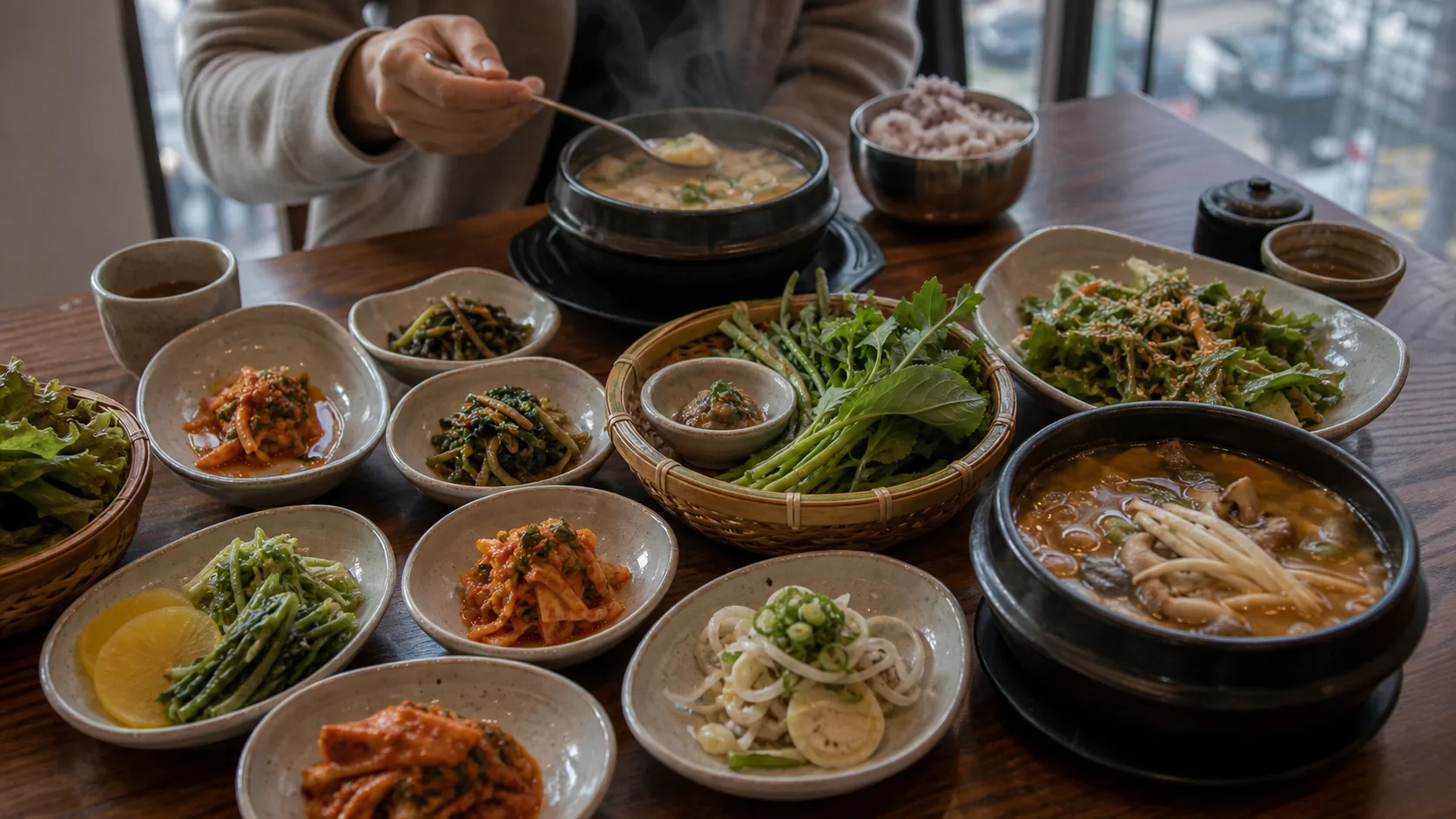
Seoul is not a city where the menu stays still. The same neighborhood can feel completely different depending on the month: cold-weather soups come back when the temperature drops, spring brings wild greens and lighter broths, summer leans into chilled noodles and stamina food, and autumn turns up harvest ingredients, grilled dishes, and richer stews. If you are planning meals around a trip rather than just eating randomly, the season matters.
Why Seoul tastes different by season
Seoul’s seasonal food culture is practical, not decorative. Local restaurants, markets, and home-style eateries adjust dishes to the weather, ingredient supply, and appetite patterns of the month. That means the best food strategy is not “what is famous,” but “what is in season, where should I eat it, and how heavy should the meal be for the weather.”
The easiest way to understand Seoul food is to think in layers. Some dishes are year-round staples, such as bibimbap, samgyeopsal, tteokbokki, and kimchi jjigae. But seasonal menus add another layer on top: restaurants introduce special vegetables, fish, fruit, and noodle preparations that make the same city feel different four times a year. Even when the recipe name stays the same, the ingredients and eating style can change. A cold day changes what feels satisfying. A humid evening changes what feels too heavy. A holiday weekend changes what locals are willing to queue for.
This is why food travel in Seoul works best when you combine three things:
- A few reliable neighborhood staples.
- One or two seasonal specialties that fit the month.
- At least one market or casual stop where the city’s everyday eating habits are visible.
If you do that, you will eat better and also waste less time. You will not need to chase a dozen “must eat” items in every district. Instead, you can match food to weather, transit, and your own energy level. That is especially useful for first-time visitors who are already packing in palaces, shopping streets, museum stops, and late-night walks.
What Seoul serves in spring, summer, autumn, and winter
Seoul’s food calendar is not rigid, but there is a strong seasonal rhythm that shows up in restaurant specials, market stalls, and the kinds of dishes people recommend to visitors. The broad pattern is simple: spring is about freshness, summer is about cooling and hydrating, autumn is about harvest and balance, and winter is about heat, calories, and comfort.
Spring: greens, soft flavors, and the first “lighter” meals
Spring in Seoul usually feels like a reset after a long cold season. That shift shows up on the plate. Menus often lean toward wild greens, fresh herbs, tender sprouts, and more delicate broths. If you are eating in a traditional Korean restaurant, spring is a good time to order banchan and soups that spotlight vegetables rather than heavy meat.
Typical spring-friendly dishes and ingredients include:
- Sanchae bibimbap or mountain-vegetable rice bowls.
- Bibimbap variations with fresh greens and soft egg.
- Herb-forward jeon and vegetable pancakes.
- Light soups and broths that do not feel too rich.
- Early-season shellfish or fish where available.
Spring is also the best time to slow down a bit. A meal in Seoul can be more than eating; it can be a break between cherry blossom walks, palace visits, and market wandering. Spring menus often feel better when you pair them with an itinerary that is also lighter. If you are moving between central Seoul sights and want a stable food anchor, a simple lunch of bibimbap, tofu stew, or vegetable-heavy noodles gives you enough energy without making the rest of the day sluggish.
One common mistake travelers make is assuming that “Korean food” must always mean something spicy and heavy. Spring is where Seoul shows the opposite. The best meals can be the ones that seem understated: a clean broth, a bowl of rice, a good pickle, a fresh scallion pancake, and one seasonal side dish that only appears for a few weeks.
Summer: chilled noodles, hydration, and stamina food
Summer in Seoul changes the menu dramatically because heat and humidity affect what people want to eat. This is when chilled dishes become the obvious choice. Naengmyeon, kongguksu, and other cold noodle preparations feel less like a novelty and more like a survival strategy. Broths are usually clearer or colder, sauces are brighter, and texture matters more than richness.
Common summer choices include:
- Naengmyeon, especially mul-naengmyeon for cooling broth.
- Bibim-naengmyeon for a sharper, spicier version.
- Kongguksu, a cold soy-bean noodle dish.
- Samgyetang, the classic ginseng chicken soup people eat to recover energy.
- Cold barley tea and other hydrating drinks.
Summer also helps explain a paradox of Korean food culture: even when the weather is hot, some people still choose hot, restorative soups. The logic is not contradictory. Many locals treat certain hot dishes as stamina food, especially during the hottest stretch of the year. That means your summer Seoul food plan can include both cold noodles at lunch and a restorative soup later in the day.
For visitors, the practical takeaway is to avoid overplanning heavy, multi-stop meals during peak heat. A better approach is to keep one big target and one light backup. For example, if you want a famous noodle spot, keep dinner flexible so you can adjust based on lines, weather, and fatigue. If you are walking a lot, dessert and drinks often matter as much as the main dish because the city can feel draining in the afternoon.
Another summer detail: market food can be harder to enjoy at full intensity when the weather is hot. If you want to explore a traditional market, go earlier in the day, eat in smaller portions, and add a cold drink stop somewhere nearby. That way you can still sample the energy of the market without turning the visit into a heat-management exercise.
Autumn: harvest ingredients, richer grilling, and deeper flavors
Autumn is probably the easiest season for food travelers in Seoul. The weather is stable, outdoor walking is pleasant, and appetite usually improves. Menus shift toward mushrooms, chestnuts, pears, persimmons, pumpkin, root vegetables, and richer grilled or braised dishes. The city starts to feel more social around food again because people are comfortable sitting outside, moving between districts, and ordering meals that take a little longer.
Autumn is a strong time for:
- Mushroom-forward soups and stews.
- Grilled fish and seafood where seasonally available.
- Braised short ribs and richer stews.
- Rice dishes with nuts, grains, and harvest vegetables.
- Fruit desserts, especially pear and persimmon-based items.
If spring is about freshness, autumn is about depth. This is the season when a Seoul meal can feel intentionally layered: a stew, a grilled main, several banchan, and maybe a sweet finish. It is also the best season for travelers who like to photograph food because the presentation tends to be more colorful and the weather is better for sitting down rather than grabbing something on the move.
Autumn is also when first-time visitors should think about pacing. Because the weather is so easy, it is tempting to overbook restaurants and food markets in the same day. That usually backfires. Seoul’s best autumn food days are often just two or three good stops, not six hurried ones. One substantial lunch, one snack stop, and one comfortable dinner is usually enough.
Winter: hot broth, street snacks, and pure comfort
Winter is the season where Seoul’s food identity becomes the most obvious to outsiders. Cold air makes hot broth, slow-cooked meat, and greasy snacks feel necessary rather than optional. This is the season for jjigae, soup, roasted items, and anything that can warm your hands before it reaches the table.
Winter favorites often include:
- Kimchi jjigae and doenjang jjigae.
- Sundubu jjigae, especially with rice.
- Tteokguk, the rice cake soup associated with the New Year period.
- Galbitang and other clear meat broths.
- Hodu-gwaja, hotteok, roasted sweet potatoes, and other street snacks.
If you only have one chance to understand winter food in Seoul, choose a meal that includes steam, heat, and a shared table rhythm. Korean winter eating is often communal in a very literal sense: multiple dishes arrive hot, the table fills quickly, and the meal slows everyone down. That makes it useful after a long sightseeing day because the food becomes part of your rest, not just your calories.
Winter is also when people often underestimate the city’s street food culture. A snack that seems casual in summer can feel essential in January. Street vendors, snack counters, and market stalls become more attractive because they give you immediate warmth. If your trip includes a lot of walking in old neighborhoods, use winter snacks as a planned stop rather than a random impulse.
How to read a Seoul menu like a local
You do not need fluent Korean to eat seasonally in Seoul, but you do need a simple decision framework. Menus can be long, translation can be imperfect, and a restaurant that looks casual may still specialize in one seasonal thing very well.
The fastest way to choose is to ask four questions:
- What is the weather doing today?
- Do I want to sit down for a full meal or eat lightly between sights?
- Am I more interested in a seasonal signature or a dependable classic?
- Is this the right meal for the time of day?
That last question matters more than many visitors expect. In Seoul, lunch and dinner can feel very different even at the same restaurant. Some dishes work beautifully after a morning of sightseeing and feel too heavy at 9 p.m. Others are ideal for late evening when you want to recover, recharge, and stop moving for a while.
There is also a practical language lesson. When restaurants use words like “seasonal,” “special,” “today’s catch,” or “house recommendation,” they are often telling you what matters right now. That might be a temporary menu item, a special ingredient, or a dish the chef thinks is at its best that week. Those are good signs, not marketing noise.
If you want to avoid menu paralysis, choose one of these strategies:
- Order the seasonal special and one standard dish to compare.
- Let the weather determine whether you want soup or noodles.
- Pick a market dish for lunch and a calmer sit-down meal for dinner.
- Build the day around the meal rather than the other way around.
That last option works especially well if your trip is food-first. A market breakfast, a neighborhood lunch, and a neighborhood dinner can reveal more about Seoul than racing between famous landmarks with random snacks in between. For some travelers, that is the entire point.
Where seasonal eating makes the most sense in Seoul
Seoul is large enough that seasonal food is not concentrated in one place. Still, some areas are better for certain kinds of eating.
Traditional markets
Markets are the clearest place to see seasonal eating in action. They are not polished, and that is the point. You can watch what sells, what smells good, and what local customers buy without treating the meal like a reservation event. Markets are especially useful for trying items that are easy to sample in smaller portions.
The best market approach is to go with a flexible appetite. Do not arrive expecting to eat one massive signature dish and leave. Instead, build a walking meal: one pancake, one hot snack, one noodle bowl, one drink, and maybe a sweet item after. The market becomes an edible survey of the season.
If you are mapping a broader South Korea trip, market visits also fit naturally into a larger route plan like The Ultimate 10-Day South Korea Itinerary for First-Timers, because they work well between sightseeing blocks and do not require a whole day.
Neighborhood restaurants
Neighborhood restaurants are where seasonal food becomes practical rather than theatrical. These are the places where locals actually eat lunch on a weekday, which means the menu is more likely to follow the season without calling attention to itself. A good neighborhood restaurant can be the best place to try something seasonal because the staff are not trying to impress tourists with a giant presentation; they are just cooking what makes sense.
Look for:
- Small specialist noodle shops in hot months.
- Soup and stew places in cold months.
- Grilled fish or set-menu restaurants when appetite is high.
- Tofu, vegetable, and rice-focused spots when you want a lighter meal.
These places are especially valuable if you care more about taste than branding. A restaurant can be unflashy and still be the right answer for that particular month.
Food streets and night markets
Food streets and night markets are useful when you want variety in a short time. They are not always the best place for the most refined seasonal dish, but they are excellent for comparison. You can taste two or three snack items, see what locals queue for, and adjust your next meal accordingly.
That is also where the city’s snack culture overlaps with seasonal eating. A winter night market, for example, is much better when you focus on hot, handheld food. A summer street-food run works better if you keep the pace short and add a cold drink or dessert stop.
If you prefer the snack side of Seoul’s food identity, pair this article with The Ultimate Korean Street Food Guide: Tteokbokki to Tornado Potato. That guide is useful when you want to separate seasonal meals from the grab-and-go items that are worth trying any time of year.
Practical guide: hours, prices, getting around, and booking
Because seasonal food in Seoul is spread across restaurants, markets, and food streets, there is no single admission price or universal opening schedule. The practical question is not “what is the ticket?” but “how do I build the day so the food actually works?”
Hours and timing
For most food-focused sightseeing, the safest strategy is:
- Go earlier than you think for markets and casual lunch spots.
- Reserve sit-down dinners for the evening, when the weather or crowd level is easier to manage.
- Avoid assuming the same opening pattern for every stall or restaurant.
- Check same-day hours when a place is famous, seasonal, or very small.
In Seoul, food timing matters because queues are common at places that are widely recommended, and some seasonal dishes sell out or become less appealing later in the day. If you are chasing a specific seasonal item, treat lunch as the first chance, not the last.
Prices
Prices vary widely by district and style, but a useful way to think about costs is by food format:
- Market snacks are usually the cheapest way to taste several items quickly.
- Noodle bowls and soups are moderate and can be a good value lunch.
- Grilled meat and set menus are more expensive but often more filling.
- Seasonal specialty dishes may cost a bit more if the ingredient is scarce or premium.
For travelers, this means a seasonal food day does not have to be expensive. You can spend less than you would on a single upscale dinner if you plan a market snack stop, one modest lunch, and one practical soup or noodle dinner. The real cost risk is not the menu itself; it is repeated taxi rides, long waits, and impulse ordering when you are hungry and tired.
How to get there
Most food neighborhoods in Seoul are easy to reach by subway and then a short walk. That is usually better than relying on taxis during rush hour, especially if you are carrying shopping bags or moving between districts.
Use this rule of thumb:
- Subway for predictable access and budget control.
- Taxi when you are cold, carrying a lot, or crossing multiple neighborhoods in one evening.
- Walking when the food area is dense and you want to browse.
If you are combining food with sightseeing, cluster meals around your route instead of treating restaurants as isolated destinations. A palace visit in the morning, a nearby lunch, a café break, and a market dinner is easier than zigzagging across the city for every meal.
Booking links and reservations
Some seasonal food experiences do not need booking at all. Markets, snack counters, and casual noodle shops usually reward flexibility. But if you want a well-known restaurant, a special tasting menu, or a private food walk, booking can save time.
Use bookings when:
- You want a specific restaurant during a busy season.
- You are traveling with a group and need a table.
- You want a guided food experience with context and pacing.
- You are trying to coordinate food with a bigger day trip.
If you prefer to book activities rather than improvise everything, it helps to compare food time with your broader weather and sightseeing plan. A seasonal food day should feel like part of the trip, not a logistical interruption. For trip timing, it can be helpful to cross-check weather and food strategy with Korea Seasonal Travel Guide: Best Time to Visit by Month, especially if you are deciding whether to prioritize hot soups, chilled noodles, or outdoor market wandering.
Tips & common mistakes
The biggest mistake travelers make is treating all Korean food as if it belongs to one category. In Seoul, the season shapes the menu, the menu shapes the pace, and the pace shapes whether a meal feels memorable or just filling.
What most guides miss
Most food guides give you a list of famous dishes. That is useful, but incomplete. Seasonal eating in Seoul is really about matching the dish to the context. A famous dish can disappoint if you order it at the wrong time of year or after the wrong amount of walking. A less famous dish can become the best meal of your trip if it fits the weather and your energy level.
A good example is the difference between cold noodles in summer and stew in winter. Both can be excellent, but if you force the wrong one, you will mainly remember the temperature mismatch. That is why local recommendations often sound practical: “go here in winter,” “eat this after the market,” or “try that when the weather is hot.” Those are not casual comments. They are quality-control advice.
Another thing guides miss is that seasonal eating in Seoul often rewards the second or third meal of the day. Tourists sometimes try to make every meal a headline. Locals do not. They might choose one strong dish, one side, and one drink because that is enough. If you copy that pattern, you will probably enjoy Seoul more.
Insider advice
Use these habits to improve your food days:
- Leave one meal unscheduled so you can react to weather and appetite.
- Keep a backup dish category in mind: soup, noodle, grilled, or rice.
- If a place has a seasonally highlighted ingredient, trust it.
- Do not over-order at a market; you want variety, not regret.
- Carry cashless payment options, but assume small stalls may still have preferences or limitations.
- When in doubt, choose something that is hot in winter and cold in summer.
Seasonal food is also a good way to pace a trip for mixed groups. If one person wants light food and another wants comfort food, Seoul makes that easy. You can split into a noodle shop, a soup place, or a market snack route and meet again later. That flexibility is one of the city’s strongest travel advantages.
FAQ
What is the best season for food in Seoul?
Autumn is usually the easiest season for food travel because the weather is comfortable and the menu broadens into harvest ingredients, grilled dishes, and richer meals. Winter is excellent if you like soup, stew, and street snacks. Spring is strong for lighter vegetable-forward dishes, and summer is best for chilled noodles and restorative soups.
Do I need to speak Korean to order seasonal dishes?
No. You can eat very well with basic menu recognition and translation apps. The most useful thing is to know whether you want soup, noodles, rice, grilled items, or market snacks. Once you know the category, ordering becomes much easier.
Are seasonal dishes more expensive?
Not always. Some are premium because the ingredients are limited, but many seasonal meals are standard neighborhood food. Market snacks and noodle bowls can be very affordable. The biggest price jump usually comes from upscale restaurants, special tasting menus, or heavy grilled-meat meals with several add-ons.
Should I make reservations for seasonal food in Seoul?
Only if you want a famous restaurant, a special experience, or you are traveling during a busy period. For most markets and casual neighborhood meals, reservations are unnecessary. A flexible schedule is often the best approach because weather and appetite can change quickly.
How can I tell if a dish is seasonal or just a restaurant special?
Look for ingredients that only appear for part of the year, and notice whether the staff mention weather, harvest, freshness, or “today’s” availability. If a dish is only on the menu briefly or appears in seasonal signage, it is likely tied to the local food calendar rather than being a permanent staple.
Conclusion
Seoul’s seasonal menus are one of the easiest ways to make a trip feel more local without complicating the itinerary. You do not need to chase every famous restaurant. You just need to match the weather, the neighborhood, and the meal type to the month you are visiting. Spring favors lighter greens and broths. Summer rewards chilled noodles and stamina food. Autumn brings harvest ingredients and balance. Winter turns the city toward soups, stews, and hot snacks.
If you plan food this way, Seoul becomes easier to navigate and more rewarding to eat in. You will spend less time guessing and more time choosing well. Start with one seasonal meal, one market stop, and one dependable neighborhood restaurant, then let the weather do the rest.