Gangchon Rail Bike: Book Gimyujeong, Ride and Return to Seoul

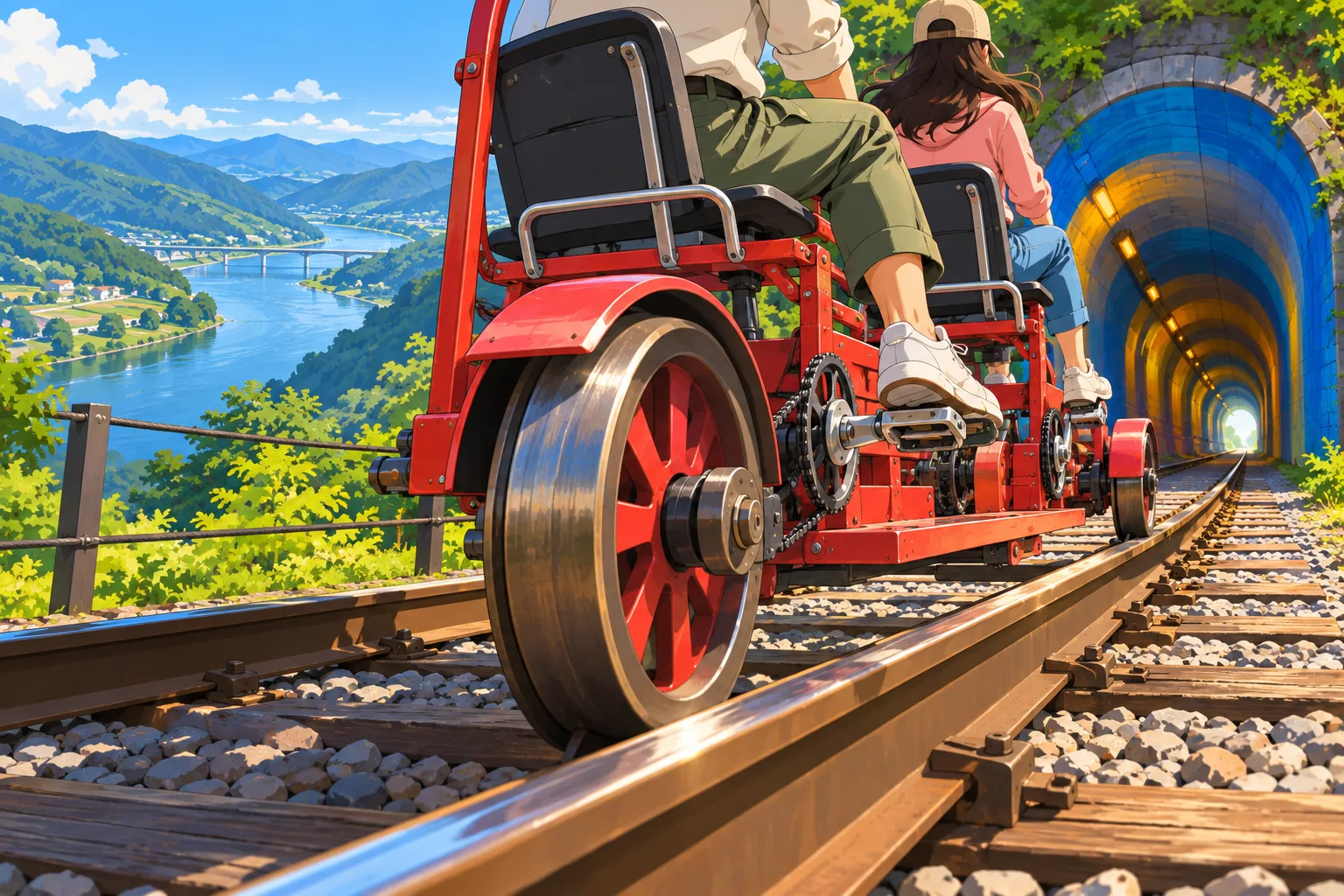
Gangchon Rail Park is an easy activity to misunderstand when planning from Seoul. You book a rail bike at a specific departure point, pedal one part of an old railway, continue on a separate Romance Train, and may use a shuttle to return to where you began. A rail ticket to a station named Gangchon is not the same thing as a Gimyujeong Rail Bike reservation.
This guide is for a Singapore-based visitor who wants one self-guided rail-bike outing without buying the wrong product or assuming the ride ends beside the first train station. The operator's timetable, inventory and refund terms can change. Use its current English booking pages for the final date, time, bike size and price; use this guide to understand the sequence before paying.
Choose Gimyujeong departure and the correct bike capacity
Book the Gimyujeong course and match bike capacity to your group. Gangchon Rail Park also sells rides from other departure areas, so a generic “Gangchon rail bike” search is insufficient. The Gimyujeong ride starts beside Gimyujeong Station and ends after a train section and shuttle back toward the start.
The operator's Gimyujeong course page is the clearest first check. It names the departure point and shows the experience in stages. The Korea Tourism Organization attraction listing independently locates Gangchon Rail Park next to Gimyujeong Station. Save the exact Korean and English station names before navigating: “Gimyujeong” is your starting rail station for this product; “Gangchon” can refer to the brand, area or a different rail station.
Do not confuse the operator's Gimyujeong, Gyeonggang and Gapyeong products. A booking page may display them together, but their starting points, bike formats and route arrangements differ. Check the course name immediately before payment and again on the confirmation. A photograph of a tunnel or river view does not establish which station to use.
The official Gimyujeong schedule page lists two-seat and four-seat bikes. Select the capacity for the number of actual riders, not the number of people in a travel party that may split up. The operator's current rules explain how three people should choose a four-seat bike and how larger parties combine bikes. Check children's age and seating rules directly if traveling with a young child; do not improvise a shared seat or presume a child rides free.
Decide whether everyone wants the same experience
The bike is a group activity with a fixed departure, not a rental bicycle that each person can take around town independently. Discuss whether all travelers can and want to pedal, sit through the course and make the transfer after the ride. Someone expecting a casual ten-minute photo stop may be unhappy with a timed reservation that commits the group to a longer sequence.
If one traveler needs mobility assistance, contact the operator before buying. Its schedule page lists a separate accessible companion bike with conditions, capacity limits and operating months. Do not infer that every standard two-seat or four-seat bike is wheelchair accessible. Ask for the exact current booking procedure, physical transfer requirements, companion rules and availability for the date in question. A written answer is more useful than guessing from photographs.
The activity can fit a couple, family or group of friends, but the group should choose the correct product together. One person buying tickets for everyone should confirm the station, bike count, rider count, departure time and contact details with the others. Send the booking confirmation to the people who must actually reach the platform; a single screenshot in one person's phone is a fragile plan.
Reserve the official ride slot before arranging the Seoul train
Secure a feasible ride time first, then plan the rail journey from Seoul around it. The operator's English reservation guide says a booking is confirmed only after payment, and date, time and bike count cannot simply be changed after confirmation. If plans change, the stated process is to cancel and book again under the current terms. Check the refund window before treating a speculative reservation as flexible.
The operator also states that same-day online reservations are unavailable and that walk-up tickets depend on remaining stock. This matters for a short Seoul trip. If the activity is a key reason for spending a day in the area, booking ahead reduces the chance of reaching Gimyujeong only to find the preferred bike size sold out. If you choose to walk in, accept that a sold-out departure may turn the outing into a different day trip.
Select a departure that leaves reasonable travel and check-in margin. A route app may show a theoretical train arrival shortly before the ride, but the activity needs you at its ticketing and boarding area, not merely on the Gimyujeong platform. Follow the operator's stated arrival instruction for your product. Its schedule and reservation pages should control any check-in timing rather than a copied number in this article.
Before paying, read the precise cancellation and no-show conditions. Do not rely on the vague claim that “you can cancel up to an hour before” without checking the rest of the policy, the refund percentage and whether you are inside an excluded window. A delayed train, wrong station or missed boarding can have different consequences from a properly cancelled reservation. Keep the booking email, payment record and operator contact route.
Before you choose a fare or discount, compare the operator’s own product description with the seller’s confirmation page. The bike capacity and station should match exactly. A reseller may bundle transport or another attraction, which changes the actual journey even if the photograph looks familiar. Note whether your confirmation is an immediate ticket, a voucher requiring exchange, or a request pending availability. If any of those details are unclear, resolve them before paying. Keep the operator’s official course page open while comparing; it is the reference for where the ride actually begins and how the return works.
Make the Seoul approach boring
Find the actual Gyeongchun Line connection from your accommodation, then check the date-specific train schedule. Seoul is large and “from Seoul” can mean very different door-to-door times. Add the local trip to your departure station, interchange walking, platform wait and the walk from Gimyujeong Station to the operator. Do not book a timed bike ride based only on the train segment's advertised duration.
For example, a traveler staying near an easy Gyeongchun connection can set a target arrival at Gimyujeong well before the ride. Someone starting from a hotel across the city needs another transfer first and should leave earlier. Neither traveler should use a fixed journey time from a blog as a substitute for the current timetable. Screenshot the correct station name and train direction so a last-minute search does not take you to Gangchon Station by mistake.
If combining the rail bike with another attraction, book around the rail-bike slot rather than filling every hour with optimistic transfers. The ride's duration includes a rest stop, train section and shuttle, so the ending is not as precise as a cinema screening. Leave flexibility for weather, queues, photographs and transport back to Seoul. A crowded itinerary can make a simple activity feel like a chain of missed connections.
Follow the ride's end-point transfer and shuttle instructions
The Gimyujeong product is a sequence, not a loop you pedal back to the starting gate. The operator's illustrated course description shows the rail-bike portion, a midpoint rest stop, a Romance Train section and a free shuttle returning toward Gimyujeong. Read that sequence before you go so you do not panic when the bike section ends somewhere other than the booking counter.
The operator describes about six kilometres of rail-bike track to a rest stop and a further train section of about two and a half kilometres. These figures describe portions of the product, not a promise of a precise exercise time. Riding speed, boarding instructions and seasonal operations are controlled by staff. At the rest stop, follow directions for the Romance Train; do not leave assuming you can recover the start point by walking along the old railway.
At the Romance Train exit, follow the operator's blue ground markings and staff instructions to the shuttle boarding area. The free shuttle is part of the stated Gimyujeong return arrangement. Do not mix it up with an independent city bus, and do not assume every Gangchon Rail Park course offers the same shuttle pattern. If you want to remain in the area rather than return to Gimyujeong, ask staff about the legitimate exit and transport options before leaving the managed course.
Keep the booking proof and any issued ticket accessible through all stages. Staff may need to direct riders by departure group or bike count. A small day bag is easier than a suitcase; ask the operator about storage if carrying more. Do not put valuables in an unattended bike or leave a passport behind at the rest stop. Keep your phone charged enough for the return rail plan.
Know when the activity is really finished
You are not back at your starting station when the pedals stop. For a return to Seoul, the useful endpoint is when you have completed the rail-bike segment, Romance Train, shuttle and walk back to Gimyujeong Station. Only then can you start the rail return. An onward reservation booked for the moment the bike ride “ends” may be unrealistic.
Allow time for photographs without blocking the flow of other riders. The themed tunnels and river scenery are part of the experience, but safety instructions take priority over a camera angle. Keep hands and feet within the bike, board and exit only as staff direct, and wait until a bike fully stops. The operator's reservation guide includes safety rules; read them with children or first-time riders before the departure.
The ride is outdoors for much of its course. Bring sun protection or a light rain layer appropriate to the forecast and avoid carrying items that may fall onto the track. If the operator changes or cancels a departure due to conditions, follow its announcement and the stated refund or rebooking process. A travel article cannot override an on-site operational decision.
Leave a buffer for the return train and weather changes
Build the day backward from the latest comfortable return to Seoul, not the latest theoretical departure from the park. Your group still needs the Romance Train, shuttle and station walk after the rail-bike section. A later ride can work, but it leaves less room for a delayed outbound train, slower group member or meal. Check current rail service on the actual day.
One workable outline is: leave Seoul early enough to arrive at Gimyujeong with check-in margin; complete the timed ride; follow the train and shuttle back; then decide whether to eat locally or board the next suitable Gyeongchun Line service. It is an outline, not a published timetable. Replace each step with live departure data before traveling.
Weather can change both comfort and operations. Themed tunnels do not mean the whole attraction is indoors. If a forecast suggests heavy rain, strong wind or a severe-weather warning, check the operator's current notices and cancellation terms before leaving Seoul. Avoid telling yourself a reservation is automatically usable merely because payment succeeded. The right decision may be to change the day under the operator's rules.
For a family, add food, toilet and rest-stop time. Children may enjoy the tunnels and novelty of the rail bike, but a long rail approach and fixed departure can be tiring. Pack a snack and water, while following the operator's food and safety rules. Do not make a second paid attraction dependent on an exact return time from the shuttle.
What to do if the train is late
If the outbound rail journey is disrupted, check whether you can still reach the operator's boarding window. Contact the operator through its current support channel rather than assuming a screenshot of a delayed train automatically moves you to another slot. The reservation guide says confirmed date, time and bike count are fixed; any exception must come from the operator. Preserve messages and receipts if you need to discuss a cancellation or refund.
If you cannot arrive in time, do not rush unsafely through the station or onto the course. Work out whether to visit the area without riding, return to Seoul, or book a different day. A missed ride is disappointing, but trying to board the wrong departure or wrong station can create more problems. For travel insurance, check your own policy wording before assuming an attraction ticket is covered.
A five-minute booking check
Read the confirmation aloud as a group: Gimyujeong Rail Bike, correct date, departure slot, two-seat or four-seat capacity, number of bikes, payment complete. Save a current train route to Gimyujeong Station. Add time to reach the ticket office from the platform and note the operator's arrival instruction. Identify how the one-way route continues by Romance Train and free shuttle before promising anyone a return time.
Keep the broad Korea activities guide for deciding whether this outing fits your trip at all. Use the specific Gangchon Rail Park pages for booking, operating hours, prices, refund terms and on-site instructions. A general guide helps choose the experience; the operator controls the ticket you will actually use.
If you are deciding between rail biking and a more conventional outdoor day, think about the reason for going. This is a structured attraction on an old railway with a group bike, themed sections and a shuttle. It is not a free-form cycling route where you can stop whenever you want or change direction. Choose it when that managed experience appeals to your party, and keep another activity in reserve if ticket availability or weather does not fit.
The safest plan is simple: select the exact Gimyujeong product, buy the appropriate bike before arranging tight transport, arrive with margin, follow the full rail-bike–train–shuttle sequence, and keep your return to Seoul flexible. That turns a confusing collection of place names into one enjoyable, verifiable day.