Cherry Blossom Forecast Japan 2026: Bloom Dates and Best Spots by City

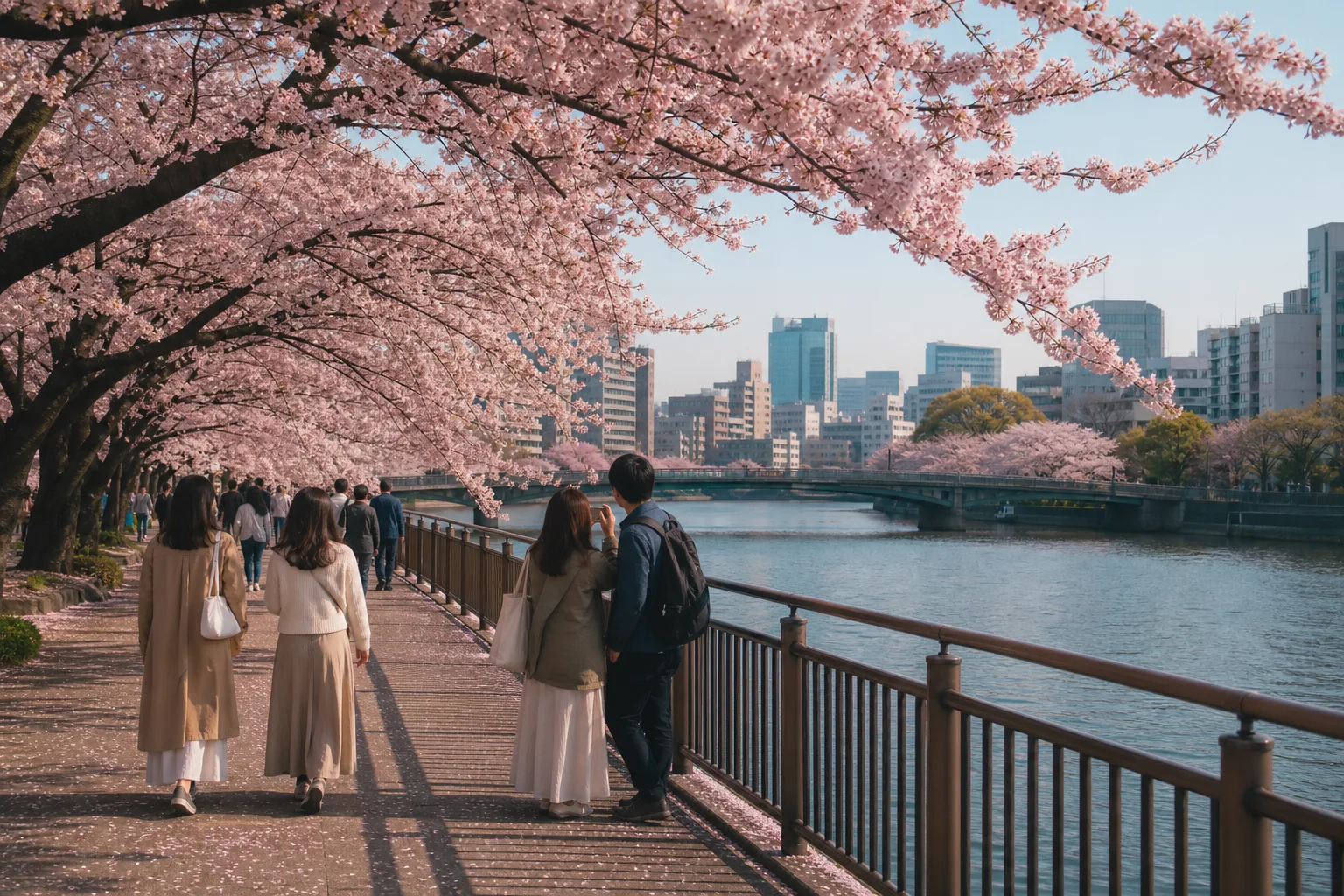
Japan’s cherry blossom season is one of the hardest trips to plan well because the timing changes every year and the peak is usually only a few days long in each city. If you want the best odds of seeing sakura at the right moment, you need more than a pretty list of famous parks. You need dates, regional logic, and a route that matches the bloom front instead of fighting it.
2026 Bloom Dates at a Glance
The 2026 sakura season begins in the south and moves north over several weeks. Based on current 2026 forecast releases, the main bloom window runs from late March through early May, with Tokyo, Kyoto, Himeji, Kanazawa, and other major stops peaking at different points. That spread is what makes Japan so rewarding: if one city is early or late, another region may still be perfect.
| City / Area | Expected full bloom | Best use for your trip |
|---|---|---|
| Tokyo | March 27 | First big city stop, easy transport, classic urban hanami |
| Kumamoto Castle | March 31 | Early Kyushu blossoms and castle scenery |
| Kyoto | April 1 | Temple-and-garden sakura, traditional atmosphere |
| Himeji | April 5 | Castle views with strong spring architecture contrast |
| Yoshino | April 6 | Mountain sakura and layered hillside views |
| Kanazawa | April 7 | Garden landscapes and elegant city scenery |
| Fuji Five Lakes | April 14 | Lake-and-Mt. Fuji spring photography |
| Miharu | April 21 | Late inland blossom option with a quieter pace |
| Hirosaki | April 25 | Northern castle park bloom and deeper spring season |
| Matsumae | May 6 | Latest major bloom window, ideal for extending the season |
If your schedule is flexible, the easiest way to win sakura season is to choose one early-bloom city and one late-bloom city rather than trying to chase every famous spot in the middle. That gives you a better chance of seeing full bloom somewhere in the country, even if the weather shifts a few days.
How the 2026 Sakura Front Moves
Cherry blossoms in Japan usually open first in warmer southern and coastal areas, then progress into central Honshu, then reach northern and high-altitude locations later. That pattern matters more than a single forecast number because it tells you how to build a trip that stays in bloom longer.
For most travelers, the decision is not whether sakura will happen. It is where you should be when it does. Tokyo and Kyoto are the easiest classic choices, but they are also the most time-sensitive. If you arrive too early, you may only see buds. If you arrive too late, you may catch petals on the ground instead of blossoms overhead.
The best planning strategy is to think in “bloom bands” instead of exact day matching. A city forecast gives you a target, but a good trip should still work if the bloom shifts by a few days because of unusual cold, rain, or heat.
Why 2026 Is Still Worth Planning Around
Even in a year with lots of forecast updates, cherry blossom season remains one of the most structured travel windows in Japan. Hotels, trains, and viewing spots all respond to the bloom front, so once you know where the flowers should peak, you can build a practical route around it.
That is especially useful if you are combining sakura with food, heritage sites, or a wider Japan trip. Spring in Japan is not just about flowers. It is also one of the easiest times to move between cities, add day trips, and fit in a second travel theme without making the schedule feel overloaded. If you want to align blossoms with the rest of your trip planning, Best Time to Visit Japan: Sakura, Autumn Leaves & Winter Snow Guide is the right companion piece.
Best Spots by City
The best cherry blossom spot in each city is usually the one that combines flowers with a strong visual anchor, such as a castle, moat, river, garden, mountain, or traditional street. That is what makes the scene memorable. A plain park can still be beautiful, but sakura becomes especially photogenic when it has architecture or landscape around it.
Tokyo
Tokyo is the easiest spring base because it combines strong transport, a large hotel inventory, and multiple blossom zones. The city’s bloom timing is early enough to anchor the beginning of the season, but broad enough that you can still find petals in different neighborhoods even if one famous spot is crowded or slightly past peak.
The classic Tokyo approach is to mix one famous park with one quieter riverside or neighborhood spot. Ueno Park is popular because it is straightforward and lively, while areas around Chidorigafuchi, Meguro, and Shinjuku Gyoen give you different moods. If you only have one morning, go early. Tokyo sakura is best before the crowds and tour groups fully arrive.
Tokyo works well for travelers who want convenience first. It is less ideal if you want solitude, but it is excellent as a spring entry point because you can land, settle in, and reach blossom spots without complicated logistics.
Kumamoto Castle
Kumamoto is a strong early-bloom option because it gives you both spring color and a dramatic castle setting. Castle grounds are one of the most effective sakura backdrops in Japan because the stone walls, water, and tree canopy create instant contrast.
If you are beginning a longer Japan route in Kyushu, Kumamoto can be a smart first major stop. It tends to be less crowded than Tokyo or Kyoto, and the pace feels easier. For travelers who want a spring trip with good visuals but fewer pressure points, this is one of the better choices.
Kyoto
Kyoto is usually the emotional center of sakura season because the blossoms sit beside temples, old streets, gardens, and traditional wooden architecture. The result feels more layered than a simple park visit. A Kyoto blossom can look understated at first, then become unforgettable once you notice the way the flowers frame a gate, stone path, or canal.
Popular areas include Maruyama Park, the Philosopher’s Path, temple gardens, and riverside walks. Kyoto’s strength is not only famous places but also atmosphere. Even a simple walk between neighborhoods can feel seasonal when the trees are blooming.
The trade-off is crowd pressure. Kyoto is beautiful, but it is also one of the first places people book too tightly. If you are using Kyoto as your spring base, plan for early mornings and a bit of patience. The payoff is worth it when the timing works.
Himeji
Himeji Castle is one of the best spring combinations in Japan because the white castle walls and pale blossoms create a clean, elegant contrast. It is also a practical stop if you are moving between Osaka, Kobe, and western Japan. A short visit can still feel complete because the central visual idea is so strong.
Himeji is especially useful for travelers who want a famous landmark without spending their entire trip in a high-pressure city. You can usually cover the main spring experience in less time than Kyoto requires, which makes it valuable for routes that need to stay efficient.
Yoshino
Yoshino is one of the most important sakura landscapes in Japan because the blossom experience is built around the mountain itself rather than a single city park. That changes the viewing rhythm. Instead of one flat layer of trees, you get an extended hillside effect that feels deeper and more immersive.
This is the destination for travelers who want a more scenic and less urban interpretation of cherry blossom season. It is best when you have time to slow down and look at the mountain as a whole. If you care about atmosphere, layering, and a more traditional spring pilgrimage feel, Yoshino belongs high on the list.
Kanazawa
Kanazawa is a great choice if you want blossoms with a calmer, more refined city experience. It sits in a useful spring window and pairs well with gardens, preserved districts, and more measured sightseeing than Kyoto or Tokyo often allow.
The city is especially attractive for travelers who like balance. You still get a major Japanese destination, but it does not always feel as compressed as the most famous spring hotspots. That makes it easier to enjoy the flowers without constantly competing for space.
Fuji Five Lakes
Fuji Five Lakes is a favorite for travelers who want cherry blossoms with a mountain view. The seasonal image here is not just pink trees. It is blossoms, water, and Mt. Fuji in the same frame when conditions cooperate.
This is one of the best destinations for photography-minded travelers because the landscape does a lot of the visual work for you. Even if Mt. Fuji is partially hidden by clouds, the area still gives you spring scenery with strong depth and open space.
Miharu
Miharu is a useful inland option for travelers who are running late relative to Tokyo or Kyoto. It extends the season and offers a quieter, less frantic blossom experience. That makes it especially helpful if you want one more sakura stop after the big-city window has passed.
The broader point is that a Japan sakura trip does not have to end when Tokyo finishes. If your timing is off for the main destinations, there are still northern or inland cities where the flowers can be in much better shape.
Hirosaki
Hirosaki is one of the strongest late-season destinations because it keeps the sakura trip alive well after central Japan starts to fade. The castle park setting also makes the visual composition strong, especially when petals begin to collect around the moats and paths.
If you can travel north, Hirosaki is one of the best answers to a missed spring window in Tokyo or Kyoto. It is also a good reminder that Japan’s blossom season is not a one-city event. The north still has plenty to offer after the south and center move on.
Matsumae
Matsumae is the final major stop for extending the 2026 season. It is the destination for travelers who want the latest possible bloom window and are willing to head north to get it. That alone makes it important because it gives the season an almost month-long longer feel than a single-region trip.
For a traveler whose schedule starts late, Matsumae can save the trip. It is a reminder that the sakura front is long, and a missed Tokyo or Kyoto week does not mean the season is over.
Practical Guide
The practical job of a cherry blossom trip is to turn a date window into a usable itinerary. That means choosing the right base, understanding what needs to be booked early, and knowing which seasonal details matter and which ones do not.
For transport, arrival order, and entry logistics, Japan Travel Planning: Visa, IC Card, Rail Pass & Essential Logistics Guide is the best companion. If you want to turn the sakura route into a wider scenic trip, Japan's Best Nature Spots: Mountains, Forests & Coastal Views Guide adds the natural side of the planning picture.
Hours, Admission, and Prices
There is no national “sakura ticket” in Japan. Most blossom viewing happens in public spaces, which means the real cost is not admission but timing. Parks are often free. Some castle grounds, gardens, observatories, and special night-view events charge admission. Temples and shrines may be free, low-cost, or partially ticketed depending on the specific site.
That creates an important planning rule: cherry blossom travel is cheap to look at, but not always cheap to execute. Hotels, trains, and crowded weekends are where costs rise. If your dates are fixed around a famous bloom window, book your accommodation as early as possible and assume that the closest, most convenient rooms will disappear first.
If you are choosing among several spots, it usually makes sense to prioritize transport and sleep quality over trying to stay directly beside the most famous blossom park. A slightly less central hotel often gives you more value and makes early-morning viewing much easier.
How to Get There
The easiest cherry blossom trip is the one that keeps your movement simple. Tokyo, Kyoto, Himeji, Kanazawa, and many other bloom cities all connect cleanly by rail, which is why train-based planning works so well in spring. You do not need to overcomplicate the route if your main goal is sakura rather than a cross-country sprint.
The most efficient pattern for many first-time visitors is one major base plus one or two short side trips. For example, you can use Tokyo as a spring entry point, then add a second city if the forecast shifts. Or you can base yourself in Kyoto and use nearby spring destinations for variety.
Rail passes are not always the best value for every itinerary, especially if you only make one or two major intercity jumps. Compare the pass price against the actual trains you would take. For some travelers, point-to-point tickets are enough. For others, a broader route justifies a pass. The right answer depends on distance and number of rides, not on cherry blossom season itself.
Booking Strategy
Spring is the season when early booking matters most. If you want the most famous blossom cities at or near peak bloom, reserve flights and hotels earlier than you think you need to. Popular spots can force you into awkward hotel prices or inconvenient station changes if you wait too long.
A good booking sequence is:
- Decide which city or region you want to catch first.
- Lock the main hotel nights around the forecast window.
- Add one flexible buffer day if your schedule allows.
- Keep one backup destination in a later bloom zone in case the weather shifts.
That buffer matters because blossom timing can move faster than hotel bookings can adjust. A day of rain or a warm spell can change the look of a spot quickly, so flexibility is part of the strategy, not a luxury.
What to Pack
Spring weather in Japan can feel warm in the afternoon and cool at night, especially in cities where you will be walking a lot. Layers are the safest choice. Comfortable shoes matter more than most travelers expect because blossom trips often involve parks, station transfers, temple climbs, and long photo walks.
Bring something light for the daytime and something warm enough for early mornings or evening hanami. If you plan to sit outside for a picnic, a small mat or cloth can be useful. If your route includes northern or mountain locations, pack a little more warmth than you would for Tokyo alone.
How to Read the Forecast
Do not treat one bloom date as a guarantee. Look at the forecast window, not only the exact day. The difference between first bloom and full bloom can shape your experience just as much as the region itself. First bloom is the start of the season, while full bloom is the showpiece many travelers want.
If you are flexible, aim for the broad middle of the bloom band rather than the first possible date. That usually gives you a better chance of seeing the trees at their fullest without arriving too early. If you are not flexible, prioritize the location whose timing best matches your fixed travel dates.
Tips & Common Mistakes
The most common mistake is assuming that cherry blossom season is the same in every city. It is not. Tokyo, Kyoto, Kyushu, central Honshu, and Hokkaido all follow different timing. If you do not build that difference into your plan, you can easily arrive at the wrong moment and blame the city instead of the itinerary.
Another common error is overpacking the route. Sakura season is short, but that does not mean you should cram in too many cities. A better trip often has fewer bases and more time on the ground. Once you start moving every day, you spend more of the trip in transit than under the trees.
What Most Guides Miss
Most guides focus on the famous photos and forget how the trip feels in practice. The real experience depends on crowd levels, morning light, transport timing, and whether the viewing spot is easy to reach without wasting energy. A beautiful tree is not enough if you arrive rushed, late, and exhausted.
Guides also often ignore the emotional pacing of the trip. Sakura is most memorable when you have time to notice it. If your schedule is too packed, the flowers become just another box to check. Give yourself one slower day if you can, especially in Kyoto, Kanazawa, or a castle town where the season has room to breathe.
Best Time of Day to Go
Early morning is usually the best time for the most famous spots because the light is softer and the crowds are lighter. Late afternoon can also work well, especially if you want warmer tones and the option to stay for evening illumination. Midday is usually the busiest and least forgiving period.
If you only have one chance at a spot, go early. If you have two chances, use the first visit for a quiet walk and the second for photos or a different light angle. That simple strategy can make a major difference in how crowded and how enjoyable the experience feels.
How to Avoid Disappointment
The easiest way to avoid disappointment is to separate “seeing sakura” from “seeing the famous sakura photo.” Those are not always the same thing. If you only chase viral locations, you may miss plenty of excellent flowers elsewhere. If you are open to less famous spots, the trip becomes much more resilient.
That is why a layered route helps. A big-city base gives you convenience. A castle or garden stop gives you structure. A later northern option gives you insurance. When the itinerary has more than one chance to succeed, the trip feels less fragile.
How to Build a Better Spring Route
A strong spring route usually has three parts:
- One early-bloom anchor.
- One mid-season city or cultural base.
- One later-bloom fallback if your timing slips.
That structure gives you both beauty and backup. It also lets you match the trip to your pace. Fast travelers can see more. Slow travelers can see less but feel more relaxed. Either way, the route should support the bloom window, not compete with it.
FAQ
When is the best time to see cherry blossoms in Japan in 2026?
For many travelers, the safest main window is late March through early April in central Japan, especially Tokyo and Kyoto. If you want later blooms, head farther north or to inland areas. If your schedule is fixed, choose the city whose forecast best matches your dates rather than trying to force a single Japan-wide answer.
Which city is best for first-time cherry blossom travelers?
Tokyo is the easiest first choice because it is simple to reach, easy to navigate, and has multiple blossom spots. Kyoto is the most atmospheric choice if you want classic spring scenery with temples and traditional streets. If you want a quieter experience, Kanazawa or Himeji can be better than the busiest spring cities.
Do cherry blossoms last long enough to plan a trip around?
They last long enough to plan around, but not long enough to be casual. The flowers usually move from first bloom to full bloom quickly, and wind or rain can shorten the show. That is why flexible dates matter. If you can only travel on fixed dates, choose a destination with a larger bloom window.
Are cherry blossom trips expensive?
The blossoms themselves are free to see in many public spaces, but the trip can still get expensive because spring is a high-demand season. Hotels and trains tend to cost more, especially in famous cities. Booking early and using a smart route usually matters more than the admission fees at individual viewing spots.
Is it worth going north for later blooms?
Yes, if you want to stretch the season or if central Japan has already passed peak bloom by the time you arrive. Northern destinations like Hirosaki and Matsumae can be excellent. Going north is especially worthwhile when you have a flexible schedule and want a better chance of catching full bloom somewhere.
Conclusion
Cherry blossom travel in Japan works best when you treat the forecast like a moving target and build your route around it. In 2026, Tokyo leads the main season, Kyoto and Himeji follow soon after, and the bloom front keeps moving north into later spring. That gives you options, but only if you plan with the region and timing in mind.
If you want the simplest strategy, pick one early city, one classic middle-season city, and one late-bloom backup. That approach turns a fragile flower-chasing trip into something resilient and useful. It also gives you room to enjoy the season without pretending the forecast will cooperate perfectly.
The key takeaway is straightforward: the best sakura trip is not the one with the most famous name. It is the one that matches your dates, your pace, and your tolerance for crowds. If you get those three things right, cherry blossom season becomes one of the most rewarding trips in Japan.