Autumn Foliage in Japan 2026: Best Spots and Peak Viewing Times

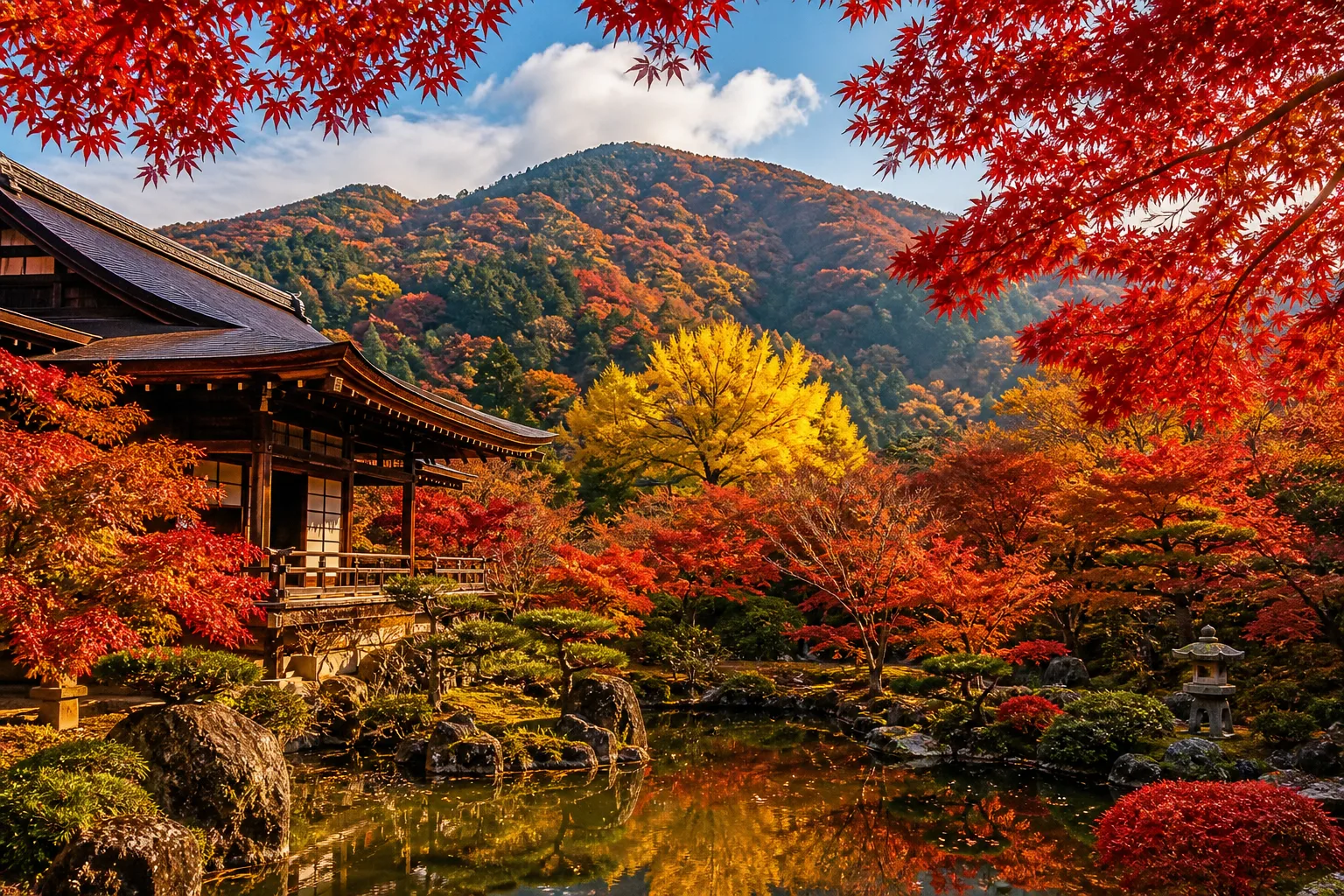
If you are planning a Japan trip around the maple season, the hard part is not deciding whether autumn is beautiful. The hard part is narrowing the country down to the right week, the right region, and the right kind of scenery so you do not spend your whole itinerary chasing colors that have already passed. This guide gives you a practical way to time a 2026 foliage trip, choose the best destinations, and build an itinerary that works whether you want temples, mountain valleys, city parks, or scenic train rides.
Introduction
Japan’s autumn leaves do not peak on one date. The season moves from northern mountains to southern cities, so the best trip depends on region, elevation, and flexibility. This guide shows when to go in 2026, where to focus, and how to avoid mistiming the season.
This article focuses on the traveler problem that matters most: how to build a realistic 2026 autumn foliage plan instead of gambling on a single famous spot. You will learn the usual viewing windows by region, which places are worth prioritizing if you want classic maple scenery, where to go if you want fewer crowds, and how to handle the practical side of transport, admissions, and bookings. If you are also deciding when to travel at all, the broader seasonal context in Best Time to Visit Japan: Sakura, Autumn Leaves & Winter Snow Guide is useful because autumn is only one of Japan’s major travel windows, and the best week depends on whether you want early color, peak color, or post-peak quiet.
Primary Topic Section
Autumn foliage in Japan usually starts in the mountains and northern prefectures, then moves gradually toward the major cities and western Japan. In practical terms, the season often begins in higher elevations in September and early October, then reaches classic city destinations such as Kyoto, Tokyo, and Osaka from mid-November into early December. That broad pattern is the reason you can see very different advice online for the “best” time to visit. The answer depends on where you want to be, not just what month appears on a calendar.
For a 2026 trip, the safest planning strategy is to think in bands rather than exact dates. Early season works best for Hokkaido, high-altitude areas, and some northern mountain routes. Mid-season is usually the sweet spot for central Japan, especially areas with mixed temple, garden, and river scenery. Late season is the best bet for the southern end of the main island and for cities that stay warm longer. If you only have one trip window, aim for a corridor that gives you flexibility across two adjacent regions so you are not relying on a single valley or temple to peak on a specific day.
The biggest mistake travelers make is assuming that all autumn color looks the same. It does not. Japan’s foliage season includes fiery red maples, golden ginkgo trees, mixed forests, bamboo-edged temple grounds, lakeside reflections, and mountain ridgelines where the color changes in waves. That variety matters because some places are worth visiting before peak color, while others become more impressive when the leaves are at or just past peak. City parks with ginkgo trees may look best on a sunny yellow day, while mountain valleys are often more dramatic when they are fully mixed with red, orange, and evergreen textures.
If you want a simple rule, use elevation first, latitude second. High mountains and northern areas go early. Lower elevations and more southern cities go later. This is why one autumn itinerary can still be built around all the classics if you structure it correctly. You could start in Hokkaido or the Japanese Alps, move to Tokyo or Nikko, then finish in Kyoto, Nara, or southern Honshu once the colors advance. That style of trip gives you a much better chance of catching peak foliage somewhere, even if one destination is slightly early or late.
Another practical layer is crowd management. Famous autumn foliage spots are often packed on weekends, especially in Kyoto and around popular lakes or temple corridors. If your schedule is flexible, a weekday visit usually matters more than chasing a supposedly perfect date. Early morning is even better. The light is better, the buses are less crowded, and the atmosphere is calmer. Many travelers who miss peak color still come home happy because they arrived before tour groups, walked through the grounds in good weather, and had enough time to enjoy the details rather than rush from one photo stop to another.
The best way to think about 2026 is to plan around a viewing range, not a single day. In most cases, you should choose your target region, give yourself a week-long window if possible, and watch the forecast updates as your trip gets closer. If you are deciding between spring and fall, the seasonal comparison in Japan Travel Planning: Visa, IC Card, Rail Pass & Essential Logistics Guide is helpful because autumn travel is often less about permits and more about building a smooth transport plan that can absorb one weather change, one crowded train, or one day you decide to pivot to a nearby backup spot.
What “peak viewing” really means
Peak viewing is not the same as “the leaves turned red.” In Japan, peak usually means the point when the foliage is visually richest across the largest part of a site. That could mean a temple garden with red maples under full sunlight, a mountain road with mixed color on every slope, or a park where the ginkgo canopy has turned yellow but not yet dropped. The exact meaning changes by location, so travelers should look for three signals: color coverage, leaf freshness, and weather.
Color coverage matters because some sites only become impressive when most of the trees have changed. Leaf freshness matters because the prettiest week is often short after a strong wind or a cold rain. Weather matters because autumn can be crisp and clear, but it can also be damp and gray. A destination that looks ordinary on an overcast day may look spectacular in sunlight. That is one reason why a flexible itinerary usually outperforms a rigid one.
How to read the season in 2026
The 2026 season will almost certainly follow the same broad pattern as recent years, but local weather can shift the exact timing by several days or even more. Warm autumns push the season later. Early cold snaps and strong mountain temperature drops can bring the color earlier. When you are planning flights and hotels, do not ask only “What date is peak?” Ask “What is my ideal viewing window, and what is my backup if the peak moves by a week?”
For first-time visitors, the easiest approach is to choose one of three travel styles. The first is the mountain-first style, which prioritizes early foliage in high-elevation or northern areas. The second is the classic-city style, which targets the popular temples, gardens, and park corridors in central Japan. The third is the late-season style, which takes advantage of slower color changes in lower-altitude southern locations. Any of the three can work well, but mixing them within one trip is where you get the best odds.
Secondary Topic Section
If you want the most memorable autumn trip, do not stop at the famous headline spots. Japan’s strength is the way autumn color works across different landscapes. A temple garden in Kyoto gives you a very different feeling from a lake in the mountains, and both are different again from a forest railway or a riverside path. The most satisfying itineraries usually combine one classic destination with one quieter nature stop, which lets you experience both the iconic view and the wider geography that makes Japan’s foliage season so varied.
Start with Kyoto because it is the reference point most travelers have in mind. The city is famous for temples, stone paths, moss gardens, and maples that frame architecture instead of competing with it. But Kyoto is not the only place where autumn color looks dramatic. Nikko gives you shrine-and-waterfall scenery. Hakone gives you mountain air and lake views. Hokkaido gives you a much earlier start. The Japanese Alps offer height, forests, and crisp weather. Even a simple riverside walk in a smaller city can feel unforgettable when the leaves are at full color.
If your trip includes some nature time beyond the major cities, the best fit is often a destination that balances scenery with access. That is where Japan's Best Nature Spots: Mountains, Forests & Coastal Views Guide becomes useful, because autumn is not just about maples. Some of the strongest foliage days happen where mountain ridges, forests, and water sit together. A location with good transit and layered scenery is more useful than a remote place that looks perfect in photos but is hard to reach, hard to book, or impossible to enjoy in one day.
Best spots by type of scenery
The classic foliage destinations in Japan tend to fall into a few categories. Temple and shrine grounds are best when you want architecture, history, and color together. Mountain valleys are best when you want a wide view of changing leaves across a slope or gorge. Parks and gardens are best for a calmer urban day. Scenic rail lines are best if you want the trip itself to feel like part of the attraction. Picking one category for each day keeps your itinerary from becoming repetitive.
Temple grounds are especially strong when the leaves are at full red. The visual contrast between wood, stone, and foliage is hard to beat. If you are someone who likes photographing details, look for spots with bridges, gates, lanterns, and steps rather than just large gardens. Those elements create depth. If you want a quieter experience, go early in the day or visit on a weekday after the first rush of tour groups.
Mountain valleys are the places where autumn feels most alive. You get changing layers of color, often with evergreen trees and river water adding contrast. These sites are especially good if you want a more outdoor-focused day. They can also be easier to enjoy when the leaves are not at exact peak, because the surrounding landscape does more of the work. The point is less about a perfect single tree and more about the whole view across the valley.
Urban parks and gardens are the most flexible option. They are easier to pair with food, shopping, and transport, and they are less risky if the weather changes. If you only have one free afternoon in Tokyo or Osaka, a well-timed park visit can still be worth it. Ginkgo avenues are especially good here because they give a bold, bright finish to the season and often hold color a little longer than maples.
Scenic rail lines are best for travelers who want the journey to be the experience. In autumn, even a short train ride through a valley can feel like a moving observation deck. Trains also work well when you want to reduce walking or when you are linking two foliage areas in the same day. Just remember that popular routes may require more advance planning than a simple point-to-point city trip.
What to prioritize if it is your first autumn trip
If this is your first autumn trip to Japan, choose one major city base and one nature-oriented side trip. Tokyo plus Nikko is a common pairing. Kyoto plus a mountain or lake day is another. Osaka works well as a base for day trips into the Kansai region. That structure gives you a backup if weather interferes with one day, and it keeps your transit manageable.
For a first visit, there is also value in choosing destinations that show different colors in one itinerary. A golden ginkgo avenue is not the same as a deep-red maple corridor. A misty mountain slope is not the same as a temple courtyard. If you only chase one kind of view, you may miss half the appeal of the season. Mixing color types gives you a better sense of why autumn in Japan is so beloved.
When a quieter spot beats a famous one
Not every traveler benefits from the most famous leaf site. If you dislike crowds, prefer slower travel, or want to photograph without waiting for a gap in the crowd, a less famous town or a smaller nature area may give you a better experience. The visual payoff can be almost as strong, especially if the location has water, a slope, or an old structure to frame the leaves. In other words, “best spot” is often the one that matches your travel style, not the one with the most social media attention.
Practical Guide
Hours / Admission / Prices
Autumn foliage itself is usually not ticketed, but the site around it often is. Temples, gardens, museums, ropeways, observatories, and organized scenic trains may all have separate fees or operating hours. Some places open early and close before sunset. Others stay open later for special evening illumination events. The important part is to verify the specific site before you go, because foliage season sometimes comes with temporary schedules, special nighttime openings, or holiday crowd controls.
For most travelers, budget planning should be broad rather than exact. City parks may be free or low cost. Temples and gardens often charge modest entry fees. Scenic rail rides, cable cars, and organized buses can cost much more, especially if you are traveling during a peak weekend. If you are planning to visit several foliage sites in one day, transport can become the biggest expense, not admission. That is why it helps to build a route with one anchor destination and one backup stop nearby, instead of trying to cross half the region.
The safest approach is to assume three layers of cost. First, entrance fees if the location charges them. Second, transport to and from the site, which can vary widely depending on whether you are using a train, bus, taxi, or rental car. Third, time cost, because a remote spot can look cheap on paper but consume your whole day. A more central but slightly less famous location may deliver a better overall trip value.
How to get there
Getting around Japan during autumn foliage season is usually straightforward if you plan for crowd pressure. Major cities have reliable rail and subway networks, while many famous foliage spots are reached by a combination of train and bus. The main issue is not whether transit exists. The issue is whether you can move comfortably during busy season, especially on weekends and public holidays. Trains and buses can fill up earlier than you expect, and scenic areas can have long lines for the final connection.
If you are using rail as the backbone of your trip, avoid overpacking the day with multiple far-apart stops. A morning temple, an afternoon mountain viewpoint, and an evening illumination event can sound efficient, but the transfer time adds up fast. A simpler structure usually works better: one major spot, one nearby secondary stop, and one flexible buffer. That gives you a better chance of arriving before the crowds and still having energy to enjoy the scenery.
For road-heavy routes, remember that autumn is a popular time for domestic travel too. Parking can be limited, and traffic can be slow around famous valleys or lake loops. If you are renting a car, leave early. If you are not comfortable with local driving, train plus taxi can be more relaxing than wrestling with parking and winding roads. Travelers who want to keep logistics light may prefer staying in a city base and taking day trips from there.
Booking links if applicable
You usually do not need to prebook a leaf viewing spot itself, but you may need to book the things that make the trip smoother. That includes rail passes, limited express seats, scenic trains, airport transfers, local tours, and sometimes timed-entry attractions near the foliage area. The busiest weekends can also make hotel selection the limiting factor. If you want to stay near a famous corridor or temple district, book earlier than you would for a normal off-season trip.
When in doubt, decide by trip shape. If you are staying in one city and making day trips, prioritize transport convenience and a hotel with easy station access. If you are building a multi-stop autumn itinerary, focus on luggage-friendly transfers and flexible train reservations. If you are traveling with family or older travelers, reduce the number of connections and give yourself more rest time between major spots. A clean transfer plan matters more than a long list of destinations.
Sample planning logic for 2026
For an early-season trip, focus on the north and higher elevations. For a mid-season trip, prioritize central Japan and classic temple or mountain bases. For a late-season trip, look at southern regions and cities that hold color later. If you can travel for ten days or more, you can sometimes combine two of these windows, but even a shorter trip can work if you choose one region and a backup day nearby.
One useful tactic is to identify one “must-see” foliage location and two “good enough” backups. The first is the place you would be disappointed to miss. The other two are nearby spots that still satisfy the trip if the color shifts early or late. That approach lowers stress, improves your chances of success, and keeps your expectations realistic. Autumn in Japan rewards adaptability.
Tips & Common Mistakes
The most common mistake is overcommitting to a famous site without enough timing flexibility. If your only goal is one perfect temple photograph, you may be disappointed by weather, leaf drop, or crowding. A better strategy is to plan a broader zone and let the exact peak move within that zone. That mindset turns the trip from a gamble into a season-based itinerary.
Another mistake is ignoring elevation. Many travelers ask for the “best date” when they really need the “best altitude.” Mountain foliage can be at or near peak while the cities are still green. If you know that in advance, you can make better route choices and avoid missing the season because you were waiting for one city to change color.
Do not underestimate weekday timing. A mediocre view on a Tuesday can feel better than a perfect view on a Sunday if the weekend crowd blocks the path, the bus line stretches out the door, or the best photo angle is occupied for twenty minutes at a time. Autumn foliage is an experience, not just a picture. Lower crowd pressure usually improves the experience more than people expect.
Do not assume that every beautiful place needs to be visited at peak. Some spots are more atmospheric slightly before or after peak, especially if they include water, mist, or traditional architecture. The right edge of the season can also make a place quieter. If you are flexible, you can use the color change to your advantage instead of chasing the exact peak.
Do pack for changing weather. Autumn in Japan can start warm in the afternoon and turn chilly at sunset, especially in mountain areas. Comfortable shoes matter because many foliage areas require stairs, slopes, or longer walks than a casual city outing. A small umbrella or light rain layer can save the day if the forecast turns. If you are moving between regions, the ability to adapt your clothing can matter as much as choosing the right date.
What most guides miss
Most foliage guides focus on pretty places and stop there. What they miss is the sequencing problem. A great autumn trip is rarely about one famous viewpoint. It is about stacking the right timing, transport, and backup choices so that the trip still works if one part shifts. That is especially important in 2026, when travelers are increasingly balancing packed schedules, limited vacation time, and high expectations.
Another gap is the difference between day and night viewing. Some foliage areas become more interesting after dark when illumination is added, while others are better left to daylight because the terrain and color layering matter more than artificial lighting. If a site offers evening viewing, it can be worth checking whether the night entry is more crowded than the daytime visit. Sometimes the best experience is arriving early, leaving before dark, and using the evening for dinner instead.
The final thing many guides ignore is how much variety exists beyond the headline cities. Autumn color in Japan is not only a temple season. It is also a food season, a train season, a mountain season, and a slow-travel season. If your itinerary has room, a less famous region can give you a more complete feel for the country. You do not need to skip Kyoto or Tokyo to do this. You just need to avoid building the whole trip around them.
FAQ
When is the best time to see autumn leaves in Japan in 2026?
There is no single best week for the whole country. The season starts earlier in northern and higher-altitude areas, then moves south and lower over time. For many central Japan trips, mid-November is the most common target window, while late October and early December can both be right depending on the region. The best choice is the one that matches your destination, not the whole country at once.
Which Japan destinations are best for first-time autumn travelers?
Kyoto is the classic answer if you want temple scenery and a strong autumn atmosphere. Tokyo works well if you want easy logistics and park-based viewing. Nikko is strong for a day trip with nature and heritage. Hakone, the Japanese Alps, and Hokkaido are better if you want more landscape and less city focus. If you want the shortest decision path, pick one classic city and one nature stop.
Do I need to book autumn foliage spots in advance?
Usually not for the foliage itself, but often yes for the travel around it. You may need to book trains, scenic rides, transfers, or a hotel near the spot. In the busiest destinations, those bookings matter more than the site entry. If a temple or garden offers timed or special evening entry, check that separately before you go.
Are autumn leaves in Japan worth it if I miss peak?
Yes. If you miss exact peak, you can still have a great trip. Early color, mixed color, and slightly past-peak foliage can all be beautiful, especially in good weather or with the right scenery. Japan’s autumn season is broad enough that a flexible itinerary often still delivers a strong experience even when the timing is imperfect.
What is the smartest way to plan a foliage trip?
Choose one region, one main foliage anchor, and two backups nearby. Build in enough time to adjust by a few days if needed. Keep transit simple, stay close to your target area if possible, and check weather and leaf reports as your trip approaches. This approach is more reliable than trying to hit many famous spots in a single rushed itinerary.
Conclusion
Autumn foliage in Japan is easiest to enjoy when you treat it as a moving season, not a fixed date. The colors arrive in waves, the best spot depends on altitude and region, and the overall experience improves when you leave room for weather, crowds, and a backup plan. That is the simplest way to think about a 2026 foliage trip: choose the right window, choose the right landscape, and keep your itinerary flexible enough to adapt.
If you want a classic first trip, pair one city base with one nature stop, then use local transport and early starts to beat the crowds. If you want a more ambitious itinerary, build a route that moves with the season from north to south or from higher to lower elevation. Either way, the best foliage trips are the ones that make the logistics disappear so the scenery can do the work.
For broader itinerary context and seasonal decision-making, compare your season choice first, then fill in the transport plan. If you want to expand your route beyond the famous postcard locations, add one nature-focused stop that gives the trip more texture without making the logistics brittle.