Artisan Village Insadong: Galleries, Studios & What to Buy

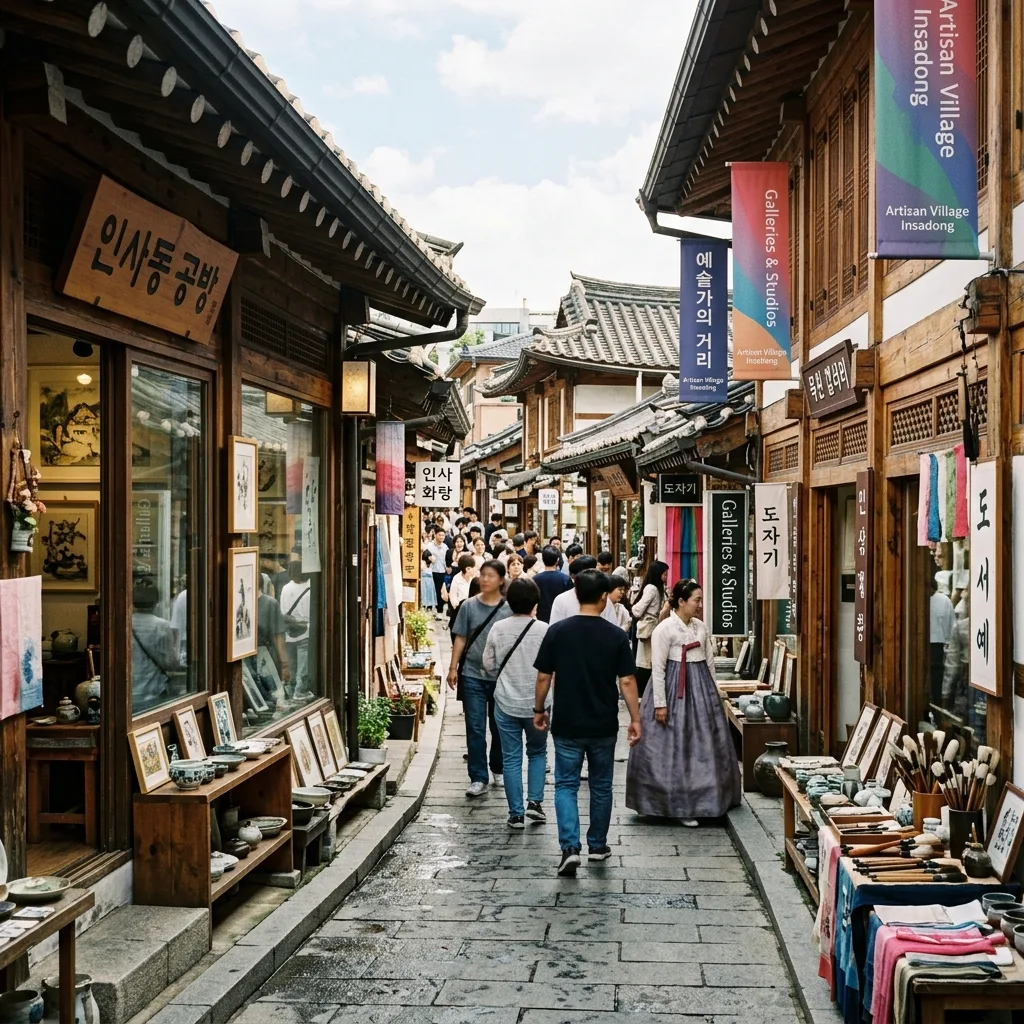
Insadong is the beating heart of Seoul's traditional culture, offering an oasis of hanok (traditional houses), artisan galleries, and ancient tea houses right in the middle of the modern metropolis. For travelers seeking authentic Korean crafts, artwork, and a deep dive into historical aesthetics, Insadong is a must-visit destination. Unlike the fast-paced retail districts elsewhere in the city, Insadong invites you to slow down, explore hidden alleyways, and appreciate the fine craftsmanship that has defined Korean artistry for centuries. Whether you are looking for delicate celadon ceramics, handmade hanji paper, or simply the perfect cup of traditional tea, this district promises an unforgettable journey into the soul of Korea.
Insadong is a designated cultural district in Seoul, meaning the government actively preserves its historical character. With over 100 art galleries, countless antique shops, and specialized artisan studios, it is the premier location to experience traditional Korean fine arts. In 2026, Insadong remains a vibrant, pedestrian-friendly hub that seamlessly blends the old with the new, making it an essential stop on any traveler's itinerary.
The History of Insadong: From Royal Residences to Artisan Hub
To truly appreciate Insadong, one must understand its historical significance. During the Joseon Dynasty (1392-1910), this area was dominated by the residences of government officials and aristocrats (yangban). The district was known for its elegant hanok homes and proximity to the royal palaces, including Gyeongbokgung and Changdeokgung.
As the dynasty fell and modernization took over in the early 20th century, many impoverished aristocrats began selling their family heirlooms, antiques, and artworks to survive. This influx of historical artifacts attracted art dealers, collectors, and artists, eventually transforming the neighborhood into the epicenter of the Korean art trade.
Today, while many of the original hanok have been replaced by modern buildings or renovated into commercial spaces, the spirit of the area remains intact. The government’s designation of Insadong as a cultural preservation zone in the late 1990s ensured that modern franchises and fast-food chains are restricted, preserving the unique, traditional atmosphere that defines the area.
Exploring the Art Galleries and Artisan Studios
Insadong is, at its core, an art district. With over 100 galleries lining the main street (Insadong-gil) and tucked away in the intricate network of alleys, it is the center of Korean traditional fine arts.
Traditional Fine Arts Galleries
The galleries in Insadong range from small, independent spaces showcasing emerging talent to prestigious institutions dealing in high-value antiques and masterworks. Here, you can find exquisite examples of:
- Minhwa (Folk Paintings): Colorful, symbolic paintings featuring animals, plants, and mythological creatures. These were traditionally used to decorate homes and bring good fortune.
- Calligraphy: The art of beautiful writing using brush and ink. Many galleries sell original calligraphy pieces, and some even offer demonstrations or workshops.
- Buddhist Art: Statues, paintings, and ceremonial objects reflecting Korea's deep-rooted Buddhist heritage.
Artisan Studios and Workshops
Beyond the galleries, Insadong is home to numerous artisan studios where traditional crafts are kept alive.
- Ceramics and Pottery: Korea is world-renowned for its ceramics, particularly the pale green celadon of the Goryeo Dynasty and the minimalist white porcelain of the Joseon Dynasty. In Insadong, you can purchase museum-quality replicas as well as beautiful, functional pieces for everyday use.
- Hanji (Traditional Mulberry Paper): Hanji is celebrated for its durability, texture, and versatility. In Insadong, you'll find entire shops dedicated to hanji products, from delicate stationery and fans to sturdy storage boxes and even clothing.
- Woodworking and Lacquerware: Mother-of-pearl inlay (najeonchilgi) is a stunning Korean craft technique. Intricately designed jewelry boxes, trays, and mirrors decorated with iridescent abalone shell make for unforgettable souvenirs.
Ssamziegil and Anyoung Insadong: The Modern Cultural Complexes
While Insadong is steeped in history, it also embraces modern design and contemporary crafts. This is most evident in its two major cultural shopping complexes.
Ssamziegil
Opened in 2004, Ssamziegil is a multi-story architectural marvel that spirals upward without the need for stairs. It is home to over 70 shops, the vast majority of which are independent boutiques, designer studios, and craft workshops.
- What to Buy: This is the place to find modern interpretations of traditional crafts. Look for handmade jewelry, quirky ceramics, unique clothing, and artisanal soaps.
- Experiences: Many shops offer DIY workshops where you can paint your own ceramics, make hanji crafts, or design custom jewelry.
- Food: The basement level and rooftop feature cafes and food stalls, including the famous 'poop bread' (dongbang), a sweet pastry filled with red bean paste or chocolate.
Anyoung Insadong
A newer addition to the district, Anyoung Insadong is a sleek, modern cultural complex that beautifully integrates traditional aesthetics.
- What to Find: It houses a mix of trendy cafes, traditional restaurants, lifestyle shops, and pop-up exhibitions.
- The Vibe: It offers a more polished, contemporary shopping experience compared to the chaotic charm of the main street. It is also home to the Color Pool Museum, a highly Instagrammable interactive exhibition.
What to Buy in Insadong: A Shopper’s Guide
Insadong is the ultimate destination for authentic Korean souvenirs. While it is easy to get overwhelmed, here is a curated list of what to look for and where to find it.
1. Traditional Tea and Teaware
Korea has a rich, though often overlooked, tea culture. Insadong is the perfect place to purchase high-quality green tea (nokcha), traditional fruit teas (like yuja-cha or omija-cha), and the beautiful ceramic teapots and cups required to brew them properly.
- Where to look: Osulloc Tea House for premium, beautifully packaged teas from Jeju Island; independent ceramic shops in the alleys for unique teaware.
2. Hanji (Traditional Mulberry Paper) Products
As mentioned earlier, hanji is incredibly versatile. It is an affordable, lightweight, and deeply cultural souvenir.
- Where to look: Iljinsa or specialized hanji shops along the main street. You can buy plain sheets for calligraphy, beautiful printed papers for crafting, or finished products like notebooks and fans.
3. Dojang (Personalized Name Seals)
A dojang is a traditional Korean name seal or stamp, historically used in place of a signature on official documents and artworks.
- Where to look: Callihouse or various small kiosks in Ssamziegil. You can choose a stone, and the artisan will carve your name (in English or translated into Korean Hangul) in just a few minutes. It is a highly personalized and memorable keepsake.
4. Antique Furniture and Decor
For serious collectors or those looking for a statement piece, Insadong’s antique shops offer incredible finds, from traditional wooden chests (bandaji) to vintage screens and pottery.
- Where to look: The southern end of Insadong-gil and the deeper alleys are home to the more established antique dealers. Be prepared to negotiate, and ensure you understand shipping logistics for large items.
5. Traditional Clothing (Hanbok) and Accessories
While many tourists rent hanbok for the day, Insadong is a great place to buy your own, or to purchase beautiful hanbok-inspired accessories.
- Where to look: Specialized boutiques offer everything from custom-made, traditional silk hanbok to modernized, everyday hanbok designs. Look out for norigae (traditional decorative pendants) and embroidered pouches.
The Insadong Tea House Experience
No visit to Insadong is complete without resting your feet in a traditional tea house (chatjip). These hidden gems are often located in beautifully preserved hanok buildings, accessible only via narrow, winding alleys.
The Atmosphere
Stepping into a traditional tea house is like stepping back in time. The interiors are characterized by exposed wooden beams, paper windows, low tables, and floor seating (though many now offer Western-style tables as well). The faint scent of brewing herbs and the soft sound of traditional gayageum music create a deeply relaxing environment.
What to Order
- Omija-cha (Five-Flavor Berry Tea): A vibrant red tea that is sweet, sour, bitter, salty, and pungent all at once. It can be served hot or iced and is extremely refreshing.
- Yuja-cha (Citron Tea): A sweet, thick, and fragrant tea made from the yuja fruit, perfect for soothing a sore throat.
- Ssanghwa-cha: A dark, intensely medicinal-tasting tea brewed with various roots and herbs, often topped with pine nuts and a raw egg yolk. It is a traditional remedy for fatigue.
- Traditional Sweets: Most teas are served with complimentary traditional sweets like hangwa (puffed rice treats) or yakgwa (honey pastry).
Recommended Tea Houses
- Dawon (Kyung-in Museum of Fine Art): Located in a spacious hanok courtyard, this tea house is part of a museum complex. It offers a serene environment and excellent traditional teas.
- Shin Old Tea House: Tucked away in a deep alley, this cozy, dimly lit hanok is famous for its authentic atmosphere and floor seating.
- Moonbird Only Thinks of the Moon: Known for its rustic, eccentric interior filled with vintage memorabilia and its massive, comforting bowls of tea.
Practical Guide: Hours, Prices, and Navigation
Planning your visit to Insadong requires a bit of practical knowledge to make the most of the experience.
Operating Hours
Insadong Cultural Street is a public road and is accessible 24 hours a day, year-round. However, the shops, galleries, and cafes operate on their own schedules.
- General Shops and Galleries: Most open between 10:00 AM and 11:00 AM, and close around 8:00 PM.
- Tea Houses and Restaurants: Many stay open later, until 9:00 PM or 10:00 PM.
- Car-Free Hours: To enhance the pedestrian experience, the main street is closed to vehicles on Saturdays from 2:00 PM to 10:00 PM and Sundays from 10:00 AM to 10:00 PM. This is when the street comes alive with street performers and food vendors.
Admission and Prices
There is no entrance fee to visit the Insadong district. The cost of your visit will depend entirely on your shopping and dining habits.
- Souvenirs: Small items like postcards, keychains, and cheap fans can be found for under ₩5,000. Personalized name seals (dojang) typically range from ₩30,000 to ₩50,000. High-end ceramics, artwork, and antiques can run into the millions of won.
- Food and Drink: A cup of tea in a traditional tea house will cost between ₩6,000 and ₩10,000. Street food is highly affordable, usually costing between ₩2,000 and ₩5,000 per item.
- Payment: While credit cards are widely accepted in established shops and restaurants, it is highly recommended to carry some cash (around ₩20,000–₩30,000). Many street food vendors and smaller craft stalls prefer or only accept cash. If you plan to explore other cultural sites, check out Best Art Museums and Galleries in Seoul.
How to Get There
Insadong is centrally located and easily accessible via the Seoul Metropolitan Subway.
- Anguk Station (Line 3), Exit 6: This is the most popular and direct route. Walk straight for about 100 meters, and the northern entrance of Insadong-gil will be on your left.
- Jonggak Station (Line 1), Exit 3: A slightly longer walk, but brings you to the southern entrance of the street.
- Jongno 3-ga Station (Lines 1, 3, 5), Exit 5: Another viable option depending on which subway line you are taking.
Tips & Common Mistakes: Doing Insadong Right
Many tourists walk up and down the main street and leave, missing the true magic of the district. Here is how to avoid common pitfalls.
1. Get Off the Main Street
The main thoroughfare (Insadong-gil) is lined with cosmetic shops and generic souvenir stores targeting tourists. The real Insadong—the historic tea houses, the authentic artisan studios, and the best galleries—is hidden in the labyrinth of narrow alleys (golmok) branching off the main road. Don't be afraid to wander; you can't get truly lost, and you will find the most rewarding experiences.
2. Don't Rush
Insadong is not a place for power-shopping. It is a place for browsing, sipping tea, and appreciating art. Allocate at least 2 to 3 hours for your visit. If you plan to take a crafting workshop or linger in a tea house, plan for a half-day.
3. Compare Prices, but Respect the Craft
If you are buying generic souvenirs (like magnets or mass-produced fans), prices will be similar across the main street. However, if you are buying handmade ceramics, original artwork, or specialized hanji, remember that you are paying for craftsmanship. While polite negotiation is sometimes possible in antique shops, lowballing artisans is considered disrespectful. For broader trip planning, consider reading The Ultimate 10-Day South Korea Itinerary.
4. Timing is Everything
If you want a quiet, reflective experience in the galleries, visit on a weekday morning. If you want a festive atmosphere with street food and performances, visit during the car-free hours on a weekend afternoon.
Street Food to Try in Insadong
While Insadong is famous for tea, it also offers some unique street food options that shouldn't be missed.
- Kkultarae (Dragon's Beard Candy): A fascinating treat made by stretching honey and maltose into 16,000 fine threads, then wrapping it around a filling of nuts or chocolate. The vendors usually put on an entertaining vocal performance while making it.
- Dongbang (Poop Bread): Found primarily in Ssamziegil, these pastries are shaped like a cartoonish pile of poop but taste delicious, filled with sweet red bean or chocolate.
- Jipangi Ice Cream: Soft serve ice cream served in a long, hollow, J-shaped puffed corn cone. It's a fun and photogenic treat, especially in the summer. For beauty tips after shopping, read our K-Beauty Skincare Routine Guide.
FAQ
Q: Is Insadong open on Mondays? A: Yes, the street and most shops are open. However, some independent galleries and museums (like the Kyung-in Museum of Fine Art) may close on Mondays.
Q: Can I wear a Hanbok in Insadong? A: Absolutely! Insadong is one of the most popular places in Seoul to wear hanbok. There are several rental shops in the area, and wandering the traditional alleys in traditional dress makes for incredible photos.
Q: Is it okay to take photos in the galleries? A: You must always ask for permission before photographing artwork in a gallery or studio. Many artists prohibit photography to protect their original designs.
Q: Is Insadong wheelchair accessible? A: The main street is flat, paved, and very accessible. However, many of the older hanok buildings, tea houses in the alleys, and the upper floors of older shops may lack ramps or elevators. Ssamziegil and Anyoung Insadong are modern and fully accessible.
Q: How far is Insadong from the palaces? A: It is incredibly close. Gyeongbokgung Palace, Changdeokgung Palace, and Bukchon Hanok Village are all within a 10 to 15-minute walk, making it easy to combine these sites into a single day of sightseeing.
Conclusion
Insadong is more than just a shopping street; it is a living museum of Korean culture. In a city that is constantly racing toward the future, Insadong provides a necessary anchor to the past. Whether you leave with a carefully chosen piece of celadon pottery, a customized name seal, or simply the memory of a quiet moment in a hanok tea house, your time here will undoubtedly be one of the highlights of your trip to Seoul. Take your time, wander the alleys, and let the traditional charm of Insadong unfold before you.
This extensive guide should provide all the necessary details to navigate Insadong's artisan culture, find the best souvenirs, and enjoy the tranquil tea houses hidden within its historic alleys. Exploring this cultural heart of Seoul offers a profound appreciation for Korea's artistic heritage and traditional lifestyle.