Kusatsu Onsen: Japan's Most Popular Spa Town Complete Guide

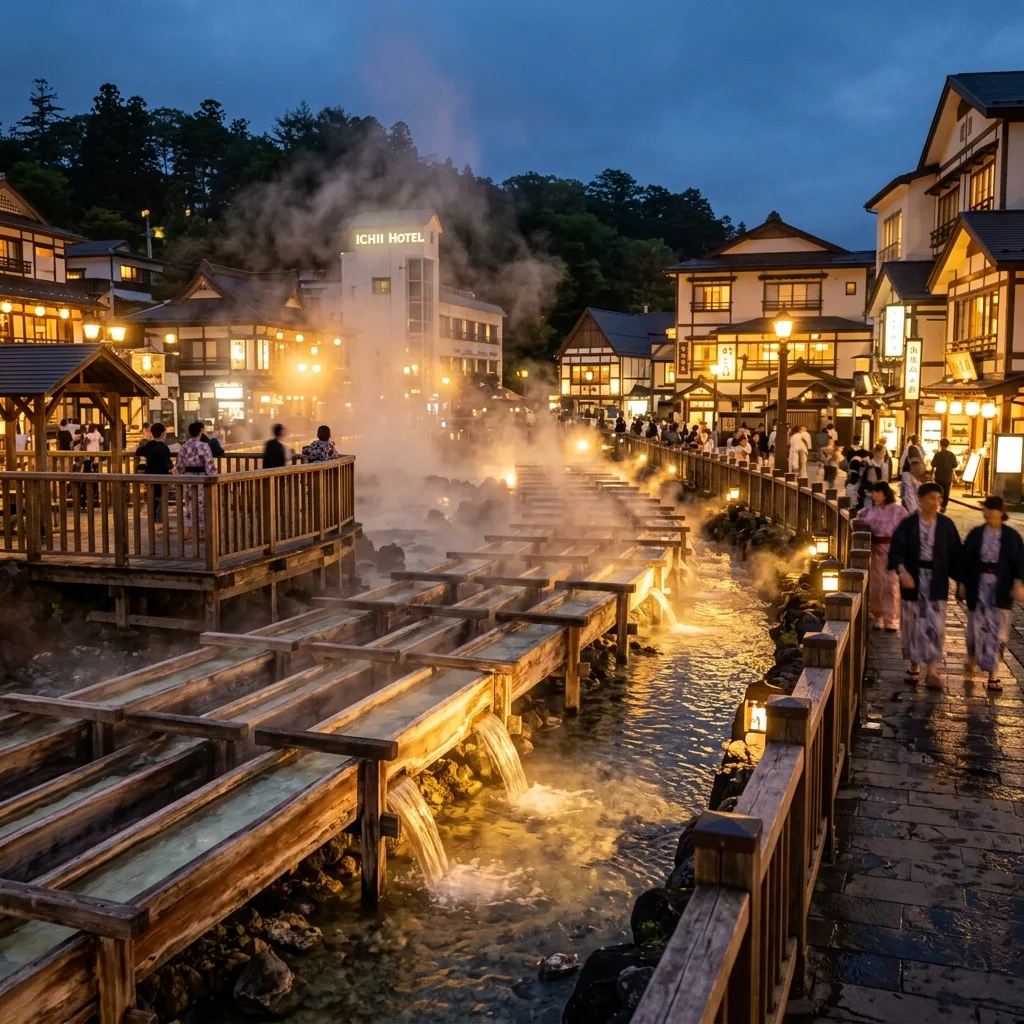
Planning a trip to Japan often means navigating a labyrinth of hot spring destinations, but if you're looking for the undisputed king of Japanese spa towns, head straight to Kusatsu Onsen. Tucked away in the mountains of Gunma Prefecture, this historic destination consistently ranks as Japan's number one hot spring resort. Unlike quieter, secluded retreats, Kusatsu is vibrant and bustling, built around the spectacular Yubatake (hot water field) that gushes out an astonishing 32,000 liters of scalding, mineral-rich water every single minute. If you're overwhelmed by the sheer number of onsen options in Japan or wondering whether the journey to Gunma is worth your time, this guide will show you exactly how to experience Kusatsu's unique bathing culture, from the iconic Yumomi performances to its legendary public baths.
When planning your itinerary, you might find yourself weighing Kusatsu against other popular day-trip destinations. While our Japan Travel Planning: Visa, IC Card, Rail Pass & Essential Logistics Guide covers the essentials of moving around the country, adding an overnight stay in Kusatsu Onsen provides a dramatic contrast to the neon-lit streets of the capital.
A Brief History of Kusatsu Onsen
Before diving into the modern attractions, it's essential to understand the historical weight of Kusatsu. The therapeutic properties of Kusatsu’s waters have been celebrated for over a millennium. Legend has it that the mythical hero Yamato Takeru, or possibly the historic monk Gyoki, discovered the hot springs. However, it was during the Kamakura (1185–1333) and Edo (1603–1867) periods that Kusatsu truly rose to prominence.
During the Edo period, the ruling Tokugawa shoguns were so enamored with the healing powers of Kusatsu that they had the water transported in wooden barrels all the way to their castle in Edo (modern-day Tokyo). The journey took several days by foot and horseback, highlighting the immense value placed on this specific mineral composition. The water was believed to cure a vast array of ailments, leading to the famous local saying that Kusatsu water cures every illness "except lovesickness."
In the late 19th century, a German physician named Erwin von Bälz, who served the Japanese imperial court, scientifically analyzed the waters. His endorsement of Kusatsu's health benefits catapulted the town into international recognition, cementing its status as a premier medical spa. Today, a bust of Dr. Bälz can be found in town, honoring his contribution to its enduring legacy.
The Heart of Kusatsu: The Yubatake
The absolute centerpiece of Kusatsu Onsen is the Yubatake, which translates literally to "hot water field." This architectural marvel isn't just for show; it serves a crucial practical purpose. The source water here emerges at temperatures near 50°C (122°F)—far too hot for human skin. Instead of diluting the precious mineral water with cold tap water, which would ruin its therapeutic qualities, the Yubatake cools the water naturally as it flows down a series of wooden conduits.
A Feast for the Senses
Walking around the Yubatake is an immersive sensory experience. The strong scent of sulfur hangs thick in the crisp mountain air, and billowing clouds of steam constantly rise from the emerald-green water. The wooden chutes that channel the water are encrusted with yunohana (hot spring flowers)—mineral deposits that are harvested and sold as bath salts.
At night, the area undergoes a magical transformation. The Yubatake is illuminated with carefully designed lighting, casting an ethereal, cinematic glow over the steaming water and surrounding traditional inns. This central plaza serves as the town's gathering place. Visitors stroll in their yukata (cotton kimono) and geta (wooden sandals), creating a rhythmic clopping sound on the stone pavements as they hop between foot baths (ashiyu) and local street food stalls.
If you're still deciding which hot spring town to visit, you can read our comprehensive Japan Onsen Guide: Best Hot Springs, Ryokan Stays & Etiquette Rules to see how Kusatsu compares to other heavyweights like Hakone and Beppu.
The Yumomi Performance at Netsunoyu
You cannot visit Kusatsu without witnessing Yumomi, the traditional method of cooling the blistering hot spring water. Because the water is too hot to bathe in straight from the source, and diluting it with cold water would compromise its mineral integrity, the locals developed a unique physical cooling method. Women in traditional dress use long wooden planks (up to two meters long) to stir and beat the water. This rhythmic churning lowers the temperature through aeration.
A Cultural Spectacle
This practice is accompanied by traditional folk songs, specifically the "Kusatsu Yumomi Uta," making it a mesmerizing cultural performance rather than just a utilitarian task. The performers expertly splash the water in a synchronized dance that fills the bathhouse with mist and energy.
Schedule and Tickets
The performances are held at the Netsunoyu bathhouse, an iconic building located directly adjacent to the Yubatake.
- Standard Schedule: Performances generally run at 9:30, 10:00, 10:30, 15:30, 16:00, and 16:30.
- Winter Schedule (Dec 1 – Feb 28): Times shift slightly to 10:00, 10:30, 11:00, 15:30, 16:00, and 16:30.
- Tickets: Admission is 700 yen for adults and 350 yen for elementary school students.
Pro Tip: Tickets are only sold at the venue and go on sale 30 minutes before each performance. There are no advance reservations. Because it's a highly popular attraction, you must arrive early. Only cash or PayPay is accepted. If you want a front-row view on the first floor to feel the splash of the water and get the best photos, lining up 20-30 minutes early is essential.
During select times, audience members are even invited to come down and try the Yumomi stirring technique themselves. It's much harder than it looks, as the water resistance against the long wooden planks requires significant core strength!
Exploring Kusatsu's Famous Public Baths
Kusatsu is famous for its high-acidity water, which boasts a pH level around 2.0. This intense acidity gives the water powerful antibacterial properties, leaving your skin feeling incredibly smooth and refreshed. The town is dotted with both massive resort baths and small, free community bathhouses.
Sainokawara Rotemburo
Located a scenic 10-15 minute walk from the Yubatake, through the beautiful Sainokawara Park, this is Kusatsu's most spectacular open-air bath (rotemburo). The walk through the park itself is an attraction, with hot spring water bubbling up from the rocky riverbed.
The pools at Sainokawara are massive—capable of holding up to 100 people at a time—and offer sweeping, unobstructed views of the surrounding forest. The waters here are highly acidic and hot, making for a potent therapeutic soak. Bathing here during a winter snowfall or amidst the vibrant autumn foliage is an unforgettable experience. Admission is typically around 700 yen.
Gozanoyu
Rebuilt to resemble a traditional Edo-period bathhouse, Gozanoyu sits right next to the Yubatake. It features beautiful wooden architecture and offers two different water sources (the Yubatake source and the Bandaiko source), allowing you to feel the subtle differences in temperature and mineral composition.
Unlike the more rustic community baths, Gozanoyu is incredibly clean, spacious, and beginner-friendly. It offers modern amenities, lockers, and a relaxing tatami rest area on the second floor with a balcony overlooking the Yubatake. It's a great starting point for first-timers. Admission is around 700 yen.
Ohtakinoyu
Famous for its Awaseyu (combination baths), Ohtakinoyu is slightly tucked away from the main square. It features a series of wooden pools set in a beautifully atmospheric, dimly lit room. The pools have progressively increasing temperatures. You start in the coolest pool (which is still quite warm at around 38°C) and gradually move to the hottest (up to 46°C).
It's a challenging but deeply traditional bathing experience that tests your endurance and stimulates circulation. Ohtakinoyu also features spacious indoor and outdoor baths, saunas, and a dining area. Admission is around 1,000 yen.
The Free Community Baths (Sotoyu)
Kusatsu boasts nearly 20 small, free public baths maintained by the local community. The most famous is Shirahatanoyu, located right next to the Yubatake. These baths are where the locals go. They are basic, lacking showers or changing amenities beyond a few cubbies, and the water is fiercely hot. While they are free, visitors should remember they are entering a community space. Wash thoroughly with the provided basins before entering the tub, keep noise to a minimum, and do not linger too long.
Before diving into these therapeutic waters, make sure you brush up on your manners with our Japan Onsen Guide: Best Hot Springs, Ryokan Stays & Etiquette Rules.
Regional Cuisine: What to Eat in Kusatsu
Bathing in highly acidic, hot water burns a surprising amount of calories, so you'll want to take advantage of Kusatsu's excellent culinary scene.
Onsen Tamago
Around the Yubatake, you'll find vendors selling onsen tamago—eggs slow-boiled in the natural hot spring water. The slow cooking process results in a custard-like yolk and a silken, slightly runny egg white. They are typically served in a small cup with a dash of dashi broth and soy sauce. It's the ultimate cheap, protein-packed local snack.
Onsen Manju
Manju are traditional Japanese sweets consisting of a fluffy, steamed dough exterior and a sweet red bean paste filling. In Kusatsu, you'll see steam rising from numerous shops around the Yubatake selling these treats fresh. The brown color of the dough is often achieved by adding brown sugar. Eating a freshly steamed, warm manju while strolling in your yukata is a must-do experience. Be warned: some aggressive shop owners will physically hand you a free manju and a cup of green tea to lure you into their store!
Maitake Mushrooms and Soba
Gunma Prefecture is famous for its high-quality maitake (hen-of-the-woods) mushrooms. You'll find them featured prominently in local restaurants, most commonly served as crispy tempura alongside handmade soba (buckwheat noodles). The earthy flavor of the maitake pairs perfectly with the clean, refined taste of the cold soba noodles.
Yakitori and Izakaya Fare
In the evening, the narrow streets radiating from the Yubatake come alive with small izakayas (Japanese pubs) grilling yakitori (chicken skewers). Following your nose to a smoky yakitori stand and grabbing a skewer to eat on the go is a great way to warm up on a chilly mountain night.
Detailed Transportation Guide: How to Get There
Getting to Kusatsu Onsen requires a bit of planning, as there is no direct shinkansen (bullet train) station in the town. However, the journey is incredibly scenic and relatively straightforward.
By Train and Bus from Tokyo
The most popular and comfortable route is via the Limited Express Kusatsu-Shima train.
- Train: Take the Limited Express from Ueno Station directly to Naganohara-Kusatsuguchi Station. The journey takes about 2.5 hours.
- Bus: From Naganohara-Kusatsuguchi Station, exit the ticket gates, and you will see the JR bus terminal immediately outside. A connecting JR bus takes you winding up the mountain to the Kusatsu Onsen Bus Terminal. This bus ride takes about 25 minutes.
Cost and Passes: The total one-way journey costs around 5,000 to 6,000 yen. However, if you hold a valid JR Pass or JR Tokyo Wide Pass, both the Limited Express train and the local JR Bus are fully covered, making this an incredibly cost-effective side trip.
By Highway Bus from Tokyo
If you prefer a direct route without transfers, highway buses run from the Shinjuku Expressway Bus Terminal (Busta Shinjuku) directly to the Kusatsu Onsen Bus Terminal. The journey takes about four hours and costs approximately 3,500 to 4,000 yen one way. It is highly recommended to book these bus tickets in advance, especially during weekends and national holidays.
By Car
Renting a car offers flexibility, especially if you plan to explore the wider Gunma region, including the Mount Shirane area. The drive from Tokyo takes about 3 hours via the Kan-Etsu Expressway. However, be aware that parking in the center of Kusatsu can be limited, and winter driving requires snow tires and experience with icy mountain roads.
Recommended Itineraries
To help you maximize your time, here are two sample itineraries depending on your schedule.
The Day-Tripper (1 Day)
- 10:00 AM: Arrive at Kusatsu Onsen Bus Terminal. Walk to the Yubatake.
- 10:30 AM: Purchase tickets and watch the Yumomi performance at Netsunoyu.
- 11:30 AM: Walk to Gozanoyu for your first, beginner-friendly soak.
- 12:30 PM: Enjoy a lunch of Maitake Tempura Soba near the Yubatake.
- 1:30 PM: Walk up the traditional shopping street, sampling Onsen Manju along the way.
- 2:00 PM: Enter Sainokawara Park. Hike the trails past the bubbling river.
- 2:30 PM: Take a long, scenic soak in the massive Sainokawara Rotemburo.
- 4:00 PM: Return to the Yubatake. Grab an Onsen Tamago and take photos.
- 5:00 PM: Catch the bus back to the train station for your journey to Tokyo.
The Ultimate Relaxation (2 Days / 1 Night)
Day 1:
- 1:00 PM: Arrive, check into your traditional Ryokan, and don your yukata and geta.
- 2:00 PM: Explore the Yubatake and watch the afternoon Yumomi performance.
- 4:00 PM: Challenge yourself at Ohtakinoyu's Awaseyu (graduated temperature baths).
- 6:00 PM: Return to your ryokan for a multi-course kaiseki dinner.
- 8:00 PM: Walk out to the Yubatake to see the spectacular night illuminations. Enjoy a foot bath in the crisp night air.
Day 2:
- 8:00 AM: Enjoy a traditional Japanese breakfast at your ryokan.
- 9:30 AM: Walk to Sainokawara Park before the day-tripper crowds arrive.
- 10:00 AM: Morning soak at Sainokawara Rotemburo.
- 11:30 AM: Souvenir shopping for Yunohana bath salts and local crafts.
- 1:00 PM: Lunch and departure.
Accommodations: Where to Stay
While you can visit as a day trip from Tokyo, an overnight stay in a traditional ryokan is highly recommended. Not only does this allow you to experience a multi-course kaiseki dinner, but it also gives you access to the Yubatake at night when the day-trippers have left and the town is beautifully illuminated.
- Hotel Sakurai: A massive, resort-style ryokan perfect for families and first-timers. It boasts some of the largest indoor and outdoor baths in the town and offers extensive buffet dining options.
- Kusatsu Hotel: A historic, Taisho-era wooden building located near Sainokawara Park. It offers a quieter, more refined traditional atmosphere with beautiful gardens and private reservable baths.
- Ryokan Naraya: Situated right near the Yubatake, Naraya is famous for its impeccable service and highly curated water management. They have a dedicated "Yumori" (water master) who meticulously monitors the temperature and quality of their baths to ensure the perfect soak.
Tips & Common Mistakes
- Mistake: Bringing a regular towel into the acidic water. Kusatsu's water is incredibly acidic. If you use a cheap or colored towel, the acid can actually degrade the fabric or cause the dye to run. Always use the small white modesty towels provided by your ryokan.
- Mistake: Rinsing off after the bath. Usually, the rule in onsen is to not rinse the minerals off your body. However, because Kusatsu's water is so acidic, people with sensitive skin must rinse off with tap water, or they risk severe skin irritation and itching.
- Tip: Buy Yunohana as a souvenir. The yellow mineral deposits collected from the Yubatake are packaged and sold as bath salts. They make the perfect lightweight souvenir, allowing you to recreate the Kusatsu experience in your own bathtub back home.
- Mistake: Ignoring hydration. The water in Kusatsu is much hotter than average (often 42°C to 46°C). It is incredibly easy to become dehydrated and lightheaded. Drink plenty of water before and after entering the baths.
FAQ
Do I need a car to visit Kusatsu Onsen? No, the town is highly walkable. The bus terminal is a five-minute walk from the Yubatake, and almost all major bathhouses, restaurants, and attractions are within a 15-minute walking radius. Walking in your yukata is part of the experience!
Can I enter the baths with tattoos? Kusatsu is generally quite traditional. The large, managed public baths like Sainokawara Rotemburo and Ohtakinoyu usually do not permit visible tattoos. However, many ryokans offer kashikiri-buro (private reservable baths) where tattoos are not an issue since you bathe privately. Some of the unstaffed, free community baths also effectively operate on a don't-ask-don't-tell basis, provided you are respectful and inconspicuous.
When is the best time to visit? Winter (December to February) is arguably the most magical time to visit. Sitting in a steaming outdoor bath surrounded by falling snow (yukimi-buro) is a quintessential Japanese experience. However, autumn (October to November) brings spectacular vibrant foliage to Sainokawara Park and the surrounding mountains, making it a very close second. Summer offers a cool escape from Tokyo's oppressive humidity due to the town's high elevation.
Conclusion
Kusatsu Onsen offers a masterclass in traditional Japanese hot spring culture. With its dramatic, steaming Yubatake, the rhythmic chants of the Yumomi performance, and the sheer power of its acidic waters, it stands apart as a destination that genuinely lives up to its hype. Whether you're seeking therapeutic relief, cultural immersion, or just a steaming bowl of onsen tamago on a chilly evening, Kusatsu delivers an unforgettable experience that will be the highlight of your trip to Japan. Plan your train ride, pack lightly, and prepare to step into a steaming slice of Japanese history.