Akihabara Guide: Electronics, Anime & Maid Cafes for First-Timers

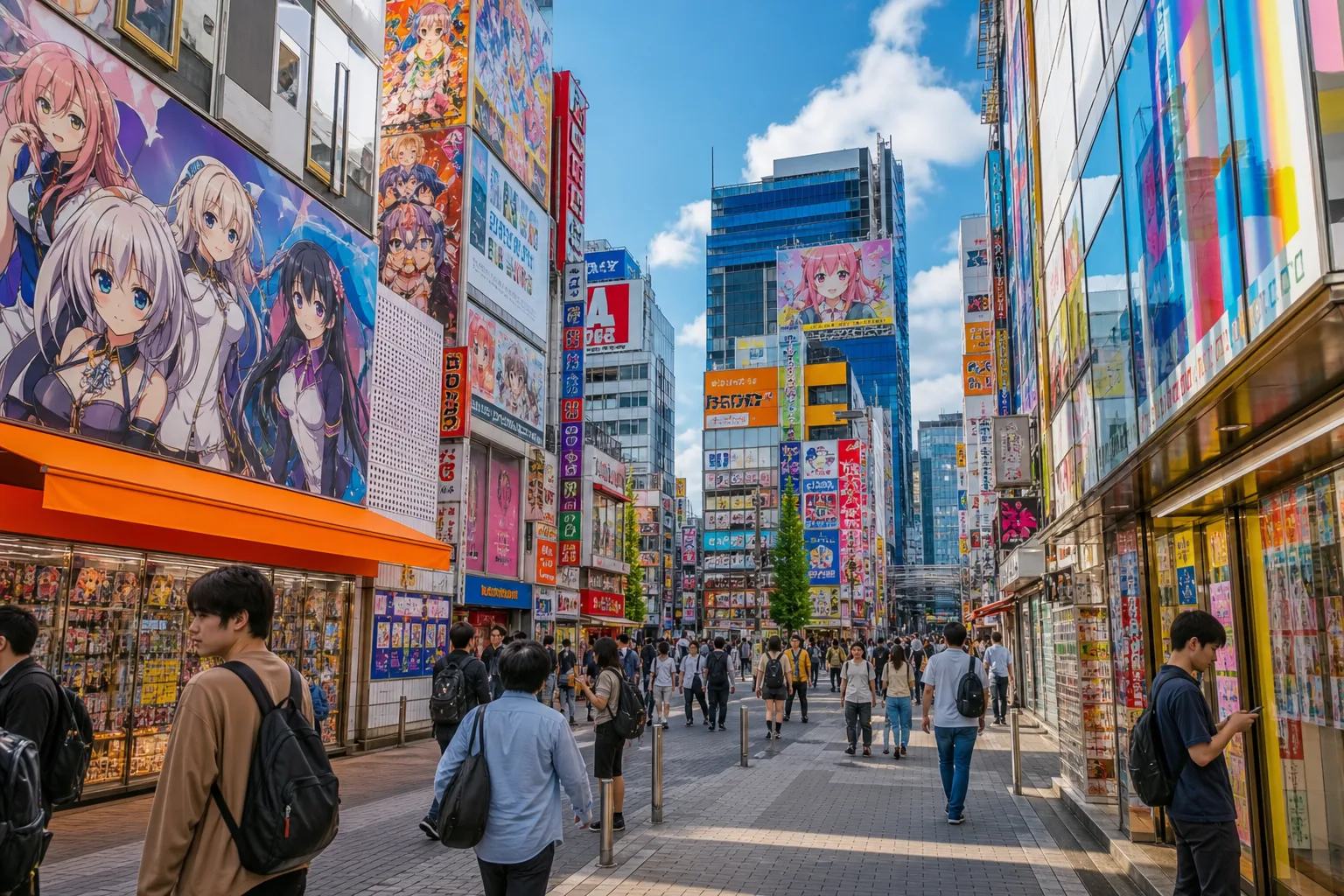
Akihabara can be thrilling and confusing at the same time. On one street you have giant electronics floors, on another you have anime shops stacked wall to wall, and a few blocks later you are choosing between a themed cafe, a game center, or a secondhand figure store. This guide is for first-time visitors who want the fun without wasting time, money, or energy.
Introduction
If you only have one Tokyo neighborhood on your list for electronics, anime, gaming, and themed cafes, Akihabara is the obvious choice. It is compact enough to explore in half a day, but dense enough that first-timers can easily burn two or three hours just deciding where to start. The real trick is to visit with a plan: know what you want to buy, what you want to see, and what is worth skipping.
For broader Japan trip logistics before you arrive, see Japan Travel Planning: Visa, IC Card, Rail Pass & Essential Logistics Guide. If Akihabara is part of a bigger Tokyo stay, the Ultimate Tokyo Travel Guide 2026: Everything First-Timers Need to Know is the best companion piece for routing, neighborhoods, and trip timing. And if you are building a pop-culture-heavy itinerary across the country, Anime Travel in Japan: Akihabara, Studio Ghibli & Pop Culture Guide helps connect Akihabara to the wider anime travel map.
Akihabara rewards travelers who keep expectations practical. You do not need to buy anything expensive to enjoy it, and you do not need to spend a full day there unless shopping is the point. What matters most is understanding the area’s three personalities: the electronics district, the anime and game shopping core, and the themed entertainment scene that includes maid cafes and character cafes.
Why Akihabara Matters
Akihabara started as an electronics district and still carries that identity, but it now works as Tokyo’s most concentrated pop-culture playground. That combination is the reason it is so popular with first-time visitors. You can compare cameras, browse retro games, hunt figures, and take in a themed cafe in the same neighborhood without complicated transport.
What first-timers usually want from Akihabara
Most visitors are looking for one of four things:
- A reliable place to shop for cameras, laptops, headphones, gaming accessories, or hobby electronics.
- A concentrated cluster of anime and manga stores where it is easy to compare merchandise in a short time.
- A themed experience, usually a maid cafe, that feels distinctly Japanese without requiring a long reservation process.
- A neighborhood that is easy to combine with central Tokyo sightseeing rather than a full-day suburb-style excursion.
That mix makes Akihabara useful even for travelers who are not deep into anime culture. You can treat it as a shopping district, a novelty stop, or a pop-culture neighborhood with enough energy to justify a few hours in your itinerary.
What Akihabara is not
Akihabara is not the best place in Tokyo for quiet strolling, refined dining, or elegant neighborhood wandering. It is busy, commercial, neon-heavy, and often loud. If you expect a polished museum district, you will be disappointed. If you expect a high-energy retail neighborhood with a strong sense of identity, it delivers exactly that.
That is why it works best when you decide your purpose before you arrive. A targeted visit almost always feels better than a vague “let’s see what happens” visit.
Electronics: How to Shop Without Wasting Time
Akihabara still earns its “Electric Town” reputation. The district is packed with major chain stores, specialty shops, and multi-floor retailers that sell cameras, computers, gaming gear, audio equipment, home appliances, and accessories. For first-timers, the challenge is not finding options. It is filtering them.
What to look for
If electronics are your priority, focus on categories rather than browsing randomly:
- Cameras and lenses
- Headphones and audio gear
- Gaming consoles, handhelds, and accessories
- Computer peripherals and PC parts
- Small home electronics and niche gadgets
Large stores are best if you want convenience, tax-free processing, warranty clarity, and easy comparison across many categories. Smaller specialist shops can be excellent for secondhand items, retro hardware, and niche hobby gear, but they can also eat more time than expected.
How to shop smart
Start with a shortlist. If you want headphones, do not wander into camera floors first unless you are genuinely curious. If you want retro game gear, skip the cosmetics and appliance levels. Akihabara is designed to tempt you into side quests, and those side quests are often expensive.
Use the following approach:
- Compare the same item in two or three stores before buying.
- Ask about tax-free eligibility before you get too deep into the purchase.
- Check whether accessories, packaging, and region compatibility matter for your home country.
- Do not assume the lowest shelf price is the final price once tax, accessories, and store policies are added.
The biggest mistake first-time shoppers make is buying too early. Akihabara has enough overlapping inventory that you should usually scan a few stores before you commit.
New vs secondhand
Akihabara is strong on both new and secondhand electronics, but the best choice depends on what you are buying. New goods make sense for warranty-backed purchases and items where condition matters, such as headphones, small appliances, and cameras. Secondhand can be excellent for hobby electronics, niche gaming hardware, and retro items, but only if you are comfortable checking condition carefully.
For travelers with limited baggage space, small purchases are the sweet spot. Cables, audio accessories, figures, mouse pads, collectible items, and compact gadgets travel well. Large boxes do not.
Time and budget expectations
You do not need to allocate a whole day for electronics unless you are shopping seriously. A focused visit often takes 60 to 120 minutes. A deep dive can take much longer if you are comparing models, testing gear, or browsing used sections.
Budget-wise, it helps to decide in advance whether you are shopping or just browsing. Akihabara can make a “small” purchase feel normal even when it is not. The neighborhood is full of goods that seem essential in the moment and unnecessary once you step back outside.
Anime, Games, and Maid Cafes
This is the version of Akihabara that most first-time travelers picture: anime posters, figure walls, arcade lights, themed cafes, and stores selling merchandise that is hard to find elsewhere. The key is to understand the difference between browsing, collecting, and paying for an experience.
Anime and game shopping
If you like anime, manga, trading cards, character goods, or retro games, Akihabara is one of the easiest districts in Tokyo for concentrated shopping. The area is built around high-density retail, so you can compare stock quickly. That matters because the same series or character line often appears across multiple stores with different pricing and packaging.
For first-timers, the best strategy is not to search for everything. Pick one or two franchises or product types and enjoy the comparison. That keeps the visit fun instead of turning it into a scavenger hunt.
How to pace the experience
Anime shopping gets tiring when you try to inspect every shelf. A better approach is to alternate between browsing and rest stops. For example:
- One or two large stores for broad comparison
- One specialist store for a niche interest
- One cafe or snack break
- One final sweep for small souvenirs
That rhythm prevents sensory overload and makes the visit feel more intentional.
Maid cafes: what first-timers should expect
Maid cafes are one of Akihabara’s most famous experiences, but they are easy to misunderstand. They are not normal cafes with a costume gimmick. They are themed entertainment venues with house rules, time limits, and a different pricing structure from ordinary coffee shops.
In practical terms, expect some combination of:
- A cover or seating charge
- A drink or food minimum
- Photo or performance add-ons
- A time limit during busy periods
The atmosphere is usually playful and carefully scripted. Staff interact with guests in a performance style rather than a standard restaurant style. That is part of the appeal, but it also means you should read the rules before sitting down.
Maid cafe etiquette
If you go to a maid cafe, keep the experience easy for everyone:
- Do not assume photography is allowed.
- Do not touch staff or costumes.
- Do not turn the visit into a prank or a dare.
- Be clear about the menu rules before ordering.
- Treat the venue like paid entertainment, not a joke attraction.
The best first-time maid cafe visit is short, respectful, and curiosity-driven. You do not have to become a fan of the genre to enjoy the experience. You only need to understand that the venue is selling atmosphere as much as food or drinks.
If you are hesitant
If a maid cafe feels too specific for your taste, Akihabara still has plenty of lower-commitment options. Game centers, themed dessert cafes, anime shops, and character merchandise stores deliver the neighborhood’s energy without the same social script. That is a perfectly good way to experience the district.
Practical Guide
The practical side of Akihabara is straightforward once you break it into transport, timing, and venue selection. The neighborhood is easy to reach, easy to walk, and easy to overdo if you arrive with no plan.
How to get there
Akihabara Station is the main access point, and the area is well connected by rail. Depending on where you are coming from, you may use JR lines, the Tokyo Metro Hibiya Line, or the Tsukuba Express. For most Tokyo travelers, the simplest mental model is: get to Akihabara Station, exit toward the electric town side, and start walking.
If you are already in central Tokyo, Akihabara is usually easy to slot into a half-day route. It works well before or after Ueno, Asakusa, Kanda, or Tokyo Station-area plans, depending on how your day is organized.
When to go
For a first visit, late morning through early evening is the safest window. That gives you enough time to browse stores before the day gets compressed by dinner plans or nightlife. If you want more space and fewer crowds, weekday daytime is usually better than weekend afternoon.
As a planning rule, assume that large retailers often open somewhere around late morning and close in the evening, while smaller specialist shops and themed venues may keep different hours. Always check the specific venue before you go, especially if a maid cafe or pop-up store is the reason for your visit.
Admission and cost expectations
Akihabara itself is free to walk around. The real costs come from shopping, snacks, arcade play, and themed venues. That means a low-budget visit is easy if you are disciplined, while a high-spend visit can happen fast if you are shopping for collectibles or electronics.
Here is a realistic budget framework:
- Walking and browsing: free
- Snack or drink stop: modest
- Arcade session: small to moderate depending on how long you stay
- Maid cafe or themed venue: moderate to higher depending on the menu and add-ons
- Electronics or hobby shopping: highly variable
The best way to avoid overspending is to set a ceiling before you enter the first store. Akihabara is one of the few neighborhoods where “just looking” can still create a genuine shopping problem.
Booking links and reservations
Most electronics and anime shopping does not require booking. Maid cafes, character cafes, and limited-time collaborations are the exceptions. For those, booking can help, especially on weekends or during tourist-heavy periods.
If a venue accepts reservations, use its official site first. If it is listed on a major travel platform, compare the menu language, cancellation policy, and time-slot rules before you book. For simple retail shopping, there is no need to overcomplicate the process.
A simple first-timer route
If you want a low-stress first visit, use this sequence:
- Start at Akihabara Station.
- Spend the first hour comparing electronics or hobby stores.
- Take a short break for food or coffee.
- Spend the second hour on anime, game, or figure shopping.
- End with a themed cafe, arcade stop, or souvenir browse.
That route gives you a full Akihabara sample without dragging the visit out unnecessarily.
Tips & Common Mistakes
First-timers usually do not fail in Akihabara because they choose the wrong activity. They fail because they underestimate the neighborhood’s intensity. The area is walkable, but it is visually dense, commercially aggressive, and very easy to overspend in.
What most guides miss
Many travel guides present Akihabara as a binary choice between electronics and anime. In reality, the district works because it combines both with food, gaming, and themed entertainment. That mix is what makes it usable for different kinds of travelers in one visit.
What also gets missed is that Akihabara can be enjoyable even when you buy almost nothing. If you treat it as a neighborhood experience instead of a shopping mandate, the visit becomes less stressful and more memorable.
Common mistakes
Avoid these errors:
- Arriving with no budget ceiling.
- Trying to cover every store in one visit.
- Assuming all maid cafes work the same way.
- Buying large electronics without thinking about luggage and voltage compatibility.
- Visiting at random and then wondering why the neighborhood feels overwhelming.
The luggage issue is especially important. It is easy to buy one big item and then spend the rest of the trip managing it. Small, portable purchases are usually the smartest souvenir choice.
Comfort and etiquette
Akihabara is informal, but it still has social rules. You are expected to behave like a normal customer, even when the venue is playful or themed. That means being patient in queues, respecting signs about photography, and not treating staff like props.
This is also a neighborhood where you should keep an eye on your energy. The lights, noise, and visual clutter can drain you faster than a quiet museum visit. A short cafe break can make the whole experience better.
Best value strategy
If you want the best balance of fun and value, choose one clear goal before entering the district. Examples:
- Buy a specific pair of headphones
- Find two anime merchandise stores for comparison
- Try one maid cafe as a novelty experience
- Collect retro game items in a single category
That level of focus protects your budget and makes the visit feel deliberate.
FAQ
How long should I spend in Akihabara?
Most first-time visitors do well with 2 to 4 hours. If you are shopping seriously or planning a themed cafe visit, half a day is more realistic. You only need a full day if you want to browse slowly and compare many stores.
Is Akihabara good for non-anime fans?
Yes. You can treat it as an electronics district, a game-shopping area, or a novelty stop. You do not need deep anime knowledge to enjoy the neighborhood, although it helps if you are open to the visual style and the energy.
Are maid cafes worth it?
They are worth it if you want a themed, scripted, interactive experience and you are comfortable paying for atmosphere. If you want a normal cafe meal, skip them. If you want a memorable Akihabara experience, try one once and see how it feels.
Can I do Akihabara on the same day as other Tokyo sights?
Yes. Akihabara combines well with Tokyo Station, Ueno, Asakusa, or Kanda depending on your route. It is one of the easiest Tokyo neighborhoods to slot into a broader day because it is centrally located and well connected by rail.
Is Akihabara expensive?
It can be, but it does not have to be. Walking around is free, and you can keep costs low if you limit snack spending and avoid impulse purchases. The expensive part is usually electronics, collectibles, or a themed venue with add-ons.
Conclusion
Akihabara is one of Tokyo’s most useful neighborhoods for first-time visitors because it gives you a lot of Tokyo in a small area: old-school electronics culture, modern anime retail, gaming, and themed entertainment. The key is not to chase everything. Pick your priorities, set a time budget, and let the district do what it does best.
If you are in Japan for the first time, use Akihabara as part of a bigger route rather than as a standalone destination. That keeps the visit practical and makes the neighborhood feel like a well-earned highlight instead of a chaotic detour. If you want the most useful companion material, pair this guide with the Tokyo planning and Japan logistics articles linked above, then build the rest of your day around your actual interests.