Where to Stay in Korea for a Short Family Trip Holiday

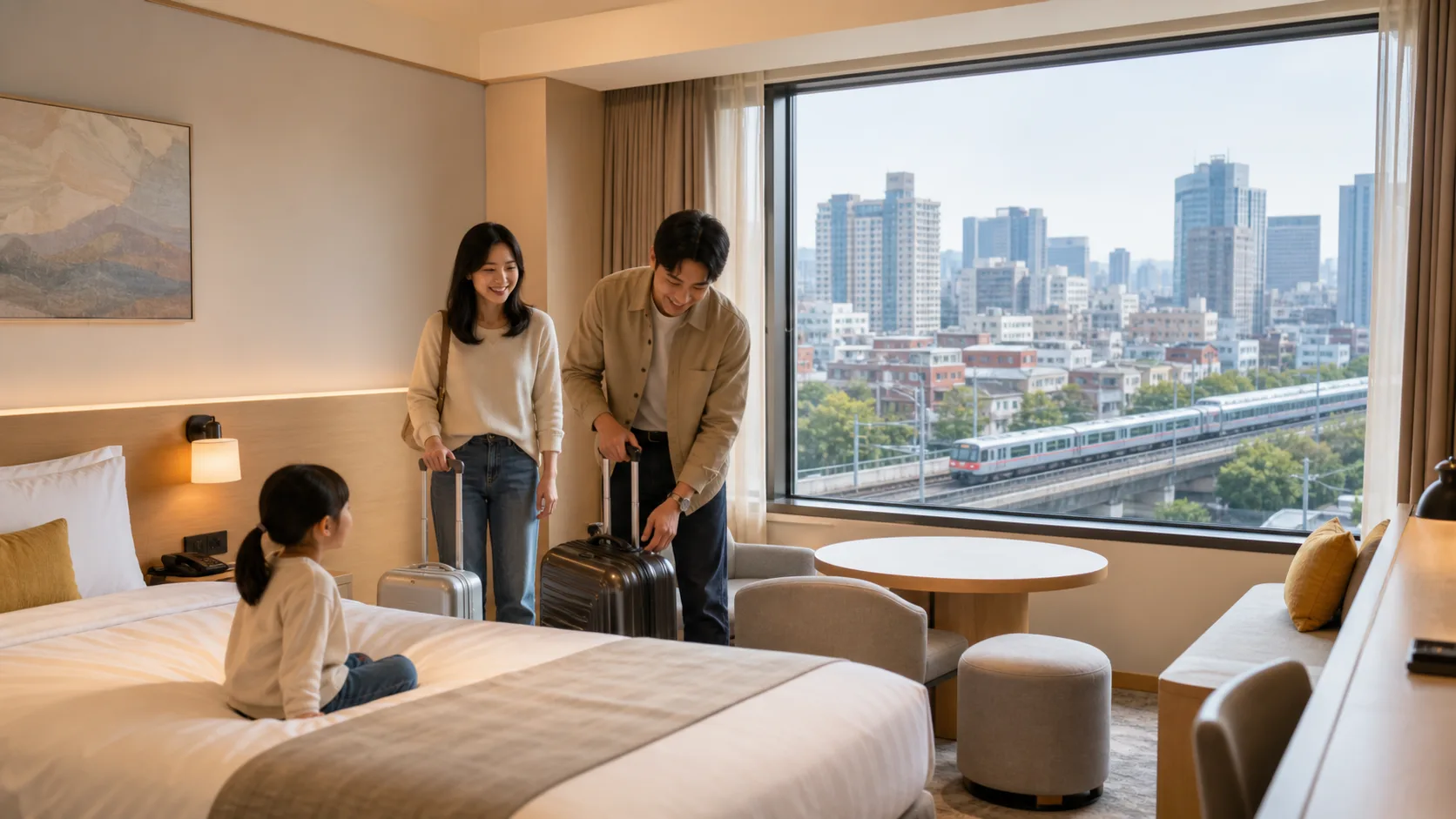
If you are planning a short family holiday to Korea from Singapore, the safest default is to stay in central Seoul and keep the trip simple. For most families, that means one base near the subway, an airport-friendly airport bus or rail line, easy food options, and enough room to collapse at night without needing to repack every two days. The best neighborhood depends on your priorities, but the most useful choices are usually Myeongdong, Jamsil, Hongdae, Insadong, or City Hall.
Fast Answer
For a short family trip to Korea, stay in Seoul and avoid splitting your nights unless you have a very specific reason. If you want the easiest first trip, choose Myeongdong or City Hall for transport, food, and simple sightseeing. If you need larger rooms and a calmer pace, Jamsil is often better for families with children. If your family likes cafes, casual shopping, and a younger vibe, Hongdae works well, although it is noisier at night. If your trip is more cultural, Insadong gives you a good balance of walkability and old-seoul atmosphere.
The practical rule is this: pick one neighborhood with a direct airport connection, a family-sized room, and a subway station you can actually navigate with bags and children. A short holiday is usually too brief to waste on long cross-city transfers. For Singapore travelers, that matters because you are often arriving on a red-eye, traveling with a stroller or carry-on-heavy setup, and trying to fit in only a few high-value outings before flying home.
The best stay is the one that reduces friction. In Korea, that usually means a central district with breakfast nearby, convenience stores, late-night food, and simple access to either tourist sights or a theme-park-style day out. If you only remember one tip, remember this: for a short family trip, location and room layout matter more than luxury branding.
Context You Need
When people ask where to stay in Korea, they often mean where to stay in Seoul. That is the right question for most short family holidays because Seoul is where the easiest airport access, widest hotel inventory, strongest public transport, and most practical family logistics are concentrated. You can absolutely add Busan, Jeju, or a countryside stop, but if your trip is only four to six nights, moving around usually adds stress faster than it adds value.
Korea travel also feels different from some other Asian city breaks. Distances can look short on a map, but a family move with luggage, a sleepy child, and an unfamiliar station can burn an hour quickly. Hotels tend to be smaller than the apartment-style options many Singapore travelers are used to, and not every room is designed for four people. That means your district choice affects not just sightseeing, but sleep quality, meal options, laundry access, and how painful every morning starts.
For a family holiday, your stay usually needs to do four jobs at once:
- Let you sleep well.
- Make breakfast and late-night food easy.
- Keep transit simple.
- Put you close to the kind of activities your family will actually enjoy.
That is why the “best” area depends on the shape of the trip. If it is your first time in Korea, you may want a central tourist base. If your kids are young, you may want a district with wider sidewalks and larger rooms. If your children are older, you may value a more lively neighborhood with convenience stores, dessert places, and easy train access. If grandparents are traveling too, elevator access and shorter transfers become more important than nightlife or trendiness.
There is also a cultural angle. Seoul is a city of districts that each have a clear personality. Myeongdong is efficient and tourist-friendly. Hongdae is youthful and energetic. Jamsil is broader, cleaner, and more family-oriented. Insadong and nearby areas lean traditional and walkable. Gangnam is polished and businesslike. Those personalities matter because a family trip is not just a place to sleep; it is the frame that shapes every part of the holiday.
Step-By-Step Guide
The best way to choose where to stay is to work backward from your family itinerary. If you decide the district first and the activities second, you can end up with a pretty hotel in the wrong place. Use this sequence instead.
1. Decide what kind of family holiday you are taking
Before booking, identify the main trip style:
- First-time sightseeing trip with iconic Seoul spots.
- Child-focused holiday with parks, aquariums, or theme parks.
- Food-and-shopping trip where adults want convenience and older kids want easy movement.
- Multigenerational trip where comfort and minimal walking matter more than trendiness.
This matters because a “good” hotel for a couple can be a bad hotel for a family of four. A great boutique property in a narrow lane may be charming, but a headache if you are pushing luggage, managing a stroller, and coming back tired at 9 p.m.
2. Choose the district that matches the itinerary
Use this simple guide:
- Myeongdong: best all-around pick for first timers, easy food, central transit, straightforward airport access.
- City Hall / Seoul Station area: practical for train links, airport rail, and wider hotel selection.
- Jamsil: best for families who want larger rooms, mall access, riverside walks, and kid-friendly attractions.
- Hongdae: best for older kids, casual dining, and a lively neighborhood feel.
- Insadong / Jongno: best for culture, palaces, traditional areas, and walking-friendly sightseeing.
- Gangnam: best for modern hotels, shopping, and polished convenience.
If you are unsure, choose central Seoul over a farther district. A central base gives you more backup options when the weather changes, the child gets tired, or you realize you need dinner and pharmacy access immediately.
3. Filter by room size first, brand second
For families, the room layout usually matters more than the chain name. Check for:
- Twin or double-plus-sofa-bed configurations.
- Family rooms or connecting rooms.
- Space for two suitcases to open at once.
- Bathtub if you are traveling with younger children.
- Laundry access if your stay is longer than four nights.
In many Korean hotels, “sleeps four” can mean two beds plus a sofa bed or a tighter layout than you expect. If your family dislikes cramped rooms, move room size to the top of your decision list.
4. Check the airport transfer before you book
Short trips punish bad logistics. Before confirming, ask:
- Is the hotel on a direct airport limousine bus route?
- Is the subway station elevator-friendly?
- Is a taxi from the airport reasonable for your arrival time?
- Can you handle luggage if you arrive very late or very early?
For many Singapore families, the best arrival plan is whichever one gets you to the hotel with the fewest transfers. One train plus a walk is better than two trains and stairs, especially after an overnight flight.
5. Map the nearby food options
Families need backup food. Check whether your area has:
- Convenience stores.
- Cafes with kid-friendly breakfasts.
- Soup, noodles, fried chicken, rice bowls, or casual Korean spots.
- Western food for picky eaters, if needed.
This is not a small detail. A district with excellent sightseeing but limited dinner options can become inconvenient fast when children are hungry and tired.
6. Use a hotel plan that matches your age mix
Different families should choose differently:
- Parents with toddlers: choose the calmest area with the easiest room access.
- Parents with school-age children: choose a central area with simple transit and short hops.
- Teens or older children: choose a livelier area with cafes and shopping nearby.
- Grandparents included: choose a hotel with elevators, minimal slopes, and taxi-friendly frontage.
7. Lock the base, then plan day trips
Do not overcomplicate a short holiday with multiple hotel moves. Once you choose a base, use it for the majority of the trip and treat day trips as add-ons. That leaves you more energy for the actual holiday instead of turning each morning into a check-out exercise.
Practical shortlist
If you want the simplest answer, use this decision shortcut:
| Family need | Best starting area |
|---|---|
| First trip to Korea | Myeongdong or City Hall |
| Bigger room, calmer pace | Jamsil |
| Older kids, cafes, lively streets | Hongdae |
| Culture, palaces, traditional feel | Insadong / Jongno |
| Modern shopping and polished hotels | Gangnam |
Costs, Hours, and Logistics
Hotel costs in Korea vary a lot by season, event calendar, and neighborhood, but short family-trip planning works best if you think in bands rather than exact bargains. Central Seoul tends to cost more than outer districts, and larger family rooms cost more than standard doubles. The biggest price jump usually comes from room size, weekend dates, and school holidays rather than just the neighborhood itself.
For a short family trip, you should expect the following planning realities:
- Central tourist districts are convenient but rarely the cheapest.
- Family rooms and connecting rooms disappear earlier than standard doubles.
- Breakfast-inclusive rates can be helpful when mornings are chaotic.
- Taxi use is normal when a child is tired or the weather is bad.
Hours are relevant not because your hotel closes, but because your district determines how your day flows. Museums, palaces, malls, and restaurants all have different operating patterns, so a family base should reduce the amount of time you spend crossing town for meals and naps. A central hotel lets you return for a break, then go back out for dinner without feeling like you have wasted half the day.
Transit is the other major factor. Seoul’s subway network is efficient, but it is not always the easiest option with heavy bags or small children. Station exits can involve stairs, long corridors, or confusing transfers. That is why many families prefer a hotel close to a major station, a direct airport bus stop, or a district where taxis are easy to hail.
For a Singapore traveler, payment is usually straightforward. Credit cards are widely accepted in hotels, malls, and larger restaurants, but it still helps to keep some Korean won on hand for small purchases, convenience stores, and taxi fares. If you are booking a family room or a popular central hotel, reserve early and confirm bed configuration in writing if that detail matters.
The 2026 booking caveat is simple: do not assume “family-friendly” means “spacious.” In Korea, some hotels are family-friendly because they are safe, clean, and well-located, not because they are oversized. Read room dimensions carefully, especially if you need space for a stroller, multiple large suitcases, or a baby cot.
Variations and Edge Cases
Not every family trip should use the same base.
If you have young children
Choose a calmer district with easy taxi access and minimal walking between station and hotel. Jamsil, City Hall, and some parts of Myeongdong are usually more forgiving than dense nightlife streets. A bathtub, laundry, and nearby convenience store matter more than trendy cafes.
If you are traveling with teenagers
Hongdae or Gangnam can work well because there is more to do within a short radius. Older kids often appreciate cafes, dessert spots, shopping streets, and areas that feel lively after dinner. The tradeoff is noise, foot traffic, and a little less calm at night.
If you are bringing grandparents
Prioritize elevators, short taxi rides, and a district with easy food delivery or nearby casual dining. Avoid places where you must climb slopes, cross busy multi-lane roads, or walk long distances from station to hotel. Comfort beats style here.
If your family cares most about sightseeing
Stay near Insadong, Jongno, or Myeongdong so you can combine palaces, markets, and central landmarks without long transfers. That reduces friction on a short trip and gives you more control if the weather changes.
If your family is mostly interested in shopping
Myeongdong and Gangnam are practical, with easy access to major commercial areas. If your family likes malls, Jamsil is also strong because you can combine shopping with food, open space, and a more relaxed pace.
If you plan to do day trips outside Seoul
Choose a base near Seoul Station or another major transfer point. That makes it easier to catch trains or day-tour departures without dragging luggage across town. For a short holiday, this can be more valuable than staying in a picturesque but awkwardly located boutique area.
If you are trying to save money
Look slightly outside the most famous tourist blocks, but stay on a direct subway line and avoid areas that add transfer complexity. Savings are only worth it if they do not create daily friction. A cheaper hotel that makes every evening harder is usually false economy.
Mistakes to Avoid
The biggest mistake is choosing a neighborhood because it looks famous, not because it fits your family. A district can be great for solo travelers and still be annoying for a tired family at the end of the day.
Another common mistake is underestimating room size. Photos often hide how little floor space remains once suitcases are open. If you are traveling with children, make space a priority instead of a nice-to-have.
Do not over-plan multiple stays on a short trip. Moving hotels sounds efficient on paper, but in real life it creates check-in, packing, and transport friction. For a short family holiday, one base is usually the smarter move.
Finally, do not ignore airport transfer. A hotel can look perfect until you realize it requires stairs, a long walk, or two separate train changes after a long flight. The easiest hotel to reach is often the one you appreciate most on arrival day.
FAQ
Is it better to stay in Myeongdong or Hongdae for a family trip?
For most short family trips, Myeongdong is easier. It is more central, simpler for first-time visitors, and better for getting around with minimal planning. Hongdae is better if your family prefers a more youthful atmosphere, but it can be busier and noisier.
What is the best area in Seoul for a family with kids?
Jamsil is a strong option because it tends to feel more open, has family-friendly mall access, and works well for slower-paced trips. Myeongdong is the safer all-around choice if you want the broadest mix of convenience and sightseeing access.
Should I stay near Seoul Station?
Yes, if your priority is transport convenience, especially for airport rail, trains, or early departures. Just check the immediate streets and walkability, because “near the station” can still mean a different experience depending on the exact hotel block.
Is Gangnam too far for a short holiday?
Not necessarily, but it is less convenient than central Seoul if your trip is focused on classic sightseeing. Gangnam works best if you want polished hotels, shopping, and a modern district feel, or if you already know the city well.
Are family rooms worth paying extra for?
Usually yes. On a short family trip, a better room layout can save more stress than it costs in cash. Extra space helps with luggage, naps, and bedtime routines, which is often the difference between a smooth stay and a cramped one.
How many nights should a family stay in one area?
If you are only in Korea for a short holiday, stay in one base for the whole trip unless you have a strong reason to split. Four to six nights in one central district is usually easier than changing hotels halfway through.
What if I want a more local experience?
Choose a district that still has excellent transit and food access, but slightly less tourist intensity. Insadong, Jongno, or some parts of Gangnam can give you a more lived-in feel without making the trip harder for the family.
Is it okay to stay outside central Seoul?
Yes, if your hotel has a direct transit link and your plans are concentrated around one attraction type. But for a short family holiday, staying too far out usually saves less than people expect and can cost more time than it is worth.
Next Steps
Start by choosing the family profile that best matches your trip: first-time sightseeing, child-focused, multigenerational, or shopping-heavy. Then pick the district that reduces transport stress and gives you the room size you need. For most short holidays, that means a central Seoul base rather than a split stay.
Once the neighborhood is set, book the room type first, not the brand. After that, check airport transfer, nearby food, and whether your family can realistically walk from the station with luggage. If you want a broader Korea planning sequence after this, the next step is to match your hotel area with your sightseeing route and day-trip plan.
Related: korea-family-trip-itinerary-for-singapore-travelers
Related: korea-family-trip-neighborhood-guide-for-first-time-visitors