Temple Stay Programs in Korea: How to Book and What to Expect

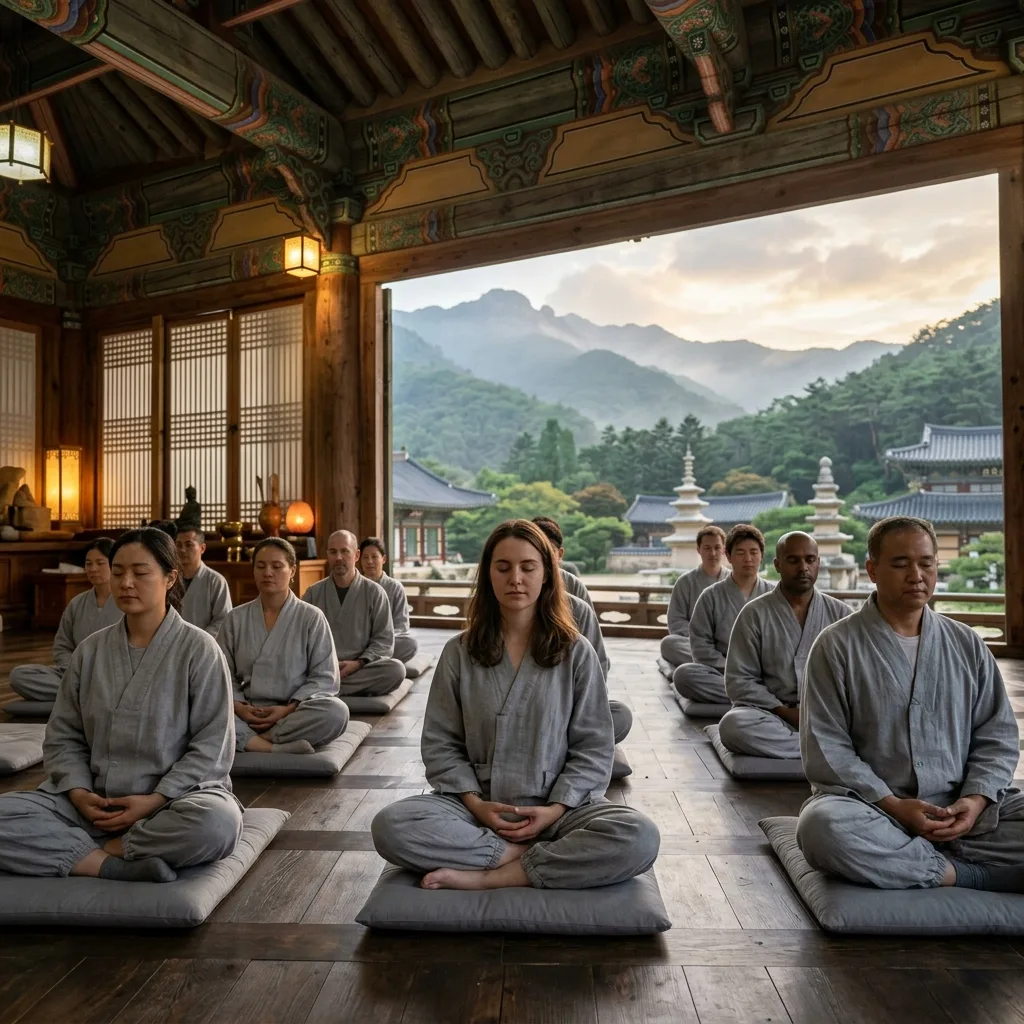
Have you ever dreamed of escaping the hustle and bustle of modern life to find peace and tranquility? Imagine waking to the sound of ancient temple bells, participating in traditional Buddhist rituals, and meditating in the serene mountains of South Korea. Temple Stay programs offer a unique opportunity to immerse yourself in Korean Buddhist culture, practice mindfulness, and experience a different pace of life. Whether you're seeking spiritual enlightenment, cultural immersion, or simply a peaceful retreat, a Temple Stay can be a profoundly enriching experience. This guide will walk you through everything you need to know about booking and what to expect from these incredible programs in 2026.
Introduction to Temple Stay: A Journey into Korean Buddhism
Korean Temple Stays are much more than just accommodation; they are immersive cultural programs designed to give participants a glimpse into the daily lives of Buddhist monks and the ancient traditions of Korean Buddhism. Originating as a way to share temple culture with the world during the 2002 FIFA World Cup, these programs have grown significantly, attracting visitors from all corners of the globe. The concept itself is rooted in the long history of Korean Buddhism, which has flourished on the peninsula for over 1,700 years. Temples have always served as centers of spiritual practice, learning, and community, and the Temple Stay program extends an invitation to outsiders to partake in this rich heritage. Participants engage in various activities such as meditation (Seon), ceremonial meals (Balwoo Gongyang), chanting, tea ceremonies, and conversing with monks, all while residing within the tranquil confines of a working temple. It's an unparalleled opportunity to learn about a rich spiritual heritage, reflect on one's own life, and find inner peace away from the distractions of everyday life. The programs typically cater to both Koreans and international visitors, with many temples offering English-speaking guides and services, making this profound cultural exchange accessible to a wider audience. This experience is not merely tourism; it's an invitation to connect with a different way of life, to slow down, and to explore the depths of your own consciousness in a uniquely serene environment. Many participants report a sense of rejuvenation and clarity after even a short Temple Stay, highlighting its benefits for mental and emotional well-being.
Choosing Your Temple and Program Type
South Korea boasts numerous temples offering Temple Stay programs, each with its unique charm, historical significance, and spiritual focus. From the bustling urban temples of Seoul to secluded mountain monasteries nestled amidst breathtaking natural scenery, you can find a program that perfectly suits your interests and schedule. Consider what kind of experience you are seeking: do you want a historical journey, an intense spiritual retreat, or a gentle introduction to monastic life?
There are generally two overarching types of Temple Stay programs, each designed to meet different aspirations:
Experience-oriented Programs
These programs are ideal for those who want a more active, hands-on, and engaging interaction with temple life. They are structured to provide a comprehensive introduction to Buddhist practices and traditions. Activities might include:
- Seon (Zen) Meditation: This isn't just sitting quietly; it involves guided sessions where you learn fundamental meditation techniques, focusing on breath and posture to cultivate mindfulness and inner calm. Monks often provide insights into the philosophy behind the practice.
- Balwoo Gongyang: More than just a meal, this is a deeply symbolic ceremonial eating ritual. Participants use a set of four bowls, eating in silence and ensuring not a single grain of rice is wasted, teaching gratitude, humility, and the interconnectedness of all things.
- 108 Prostrations: A physically and spiritually demanding practice involving 108 full bows, often performed while reciting a verse or reflecting on each of the 108 worldly delusions in Buddhism. It's a powerful way to cultivate humility and discipline.
- Tea Ceremony: Experience the serene and ritualistic preparation and consumption of traditional Korean tea. This practice emphasizes mindfulness, grace, and connection with others.
- Making Lotus Lanterns or Prayer Beads: Engaging in traditional Buddhist crafts provides a meditative and creative outlet, allowing you to connect with the artistic expressions of the faith.
- Conversations with Monks (Dahdham): These invaluable sessions offer rare opportunities to ask questions about Buddhist philosophy, monastic life, and personal challenges, gaining profound insights from experienced practitioners.
Rest-oriented Programs
If your primary goal is relaxation, quiet contemplation, and a break from everyday stress, a rest-oriented program might be more suitable. These programs offer a more flexible schedule with ample free time for personal reflection, leisurely walks around the temple grounds, enjoying the peaceful atmosphere, reading, or simply being present. While some optional activities might be available, the emphasis is on personal retreat, rejuvenation, and allowing yourself the space to simply "be." This can be particularly beneficial for those seeking stress relief or a mental detox.
When choosing a specific temple, research its background and specialties. Popular temples include:
- Jogyesa Temple (Seoul): Located in the heart of Seoul, it's easily accessible and offers programs that provide a taste of urban temple life and Korean Buddhism's central tenets.
- Bongeunsa Temple (Seoul): Another prominent temple in Seoul, known for its beautiful architecture and programs that are very welcoming to international visitors.
- Bulguksa Temple (Gyeongju): A UNESCO World Heritage site, offering a deeply historical and culturally rich experience in a city known for its ancient Korean heritage.
- Haeinsa Temple (Gayasan National Park): Home to the Tripitaka Koreana, a complete collection of Buddhist scriptures carved on over 80,000 wooden printing blocks. This temple offers a profound historical and spiritual journey.
- Magoksa Temple (Gongju): Known for its beautiful natural surroundings and a focus on serene meditation practices, offering a true escape from city life.
Consider the atmosphere you desire (vibrant and accessible vs. secluded and meditative) and ensure the temple provides adequate English translation if needed.
Practical Guide to Booking Your Temple Stay in 2026
Booking a Temple Stay is a streamlined and straightforward process, particularly with the dedicated English-language website. Understanding the steps and what to expect financially will ensure a smooth experience.
Official Booking Platform
The primary, most reliable, and highly recommended platform for exploring and booking Temple Stay programs is the official website: eng.templestay.com. This comprehensive site serves as your central hub, providing detailed information about all participating temples across South Korea, specifics on their various program offerings, clear schedules, and a user-friendly online booking system. It's designed to make the process accessible for international visitors.
Step-by-Step Booking Process:
- Visit the Official Website: Begin your journey by navigating directly to eng.templestay.com.
- Search and Filter for a Temple: The website features robust search filters. You can search for temples by geographical region (e.g., Seoul, Gyeongju, Jeju Island), by the type of program you prefer (experience-oriented or rest-oriented), and critically, by whether they offer programs with English services. This last filter is invaluable for non-Korean speakers.
- Select Your Desired Program: Once you've identified a few suitable temples, delve into the details of the specific programs they offer. Carefully review the daily schedule of activities, the duration of the program (e.g., 1-night/2-days, day program), and any special focuses.
- Check Availability and Understand Pricing: The website clearly displays available dates for each program and the corresponding program fees.
- Estimated Prices (2026):
- 1-Night, 2-Day Program: Expect to pay in the range of ₩50,000 to ₩100,000 (approximately $40 to $75 USD) per person. This is the most common and comprehensive program type.
- Day Program (2–4 hours): These shorter programs typically range from ₩20,000 to ₩30,000 (approximately $15 to $25 USD), offering a brief introduction without an overnight stay.
- Single Room Supplement: While most Temple Stays involve shared, communal sleeping arrangements (often on traditional Korean ondol heated floors), some temples may offer private room options for an additional charge, typically around a 20% supplement. Always check if this option is important to you.
- Note: These fees are inclusive and generally cover your accommodation, the loan of a simple temple uniform or vest to be worn during activities, and all monastic vegan meals (Balwoo Gongyang), which are an integral part of the experience. There are usually no hidden costs.
- Estimated Prices (2026):
- Complete the Reservation and Payment: After selecting your program and dates, you will be guided through filling in your personal details, including any dietary restrictions or special requests. Payment is typically processed online via major international credit cards (Visa, MasterCard, American Express) to secure your booking immediately. This secure online transaction confirms your commitment and reserves your spot.
- Receive Confirmation: Upon successful booking and payment, you will receive a detailed confirmation email. This email will contain all essential information, including your booking reference, the temple's location, contact details, directions, a detailed itinerary, and a list of what to bring. It's crucial to read this carefully.
Important Booking Tips for 2026:
- Book Well in Advance: Given the increasing popularity of Temple Stay programs, particularly for well-known temples in major tourist-centric cities like Seoul (e.g., Jogyesa, Bongeunsa) or historically significant UNESCO sites (e.g., Bulguksa in Gyeongju), it is highly recommended to book your spot at least one month in advance. For peak seasons or specific dates (like national holidays), even earlier booking might be necessary.
- Prioritize English-Speaking Temples: If you are not fluent in Korean, utilizing the "English-speaking" filter on the official website is paramount. These temples will have monks or volunteers capable of providing instructions and explanations in English, enriching your understanding and participation.
- Check Visa Requirements Separately: Temple Stay programs themselves do not have special visa requirements. Your eligibility to enter South Korea will depend solely on the general visa regulations for your nationality. Always consult the official website of the South Korean embassy or consulate in your home country for the most up-to-date visa information. As of early 2026, no significant changes to tourist visa policies impacting general entry are widely anticipated, but cross-referencing with official government sources closer to your travel date is always a good practice.
- Cancellation Policies: Familiarize yourself with the cancellation policy of your chosen temple. While flexibility may exist, last-minute cancellations might incur fees or forfeit your payment.
What to Expect During Your Temple Stay
Your specific experience will naturally vary slightly depending on the individual temple, the duration of your stay, and the particular program you've chosen. However, a general structure and a common set of expectations are applicable across most Temple Stay programs, offering a predictable yet profound journey.
Typical Daily Routine: Embracing Monastic Discipline
Life at a temple follows a disciplined monastic schedule, which you will be respectfully invited to participate in. This structured routine is fundamental to the meditative and communal aspects of the experience.
- 04:00 AM: Wake-up Bell & Yebul (Morning Chanting): The day begins early with the rhythmic striking of temple instruments – the drum, bell, wooden fish, and cloud gong – calling everyone to the main dharma hall. Yebul is a solemn and powerful ceremony involving chanting and prostrations, a deeply spiritual way to greet the new day. Even if you don't understand the words, the resonant sounds and movements are incredibly moving.
- 06:00 AM: Balwoo Gongyang (Monastic Breakfast): This isn't just a meal; it's a sacred ritual of communal eating, often performed in complete silence. Using a traditional set of four bowls, participants are taught to serve themselves only what they can eat, consuming every last grain of rice and cleaning their bowls with water, which is then drunk. This practice fosters mindfulness, gratitude for the food, and a commitment to avoid waste.
- 10:00 AM – 05:00 PM: Activities & Free Time: This extensive period is typically filled with a variety of engaging activities. These can include more intensive meditation sessions (sitting or walking), further tea ceremonies, dharma talks or conversations with monks (Dahdham), community work like sweeping the temple grounds (a form of meditative practice), or simply designated free time for personal reflection, reading, or exploring the beautiful temple surroundings. The balance between structured activities and free time depends on the program type.
- 06:00 PM: Evening Chanting: Similar to the morning ceremony, the evening chanting provides another opportunity for communal prayer, reflection on the day's experiences, and preparation for a peaceful night.
- 09:00 PM: Lights Out: The temple's day concludes relatively early, encouraging deep rest and preparing for the next day's early start.
Accommodation: Simplicity and Comfort
Most Temple Stays offer modest, clean, and communal accommodations. The most common style is ondol, where you sleep on thick mats (yo and ibul) directly on a heated floor, a traditional Korean sleeping arrangement. Shared rooms are typical, promoting a sense of community, though some temples may offer private rooms for an additional cost, depending on availability and your booking. Facilities are generally basic but well-maintained and comfortable, providing a peaceful and conducive environment for reflection rather than luxury. Bedding (mats and blankets) and towels are usually provided.
Meals: A Taste of Buddhist Purity
Meals served during a Temple Stay are strictly vegetarian or vegan, adhering to Buddhist dietary principles. This means no meat, fish, or strong-smelling vegetables like garlic, onions, chives, leeks, and wild garlic (known as ogu in Korean Buddhism) are used. The cuisine, known as Sachal Eumshik, focuses on fresh, seasonal ingredients, often grown organically within the temple gardens or sourced locally. The food is typically simple, healthy, delicious, and incredibly nourishing, emphasizing the natural flavors of the ingredients. Meals are served communally, often in silence as part of the Balwoo Gongyang ritual, fostering a deeper appreciation for the food and its origins. This culinary experience is itself a lesson in mindful eating and sustainability.
Dress Code and Etiquette: Respectful Participation
To ensure a respectful and comfortable experience, it's important to be mindful of the temple's customs:
- Modest Attire: Wear comfortable, loose-fitting clothing that covers your shoulders and knees. Avoid revealing attire. You will likely be provided with a simple temple uniform (often a vest or a full set of clothes) which should be worn during official activities and ceremonies.
- Respectful Behavior: Maintain a quiet demeanor, especially in meditation halls, during ceremonies, and in other sacred areas. Loud talking, boisterous laughter, or disruptive behavior are strongly discouraged. Always remove your shoes before entering temple buildings, placing them neatly outside.
- Digital Detox: While not strictly enforced everywhere, many participants choose to limit their use of electronic devices – or even fully switch them off – to fully embrace the experience and disconnect from external distractions. This allows for deeper immersion in the tranquil environment.
- Photography: Ask for permission before taking photos, especially of monks or inside sacred areas. Flash photography is generally prohibited.
Tips for a Meaningful Temple Stay Experience
To truly make the most of your Temple Stay, approaching it with a particular mindset and being prepared for the experience will significantly enhance its value.
- Go with an Open Mind and Heart: The most important tip. Embrace the new experiences, traditions, and the different pace of life, even if they differ significantly from your own cultural norms or expectations. Allow yourself to be present and receptive.
- Participate Actively and Enthusiastically: Engage in the activities offered, whether it's meditation, chanting, or community work. Even if a practice feels challenging or unfamiliar, the effort itself is part of the learning and growth process. Full participation allows for a deeper understanding and connection.
- Ask Questions Thoughtfully and Respectfully: Monks are often very open to discussing Buddhist philosophy, monastic life, and answering sincere questions. Use the "Dahdham" (conversations with monks) sessions wisely to deepen your understanding, but always approach with respect and genuine curiosity.
- Be Prepared for Simplicity and Minimalism: This is not a luxury resort; it's a spiritual retreat. Expect basic amenities, simple food, and communal living. The focus is on inner experience and detachment from material comforts, not lavishness. Appreciate the beauty in this simplicity.
- Embrace the Digital Detox: While it might be tempting to check your phone, consciously use this opportunity to step away from your digital devices. Disconnecting from the internet and social media allows you to connect more deeply with yourself, your surroundings, and the present moment.
- Learn Basic Korean Phrases: While many temples cater to international visitors with English services, knowing a few polite Korean phrases will go a long way in showing respect and enhancing your interactions. Simple greetings ("Annyeonghaseyo"), expressions of gratitude ("Gamsahamnida"), and apologies/excuses ("Juesonghamnida") are highly appreciated.
- Listen to Your Body: The early mornings and structured activities can be tiring for some. If you feel unwell or need a moment to rest, discreetly inform a staff member. It's okay to take a short break, but try to rejoin activities when you can.
- Respect the Silence: Periods of silence, particularly during meals and meditation, are integral to the experience. Honor these moments and contribute to the peaceful atmosphere.
Common Mistakes to Avoid
Avoiding these common pitfalls can help ensure your Temple Stay is as harmonious and enriching as possible:
- Arriving Late or Disrupting the Schedule: Temples operate on a precise, disciplined schedule. Adhere strictly to the arrival times specified in your confirmation and be punctual for all activities. Lateness is disrespectful and disruptive.
- Disregarding Temple Rules and Etiquette: Always follow the instructions provided by the monks and staff. These rules are in place to maintain the sanctity of the temple and the integrity of the program.
- Being Overly Noisy or Disruptive: Maintain a quiet and respectful demeanor, especially in meditation halls, during ceremonies, and within the temple grounds. Loud conversations or boisterous behavior are inappropriate.
- Expecting a Typical Tourist Attraction: While temples are often stunningly beautiful, a Temple Stay is not just a sightseeing tour. It's an immersive program focused on participation, learning, and personal reflection. Come with an intention to engage, not just observe.
- Ignoring the Daily Schedule: The monastic routine is central to the Temple Stay experience. While there's some flexibility in rest-oriented programs, trying your best to adhere to the schedule, particularly the morning and evening ceremonies, will allow you to fully appreciate the rhythm of temple life.
- Bringing Inappropriate Items: Avoid bringing alcohol, non-vegetarian food, or overly revealing clothing. These are contrary to the temple environment.
- Using Your Phone Constantly: While you don't need to completely surrender your phone, excessive phone use, especially during activities, is distracting and detracts from the immersive experience.
FAQ: Your Top Questions Answered
Q1: Do I need to be Buddhist to participate in a Temple Stay?
Absolutely not. Temple Stay programs are designed to be inclusive and are open to everyone, regardless of their religious background, beliefs, or nationality. They are primarily intended for cultural exchange, spiritual exploration, and personal reflection.
Q2: Can children participate in Temple Stay programs?
Yes, many temples offer family-friendly programs specifically tailored for children or welcome younger participants. However, age restrictions can vary significantly between temples and programs. It is essential to check the specific temple's program details on eng.templestay.com or contact them directly to confirm suitability for children.
Q3: What should I pack for a Temple Stay?
Pack comfortable, loose-fitting, and modest clothing that allows for movement and covers your shoulders and knees. Personal toiletries (toothbrush, toothpaste, mild soap), any necessary personal medications, and a small towel are also good to bring. A reusable water bottle is useful. Remember that temple uniforms are typically provided upon arrival for use during your stay.
Q4: Is it possible to do a Temple Stay for just one day?
Yes, many temples offer convenient day programs. These shorter programs typically range from 2 to 4 hours and are perfect for those with limited time, or for travelers who wish to get a brief introduction to temple life before committing to an overnight stay. You can find these options clearly listed on the official booking website.
Q5: How strict is the schedule, and do I have to participate in everything?
The temple schedule is generally quite structured, and participation in activities is strongly encouraged to fully benefit from the immersive experience. However, if you have specific health concerns, physical limitations, or genuinely need a moment of rest, you can discreetly inform a staff member or monk. While the early morning wake-up can be challenging for some, many find it to be one of the most unique and rewarding aspects of the stay. The overall expectation is respectful engagement.
Q6: What about dietary restrictions beyond vegetarianism?
Since all meals are vegetarian or vegan, most common dietary restrictions (like no meat) are automatically covered. If you have severe allergies (e.g., nuts, gluten) or other specific dietary needs, it is crucial to mention these during the booking process or communicate them to the temple staff upon arrival. While temples will do their best to accommodate, it's wise to be prepared with your own safe snacks if your needs are highly specialized.
Conclusion: Embrace the Serenity of a Korean Temple Stay
A Temple Stay program offers an invaluable and unique window into the heart of Korean culture and spirituality. It's more than just a visit; it's an invitation to slow down, reflect, and connect with ancient traditions in a profoundly peaceful and introspective setting. From the resonant, rhythmic chants of the early morning ceremonies to the quiet contemplation of meditation and the mindful practice of communal meals, every moment is an opportunity for personal growth, cultural understanding, and a deep sense of calm. By diligently following this guide, you are now well-equipped to confidently book your serene retreat and embark on an unforgettable journey into the tranquil world of Korean Buddhism in 2026.
If you want the stronger updated overview, continue with Temple Stay in Korea: How to Book, What to Expect & Best Programs. Before arrival, read Temple Stay etiquette. If you are booking through the official platform, use the Templestay.com guide. If you want a more specialized program, Golgulsa Temple Sunmudo Stay is the clearest example.