Seollal in Korea: Lunar New Year Travel Tips and What's Open

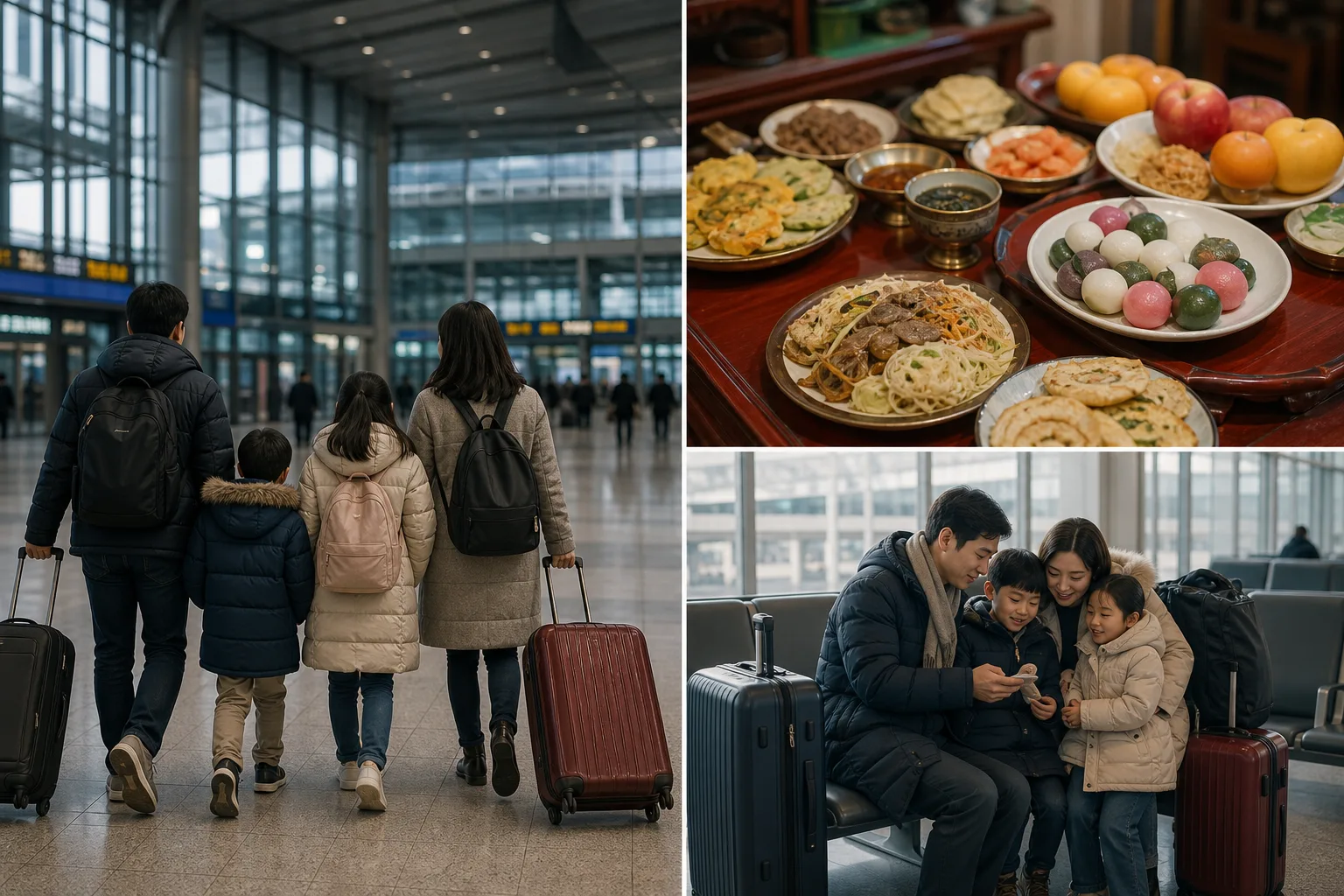
If you are planning a Korea trip around Seollal, the main challenge is not the holiday itself. It is knowing which parts of the country slow down, which attractions keep running, and how far ahead you need to book transport. Seollal can be a great time to see Korea's family traditions, but only if you plan around closures and crowd spikes.
What Seollal Means for Travelers
Seollal is Korea's Lunar New Year holiday, one of the biggest family periods on the calendar. In 2026, the holiday fell on Tuesday, February 17, and the official holiday stretch ran from February 16 to 18. For travelers, that usually means a quieter city center, busier trains, and a much narrower list of places that operate on normal hours.
The holiday is not just "a day off." It changes how Koreans move, eat, shop, and visit their hometowns. Many residents leave Seoul, Busan, and other big cities to join family elsewhere, so routes between cities can fill up quickly while some neighborhood streets feel almost empty. If you have only ever seen Korea on a normal weekday, Seollal can feel like a different country.
At the same time, Seollal is not a blanket shutdown. Airports keep moving, hotels stay open, convenience stores remain dependable, and many major attractions publish special holiday hours. That makes the holiday workable for visitors, but only if you treat it like a logistics puzzle rather than a regular city break.
If you are still deciding when to travel, it helps to compare Seollal with the rest of the year first. Korea Seasonal Travel Guide: Best Time to Visit by Month gives you the bigger weather and crowd picture, so you can decide whether to build a trip around the holiday or avoid it entirely.
The Short Version
If you want the simplest answer, Seollal travel works best when you assume three things. First, intercity transport will be crowded. Second, many family-run restaurants and small shops will close, especially on the holiday itself. Third, the places that do stay open will often have shorter hours or special schedules, so you should verify everything before you leave your hotel.
That sounds inconvenient, but it also creates opportunities. You can see palaces, markets, museums, and neighborhoods with fewer local commuters. You can book a premium hotel breakfast and use it as a backup plan. You can spend one city day on quiet walks, hot springs, cafes, and indoor attractions rather than trying to force a packed sightseeing list.
What Is Open During Seollal
The most useful way to think about Seollal is by category, not by attraction. Some parts of the travel system keep functioning because they have to. Others close because they depend on local staff, family-owned schedules, or regular weekday foot traffic. Knowing the difference prevents most holiday frustration.
Transport That Usually Keeps Running
Airports stay open, and flights continue operating, although holiday demand can make security lines, airport rail, and taxis slower than usual. If you are landing in Seoul for Seollal, build extra buffer into the first and last travel day of your trip. The same advice applies if you are connecting through Incheon and then heading to Busan, Gyeongju, Jeonju, or Jeju.
Intercity rail is one of the biggest pressure points. KTX, SRT, and other long-distance routes are often the most important way Koreans return home for the holiday. That means seats can sell out earlier than you expect, especially on the main outbound and return waves. If your trip depends on a specific train time, lock it in before you finalize hotels or day tours.
Express buses usually continue running too, but they can be heavily booked and subject to traffic delays. If you are traveling long distance during the holiday window, the bus may be cheaper than the train, but the train is often the safer choice if you care about exact arrival time.
Inside cities, subways and city buses usually continue with holiday schedules. They are still useful, but the frequency may be lower than on a normal weekday in some places. Taxis stay available, though surge-style demand can make them harder to find in tourist districts right after holiday meals or at the ends of train arrivals.
Places That Often Close or Reduce Hours
Small restaurants are the category most travelers misjudge. Family-run noodle shops, neighborhood barbecue spots, mom-and-pop cafes, and many local dessert places often close for at least part of the Seollal period. Some take a full holiday break. Others close only on the central holiday day and reopen a day later. If a place matters to your trip, do not assume it will be open because it had great Google or Naver reviews.
Banks, post offices, and many government offices usually shut down for the holiday window. That does not affect a short vacation much, but it matters if you were planning on exchanging money, handling paperwork, or using a local service desk. Do those tasks before the holiday begins.
Traditional markets are mixed. Some stalls close completely because the owners travel home. Others open with shorter hours if there is enough tourist traffic. Large market buildings can be partially open, while individual vendors inside are closed. In other words, a market visit during Seollal is a gamble unless you have checked the current schedule.
Museums, palaces, and cultural sites are especially variable. Some close on the holiday itself, some open with reduced hours, and some run special programs or performances. The safest assumption is that you need a site-by-site check. Never rely on a generic "open daily" listing from a booking site if you are visiting around Seollal.
What Commonly Stays Open
Hotels, business hotels, and serviced apartments stay open and are often the best base for a Seollal trip. Even when the surrounding neighborhood is quiet, the hotel gives you a dependable breakfast option, luggage storage, and a controlled fallback if restaurants are closed.
Convenience stores are the traveler's safety net. You can still get water, snacks, instant noodles, basic toiletries, SIM card top-ups, and sometimes simple heated meals. If you are worried about finding dinner late in the evening, stock up at a convenience store or a supermarket earlier in the day.
Big department stores, franchise coffee chains, airport complexes, and some international hotels often keep at least part of their business open. Their holiday hours can still differ from normal hours, though. Food courts may operate differently from shopping floors, and a department store might let you shop while closing individual restaurants earlier.
Theme parks, ski resorts, wellness facilities, and some major tourist zones often stay open because holiday demand is part of their business model. These places can be a smart Seollal choice if your trip is built around entertainment rather than local dining. The downside is that they may be busy even if the surrounding city is quiet.
Where to Focus Your Trip
The best Seollal itinerary is usually less ambitious than a normal Korea trip. You want fewer city hops, fewer restaurant dependencies, and more flexibility. For many first-time visitors, the holiday is easiest if you use one anchor city and add one or two day trips instead of trying to cross the peninsula.
Best Base Cities
Seoul is still the easiest base because it has the highest density of hotels, the best subway coverage, and enough late-night backup options to survive holiday closures. The city is quieter during Seollal than it is on a normal weekend, so you can actually enjoy places that are otherwise crowded. Palaces, hanok streets, river walks, and indoor malls work well as low-risk holiday activities.
Busan is a strong second choice if you want a slightly looser, more coastal holiday feel. The city is big enough to keep functioning, and many travelers find that the beach areas, cafes, and major neighborhoods remain workable even if some local restaurants close. Busan also rewards a slower pace, which matches the Seollal rhythm better than an overpacked checklist.
Jeju can also work well because it is less dependent on the daily commuter grid that shapes Seoul and the surrounding metro area. If you are willing to rent a car, stay in a resort-style hotel, and accept a more self-contained trip, Jeju can be a strong holiday escape. The tradeoff is that flights and rental cars need to be reserved early.
Places That Make Sense on Holiday
If you want to see traditional Korean culture, Seollal can be a good time for hanok villages, palace grounds, and folk culture sites, provided you verify the schedule. These places are often more atmospheric during the holiday, especially if they host seasonal performances, craft activities, or special food events.
If you want to avoid stress, choose neighborhoods with layered options: one or two must-see sights, several cafe backups, convenience stores nearby, and easy subway or taxi access. Gyeongbokgung, Insadong, Bukchon, Myeongdong, Haeundae, Seomyeon, and similar mixed-use districts work better than isolated, restaurant-heavy neighborhoods that depend on one or two local businesses.
If you are building a longer first-time trip, you can use the holiday as a pacing break rather than a deadline. The Ultimate 10-Day South Korea Itinerary for First-Timers is a useful reference if you want to reshape your route so the Seollal days land in the most flexible part of the journey.
Places That Are Riskier
Remote food streets, small temple towns, and neighborhoods built around local office traffic are riskier during Seollal because many independent businesses close. That does not mean they are off-limits, but it does mean you should not arrive hungry and expect to "figure it out on the spot."
Nightlife districts can also be surprisingly uneven. Some bars and chain restaurants stay open, especially in tourist areas, but the energy can be low in a city where many residents have gone home. If nightlife matters to your trip, check specific venues instead of assuming the whole district will be lively.
The same applies to day-trip destinations that rely on local dining rather than a major attraction. A pretty neighborhood is not automatically a good Seollal destination if all the restaurants around it are closed. When in doubt, choose places with a strong backup chain presence.
Practical Guide
The practical challenge of Seollal is not admission fees. It is timing. You need to know when to book, how to move, and how to avoid arriving at a place just after it closed. Once you understand those rules, the holiday becomes much easier to manage.
Hours, Admission, and Prices
There is no universal Seollal admission pattern. Some sites charge normal entry fees but shorten hours. Others waive admission for special holiday programs. Others close completely for one or more days. The only reliable approach is to check the official notice for each attraction a few days before your visit.
For palaces, museums, and cultural venues, assume the published holiday schedule can differ from the standard weekly schedule. A place that is open on a Tuesday in June may not be open in exactly the same way on a Tuesday in February if that Tuesday falls during the Seollal holiday window. This matters most for first-day visits, when public-facing closures are most common.
For price planning, use ranges instead of exact assumptions. Many major urban attractions in Korea are relatively affordable by international standards, but temporary holiday programs, workshops, or special performances may have separate ticketing. If a site advertises a seasonal event, check whether it is included in general admission or sold separately.
Restaurants follow the same rule. Standard prices usually do not change because of Seollal, but some hotel buffets, special set menus, or holiday dinners can be more expensive than a normal casual meal. If your budget depends on street food and small eateries, have a backup plan.
How to Get There
From the airport, the safest move is the simplest one: get to your hotel first, then decide what the holiday schedule allows. If you are jet-lagged or landing during a crowded transfer window, do not start the trip by trying to chase a hard-to-reach attraction on the same day.
Between cities, book rail tickets first and shape the rest of the itinerary around them. Holiday rail demand is one of the clearest reasons to commit early. If your route is Seoul to Busan, Seoul to Gyeongju, Seoul to Jeonju, or Seoul to Daegu, transport should be part of your trip design rather than an afterthought.
Within the city, rely on subways, taxis, and short walking loops. Seollal is not the time to optimize every transfer. It is the time to stay close to the places you can control. If a restaurant or attraction is a little out of the way, choose a hotel that reduces the number of moving parts.
For self-drive travelers, holiday traffic can be the biggest hidden cost. Fuel, parking, and toll roads are one issue. Real-time congestion is the other. If you are renting a car, make sure your return timing does not collide with the main outbound or return travel waves.
What to Book Early
Book these early if your trip touches the Seollal period:
- Long-distance train or bus tickets
- Your first and last hotel nights
- Airport transfer if you are landing late or leaving early
- Any timed-entry attraction that publishes holiday reservations
- Restaurant reservations for special dinners or hotel dining
If you are still deciding between activities, prioritize the ones with fixed windows. Train reservations matter more than casual cafe stops. A palace visit matters more than an open-ended shopping street. Once the hard constraints are locked, the rest of the trip becomes much easier to improvise.
If you are using tour platforms or booking systems, check the cancellation rules carefully. Holiday timing makes some bookings less flexible, and operators may treat Seollal as a special period with reduced refund windows. Read the fine print before you pay.
Money, Connectivity, and Daily Logistics
Carry a payment mix rather than relying on one card. Korea is card-friendly, but a holiday closure can make it harder to find a backup service point if something goes wrong. Keep a small amount of cash for convenience stores, markets, taxis, or the occasional cash-preferred vendor.
Make sure your data and navigation are working before the holiday starts. Connectivity is rarely the problem in Korea, but bad timing can still make a small issue feel huge. Download offline maps, save your hotel address in Korean, and keep screenshots of any reservation confirmations.
If you need meals outside the hotel, think in layers. Your first layer is convenience stores and open franchise cafes. Your second layer is hotel restaurants or malls. Your third layer is a reservation at one or two known-open places that you have confirmed in advance. This layered approach keeps one closure from wrecking the day.
Tips & Common Mistakes
The mistakes travelers make during Seollal are predictable. They usually come from treating Korea like it behaves the same way on a holiday that it does on a normal weekday. It does not. The more you accept that upfront, the smoother your trip becomes.
Mistake 1: Assuming the City Is Closed
Some travelers overcorrect and assume everything is shut down. That leads to a dull trip where they sit in the hotel even though plenty of useful things are open. The right mindset is not "nothing works." It is "different categories work differently."
Airports work. Hotels work. Many chains work. Transit works, though it may be busy. The city is alive, just on holiday terms. If you plan around the open categories instead of fighting the closed ones, you can still have a strong trip.
Mistake 2: Booking Only One Restaurant Plan
Seollal dining works best when you have a primary option and a backup. Even if one restaurant says it is open, it may have limited hours, a holiday menu, or a reservation-only policy. Build your day so that a restaurant closure becomes an inconvenience, not a crisis.
For etiquette and dining strategy more broadly, Master the Meal: 10 Korean Dining Rules You Must Know is a useful companion piece. It helps you understand how shared dishes, ordering pace, and table behavior work once you do find an open meal spot.
Mistake 3: Not Checking the Holiday Notice Page
Many Korean attractions publish holiday notices on their own websites, social channels, or booking pages. Travelers often check the general listing and stop there. That is not enough during Seollal. You need the holiday-specific page or notice, especially for palaces, museums, temples, and cultural villages.
Mistake 4: Moving Too Much
Seollal is a bad time for a frantic multi-city sprint. If you are trying to hit Seoul, Andong, Gyeongju, Busan, and Jeju in one short window, the holiday will punish every transfer mistake. A shorter route with one or two anchor cities is much safer.
Mistake 5: Ignoring Family-Oriented Atmosphere
Even in open districts, Seollal feels different. There are fewer commuters, more family groups, and a quieter public mood. That does not mean tourists are unwelcome. It does mean a respectful, low-noise, flexible approach tends to work better than a loud, overbooked party itinerary.
If you visit a traditional area or temple during the holiday, act like a guest first and a content creator second. Keep your volume down, do not block ceremonial spaces, and do not assume a photo spot is more important than the people using the space for the holiday.
FAQ
Is Seollal a bad time to visit Korea?
Not necessarily. It is a bad time if you want a maximum number of open independent restaurants and a normal business-week rhythm. It can be a good time if you want a quieter city center, holiday atmosphere, and a trip built around hotels, transit, major attractions, and flexible backup plans.
Are restaurants and cafes open during Seollal?
Some are, many are not. Chain cafes, hotel restaurants, convenience-store meals, and selected tourist-area spots usually give you the best odds. Family-run places often close for at least part of the holiday. Always verify the exact hours the day before you go.
Can I still travel between Seoul and other cities?
Yes, but you should book early and expect heavy demand. KTX and long-distance buses usually continue operating, yet they can sell out faster than normal. If your trip depends on a specific departure or return, reserve it first and build the rest of the plan around it.
Do palaces and museums open on Seollal?
Sometimes, but not always on their normal schedule. Many sites publish special holiday hours, and some close on the holiday itself or operate with limited access. Check each site individually rather than assuming a general rule.
What should I pack or prepare differently?
Bring a payment mix, download offline maps, save your hotel address in Korean, and book your major transport before the holiday rush. Add snacks and water to your arrival plan so you are not forced into a last-minute meal hunt when restaurants are closed.
Conclusion
Seollal does not have to complicate your Korea trip. It only becomes a problem when you treat it like a normal week. If you understand what closes, book the transport that matters, and keep a flexible meal plan, the holiday can be one of the most atmospheric times to visit.
The practical rule is simple: assume small businesses may close, assume long-distance transport will be busy, and assume the open places will need a schedule check. Build your itinerary around those assumptions and you will avoid most holiday surprises.
If you are planning a wider first-time route, use the holiday as a pacing tool rather than a disruption. The city slows down, but your trip does not have to. A well-timed Seollal visit can feel calmer, more local, and more memorable than an ordinary shoulder-season city break.