One Piece, Naruto & Dragon Ball Real Locations in Japan

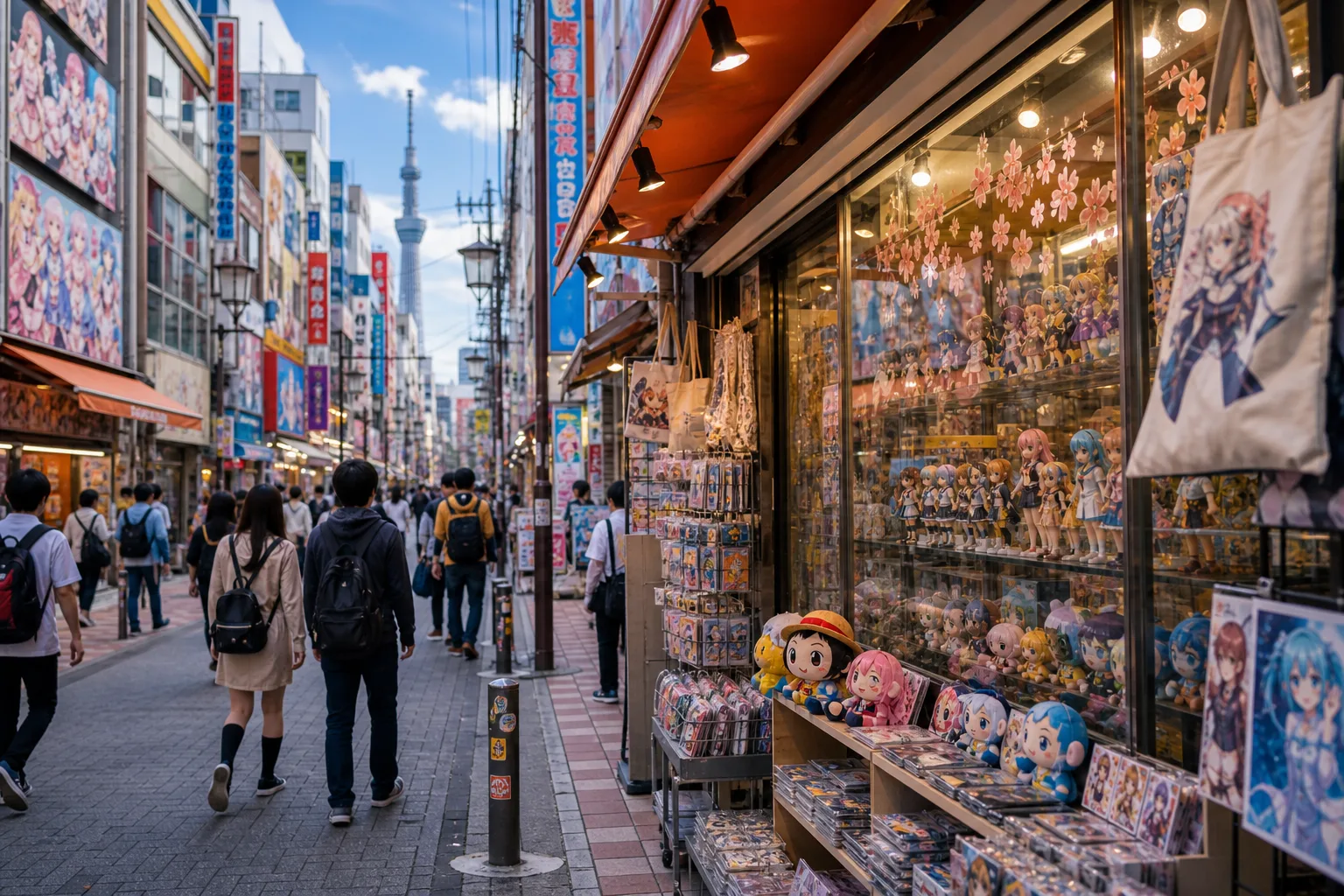
If you want to turn anime fandom into an actual Japan trip, the hard part is not finding interesting places. It is figuring out which spots are worth the detour, which ones need advance tickets, and how to avoid wasting a day on a vague “anime location” that looks better on social media than it does in person. This guide focuses on the places that make sense for a real itinerary: official attractions, creator-linked cities, and easy-to-combine stops for One Piece, Naruto, and Dragon Ball fans.
How to Read This Guide
The phrase “real locations” can mean three different things in anime travel. Sometimes it means a place that appears directly in the story world through an attraction, statue, or themed installation. Sometimes it means a city or region closely tied to the creator, where the setting or style of the work makes more sense after you see the place in person. And sometimes it means a practical travel base that helps you move between several fandom stops efficiently.
The useful way to plan is to separate those categories instead of treating them as one giant pilgrimage. One Piece works best as a regional statue trail and museum-style outing. Naruto is strongest as a ticketed themed attraction that gives you a concentrated half-day or full-day experience. Dragon Ball is more creator-linked and atmosphere-driven, so it rewards a slower approach that combines city walking, museum time, and a broader look at the places that shaped Akira Toriyama’s imagination.
The result is a trip that feels intentional instead of random. You can pair one franchise with a city stay, add another as a day trip, and still leave room for food, transport, and the rest of your Japan itinerary. If you are building the bigger trip around visa timing, rail planning, or IC-card logistics, start with the Japan Travel Planning: Visa, IC Card, Rail Pass & Essential Logistics Guide so the anime stops fit cleanly into the rest of the route.
What you will get from this guide
- A clear sense of which franchise is best for which kind of traveler.
- A practical breakdown of how to reach the main locations without overcomplicating the route.
- Advice on what is free, what is ticketed, and what should be booked in advance.
- A realistic view of how to combine these stops with normal sightseeing instead of forcing a theme-park-only trip.
The Best Real Locations for Each Series
For most travelers, the best anime locations are the ones that deliver a strong payoff quickly. That means places with a visible connection to the series, easy transport access, and enough surrounding activity to make the stop worthwhile even if you are not taking a dozen photos. By that standard, the strongest real-world stops are Kumamoto for One Piece, Awaji Island for Naruto, and Aichi/Nagoya for Dragon Ball’s creator-linked travel story.
One Piece: Kumamoto and the Straw Hat Statue Trail
One Piece is the easiest of the three franchises to turn into a geographic adventure because the Kumamoto project gives fans a real-world trail rather than a single isolated monument. The statues spread the experience across multiple towns and districts, which makes the trip feel like a regional treasure hunt instead of a one-off stop. That is exactly why it works so well for travelers who like to mix fandom with local food, stations, parks, and day-trip pacing.
The best way to approach the One Piece side of the trip is to treat Kumamoto as a base city and the statues as your optional loop. You do not need to see every statue to make the trip worthwhile. Even two or three well-chosen stops can create a satisfying day if you pair them with Kumamoto Castle, local dining, and a manageable transport plan. Travelers who like slow sightseeing often do best by splitting the trail across one full day and one lighter half-day.
What makes the Kumamoto route especially good is the variety. Some stops are in urban or semi-urban areas, while others feel more open and local. That gives the pilgrimage a stronger sense of place than a standard “anime attraction” visit. You are not just checking a box. You are moving through a real prefecture that has used One Piece to bring life, attention, and tourism to multiple communities.
If you are deciding whether this belongs in a first Japan trip, the answer is yes if you are already going through Kyushu or want a regional route with character. It becomes even better if you enjoy food stops, slower train rides, and local markets. It is less ideal if you want one compact attraction you can finish in two hours.
Why One Piece works so well as a travel route
- It creates a multi-stop itinerary instead of a single photo stop.
- The locations are spread enough to feel adventurous but not impossible.
- Kumamoto itself is a comfortable base for food, hotels, and local sightseeing.
- The trail is easy to combine with other Kyushu highlights if you have more than one night.
Naruto: Awaji Island and Nijigen no Mori
Naruto is the most straightforward of the three if you want a purpose-built anime attraction. The draw is not subtle: you go to Awaji Island, enter the Naruto & Boruto area at Nijigen no Mori, and spend your time inside a fully themed environment built for fans. That makes it ideal for visitors who want a concentrated, high-energy stop that does not require a lot of interpretive work.
This is the one location in the guide that most strongly benefits from advance planning. Because it is a ticketed attraction, you should not assume you can just show up and do everything at the last minute, especially if you want a preferred time slot or a specific mission experience. The attraction model also means that your time budget matters. If you go, plan to stay long enough to actually enjoy the course, the photo spots, and the themed activities rather than rushing out after one quick loop.
Awaji Island is a smart destination for travelers based in Osaka, Kobe, or the wider Kansai region. It is easier to frame as a day trip than as a standalone long-haul destination, but it can also become a half-day anchor if you are building a themed travel itinerary. The attraction works because it gives you a clean contrast with normal urban sightseeing. One day can be temples, trains, and food; the next can be ninja-themed exploration with a very different energy.
The value for fans is in the immersion. Naruto’s world is built around training, movement, teamwork, and visible progression, and the attraction translates that into a physical experience. If you are traveling with someone who wants something more interactive than a standard museum, this is usually the easiest sell.
Why Naruto is the best pick for a themed attraction day
- It is the most immersive and activity-driven stop in the guide.
- It suits couples, friends, and family groups who want a shared experience.
- The location works well as a Kansai side trip without requiring a full regional move.
- It is easier to plan than a scattered pilgrimage because the attraction is centralized.
Dragon Ball: Aichi, Nagoya, and the Creator-Linked Route
Dragon Ball is different from the other two because it does not rely on one single official pilgrimage trail in the same way One Piece does or one purpose-built attraction in the same way Naruto does. The smartest way to approach Dragon Ball in Japan is to think in terms of creator geography and atmosphere. You are following the places that connect to Akira Toriyama’s life, the broader Tokai region, and the kind of everyday Japanese scenery that helped shape the manga’s adventurous, road-trip feeling.
That is why the Aichi and Nagoya area matters. For fans, this is where Dragon Ball becomes less about a branded ticket and more about context. You are looking at the environment of the creator, the urban and suburban textures that sit behind the series, and the type of places that make a “journey through the world” narrative feel believable. If you like manga history as much as character art, this kind of stop has a lot of value.
The practical challenge is expectation management. Dragon Ball travel is not as conveniently packaged as Naruto or as visibly mapped as One Piece. That does not make it less worthwhile. It just means the reward comes from how you frame the visit. You are not hunting for a single iconic set piece. You are building a meaningful stop around Toriyama’s roots and the wider landscape that influenced his work.
For many travelers, the best version of a Dragon Ball stop is a half-day or full-day stay in the Nagoya area that includes creator-linked context, local sightseeing, and a relaxed pace. If you are already planning a broader anime trip in Japan, Dragon Ball works best as the reflective chapter in the itinerary rather than the most obviously “theme park” part.
Why Dragon Ball needs a different travel mindset
- It is more creator-linked than attraction-linked.
- The best experience comes from atmosphere and context, not just ticketed content.
- It works well as a city-based stop instead of a standalone theme park day.
- It pairs nicely with other Tokai region sightseeing if you want a fuller Japan route.
Practical Guide
This section is where the trip becomes usable. The main question is not just “where should I go?” but “how do I get there, how long should I stay, and what should I reserve ahead of time?” The right answer depends on whether you are prioritizing statues, a themed attraction, or a creator-linked city experience.
Hours, Admission, and Prices
The simplest pricing pattern is this:
- One Piece statue trail stops are generally low-cost or free to visit, but your transport between them is not free and can add up if you try to cover too much ground in one day.
- Naruto at Nijigen no Mori is ticketed, and the experience is designed around admission rather than casual walk-in sightseeing.
- Dragon Ball creator-linked stops in Aichi/Nagoya are often free to access as places, while any museum, exhibit, or special event on top of that may carry its own fee.
The best budgeting move is to separate entrance cost from the true travel cost. An anime trip can look cheap on paper if the attraction is free, but the bus transfers, local trains, taxis, and extra snack stops often matter more than the ticket itself. The reverse is also true: a paid attraction can feel expensive until you realize that one well-designed stop replaces several weaker ones and gives you a full half-day of content.
If you want the most efficient spend, prioritize one flagship paid attraction and keep the other franchise stops flexible. For example, you could pay for Naruto, use One Piece as a lighter regional trail, and treat Dragon Ball as a context-rich city add-on. That combination balances value, structure, and sightseeing variety.
How to Get There
The route planning is easier if you think in regional blocks:
- Kumamoto is your Kyushu base for One Piece.
- Awaji Island is your Kansai side-trip for Naruto.
- Nagoya and the surrounding Aichi area are your Tokai base for Dragon Ball.
For Kumamoto, the trip usually fits best into a longer Kyushu itinerary. If you are already moving between Fukuoka, Kumamoto, and other southern Japan destinations, the One Piece statue route becomes a natural add-on. The biggest mistake is trying to cram the whole trail into a tiny window without checking local transport times. That is how people end up seeing less and spending more than planned.
For Awaji Island, build the visit from Osaka or Kobe rather than trying to make it a random “on the way” stop. The attraction is worth planning for, especially if you want to coordinate a specific time slot or keep the day relaxed. If you are doing a short Kansai trip, this can be your one franchise day while the rest of the trip stays focused on Kyoto, Osaka, and nearby sightseeing.
For Dragon Ball, use Nagoya as your transport anchor and keep your expectations flexible. You are not working around a single giant attraction. You are building a route that makes sense for city walking, creator context, and potentially museum or exhibit time. That is easier if you already have a night in the city instead of trying to execute it as a very tight transfer.
Booking Strategy
Book ahead when the experience is ticketed or time-sensitive. That especially applies to the Naruto attraction, where a reserved slot helps you avoid uncertainty and lets you build the rest of the day around it. For One Piece, the smarter move is to book your hotel and transit early rather than obsessing over the statues themselves, because the trail is less about admission and more about efficient movement. For Dragon Ball, check whether the specific museum, exhibit, or special event you want is currently running before you lock the rest of the day.
In practice, that means this:
- Lock the city base first.
- Reserve the ticketed attraction second.
- Plan the free or low-cost fandom stops around the transit window.
- Keep one block of time open for food, weather, and recovery.
That last point matters more than most travel guides admit. Anime trips are most enjoyable when they feel spacious. If every hour is fixed, the experience starts to feel like inventory management instead of travel.
A Simple 5-Day Sample Route
If you want a quick model for how the three franchises can fit into one Japan trip, use this structure:
Day 1 to 2: Kansai base
Arrive in Osaka or Kyoto, settle your transport pass or IC-card setup, and reserve your Naruto day. Use the first day to get organized rather than trying to race straight into an attraction.
Day 3: Naruto day on Awaji Island
Take the themed attraction seriously and give it enough time to feel complete. This is the most obviously “event” day of the trip, so do not overload it with extra side quests.
Day 4: Travel toward Kyushu or continue elsewhere
If One Piece is the real priority, use this as the transfer day that brings you closer to Kumamoto. Keep the schedule light enough that the move does not become exhausting.
Day 5: One Piece in Kumamoto
Use the day for a regional loop, local food, and one or two carefully chosen statue stops. If you have more time, extend it to a second half-day.
Optional extension: Dragon Ball in Nagoya
Use Nagoya as the reflective add-on or as a separate city break. If you want a more spacious, creator-centered approach, it can become a great final stop before heading back to Tokyo or flying out.
This kind of route works because it treats each franchise according to what it does best. Naruto gives you a concentrated attraction day. One Piece gives you a regional trail. Dragon Ball gives you a context-rich city stop.
Tips & Common Mistakes
The biggest mistake anime travelers make is assuming every fan destination should be approached the same way. That leads to overcommitted schedules, poor transit choices, and too much disappointment when the real-world stop is more subtle than the photos suggest. These three franchises reward different planning styles, so the first win is simply matching the destination to the right kind of day.
What Most Guides Miss
One common omission is transit fatigue. A statue route can look easy on a map and still be annoying if you try to cover too many points in one day. Another is weather. Outdoor stops are more enjoyable when the day is clear, but you need a backup food or museum idea in case it turns hot, rainy, or windy. A third omission is pacing. Fans often schedule too many “must-see” locations and then lose the easy joy that makes anime travel memorable.
Another thing most guides miss is that the best anime travel is often not the most expensive part of the trip. The most memorable moments can be the train ride between stops, the local lunch before the attraction, or the quiet street where a franchise suddenly feels connected to real life. That is especially true for Dragon Ball, where context matters more than a single branded gate.
Insider Advice for Each Franchise
For One Piece, do not feel pressured to complete the entire trail in one pass. Pick the most meaningful stops and let the route breathe. If you force too many transfers, the day becomes logistics-heavy and the statues start to feel secondary.
For Naruto, reserve enough time to actually enjoy the attraction, not just enter it. That sounds obvious, but a lot of visitors underestimate how long they want to spend taking photos, completing activities, and moving through the themed spaces. This is the stop where rushing hurts the most.
For Dragon Ball, think in terms of mood. The point is not to get the same kind of dopamine hit you get from a giant theme-park installation. The point is to experience the landscape and creator connection in a way that feels grounded and a little more personal.
How to Avoid the Usual Planning Errors
- Do not stack all three franchises into one frantic weekend.
- Do not assume a free location has no transport cost.
- Do not plan outdoor statue stops without checking the weather.
- Do not treat a ticketed attraction like a walk-in street corner.
- Do not forget to leave room for meals and rest.
The healthiest way to think about anime travel is to build a route that still feels like Japan, not just a checklist of references. You should be seeing neighborhoods, local food, stations, and regional character along the way. The fandom layer should enrich the trip, not replace the travel itself.
If you want more context for how anime sightseeing fits into a wider Tokyo-and-beyond itinerary, the broader Anime Travel in Japan: Akihabara, Studio Ghibli & Pop Culture Guide can help you connect the fandom stops with the rest of the country.
FAQ
Are these locations good for a first trip to Japan?
Yes, but only if you treat them as part of a wider itinerary instead of the entire trip. Naruto is the easiest to understand as a first-timer because it is a contained attraction. One Piece is great if you already want a regional detour. Dragon Ball works best when you are comfortable with a more flexible, creator-linked visit.
Which franchise is easiest to fit into a short trip?
Naruto is the easiest because the attraction model is simple. You can reserve it, go there, and complete the experience in one day. One Piece is next, but it works best if you can afford a bit more transit time. Dragon Ball is the least rigid, which makes it flexible but also harder to summarize into a single short excursion.
Can I do all three in one Japan trip?
Yes, if your route is long enough and you are willing to split the trip across regions. The key is not to force the three stops into the same cluster of days. Use Kansai for Naruto, Kyushu for One Piece, and Aichi/Nagoya for Dragon Ball. That gives the route a logical shape.
Do I need a car for any of these?
Not necessarily. But a car can make certain regional loops easier, especially for scattered One Piece stops. Naruto is more straightforward without one because the attraction is designed around visitors arriving on a planned route. Dragon Ball can usually be handled through city transport and walking unless your specific plan includes more dispersed stops.
What is the best franchise for someone who cares more about travel than fandom?
One Piece is probably the best fit if you want the fandom to sit inside a broader regional journey. The statue trail feels like local exploration first and anime pilgrimage second. If you want a more compact, activity-driven stop, Naruto is stronger. If you care most about creator geography and atmosphere, Dragon Ball is the most interesting choice.
Conclusion
The easiest way to make anime travel in Japan satisfying is to match the franchise to the right style of trip. One Piece is best when you want a regional trail and a sense of movement. Naruto is best when you want a fully designed themed experience. Dragon Ball is best when you want creator context, city atmosphere, and a slower, more reflective stop.
If you build the route that way, the trip becomes more than a search for references. It becomes a real journey through Japan’s regions, transport systems, food culture, and everyday streets, with the anime layer making the whole thing more memorable. That is the version of fandom travel that tends to hold up after the trip is over.
For most readers, the practical next step is simple: choose one franchise as the anchor, add one supporting stop, and leave enough time for the rest of the country to breathe around it. If you want to go broader after this guide, the wider pop-culture route pairs naturally with this one and helps round out a full Japan anime itinerary.