Korea's Off-Season Travel Secrets: Why Visiting in Winter Can Beat Summer

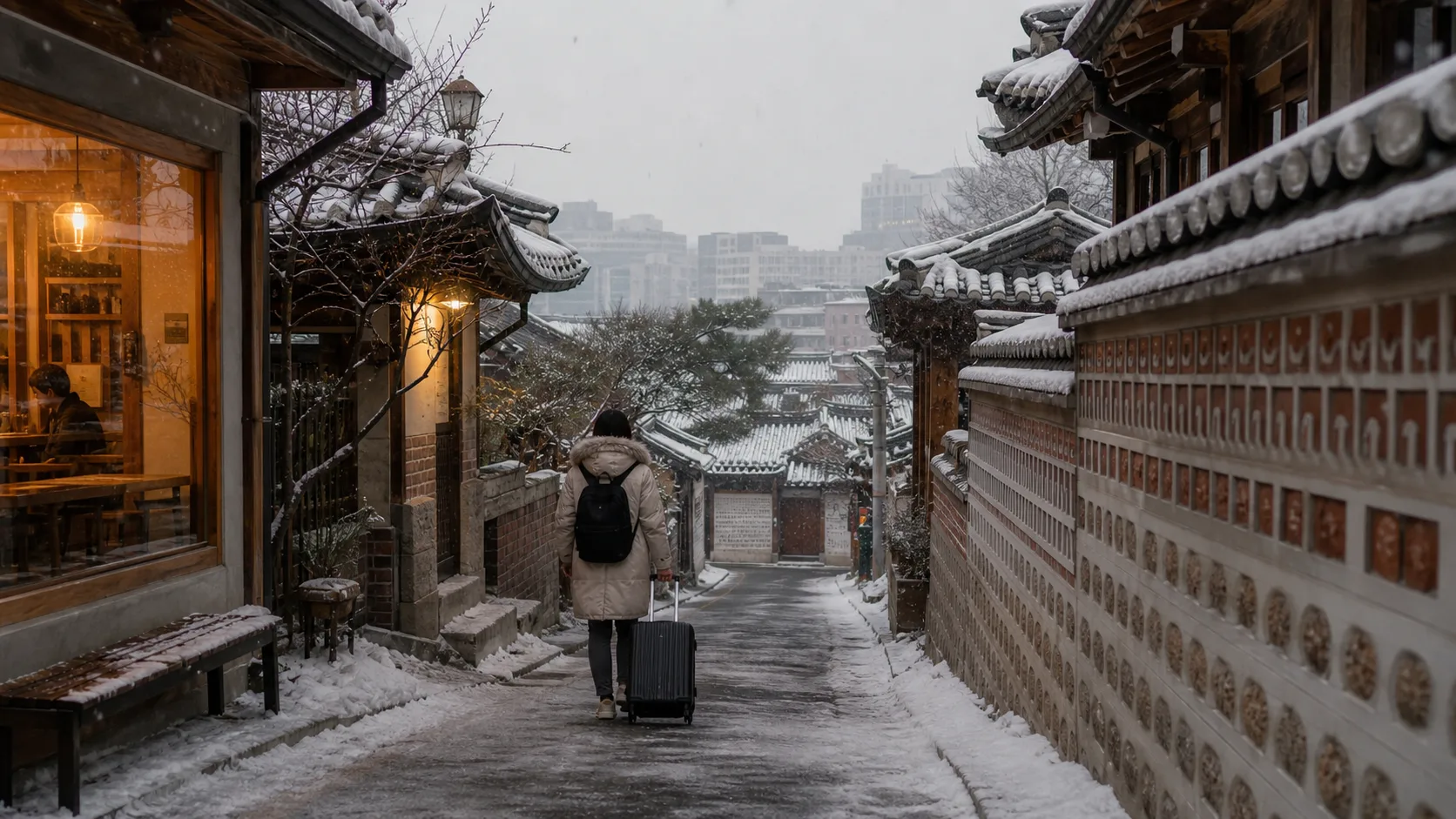
Most first-time visitors plan Korea around cherry blossoms, blue-sky autumn days, or the idea that “summer = easiest vacation.” That assumption is understandable, but it is often wrong. Winter changes the balance of the trip in your favor: better value, calmer attractions, sharper city views, stronger food culture, and a pace that rewards travelers who like substance over spectacle.
The catch is that winter only beats summer if you plan for it. Korea in January is not a warmed-over version of July. It is a different travel system altogether, with different clothing needs, different transit habits, different expectations for the coastline, and different reasons to go. This guide explains when the off-season is the smarter choice, where it works best, and how to build a trip that benefits from cold weather instead of fighting it.
Why Winter Can Beat Summer
Winter in Korea often delivers the kind of trip people think they are getting from a summer visit: easier movement, clearer decision-making, and more room to enjoy the destination instead of processing crowds and humidity. The biggest advantage is not just lower demand. It is how the whole experience changes when the country is less saturated with vacation traffic.
Winter is usually the season when a traveler can see more without spending more energy. Summer in Korea can be efficient if you are disciplined, but the heat, humidity, and rain make simple tasks feel heavier. A ten-minute walk in July can feel like a chore. In winter, that same walk can be brisk and refreshing if you are dressed properly. You still need to prepare for cold, but cold is often more predictable than sweltering humidity and sudden downpours.
Crowds are another major reason winter can win. Popular neighborhoods like Myeongdong, Hongdae, Ikseon-dong, and Insadong remain busy year-round, but the pressure is lower off-season. You notice it in shorter queues, fewer packed dining rooms, and more breathing room at museums and palaces. If you travel to Korea to observe, compare, photograph, and eat, that extra space matters.
Winter also tends to improve value. Airfare and hotels are never identical from year to year, but shoulder and off-season periods often create better booking opportunities than peak summer school holiday travel. Even if the headline price difference is modest, the practical value is higher because you waste less time on congestion and heat-related fatigue. In other words, the trip feels more productive.
There is also an aesthetic argument. Korea’s winter light can be excellent for city photography, especially in the early afternoon when the sun is low and the skyline is crisp. Historic architecture stands out in cold air. Mountain views are often more visible than in muggy summer conditions. Snow, when it comes, changes the visual character of a place in a way that summer rarely can.
For a broader month-by-month comparison across the year, this pairs well with Korea Seasonal Travel Guide: Best Time to Visit by Month, which helps you see where winter sits relative to spring blossoms, monsoon season, and autumn peak.
What Winter Changes in the Travel Experience
Weather and comfort
The biggest travel difference is physical comfort. Korea’s winter is cold, dry, and windy rather than sticky. That means you can usually dress for the conditions and maintain control. A good coat, warm layers, proper socks, and gloves solve most of the problem. Summer discomfort is harder to solve because you cannot remove humidity.
In practical terms, winter changes how far you want to walk, how long you want to stay outside, and how aggressively you plan indoor breaks. This is not a drawback if you build it into your itinerary. A winter day in Seoul works best when you pair outdoor sightseeing with warm indoor stops such as cafes, markets, museums, malls, or bathhouses.
Transit and movement
Public transportation in Korea is excellent all year, but winter can make it feel more efficient because fewer people are moving in the same way at the same time. You still need the same essentials: a transit card, a clear route, and a sense of where to transfer. The difference is that you are less likely to be competing with swarms of summer tourists at every stage of the trip.
That is especially helpful for travelers who want to move between neighborhoods rather than stay planted in one area. Winter makes “two attractions plus a meal plus a late café” feel realistic. In summer, that same schedule can become exhausting once the weather and crowds begin to compound.
Food and seasonal eating
Korean food tends to feel more intuitive in winter. Hot stews, grilled meats, noodle soups, dumplings, and comfort dishes naturally fit the season. The country has a food culture that already understands cold-weather satisfaction. Travelers who want to eat well will find winter unusually forgiving because the weather pushes you toward dishes that are filling, social, and memorable.
Winter also helps with appetite. After a long walk in cold air, almost any hot meal feels better. This sounds simple, but it changes the quality of a trip. Summer often blunts appetite and makes people opt for convenience over discovery. Winter encourages sitting down, warming up, and eating with intention.
Photography and city views
Winter gives you cleaner lines. Skies can be clearer, atmospheric haze is often less oppressive than in humid months, and the city’s edges read more sharply. If your trip includes palace courtyards, mountain viewpoints, skyline terraces, or river walks, winter can provide the kind of visibility that turns a decent scene into a strong one.
The tradeoff is light. Days are shorter, so you need to start earlier or stay more deliberate about your schedule. In summer, long daylight hours can hide weak planning. In winter, a sloppy plan becomes visible fast. The upside is that winter rewards structure. Travelers who know what they want from each day will get more out of the season than casual drifters.
Cost control
Summer is often when families, students, and regional vacationers crowd the market. That can mean more competition for hotels and flights, especially on weekends and around holidays. Winter is not “cheap everywhere” by default, but it usually gives disciplined travelers more room to compare options and avoid overpaying for convenience.
This is where the off-season becomes strategic. If you are open to slightly different neighborhoods, early booking, or midweek stays, you can usually turn winter into a value season rather than a compromise season.
Where Winter Works Best
Seoul for city-first travelers
Seoul is the easiest winter destination in Korea because the city is dense, transit-rich, and full of indoor options. If you are planning a first trip, Seoul gives you the best mix of historic sites, food neighborhoods, shopping, museums, and night views. Winter is especially effective here because the city is built for short hops between warm stops.
The best winter Seoul itinerary is not about maximum distance. It is about sequencing. Start with a palace, move to a lunch neighborhood, add a museum or design district, then end with a heated dinner or dessert stop. That rhythm gives you the benefits of the season without making the weather the main event.
Busan for travelers who want sea air without summer pressure
Busan in winter is underrated. It lacks the breezy beach energy of peak summer, but it gains space, clarity, and a more local rhythm. Coastline walks, harbor views, seafood meals, and neighborhood markets can all feel better when the city is not in full vacation mode.
If you go to Busan in winter, do not expect a beach holiday in the tropical sense. Expect a coastal city trip with better sightlines and fewer crowds. That is a different product, but often the better one.
Gangwon for snow and winter sports
If your goal is snowfall, ski runs, or a stronger “winter destination” identity, Gangwon Province is where the season becomes an asset instead of just a weather condition. Ski resorts, mountain towns, and winter festivals make more sense here than in the center of Seoul.
Travelers who like winter but do not want to spend the entire trip on the slopes can split the difference: a few days in Seoul, then a mountain or ski segment, then back to the city. This creates contrast and keeps the trip from feeling one-note.
Jeju for a quieter off-season island trip
Jeju in winter is not the same as Jeju in warmer months. It is slower, sometimes windier, and less obviously “vacation coded.” That is exactly why some travelers prefer it. You get more room to breathe, a more contemplative pace, and a trip that emphasizes scenery rather than beach activity.
The main question with Jeju is whether you want a restorative island experience or a sun-and-swim experience. Winter answers the first question well and the second poorly. Be honest about which one you want.
For first-timers who want a proven route rather than a seasonal theory, The Ultimate 10-Day South Korea Itinerary for First-Timers is useful because it shows how to connect Seoul, regional stops, and transit days without wasting time.
Practical Guide
What to pack
Packing for Korean winter is mostly about layers and wind protection. A heavy coat is useful, but smart layering matters more than a single dramatic jacket. You want a base layer, a warm middle layer, and an outer shell or coat that blocks wind. Add thermal socks, gloves, a beanie, and comfortable waterproof or water-resistant shoes.
If you are coming from a mild climate, do not underestimate the combination of cold air and outdoor walking. Korean cities are walkable, which is good, but that also means you may spend more time outside than expected while moving between stations, restaurants, and attractions. A traveler who dresses only for short outdoor exposure often gets cold by the second or third stop.
Daily rhythm
Winter days are better when you think in blocks. Morning outdoor activity, midday indoor lunch and sightseeing, afternoon café or museum stop, evening dinner and night walk if the weather allows. This structure keeps the cold from becoming a reason to cancel half your plan.
Do not overbook the day with long cross-city moves. In winter, every unnecessary transfer creates friction. Choose compact neighborhoods and combine attractions that make geographic sense together.
How to get there and move around
Most international travelers will enter through Seoul or another major airport and then rely on a mix of airport rail, subway, bus, taxi, and intercity transport. Winter does not change the system, but it does change the timing. Leave extra margin for coat removal, bag handling, and slower walking on icy or windy days.
If you are using public transportation frequently, a reusable transit card is the simplest way to keep the trip smooth. For a practical comparison of the most common options and when each one makes sense, see Battle of the Cards: K-Pass vs. Climate Card vs. T-Money. The important idea is not choosing the “best” card in the abstract. It is matching the card to your actual route, length of stay, and how much you will move within the city.
Booking strategy
Winter often rewards early but flexible planning. You want the core structure of the trip locked in, but you should remain flexible on exact dining times, neighborhood stays, and attraction order. That flexibility helps you react to weather and find value.
When booking hotels, think about indoor access and transit proximity first. A slightly cheaper room that is far from a station can become expensive in cold weather because every transfer feels longer. In winter, location and warmth are part of the price.
For tours, passes, and timed entries, always verify current rules before booking because operating hours, seasonal closures, and reservation policies can change. That caution matters more in winter than in summer because some sights reduce hours or adjust operations when daylight is short.
Price and hours caution
Rather than rely on generic assumptions, confirm the current opening hours, holiday closures, and ticketing conditions on the official site or booking page before you commit to a day. The off-season advantage is real, but it is not a substitute for checking whether a museum, palace area, or scenic attraction is operating on the date you want.
If your trip includes a lot of outdoor walking, plan a fallback indoor activity for every day. The best winter trips are resilient. They do not collapse when the temperature drops lower than expected.
Tips & Common Mistakes
Mistake 1: Treating winter like a summer trip with a coat
This is the most common error. Travelers keep the same itinerary logic, same time blocks, and same “we’ll figure it out as we go” attitude, then wonder why the trip feels harder than expected. Winter rewards intention. You need shorter hops, warmer breaks, and fewer impulse detours.
Mistake 2: Underpacking the right clothing
A lot of travelers bring one nice coat and assume that solves the problem. It helps, but it is not enough on its own if your socks, gloves, and shoes are wrong. Cold feet and cold hands ruin outdoor sightseeing faster than a lack of style. Prioritize comfort and mobility over appearance.
Mistake 3: Ignoring daylight
Winter daylight is shorter, and that affects everything. If you plan your palace visit too late, or your mountain viewpoint too close to sunset, you may miss the best light. In summer, people can recover from a delayed start. In winter, late starts have sharper consequences.
Mistake 4: Overvaluing beaches and undervaluing cities
Summer makes beaches look like the default vacation answer. Winter flips that logic. If you want Korea to feel rich, varied, and efficient, cities often deliver more in cold weather than seaside plans do. Coastal cities still work. Pure beach expectations usually do not.
Mistake 5: Forgetting that winter food is part of the itinerary
Some travelers treat meals as maintenance rather than a core travel layer. In Korea, that is a mistake in any season, but especially in winter. Build your day around one memorable warm meal and one good dessert or café stop. It improves both comfort and memory.
What most guides miss
Most travel guides talk about winter as if it were only a weather problem. That is too shallow. Winter changes pace, pricing, crowd flow, photography, appetite, and even how you should think about neighborhood selection. Once you see it that way, the season stops being a compromise and starts becoming a tool.
Winter can also help travelers with limited time. A shorter trip can feel more complete because you are not losing energy to heat, haze, or the social pressure of peak-season crowds. The trip becomes more legible. You know what you did each day and why it mattered.
FAQ
Is winter actually cheaper than summer in Korea?
Sometimes, but not always in a simple across-the-board way. What usually improves is booking flexibility and relative value. If you are open to different neighborhoods, midweek stays, and early planning, winter can be a better deal than peak summer travel.
Is Korea too cold for sightseeing in winter?
Not if you dress properly and build your days around short outdoor segments and warm indoor breaks. The cold is real, but it is manageable. Many travelers find winter more comfortable than humid summer once they adjust their expectations.
Can I still do a first trip to Korea in winter?
Yes. In fact, winter can be a strong first-trip season because Seoul in particular is easy to navigate, highly connected, and full of indoor backup options. The key is to keep the itinerary compact and avoid trying to “see everything.”
Should I skip Jeju in winter?
Not necessarily. Skip it only if your goal is sunbathing or a beach-heavy vacation. If you want a quieter, scenic, lower-pressure island trip, winter can work well. The best answer depends on what you want from the island.
What is the biggest mistake winter travelers make?
They underestimate the season’s planning requirements. Winter is not hard because everything is closed. It is hard when you move too much, dress too lightly, and fail to respect shorter daylight hours. Good planning fixes most of that.
Conclusion
Winter is not the universally best time to visit Korea, but it is often the smartest time for travelers who value efficiency, food, city energy, and a trip that feels more composed. Summer can be lively, bright, and fun, but it also tends to punish casual planning with heat, crowds, and fatigue. Winter does the opposite: it rewards structure.
If you want a Korea trip that feels clearer and more manageable, start by thinking seasonally rather than generically. Choose neighborhoods that make sense in cold weather. Pack for walking. Build in warm breaks. Pick destinations that benefit from fewer crowds and sharper sightlines. Then let the season work for you instead of against you.
The final decision is not “winter or summer” in the abstract. It is whether you want your trip to be defined by weather or by experience. For many travelers, winter wins because it gives the experience more room to breathe.