Expat Community in China: How to Find Your Tribe in Beijing or Shanghai

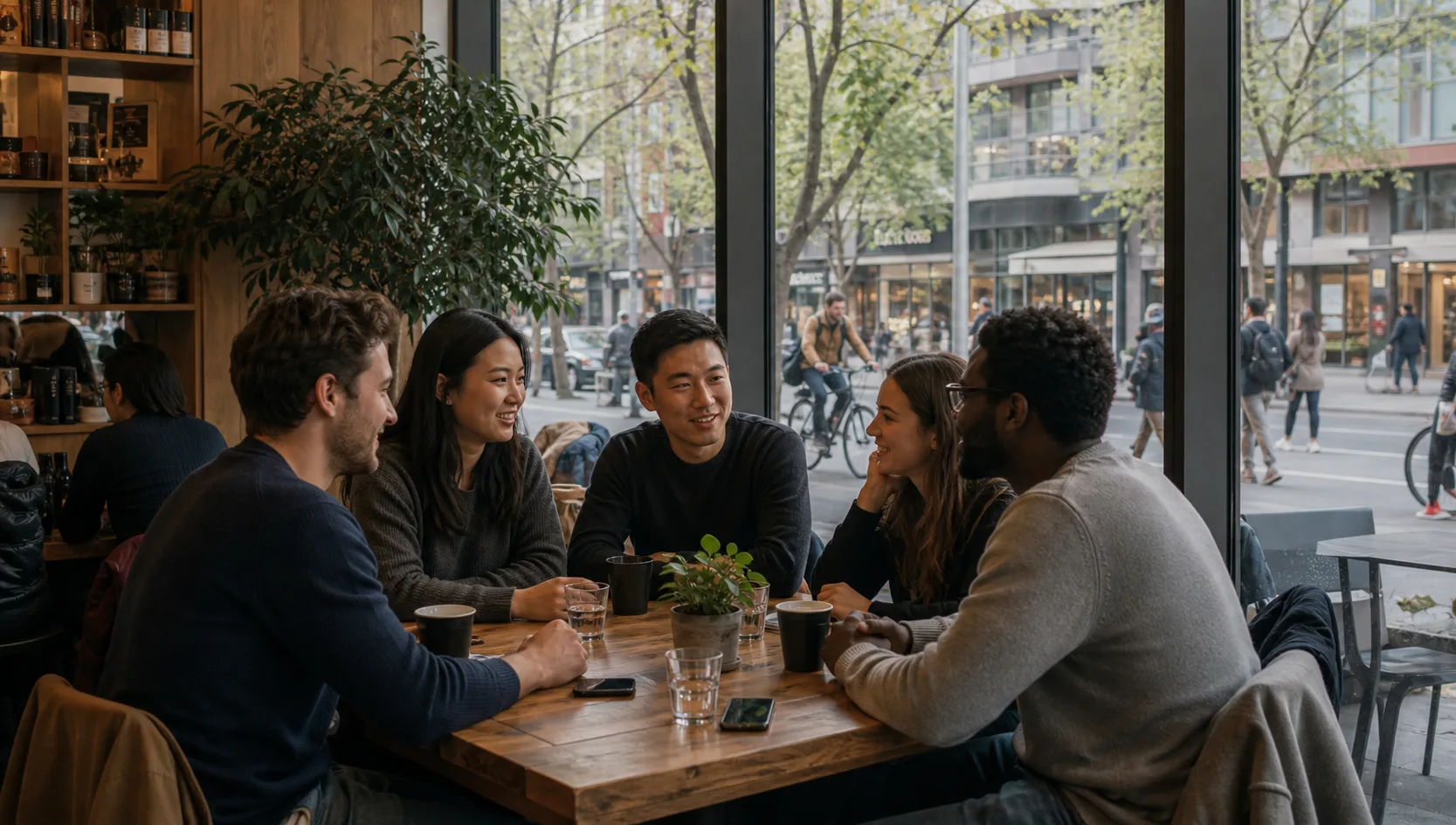
If you are moving to Beijing or Shanghai, the hardest part is often not the flight, the apartment hunt, or even the language barrier. It is the quieter question that shows up after the first week: who do you actually spend your time with here? The good news is that both cities still offer ways to build a real social life, but the path is less about one giant expat scene and more about finding the right mix of communities that match your routine, budget, and energy.
What the expat community in China actually looks like
The fastest way to find your people in Beijing or Shanghai is not by looking for one giant expat scene; it is by stacking a few small circles: work, hobbies, language exchange, neighborhood routines, and repeat venues where the same faces keep showing up.
There is a common misconception that “the expat community” in China is one thing. It is not. In practice, it is a loose network of overlapping circles. You will see long-term foreign professionals, new arrivals on secondment, entrepreneurs, teachers, graduate students, diplomats, remote workers, mixed families, and people who have already lived in China for years and no longer think of themselves as “new.”
That matters because the kind of tribe you need depends on what you want from your time in China:
- If you want practical advice, you need people who have already solved the friction points: mobile payments, apartment deposits, translation, transit, and how to handle everyday admin.
- If you want friends, you need recurring activities, not one-off social events.
- If you want stability, you need a neighborhood rhythm and a few places you visit often enough that staff recognize you.
- If you want cultural exchange, you need a mix of expats and locals, not an insular English-only bubble.
The social landscape has also changed. Older English-language event directories and community magazines no longer play the role they once did, so newcomers have to be a bit more intentional about how they discover events, groups, and useful local knowledge. In other words, the city will not hand you a ready-made tribe. You have to build one.
Beijing and Shanghai both make that possible, but they reward different social styles. Beijing tends to feel broader, more institutional, and more network-driven. Shanghai tends to feel denser, more event-driven, and easier to sample quickly. Neither city guarantees instant belonging. Both reward consistency.
Beijing vs Shanghai: which city fits your social style?
If you are choosing between Beijing and Shanghai, the community question should be part of the decision. People often compare cost, weather, and job opportunities, but the social experience can be just as important.
Beijing: slower to crack, deeper once you are in
Beijing usually rewards people who are willing to invest time. The city is large, spread out, and often a bit less polished in how it packages social life for newcomers. That can sound like a disadvantage, but it is also what makes the city feel real. If you stay long enough, you can build surprisingly durable circles.
Beijing is often a strong fit if you:
- Work in policy, media, academia, NGOs, or government-adjacent sectors
- Prefer substance over scene
- Like museums, lectures, history, architecture, and outdoor escapes
- Want a community that is less centered on nightlife and more on activities
- Are willing to travel a bit farther for the right event or dinner
The upside is that Beijing communities often have strong continuity. Once you find your group, they may stay in the city long enough to become genuine friends rather than short-term contacts. The downside is that the city can feel fragmented. You might have to combine work colleagues, sports groups, language exchanges, and neighborhood habits before the social picture feels complete.
Beijing also has a more serious, pragmatic social rhythm. People may be busy, schedules may be less flexible, and getting across the city can take time. That can make spontaneous meetups harder, but it can also create deeper bonds because people tend to plan ahead and commit.
Shanghai: easier to sample, easier to start
Shanghai is usually easier for new arrivals who want quick access to people and activities. The city has a strong service culture, a large international population, and a long tradition of event-based socializing. If you are newly arrived and unsure where to begin, Shanghai often gives you more immediate options.
Shanghai is often a strong fit if you:
- Want an easier first month socially
- Enjoy brunches, networking events, fitness classes, and curated social calendars
- Prefer walkable pockets or easy metro access
- Like mixing professional and social life
- Want a broader pool of international friends and short-term newcomers
Shanghai can sometimes feel more transient than Beijing. That is not a flaw, but it does mean you may meet more people who are passing through. The city is excellent for getting started, but building long-term depth still requires intent. The upside is that it is easier to discover what you like because the city offers a lot of entry points.
Which one is better for making friends?
If you are an extrovert, Shanghai may feel easier at first because the social infrastructure is visible and abundant. If you are an introvert, Beijing may actually suit you better in the long run because communities can be more interest-based and less performative.
The real answer is this: Shanghai is often easier to enter; Beijing can be better to settle into. If you are staying only a few months, Shanghai may produce faster results. If you are staying longer and want a serious network, Beijing can become more meaningful over time.
Where to find your tribe in Beijing or Shanghai
Finding community in China works best when you stop thinking only in terms of “expat events” and start thinking in terms of repeated contact. You need places where the same people return regularly. That is how familiarity becomes friendship.
1. Work and professional networks
For many newcomers, the first real social circle comes from work. That may sound obvious, but in China it is especially true because work teams often solve practical problems together and spend time outside formal office hours.
If you are employed locally or through a regional office, look for:
- New-hire dinners or team lunches
- Professional association events
- Industry talks and panel discussions
- Cross-company networking through former colleagues
If you are remote or freelance, coworking spaces can fill part of that gap. They are not automatically social, but they can be if you choose one with regular programming. The best ones tend to have recurring talks, breakfast sessions, member chats, or community managers who actively connect people.
The key is not to expect instant friendship from professional networks. Use them for introductions, context, and credibility. Then let hobbies and repeated social contact do the rest.
2. Language exchange and local-interest events
Language exchange is still one of the easiest ways to meet people in Beijing and Shanghai, especially if you are willing to go beyond a pure English-speaking bubble. The best exchanges are not the ones where everyone just practices grammar for thirty minutes and leaves. They are the ones built around a real activity: coffee, dinner, board games, cycling, sketching, or current-events discussion.
When language exchange works well, it gives you three things at once:
- A low-pressure reason to show up
- A built-in conversation topic
- A bridge to local friendships and practical cultural knowledge
Do not over-optimize for “native speaker” status. Some of the best conversations happen when both sides are learning from each other. You may start with very basic Mandarin and end up with friends who help you navigate doctor visits, neighborhood recommendations, or local holidays.
3. Sports, fitness, and outdoor groups
If you want fast familiarity, sports are often better than networking. People who run, climb, cycle, paddle, play football, do yoga, or train in martial arts tend to see one another repeatedly. Repetition creates trust much faster than exchanging business cards.
In Beijing, outdoor and endurance communities can be especially strong because the city has a culture of park runs, hiking, climbing, and weekend escapes. In Shanghai, the fitness scene is usually denser and more polished, with more classes, more boutique studios, and more social overlap between fitness and brunch culture.
The advantage of sports groups is that they solve the awkwardness problem. You do not need a perfect opening line if you are heading to the same climb, the same run, or the same class every week. Shared effort does the social work for you.
4. Families, schools, and parent networks
If you are arriving with a partner or children, the strongest community may not look like a typical expat nightlife scene at all. It may look like school parents, playgroups, neighborhood cafes, pediatric recommendations, and weekend family events.
Families often build the fastest practical networks because they have shared needs:
- School selection
- Childcare
- Pediatric care
- After-school activities
- Holiday travel
- Apartment layouts and neighborhood safety
These circles can be incredibly useful, especially in a place where logistics matter. A family network is often less flashy than a nightlife circle, but it is usually more reliable.
5. Faith communities, volunteering, and civic groups
Not everyone wants friends through work or fitness. Some people find their community through faith, volunteering, or cause-based groups. In big cities, those networks can be surprisingly important.
Faith communities can offer a stable rhythm, especially if you are new, homesick, or looking for intergenerational contacts rather than just peer friendships. Volunteering can be just as effective because it gives you a shared purpose. You are not merely meeting people; you are doing something together.
These communities also tend to attract people who have already thought carefully about why they are in China. That can make conversations deeper from the start.
6. Neighborhood routines
One of the most underrated ways to build a tribe is to stop treating the city as a list of events and start treating it as a set of repeated routines. That means choosing a few places you return to often:
- The same breakfast spot
- The same gym
- The same cafe for weekend work
- The same park for walks
- The same grocery or import store
This sounds small, but it changes how the city feels. Familiar staff, familiar faces, and familiar rhythms reduce the sense of isolation. You begin to recognize people who are not your close friends yet but are on the path to becoming part of your daily life.
Practical Guide
Community building in Beijing or Shanghai is easier when you treat it like a 30-day project rather than a vague hope. The goal is not to “meet everyone.” The goal is to create repeat exposure.
Hours, admission, and prices
Most community events in Beijing and Shanghai happen after work, on weekend afternoons, or around brunch and dinner. That means your usable social hours are usually evenings and Saturdays or Sundays, not random midday windows. If you are only free late at night, your options shrink quickly.
As for price, many entry-level community events are free or low-cost, especially language exchanges, casual meetups, park activities, and some coworking introductions. More structured experiences can cost more:
- Small group dinners or themed socials may charge a modest ticket or minimum spend
- Classes and workshops can range from low-cost to premium depending on venue
- Private clubs, fitness studios, and premium coworking spaces can become expensive fast
The important thing is not the exact price of a single event. It is the long-term cost of belonging. If your social life only works when you spend like a tourist, it will be hard to maintain. Build around a mix of free routines and occasional paid events.
How to get there
For actual movement around the city, the metro is usually your friend. It is the easiest way to reach most central social districts, and it keeps the friction of attendance low. Ride-hailing is the backup option when you are crossing town, arriving late, or going somewhere less transit-friendly.
The best communities are the ones that are easy to reach from your home or office. If every meetup requires a complicated commute, you will stop going. When choosing where to live, ask yourself:
- Can I get to this neighborhood after work without frustration?
- Is this close enough that I can return weekly?
- Would I still go if the weather were bad?
- Is there enough around the venue to make the trip worthwhile?
In Beijing, that often means being realistic about distance and subway transfers. In Shanghai, it often means using the metro grid and choosing districts where you can combine social time with food, shopping, or a walk.
Booking and planning
For community building, “booking” is less about tickets and more about commitment. The people who make friends fastest are usually the ones who show up repeatedly. If an event looks promising, do not treat it as a one-time try. Go twice or three times before deciding whether it belongs in your routine.
A good starter plan looks like this:
- Pick one work-related event per month.
- Pick one social hobby per week.
- Pick one language exchange or mixed local/international event per week.
- Pick one neighborhood ritual you can repeat without effort.
- Reassess after 30 days instead of after one awkward night.
If you are also still sorting out visas, connectivity, or the practical constraints of long-term stays, pair your community planning with Living in China as a Digital Nomad: Visa, VPN & Remote Work Guide. If you are still in the early travel-planning stage, China Travel Planning: Visa, WeChat Pay, High-Speed Rail & Practical Guide is the better companion.
A simple first-month template
If you want a concrete way to start, use this structure:
- Week 1: attend one professional or coworking event, one language exchange, and one dinner with a colleague or acquaintance.
- Week 2: repeat one of those events and add one sports or fitness class.
- Week 3: choose a neighborhood cafe or bar to become a regular.
- Week 4: invite one person from each circle to something simple, like coffee or lunch.
This works because it lowers the emotional load. You are not trying to build an identity in one night. You are building familiarity.
Tips & common mistakes
Most newcomers make the same avoidable mistakes when trying to find a tribe in Beijing or Shanghai. The good news is that they are easy to correct once you see them.
1. Chasing the biggest crowd
The biggest event is rarely the best one. Large gatherings are useful for scanning the map, but smaller groups are where friendship forms. If you keep going to huge mixers and never return to the same place, you will meet a lot of people and remember none of them.
2. Staying only in English-only spaces
It is easy to default to English-only circles because they are comfortable. But if you stay there exclusively, you miss the local knowledge that actually makes life easier. The most useful communities in China often mix expats and locals, even if the balance is imperfect.
3. Ignoring neighborhood life
A lot of newcomers over-focus on special events and under-invest in where they actually live. Your tribe often starts with the person who runs the coffee shop, the gym regular you keep seeing, or the apartment neighbor who gives you a reliable mechanic recommendation. Daily life is social infrastructure.
4. Treating every city the same
Beijing and Shanghai are both huge, international, and convenient in different ways, but their social rhythms are not identical. In Beijing, friendships often deepen through shared interests and longer time horizons. In Shanghai, the first phase is usually easier, but you may need more intention to turn acquaintances into durable friends.
5. Waiting for perfect Mandarin before participating
You do not need perfect Mandarin to start. In fact, waiting too long can keep you isolated. Join the activity first, improve your language later. The social momentum will help your language faster than the other way around.
6. Forgetting that expat life can be temporary
Some communities are built around people who are only in China for a year or two. That can be fine, but it affects expectations. If you want lasting friendships, mix temporary circles with longer-term ones: local friends, hobby groups, school parents, or people who have already decided to stay.
7. Not choosing a “base”
You need at least one place that feels like yours. It could be a cafe, a bar, a gym, a running route, or a coworking desk. Without a base, you become a social nomad with no gravity. A base makes every other community easier to maintain.
FAQ
Is it hard to make friends in Beijing or Shanghai?
It can be if you expect friendship to happen passively. Both cities offer plenty of opportunities, but the people who build the best social lives are usually the ones who repeat the same activities and show up consistently. Friendship is easier when your calendar has rhythm.
Which city is better for newcomers?
Shanghai is often easier for a quick start because the social scene is more visible and event-driven. Beijing can be better if you want deeper, slower-growing connections and a more interest-based community. If you only care about fast social entry, Shanghai usually wins. If you want a network that feels more durable, Beijing often wins.
Do I need to speak Chinese to join a community?
No, but even basic Mandarin helps a lot. You can absolutely start with English-speaking circles, especially in international neighborhoods, coworking spaces, and language exchanges. But if you want stronger access to local friendships and practical support, a little Mandarin goes a long way.
Are expat communities in China only for foreigners?
Not at all. Some of the best communities are mixed groups of locals, long-term residents, and newcomers. If a group feels open to shared interests instead of just passports, it is usually a better long-term fit.
How do I avoid feeling isolated in my first month?
Do not wait for a perfect social life. Pick three repeatable habits: one weekly activity, one regular place, and one person to follow up with. Then give it time. Most loneliness disappears when your days stop feeling random.
What if I am only staying for a short time?
Then prioritize quick-entry communities: coworking events, hobby groups, language exchanges, and neighborhood spots you can return to more than once. Short stays are easier when you stop trying to do everything and instead focus on building a few good connections fast.
Conclusion
Finding your tribe in Beijing or Shanghai is less about luck than repetition. The city does not need to hand you a perfect social circle on arrival. You need a few anchored routines, a couple of recurring groups, and enough patience to let familiarity turn into friendship.
If you are choosing between the two cities, use your social style as part of the decision. Shanghai is often the easier city to enter. Beijing is often the richer city to deepen into. Either way, the pattern is the same: show up often, keep one foot in practical life, and let community emerge from repeated contact rather than one big night out.
If you want a smoother transition, start with the logistics that make social life easier, then build your circles around them. Then move from one-off events to habits, from acquaintances to regulars, and from regulars to friends.