Korea Seoul Short Trip Tour vs DIY Guide for Singapore Travelers

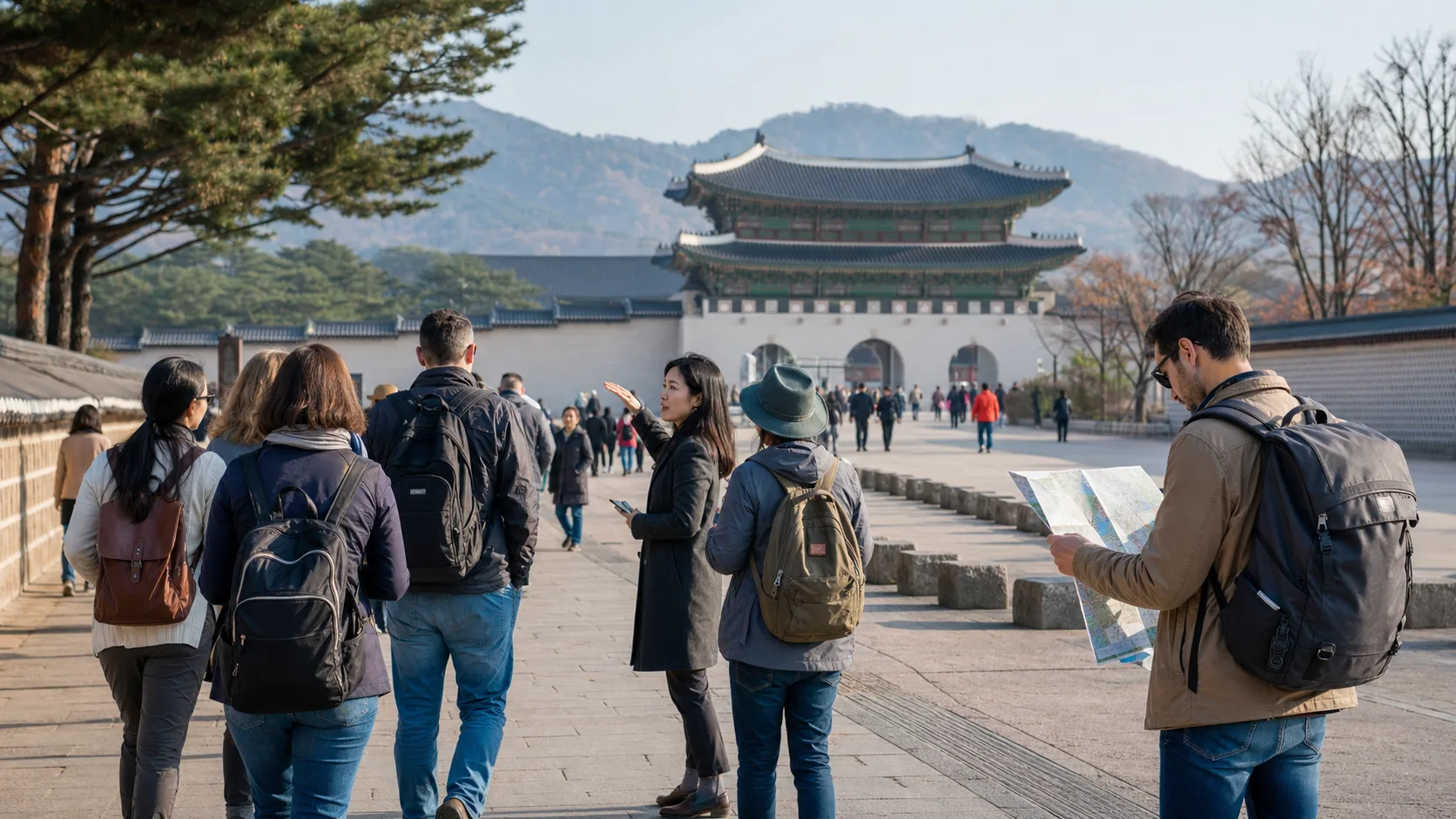
If you are flying from Singapore to Seoul for only three to five days, the real question is not whether Seoul is easy to visit. It is. The real question is whether your limited time is better spent paying for convenience or saving money and controlling your own pace.
For most Singapore travelers, the best answer is mixed: use a tour for the first long-haul arrival day, airport transfer, DMZ-style add-ons, or any tightly packed landmark day, then do the rest yourself. Seoul has excellent public transport, English-friendly apps, and compact neighborhoods, so DIY works well once you have your bearings. Tours make sense when your trip is very short, your flight lands late, you are traveling with parents or children, or you simply do not want to spend precious holiday time planning every transfer.
1. Fast Answer
For a short Seoul trip from Singapore, tours are best when time, language, or logistics matter more than flexibility. DIY is better when you want lower costs, more freedom, and the ability to move at your own pace. If your trip is three nights or less, start with a tour for one anchor day and keep the rest self-directed.
Here is the practical takeaway: if this is your first Seoul trip and you only have a long weekend, do not force a pure tour-only or pure DIY mindset. Seoul is a city where both approaches can work, but they solve different problems.
A tour helps when you want one decision to replace ten smaller decisions. That matters if you are arriving after a red-eye, dealing with jet lag, traveling with someone who hates maps, or trying to see a lot in one day without worrying about train transfers, lunch reservations, or rain. For Singapore travelers especially, tours can also reduce cognitive load after a six- to seven-hour flight plus immigration, baggage, and hotel check-in.
DIY, on the other hand, is the better value if you are comfortable using Naver Map, Kakao T, and the subway. Seoul is one of the easiest major Asian cities to navigate independently, and the city rewards flexibility. If you see a queue at a café in Bukchon or decide that Myeongdong is too crowded, you can simply pivot. That freedom becomes more valuable when your trip is short.
My rule of thumb is simple:
- Choose a tour if you have one full sightseeing day and want maximum certainty.
- Choose DIY if you want to explore Seoul at a relaxed pace and save money.
- Choose a hybrid if you want the best balance of both.
For most Singapore travelers, hybrid wins. Book the first airport-to-hotel leg cleanly, then decide day by day whether the next activity is easier on your own or with a guide.
2. Context You Need
Seoul is not a city where you need a guide to survive. It is a city where a guide is useful only when your itinerary is compressed enough that small frictions become expensive. That distinction matters.
A short trip to Seoul usually means three things:
- You have limited time because of annual leave.
- Your flight time already eats into the first and last day.
- You want to see a mix of palaces, neighborhoods, food, shopping, and maybe one side trip without burning a full week.
That is why the tour-versus-DIY question comes up so often for Singapore travelers. From Singapore, Seoul feels close enough to be a spontaneous city break, but far enough that you do not want to waste the trip by over-planning or under-planning. You want a city that is efficient, not stressful.
The short-trip tour market in Seoul usually bundles several things together: hotel pickup, a driver or guide, a fixed route, and a list of highlight stops. The idea is to maximize sightseeing density. A DIY trip, by contrast, gives you the same city but without the schedule lock. You decide whether Gyeongbokgung gets an hour or three, whether lunch is a quick kimbap stop or a proper barbecue meal, and whether you want to detour for skincare, bookstores, or coffee.
There is also a cultural side to this choice. Seoul is a city that works well with order, timing, and app-based navigation. The subway is extensive, the card payment ecosystem is mature, and many neighborhoods are easy to combine into a single day. That means the cost of going independent is lower than in many other capitals. You are not usually choosing between “tour” and “chaos.” You are choosing between “someone else handles the logistics” and “I handle the logistics myself.”
That matters even more for Singapore travelers because the planning style is different from a long-holiday traveler. A one-week Japan or Europe trip may justify deeper itinerary research. A three-night Seoul trip is more of a compressed city sprint. You do not want a spreadsheet that eats an evening, but you also do not want to land in Seoul with zero structure and lose half a day figuring out what to do.
So the context is this: tours are an efficiency tool, DIY is a control tool, and hybrid travel is often the sweet spot for a short Seoul itinerary.
3. Step-by-Step Guide
The easiest way to decide is to plan the trip in sequence, not as a philosophical question.
Step 1: Decide how much of your trip is actually free time
Start by removing the unavoidable parts:
- arrival immigration
- airport transfer
- hotel check-in
- breakfast recovery after a red-eye, if applicable
- departure buffer on the last day
For many Singapore-Seoul itineraries, the “usable” time is not the full number of nights. A three-night trip may only give you about two and a half meaningful sightseeing days. Once you accept that, your choice becomes clearer.
If you only have two true sightseeing days, a tour becomes more attractive. If you have three or four, DIY becomes more practical because you can spread out the must-sees.
Step 2: Anchor the trip around one high-value day
Short Seoul trips work best when one day carries the heavy lifting. Pick the day that would be most annoying to coordinate on your own.
Good tour anchor days:
- DMZ and northern perimeter excursions
- full-day palace, Hanbok, and traditional village routes
- countryside or outskirts day trips
- family trips with grandparents or young children
- airport-day arrival sightseeing when you want the city to “start immediately”
Good DIY anchor days:
- Myeongdong, Euljiro, and City Hall
- Hongdae, Sinchon, and Yeonnam
- Bukchon, Insadong, and Gwanghwamun
- Seongsu, Konkuk University, and Seoul Forest
- a food-and-shopping day with no fixed ticket times
Step 3: Build your hotel choice around your decision
Your hotel location changes the math.
If you book a tour, a hotel near a pickup-friendly area can simplify the first morning. If you DIY, staying near a subway line with a direct airport route matters more than a fancy lobby.
For short trips, the strongest base areas are usually:
- Myeongdong for easy airport access, shopping, and central positioning
- Hongdae for younger, food-focused, nightlife-friendly trips
- Seoul Station for transit convenience and quick airport rail connections
- Jongno/City Hall for palaces, history, and walking routes
If your hotel is badly located, DIY starts to feel harder than it should. If your hotel is well placed, many “tour-worthy” days become simple enough to do yourself.
Step 4: Choose transport by friction, not by habit
This is where Singapore travelers sometimes overestimate the value of convenience. Seoul’s public transport is very good. The subway network is frequent, the airport rail is straightforward, and a stored-value card like T-money makes movement painless. For many standard city days, DIY transport is not the problem.
Use this quick filter:
| Situation | Better Choice | Why |
|---|---|---|
| Airport arrival after a long flight | Tour or prebooked transfer | Less mental effort when tired |
| Central Seoul neighborhood hopping | DIY | Subway and walking work well |
| One-day rural or outskirts trip | Tour | Saves transfer time and confusion |
| Food, shopping, café day | DIY | Better pace and spontaneity |
| Traveling with elderly parents | Tour or private car | Fewer stairs, fewer transfer points |
| Solo traveler on a budget | DIY | Lowest cost and maximum flexibility |
Step 5: Decide where you need structure and where you do not
You do not need a tour for every activity. In fact, too much structure is what makes short trips feel rigid.
A good hybrid Seoul plan often looks like this:
- airport transfer arranged ahead of time
- one guided or semi-guided landmark day
- two DIY neighborhood days
- one flexible food or shopping block
That mix gives you guardrails without turning the whole trip into a group excursion.
Step 6: Use one simple planning checklist
Before you book anything, answer these questions:
- How many real sightseeing days do I have?
- Is this my first Seoul trip?
- Am I traveling with anyone who cannot handle stairs, fast walking, or navigation stress?
- Is there one activity that is awkward to do alone?
- Am I more likely to regret spending money or losing time?
If the answer to the last question is “losing time,” lean tour. If the answer is “spending money,” lean DIY.
Step 7: Keep your first day intentionally light
This matters more than people expect. A short trip becomes better when the first day is easy and the second day is efficient.
If you land in the morning or early afternoon, do not schedule a marathon tour immediately unless you are confident you will handle the jet lag. Instead:
- get to the hotel
- drop luggage
- have a gentle neighborhood meal
- do a short walk
- sleep early
Then decide whether the next day should be the major guided day or the major DIY day.
Step 8: Match the format to your travel personality
Some travelers want a story, some want a schedule.
- If you dislike uncertainty, tours help.
- If you love finding local cafés, DIY helps.
- If you want good photos without planning the angle, tours help.
- If you like changing plans when weather changes, DIY helps.
That sounds obvious, but it is the real decision.
4. Costs, Hours, and Logistics
Short Seoul trips look cheap or expensive depending on what you compare.
The tour side usually front-loads cost into convenience. A group tour can be economical if it bundles transport and multiple stops. Private tours cost much more, but they can make sense for families, multigenerational groups, or travelers who want a custom pace. For a short itinerary, the true comparison is not “tour price versus free.” It is “tour price versus the transport, tickets, and time I would otherwise spend arranging it myself.”
The DIY side is usually cheaper, but it is not free in time.
Here is the logistics picture that matters most in 2026:
- Seoul subway: generally runs from early morning until around midnight, with some services later on certain lines or weekdays.
- T-money card: still the simplest way to pay for subway, buses, and many convenience-store purchases.
- Airport rail: AREX remains the cleanest airport-to-city option for many travelers, with express and all-stop choices depending on your hotel location and budget.
- Palace and attraction tickets: many core Seoul sights are inexpensive, so the biggest DIY expense is often transport, not admission.
For a Singapore traveler, that means your short-trip budget usually splits into three buckets:
- Airport movement
- Inner-city transport
- One or two premium experiences
If you want a practical starting estimate, think in these bands:
- DIY city day: low to moderate cost if you mostly use subway, cafés, and standard admissions
- Group tour day: moderate cost, especially if lunch or a premium stop is included
- Private tour day: high cost, but often best for families or travelers short on energy
The airport leg deserves special attention. If you arrive at Incheon and your hotel is in central Seoul, the airport rail is often the best balance of price and predictability. If you are exhausted, have lots of luggage, or are traveling in a group, a car transfer can be worth paying for because it removes one more transfer and one more station walk.
For opening hours, assume Seoul is generous but not infinite. Major sights often close on one weekday or operate on reduced schedules for certain experiences. Palaces, museums, and traditional houses may have different closed days. Restaurants can also be tricky because some of the best food spots open late, close early, or shut one day a week. That is another reason a guided day is useful if your trip is very short: it reduces the chance that one closed door ruins the plan.
If you are doing DIY, budget for the friction:
- mobile data or an eSIM
- T-money card or equivalent transit setup
- taxi support for one or two short hops
- flexibility when weather changes
If you are doing tours, budget for the hidden costs:
- early pickup from a less convenient hotel
- time spent collecting other passengers
- fixed meal options
- less freedom to extend a good stop
The best 2026 rule is not to obsess over the cheapest option. It is to compare the cost of certainty. If the tour saves you from a wasted half-day, it may be cheaper than the lower-priced DIY version that leaves you tired and rushed.
5. Variations and Edge Cases
Not every Singapore traveler should make the same choice.
First-time visitors
If this is your first Seoul trip, a tour is often valuable for one anchor day because it teaches you the city’s rhythm. After that, DIY becomes much easier. First-timers usually benefit from seeing how distances, neighborhoods, and meal times actually work before they commit to a totally self-directed itinerary.
Repeat visitors
If you have already done the obvious landmarks, DIY is usually the better move. Repeat visitors are not paying for information anymore. They are paying for pace, convenience, and novelty. That often means café neighborhoods, food routes, or niche interests that are much better handled independently.
Families with children
Families need to think about bathrooms, rest breaks, stroller stairs, and meal timing. That makes tours attractive for full sightseeing days, especially if grandparents are coming along. But a completely tour-based family trip can be exhausting if the children need flexibility. The best family answer is usually one guided day plus one slow DIY day.
Travelers with elderly parents
Private tours beat public DIY here more often than not. The issue is not whether Seoul is accessible in theory. The issue is whether your specific group can handle station walking, platform changes, and long stretches of standing. A private car or chauffeur-style day can preserve energy for the actual experience.
Budget travelers
DIY wins if your goal is to maximize the number of experiences per dollar. Seoul rewards this style because core attractions are compact, transit is usable, and many neighborhoods can be combined into a single day. If you are budget-conscious, spend on one high-friction day and save on the rest.
Winter trips
Winter changes everything. Cold weather makes transfers feel longer, outdoor walking less pleasant, and spontaneous detours less appealing. In winter, a tour can be better because it keeps you moving efficiently between sheltered stops. On the other hand, Seoul’s winter cafés, markets, and food halls are excellent for DIY if you keep your route compact.
Summer and rainy season trips
Heat and rain make itinerary flexibility more important. DIY is still possible, but you should group indoor activities together and keep an umbrella or light rain jacket in your day bag. Tours are useful if the route is already optimized for weather, because you do not have to think about re-routing in the middle of the day.
Food-first travelers
If your Seoul trip is mostly about eating, DIY is usually better. Food tours can be fun, but the city’s best restaurant moments often come from wandering, queue-reading, and choosing based on mood. Use a tour only if you want a structured introduction to one food category or neighborhood.
Shopping-heavy travelers
DIY is almost always better for shopping. Seoul shopping days are successful when you can leave bags at the hotel, return for a rest, and go back out. A rigid tour schedule works against that rhythm.
6. Mistakes to Avoid
The most common mistake is booking too much structure for too little trip length. A three-night trip with two full group tours leaves almost no time for wandering, which is often the part of Seoul people remember most.
Other mistakes to avoid:
- Assuming DIY means random wandering. DIY still needs a route, especially on a short trip.
- Assuming tours are only for beginners. Tours are also for travelers who value time, comfort, or access.
- Packing the first day too aggressively. Jet lag makes “we’ll just push through” a bad strategy.
- Choosing a hotel far from your main interests. A bad base makes both tours and DIY harder.
- Ignoring weather. Seoul is a four-season city, and the wrong clothing can turn a good plan into a tiring one.
- Overestimating what can fit between meals. Short trips often fail because people think they can do one more museum, one more shopping stop, and one more café before dinner.
If you want the cleanest short-trip experience, reduce the number of must-dos and protect your energy. Seoul is not best experienced by racing through it.
7. FAQ
Is a Seoul tour worth it for a short trip from Singapore?
Yes, if your trip is very short or you value convenience more than flexibility. A tour is especially worth it for one complicated day, such as a DMZ add-on or a countryside route. If you want to save money and move at your own pace, DIY is usually better.
Can I do Seoul on my own if I have never been before?
Yes. Seoul is one of the easiest major Asian cities for independent travel. The subway is extensive, taxi apps are usable, and navigation is manageable once you have your hotel and airport transfer sorted. The main issue is not whether DIY is possible, but whether you want to spend trip time planning.
What is the best compromise for a three-night trip?
One guided or private day, one airport-transfer solution, and two self-directed neighborhood days. That formula gives you a low-stress arrival, one efficient highlight day, and enough freedom to eat and shop without pressure.
Is the Seoul subway good enough for tourists?
Yes. For most city routes, the subway is more than good enough. It is clean, frequent, and straightforward once you have a map app and a transit card. T-money makes things easier because it keeps your payments simple across subway, buses, and many convenience stores.
Should I use a taxi instead of a tour?
Sometimes. Taxis are great for short hops, rainy days, or late-night returns, but they do not replace a full tour if you need commentary, multiple preplanned stops, or a driver waiting all day. For many short trips, taxis are best used as a supplement, not the whole strategy.
What if I only want food, cafés, and shopping?
Do it yourself. That style of trip benefits from spontaneity. Tours are useful for landmark-heavy or transport-heavy days, but food and shopping are usually more enjoyable when you can change your mind.
Is a private tour better than a group tour?
If you are traveling as a family or a small group with mixed energy levels, yes. A private tour removes the waiting and pacing problems that make group tours tiring. If your only goal is price, group tours usually make more sense.
Do I need to prebook everything?
No. For a short Seoul trip, prebook only the things that are hard to replace: airport transfer if needed, a must-do guided day, and any timed entry that you care about. Leave at least one block open for weather, appetite, or energy changes.
8. Next Steps
If you are still undecided, make the decision day by day instead of trip by trip. Lock in your airport movement, book one high-friction day, and keep the rest flexible. That approach gives you the security of a tour where it matters and the freedom of DIY where Seoul is naturally easy.
For a short Seoul itinerary from Singapore, the best next move is usually to choose your hotel base, then choose your one “do not mess around” day. Once those two decisions are made, the rest of the trip becomes obvious.
Related: korea-seoul-short-trip-first-time-travel-guide-for-short-holidays
Related: korea-seoul-short-trip-budget-travel-guide-for-singapore-travelers
Related: korea-seoul-short-trip-itinerary-for-singapore-travelers