Korea Seoul Short Trip Budget Travel Guide for Singapore Travelers

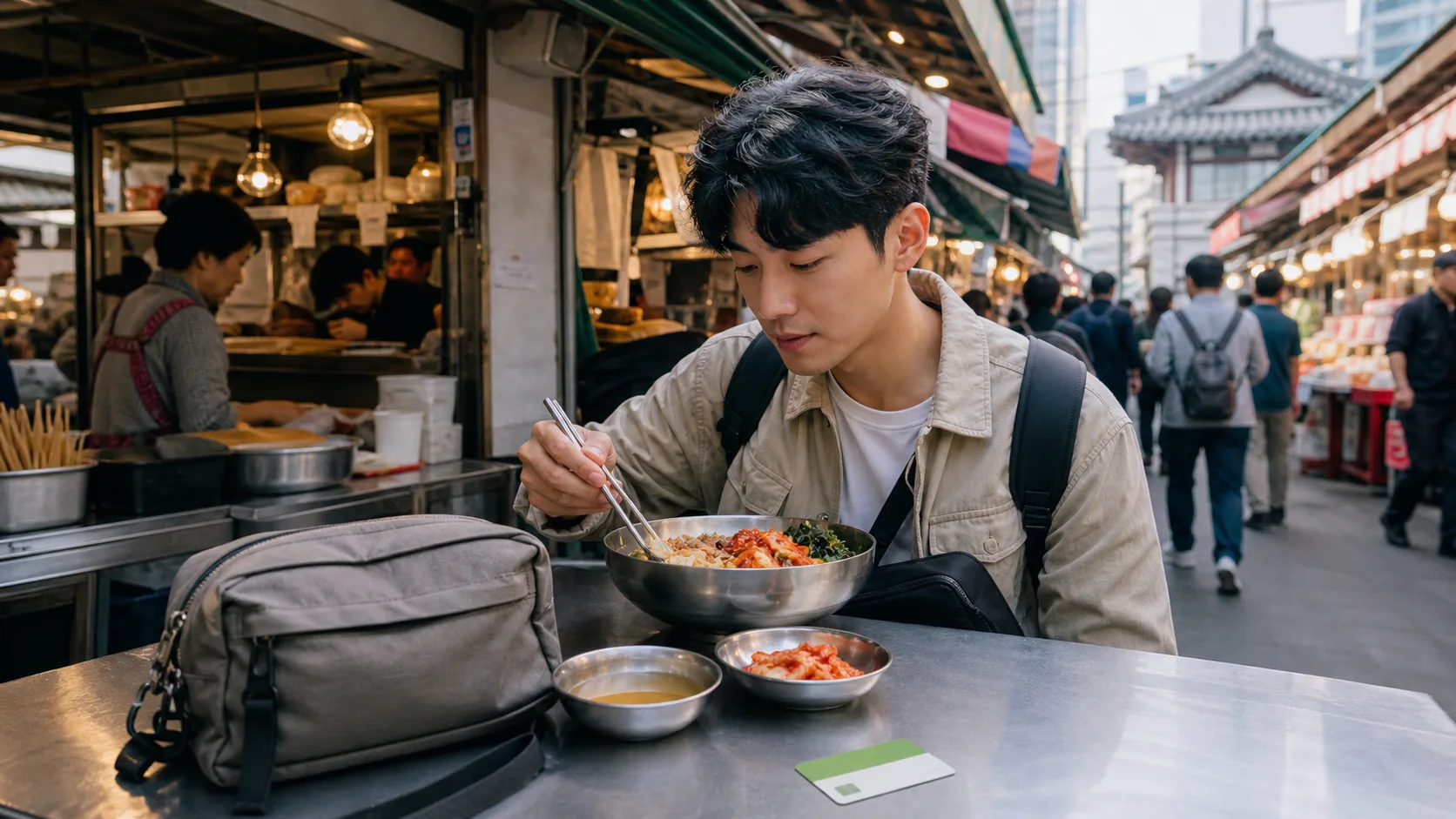
If you are flying from Singapore to Seoul for a short break, the easiest way to keep the trip affordable is to make a few decisions early and keep the rest simple. Pick one central neighborhood, use public transport instead of taxis for most of the trip, eat one or two meals a day at casual local spots or convenience stores, and avoid booking too many paid attractions in one itinerary. A Seoul short trip can feel expensive if you try to cover too much ground, but it can also be very efficient if you plan around your airport transfer, hotel location, and daily route.
The biggest budget swing is usually not the subway fare or a bowl of noodles. It is the combination of flight timing, hotel district, and how often you switch across the city. For a 3D2N or 4D3N trip, the smart move is to treat Seoul as a city where logistics matter more than variety. Once your arrival route, neighborhood base, and rough daily spending limit are set, the rest becomes much easier to control.
Fast Answer
A short Seoul trip is budget-friendly for Singapore travelers if you plan it like a city break, not a checklist race. The best value usually comes from staying near a major subway interchange in Hongdae, Myeongdong, Jongno, or near Seoul Station, then building each day around one cluster of sights instead of bouncing across the whole city. Use the airport rail or bus unless you are landing very late or traveling with heavy luggage. Save taxis for nights when the subway has ended or when your hotel is awkwardly located.
For spending, think in buckets: accommodation, airport transfer, meals, local transit, and one or two paid activities per day. A lean trip can stay reasonable if you avoid premium hotel rates and skip unnecessary shopping splurges. A comfortable short trip is still possible on a modest budget if you prioritize one good meal, one convenience-store meal, and one or two signature experiences rather than trying to do everything. If you are traveling from Singapore, the route choices are straightforward, but the budget gets messy fast when you book a hotel in the wrong district or underestimate how much time Seoul traffic can add.
The practical answer is simple: choose a central base, pre-plan your airport ride, keep your daily route tight, and decide in advance which things are worth paying for. That approach saves more money than chasing the cheapest individual item.
Context You Need
Seoul works well for a short trip because it combines dense neighborhoods, strong public transport, and enough food and shopping variety to fill three or four days without needing a car. For Singapore travelers, the appeal is familiar in one sense and different in another. You are used to a fast, urban environment, so the challenge is not understanding the city in broad terms. The challenge is choosing where to stay and how to move so you do not waste the short time you paid for.
The city has several budget-friendly travel patterns. Some visitors stay in Hongdae for cafés, nightlife, and easy airport access. Others choose Myeongdong for first-time convenience and shopping. Jongno and Euljiro appeal to travelers who want a more traditional center with easy palace access and good transit. Seoul Station can be practical if you want the airport rail, intercity train connections, and a central base without paying premium rates in the most fashionable districts. Gangnam is more expensive on average, but it can make sense if your trip is focused on shopping, beauty services, or business-adjacent meetings.
For a short trip, the “budget” question is not only about cheapness. It is about efficiency. If a slightly more expensive hotel saves you two taxi rides and an hour of commuting every day, that can be a better budget choice than a cheaper room far away. If an airport express or bus gets you into the city faster and with less stress, that can be worth paying for even if a local bus or train is technically cheaper. The aim is not to minimize every line item. The aim is to maximize useful time per dollar.
That is especially important for Singapore travelers because many people are trying to fit Seoul into a larger East Asia plan, or into a long weekend plus leave days. You may be arriving after a night flight, wanting to start exploring immediately, and then leaving a few days later with a packed suitcase. In that situation, hidden costs matter: late check-in friction, luggage storage, transit confusion, and overbooking your first day when jet lag is still active.
Another reason Seoul deserves a budget plan is seasonality. Spring and autumn are more comfortable and often more popular, so hotel prices can rise and popular spots can feel crowded. Summer can be humid and rainy. Winter can be cheap in some pockets, but it can also create higher transport friction and more impulse spending on warm meals, coffee, and indoor attractions. A good budget guide should adapt to the season instead of assuming one fixed spending pattern.
In plain terms: Seoul can be affordable, but only if you respect the city’s size and pace. A short trip punishes vague planning more than it punishes frugality.
Step-by-Step Guide
The easiest way to budget a short Seoul trip is to plan it in sequence, from arrival to departure. Do not start with restaurant lists or shopping districts. Start with the structure that controls the rest of the spend.
1. Decide your trip length and pace
For most Singapore travelers, the sweet spot is 3D2N or 4D3N.
3D2Nworks if you want a fast reset, one major shopping or food area, and a single day of core sightseeing.4D3Nworks better if you want one slower day for a palace or museum, one neighborhood day, and one flex day for food or beauty appointments.5D4Nis where you start paying for comfort rather than speed, because you can spread out meals and avoid rushing.
If your goal is budget control, a shorter trip is not automatically cheaper. A rushed trip can be expensive if it causes you to book premium transport or too many convenience purchases. The goal is to match length to energy. If you know you will land tired, do not overfill day one. If you know you will shop heavily, leave empty luggage space or budget for a bigger bag on the return leg.
2. Choose the neighborhood before you book anything else
Your hotel area affects transport cost, meal cost, and how much you can do on foot. For a budget short trip, the strongest choices are usually:
| Area | Best for | Why it helps budget |
|---|---|---|
| Hongdae | Younger travelers, nightlife, cafés, casual dining | Good transport, many affordable food options, easy to fill a short trip without taxis |
| Myeongdong | First-timers, shopping, easy city-center access | Central and simple, with many budget food choices and strong transit links |
| Jongno | Palaces, traditional areas, quieter evenings | Good for culture-heavy trips and walkable sightseeing days |
| Seoul Station | Airport rail, rail connections, practical stopovers | Strong logistics if you want a quick arrival and departure |
| Gangnam | Shopping, beauty, modern city feel | Can be efficient if your activities cluster there, but lodging may cost more |
If you are uncertain, pick one of the first three. They are easier to explain to a taxi driver, easier to navigate after a long flight, and easier to use as a base for a short trip.
3. Lock in your airport transfer strategy
The airport ride is one of the first decisions that shapes your mood and your budget. From Incheon, you usually have four practical options:
- Airport rail for a cleaner, more predictable arrival into the city.
- Airport bus if your hotel area is well served and you want fewer transfers.
- Taxi if you are arriving late, carrying lots of luggage, or traveling as a group.
- Private transfer if convenience matters more than price.
For a solo traveler or couple on a budget, airport rail or bus is usually the best balance. The exact choice depends on where your hotel is. If you stay near Seoul Station or a station on a simple subway line, airport rail is often easy. If your hotel is closer to a bus stop and your arrival time is sensible, a bus can be less tiring. A taxi can still be reasonable if you split the fare with a companion and you land very late.
4. Build the first day around recovery, not performance
Short trips go wrong when day one becomes a marathon. If you land in the afternoon or evening, keep the plan light:
- Check in.
- Buy a transport card if needed.
- Eat near the hotel.
- Walk one nearby street or market.
- Sleep early or at least avoid overcommitting.
This sounds boring, but it saves money. A tired traveler overpays for convenience, snacks, coffee, and taxis. A traveler who starts gently usually spends less and enjoys the rest of the trip more.
5. Split the city into clusters
Instead of planning by attraction name, plan by route cluster:
- Palace and traditional center day: Gyeongbokgung, Bukchon, Insadong, Jongno.
- Shopping and café day: Myeongdong, Euljiro, Namdaemun, Seoul Station.
- Youth and food day: Hongdae, Yeonnam, Hapjeong, Mangwon.
- Modern city day: Gangnam, COEX, Apgujeong, Seongsu depending on your interests.
This matters because short trips lose money through friction. Every extra cross-city transfer is time lost and transit spend added. Clustering reduces that.
6. Choose a food strategy before you get hungry
Seoul food budgeting is easier when you decide your meal pattern in advance. A good short-trip pattern is:
- Breakfast from a convenience store, bakery, or café.
- Lunch at a casual local place or market.
- Dinner where you want to spend a little more on atmosphere.
If you do that, you avoid the common trap of paying for every meal as a “special” meal. You will still eat well, but not every meal needs to be a destination. Convenience stores are especially useful for drinks, fruit, snacks, and quick breakfasts. They are not a downgrade; they are a budget tool.
7. Pre-book only the things that genuinely sell out
For a short trip, overbooking is a mistake. Book only what matters:
- Airport transfer if your hotel is tricky.
- Popular performance tickets.
- Any beauty appointment or clinic slot you care about.
- Must-see attractions that need timed entry.
Do not pre-book every café or every meal. Keep space for weather, fatigue, and mood. That flexibility is part of staying on budget because it keeps you from paying for cancellations or redundant bookings.
8. Use a daily spending ceiling
Set a rough ceiling for each day. For example, you might allow one main paid activity, one better meal, one simple meal, and transit. Once you hit that ceiling, you stop adding extras. This is the simplest way to prevent Seoul from turning into a series of small purchases that quietly blow out the budget.
Here is a practical template:
| Category | Lean day | Comfortable day |
|---|---|---|
| Local transport | Low | Low to moderate |
| Food | Low to moderate | Moderate |
| Paid attractions | One small ticket | One major ticket or two small ones |
| Coffee/snacks | Low | Moderate |
| Shopping | Optional | Optional |
If you want to stay disciplined, decide your cap before you leave the hotel each morning.
Costs, Hours, and Logistics
For a short Seoul trip, the most useful budget numbers are ranges rather than exact amounts. Prices shift with season, booking timing, and neighborhood. Still, a Singapore traveler can plan sensibly with a few simple rules.
Accommodation is usually the largest controllable spend. A budget room near a major station is often worth more than a slightly cheaper room in a far-off district. If you are comparing hotels, do not compare only the nightly rate. Compare the real nightly rate plus the likely transport cost from the hotel to your actual plans. A room that is cheaper by a small amount but adds two or three taxis across the trip may no longer be cheaper.
Food costs are flexible. You can keep breakfast and one snack very cheap with convenience stores, bakeries, or simple takeaway items. Casual lunch and dinner can stay reasonable if you avoid tourist-heavy restaurants for every meal. On the other hand, if you want Korean barbecue, café hopping, desserts, and specialty drinks every day, your spend climbs quickly even if you avoid big-ticket attractions.
For transit, Seoul is efficient enough that a transport card strategy usually beats ad hoc decisions. Subways and buses are the default budget option inside the city. Taxis are useful, but they work best as a selective tool rather than your main movement plan. The airport ride is where travelers often overspend by default, so make that choice deliberately instead of deciding it on arrival while tired.
As for hours, do not assume every attraction behaves the same way. Many museums and cultural sites have fixed closure days, and some are closed on Mondays or on certain public holidays. Markets may open early but not every stall runs the same schedule. Cafés and shopping streets tend to be more flexible, but even then, the exact opening and closing times can shift by season or by tenant. If there is one place you really care about, check the official schedule before leaving the hotel.
Payment is generally easy with cards, but it is still smart to keep some cash for small purchases, market snacks, and transport-card top-ups where needed. A Singapore traveler often expects almost full cashless convenience, and Seoul is close to that in many districts, but not completely identical everywhere. Budgeting a small cash float reduces friction.
For 2026 travel, check the latest entry and transport rules before you book. Pre-arrival requirements can change, and forum posts age quickly. The safest habit is to verify your passport entry needs, airport transfer options, and any event or attraction booking rules right before departure rather than assuming last year’s process still applies.
If you are trying to decide when to travel, remember the seasonal pattern:
- Spring and autumn are the most pleasant, so they are often the easiest for walking-heavy sightseeing.
- Summer can be humid and rainy, which can push you into cafés, malls, and indoor activities.
- Winter can be efficient for shopping and food, but you may spend more on warming meals, indoor transit, and weather protection.
That is why “budget” in Seoul is partly a weather question. The more comfortable the walking conditions, the less you spend on taxis, convenience stops, and spontaneous indoor detours.
Variations and Edge Cases
A short Seoul trip does not look the same for every traveler. Your best budget plan depends on season, company, and purpose.
If you are traveling in a couple, you can sometimes upgrade transport more cheaply because taxi and transfer costs can be split. That does not mean you should default to private transport. It means you should compare the comfort premium against the per-person savings from sharing a ride.
If you are traveling solo, the subway and airport rail become even more attractive because they are predictable and easy to budget. A solo traveler also gets less value from a large hotel room or premium transfer, so the most important decision is usually location rather than size.
If you are traveling with parents or children, convenience matters more than the absolute lowest price. In that case, a slightly better-located hotel and a simpler airport transfer can save more energy than they cost in extra cash. A “cheap” hotel that creates confusion or too many stairs can be a false bargain.
If you travel during school holidays, Golden Week-like regional peaks, or major Korean holiday periods, prices and crowd levels rise. In those windows, the cheapest trip is often the one with fewer paid attractions and fewer cross-city transfers. Book the essentials earlier and leave the flexible parts open.
If you are a food-first traveler, your budget should shift from sightseeing tickets to meal quality. You may spend less on admissions but more on cafés, barbecue, dessert, and specialty coffee. That is fine as long as you accept that food is the main line item rather than pretending the trip is ultra-low-cost.
If you are a shopping-first traveler, carry a realistic empty-bag strategy. A short trip can get expensive at the end when you realize you need extra luggage or a bigger bag. Budget for that upfront instead of treating it as an afterthought.
If you want a slower, more local experience, stay in one district and walk as much as possible. This lowers transport spend and gives you a better sense of the neighborhood. The tradeoff is that you will see fewer famous landmarks. For a short trip, that is often a worthwhile trade.
If your flight times are awkward, build the first and last day around them. A late arrival should not force a full dinner itinerary. An early departure should not include a long breakfast mission. Budget travelers sometimes waste money by planning the same number of activities on travel days as they do on full days. That usually backfires.
Mistakes to Avoid
The most common mistake is booking a hotel based only on the nightly rate. Seoul is a city where location changes the real cost of the trip. A cheap room far from the areas you want to visit can cost more once you add taxis, wasted time, and fatigue.
The second mistake is crossing the city too often. Seoul’s transport is good, but time is still money on a short trip. If your morning is in one part of the city and your afternoon is on the other side, you will spend more on transit and lose the relaxed pace that makes a short trip enjoyable.
The third mistake is treating every meal like a must-try highlight. A few signature meals are great. Three or four expensive meals a day are not a budget strategy. Balance one special meal with simple, reliable, lower-cost meals.
The fourth mistake is assuming all attractions follow the same hours or closing days. Some places are easy to show up at randomly; others are not. Check before you go if the place matters to you.
The fifth mistake is not preparing for arrival day. The first few hours after landing are when many travelers overspend on convenience because they are tired and disoriented. Have a simple arrival plan ready before you board.
FAQ
Is Seoul expensive for Singapore travelers?
It can be, but it does not have to be. The difference is usually in how you structure the trip. If you stay central, use public transport, and keep one or two meals simple each day, Seoul can be very manageable. If you choose a less convenient hotel, rely on taxis, and eat every meal in busy tourist areas, the cost climbs quickly.
How many days are enough for a short Seoul trip?
Three days is enough for a fast city break, but four days is usually the sweet spot. Three days works well if you want one main sightseeing day and one flexible shopping or food day. Four days gives you more breathing room, which helps your budget because you make fewer rushed decisions.
Which area is best for a first-time visitor?
Myeongdong and Hongdae are usually the easiest first-timer choices. Myeongdong is simple and central. Hongdae is lively and easy to move around from. If you want a more cultural base, Jongno is also strong. If your airport logistics matter most, Seoul Station can be practical.
Should I use cash or card?
Bring both, but rely mainly on cards for larger purchases and keep some cash for smaller market-style expenses or top-ups. You do not need to carry a huge amount of cash for a short trip, but you also should not assume every minor purchase will be handled the same way.
Is the airport train worth it?
Usually yes, if your hotel is reasonably close to the rail or a simple connecting line. It is one of the easiest ways to keep arrival predictable. If your hotel is awkwardly located or you are arriving late with heavy luggage, a bus or taxi may make more sense.
What is the easiest way to avoid overspending?
Set a daily cap before you leave the hotel. Decide how many paid attractions, café stops, and special meals are worth it, then stop once you hit that number. Budget trips fail when every small decision is made in the moment.
Do I need to pre-book everything?
No. Pre-book only the pieces that matter for timing or sell out easily. Leave the rest open so you can adapt to weather, energy, and appetite. Flexibility is part of keeping a short trip both affordable and enjoyable.
Next Steps
If you are planning a short Seoul trip from Singapore, the next best move is to choose your base district first, then map your airport transfer and one full-day route around that base. Once those three decisions are fixed, your budget becomes much easier to control because transport, food, and sightseeing all start working in the same direction.
From there, build a simple daily budget, reserve only the bookings that truly need advance planning, and leave enough room for one or two spontaneous meals or cafés. That is the safest way to get a short Seoul trip that feels full without becoming expensive or stressful.
Related: korea-seoul-short-trip-tour-vs-diy-guide-for-singapore-travelers
Related: korea-seoul-short-trip-theme-park-and-family-ticket-guide
Related: korea-seoul-short-trip-itinerary-for-singapore-travelers