Korea Family Trip First Time Travel Guide for Short Holidays

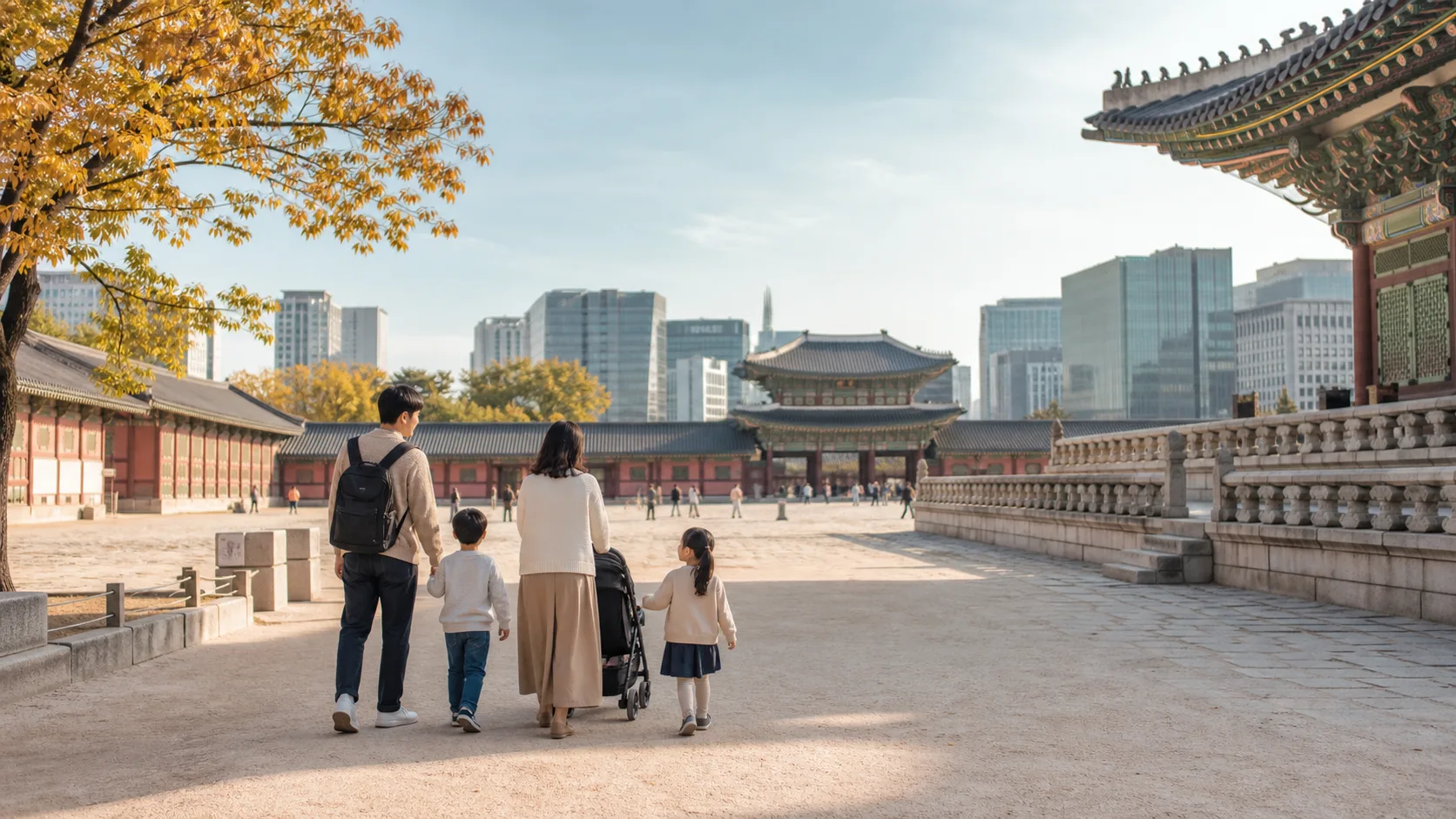
If this is your first family trip to Korea and you only have a short holiday, the winning strategy is simple: pick one base, keep the schedule light, and use a mix of airport rail, taxis, and subway rides instead of trying to "see all of Korea." Seoul is the easiest first stop because it handles families well, has the broadest range of hotels and food options, and gives you enough variety for 4 to 6 days without long transfers. If your family includes young kids, grandparents, or first-time East Asia travelers, Korea works best when the trip is built around comfort, not mileage.
Fast Answer
For a first-time Korea family trip on a short holiday, do not plan a fast multi-city route unless your family already enjoys train hopping and packing every two nights. The most practical plan is 4 to 6 days in Seoul, or 5 to 7 days if you want one side trip such as Suwon, Nami Island, or a short Jeju add-on. Keep your hotel near a major subway line, choose child-friendly meals that are easy to order, and pre-book your airport transfer if you are arriving late or carrying a lot of luggage.
A short family holiday in Korea becomes much easier when you build the trip around three decisions: where to sleep, how to move, and what to skip. Seoul gives you efficient transit, many family rooms, stroller-friendly districts, and enough indoor backup for rainy or hot weather. If this is your first trip, prioritize neighborhoods with simple access to palaces, rivers, markets, and one or two museum or theme-park style stops rather than filling every day with long commutes.
The best mindset is not "cover more cities" but "reduce friction." That means fewer hotel changes, fewer early departures, and more predictable meal stops. The family that gets rest between activities usually enjoys Korea more than the family that squeezes in too many attractions.
Context You Need
Korea is a strong first overseas destination for families because the basics are easy once you understand the rhythm. Transportation is organized, food is generally quick to order, convenience stores are everywhere, and most major sightseeing areas have enough English signage for a visitor to function. For a short holiday, that matters more than trying to build a culturally perfect itinerary. The goal is to create a trip where everyone in the family can stay fed, move around comfortably, and avoid unnecessary decision fatigue.
For first-time visitors, Seoul is usually the correct base. It has the widest spread of family-friendly hotels, shopping, day-trip options, and transport links. If your family has a young child, a grandparent, or anyone who dislikes lots of stairs and transfers, Seoul lets you keep the trip compact. Busan can be a good second-choice base if your family prefers a more relaxed coastal feel, but for a short holiday and a first visit, Seoul usually wins because it is easier to orient yourself and easier to fill three to five full days without repeating the same activity.
The biggest planning mistake families make is treating Korea like a single-attraction destination. It is not. Korea works best as a sequence of neighborhoods, meals, and manageable sightseeing blocks. Families usually enjoy a half-day palace visit, a lunch break, one scenic or playful afternoon, and an early dinner far more than a full-day sprint across the city. This is especially true if you are traveling from Singapore and trying to fit the trip into school holidays, public holidays, or a long weekend extension.
Weather also shapes the experience. Summer can be hot and humid, so you need indoor alternatives and flexible timing. Winter can be cold enough that outdoor sightseeing becomes tiring for younger children and older family members. Spring and autumn are the easiest seasons for a first trip because they are more comfortable for walking and day trips. If your holiday dates are fixed, build your itinerary to tolerate heat, rain, or cold rather than assuming perfect weather.
Finally, Korea rewards travelers who handle small logistics well. Bring a payment method that works internationally, keep a mobile data plan active, and make sure the whole family knows the hotel's name in both English and Korean. Those tiny details save time when everyone is tired after a flight.
Step-by-Step Guide
1. Pick the right trip length
For a first trip, the best short-holiday range is usually 4 to 6 nights. That gives you one arrival day, two to four proper sightseeing days, and a departure day without forcing the itinerary to become brittle. If you only have 3 nights, stay very close to Seoul and do not plan more than two major sightseeing anchors. If you have 7 nights or more, you can add one easy side trip, but the center of gravity should still stay in one place.
A useful rule: if changing hotels will cost you more than half a sightseeing day, it is probably not worth it on a family trip. Children get tired of checkout days quickly, and so do adults who have to manage bags, passports, snacks, and transit with a clock ticking in the background.
2. Choose one base first, not the attractions first
The easiest family base in Seoul depends on your style:
| Base area | Best for | Tradeoff |
|---|---|---|
| Myeongdong | First-timers, easy shopping, many hotels | Busy and tourist-heavy |
| Jongno / Insadong | Palaces, traditional areas, quieter evenings | Fewer large modern hotels |
| Hongdae | Cafes, younger vibe, airport rail access | Less polished for some families |
| Gangnam | Spacious hotels, modern feel, easy taxis | More spread out |
If your family wants the easiest possible first trip, Myeongdong or Jongno is usually the safest choice. Myeongdong is simple if you want many hotel and meal options in one walkable zone. Jongno is better if you want to be closer to cultural sights and a slightly calmer atmosphere at night.
3. Build the itinerary around one "anchor" activity per day
An anchor activity is the main thing your family is definitely doing that day, such as Gyeongbokgung Palace, a river cruise, a theme park, or a major museum. Everything else should be flexible. This prevents the common family-travel problem where the schedule turns into a chain of obligations with no recovery time.
A good day might look like this:
- Late breakfast near the hotel.
- One anchor sight before lunch.
- Simple lunch near the sight.
- A second lighter stop, such as a market, cafe, or park.
- Return to the hotel for rest.
- Early dinner and an optional evening walk.
This is a better fit for short holidays than trying to stack three major attractions in one day. Korea's travel experience improves sharply when you leave time for snacks, weather changes, naps, and surprise interest in a shop or market stall.
4. Use the right transport for each leg
Do not assume the subway should solve every movement problem. In Korea, the best family strategy is usually mixed transport:
- Airport to hotel: airport rail, limousine bus, or taxi depending on baggage and arrival time.
- Hotel to central sightseeing: subway if the route is simple and the walk is short.
- Cross-city or tired-family moments: taxi.
- Side trips outside Seoul: pre-booked tour, train, or private transfer depending on the destination.
Subway is efficient, but stairs and transfers matter when you are carrying luggage or managing strollers. If your family has more than one child or multiple bags, a taxi can be the better value even if it costs more than a subway ride. The point is not to save every dollar; it is to preserve energy for the actual trip.
5. Plan meals with backup options
Korea is easy to eat in if you keep expectations practical. First-time families usually do best with a rotation of Korean BBQ, simple noodle or rice dishes, fried chicken, dumplings, cafes, bakeries, and convenience-store snacks. Do not make every meal a food adventure if your children are picky or if the adults are already tired from sightseeing.
Use meal planning to reduce stress:
- Keep breakfast simple and close to the hotel.
- Pick lunch areas near your sightseeing stop instead of forcing a long relocation.
- Choose one "special" dinner each day and let the other meals stay easy.
If your family does not handle spice well, ask for mild versions and keep side dishes manageable. Korea is friendly to casual eating, but it still helps to know exactly what you want before you sit down in a busy restaurant.
6. Leave room for weather, naps, and shopping
Short family holidays fail when every hour is booked. In Korea, it is smart to leave at least one daily buffer of one to two hours. That buffer absorbs a late start, a longer museum visit, a child who needs to rest, or a parent who wants time for shopping.
If you are traveling with kids under 10, a stroller can help, but only if your route is realistic. If you expect a lot of stairs, crowded markets, or subway transfers, a lightweight stroller or a baby carrier will often be easier than a large full-size stroller. Families with older kids should focus more on pacing and snacks than on special equipment.
Costs, Hours, and Logistics
The cost structure for a short Korea family trip has three big parts: flights, hotel, and local movement. Once those are set, day-to-day costs are easier to control. Seoul is not a budget-only destination, but it can be very reasonable if you avoid peak hotel rates and do not overbook every activity. Families typically spend more on room size, convenience, and occasional taxi use than on sightseeing tickets.
For sightseeing, many major attractions open during daytime hours and close by late afternoon or early evening, which means you should avoid arriving too late. Palaces, museums, and indoor attractions often work better in the morning or after lunch, depending on crowds and heat. Markets and shopping streets are more forgiving, but young children still do better with a fixed plan rather than wandering aimlessly until everyone is hungry.
For transit, expect a smooth experience once the basics are set up. The airport rail and subway are practical for light travelers, but families with lots of luggage often prefer a taxi from the airport to the hotel. This is especially true after a long flight, when you do not want to spend your first hour wrestling bags on escalators.
Payment is usually straightforward in urban Korea, but it is still wise to carry a card that works internationally and keep a small amount of cash for convenience stores, street snacks, or places that prefer a different payment flow. Mobile data is not optional if you want a low-stress family trip. It helps with maps, restaurant searches, transit decisions, and ride-hailing.
Some 2026 logistics remain worth checking before you leave, especially entry rules, transit updates, and attraction schedules. Korea's travel systems are reliable, but policies can change. A family trip is not the place to wing those details at the airport. Check your passport validity, confirm whether any travel authorization or visa step applies to your nationality, and verify any seasonal closures before you lock the route.
Variations and Edge Cases
If your children are very young
With toddlers or preschoolers, the trip should become even simpler, not more ambitious. Choose a hotel with enough room for naps, keep the daily schedule to one or two major moves, and avoid long transit chains. Parks, aquariums, kid-friendly cafes, and indoor attractions become more valuable than long historical walks. In this age group, a great hotel location often matters more than a famous attraction list.
If you are traveling with grandparents
Older family members often make the trip better, but only if you design for comfort. Minimize stair-heavy routes, use taxis when transfers are annoying, and pick attractions with seating and bathroom access. A palace visit can be excellent, but it should be paired with a resting point. Do not schedule back-to-back neighborhoods with long walking distances.
If you only have a long weekend
For a true short holiday, do not even try to leave Seoul. Focus on one district per day and let the city feel rich instead of rushed. For example, one day can center on palaces and traditional streets, another on modern shopping and a river area, and a third on a light excursion or neighborhood experience. The trip will feel cleaner and more memorable than a compressed attempt to touch three cities.
If your family wants one "special" add-on
The best add-on is the one that does not create a second packing problem. A day trip is often better than a second hotel. Depending on your family's interests, that could mean a calm historical site, a nature stop, or a scenic experience that returns you to Seoul by evening. If you add a second city, make sure the transfer is simple enough that the children and adults will still have energy once you arrive.
If the trip happens in summer
Summer requires more indoor breaks, more cold drinks, and more realistic expectations. Put outdoor sightseeing in the cooler parts of the day and keep an indoor backup ready. This is the season where hotel location matters even more because long walks in heat and humidity can quickly turn a cheerful plan into a grumpy one.
If the trip happens in winter
Winter can be lovely, but it punishes overambitious walking plans. Shorter outdoor blocks and warmer clothing matter. Keep transportation simple and plan at least one indoor-heavy day with cafes, museums, or shopping so the family does not feel trapped by the weather.
Mistakes to Avoid
The most common mistake is overpacking the itinerary. Families often write down too many "must-see" spots, then spend the whole holiday moving between them instead of enjoying them. The better approach is to choose fewer anchors and give each one enough time.
Another mistake is changing hotels too often. A hotel switch can consume a surprising amount of energy, especially with children. Unless the trip is long enough to justify it, one base is usually best.
Do not rely on a transit plan that only works if everything goes perfectly. Subways can involve stairs, crowds, and transfers. Taxis cost more, but they can save the day when a child is tired or the weather is poor.
Finally, do not treat meals as an afterthought. Hungry children and indecisive adults make a short holiday feel longer. Plan your first two meals each day, and keep backup options in the same area.
FAQ
Is Korea good for a first family trip?
Yes. Korea is a strong first international family destination because transport is reliable, food is varied, and the main sightseeing districts are easy to navigate once you choose a base. It rewards travelers who plan simply and do not overschedule.
How many days do we need for a first trip?
Four to six nights is the sweet spot for most families. That is enough to get a feel for the country without forcing a rushed multi-city plan. If you have only three nights, stay entirely in Seoul.
Should we visit Seoul or Busan first?
For a first short holiday, Seoul is usually better. It gives you more family hotel choices, more transit flexibility, and more activity variety. Busan is a better second trip or a better choice if your family strongly prefers the coast.
Is a stroller practical in Korea?
Yes, but only if you use it strategically. It helps in parks, malls, and some broad sidewalks, but it can be annoying in crowded markets or on stair-heavy subway routes. A lightweight stroller is easier than a bulky one.
Should we use taxis or the subway?
Use both. The subway is efficient for straightforward city movement, but taxis are often worth it for airport runs, rainy days, late nights, or family fatigue. A mixed strategy is usually the best value.
What should we book first?
Book your flights, hotel, and any fixed-entry activities first. For a short family trip, hotel location is one of the most important decisions. After that, build the day plan around one anchor activity per day instead of overbooking tickets.
What is the biggest family travel mistake in Korea?
Trying to do too much in too little time. The trip becomes better when you leave room for meals, weather, naps, and movement between neighborhoods.
Next Steps
If you are planning a first Korea family trip for a short holiday, lock the hotel base first, then choose only a small number of daily anchors. Keep the route simple, leave buffers, and decide early whether your family prefers more culture, more shopping, or more relaxed outdoor time. Once the trip shape is clear, the rest of the booking process becomes much easier.
Related: korea-family-trip-packing-guide-for-singapore-travelers
Related: korea-family-trip-public-transport-mistakes-to-avoid
Related: korea-family-trip-itinerary-for-singapore-travelers