Japan Budget Trip First Time Travel Guide for Short Holidays

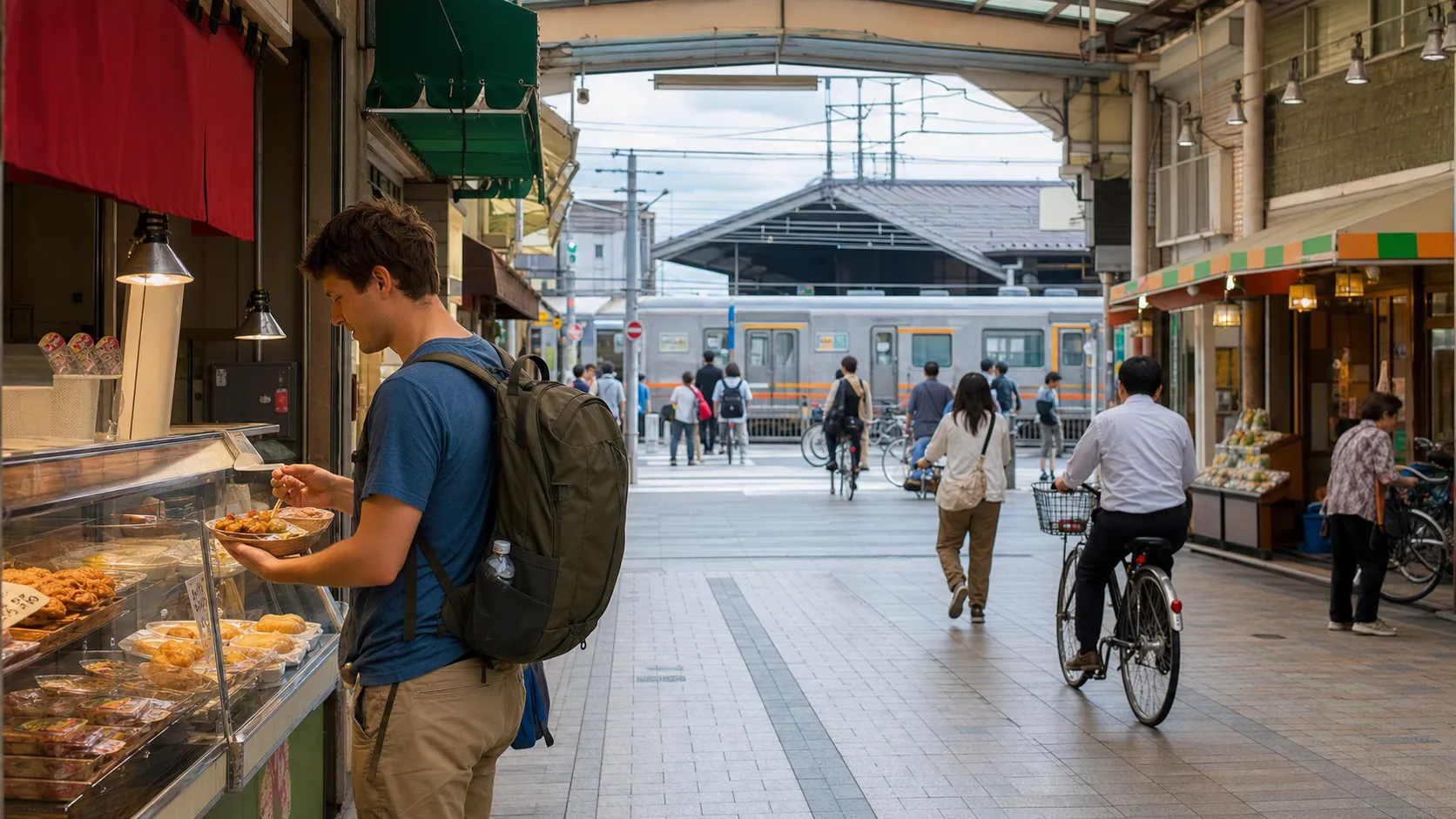
Most first-time Japan trips from Singapore fail in the same way: the traveler tries to see too much, books too late, and spends on rail or hotel choices that do not fit a short holiday. A budget-friendly Japan trip is still very doable, but the best plan is usually a compact one: one arrival city, one base for most of the stay, a second base only if the route is efficient, and a strict cap on long-distance transport.
1. Fast Answer
For a short Japan holiday, the cheapest smart strategy is usually not the absolute cheapest flight or the cheapest train pass. It is the itinerary that minimizes backtracking, keeps hotels near major stations, and limits intercity moves. If you are going for 4 to 7 days, focus on one region such as Tokyo plus day trips, Osaka plus Kyoto, or Fukuoka plus nearby cities. That keeps transport simple and lets you spend on the parts of the trip that matter most: a direct flight, a walkable hotel, and a few high-value experiences.
For first-time travelers from Singapore, Japan often feels expensive because small costs add up fast: airport transfers, luggage storage, convenience-store meals, attraction tickets, and taxis when you are tired. The fix is not to avoid spending entirely. The fix is to decide in advance where your money should go. On a short holiday, that usually means paying a little more for a better location and less for long-distance rail that eats half a day.
If you want one rule to remember, use this: build the trip around a station, not around a list of attractions. That single choice reduces wasted time, reduces transport friction, and often saves more money than hunting for one more discount.
2. Context You Need
Japan is one of the easiest countries in Asia to travel independently, but it is not automatically cheap. The country rewards planning because transport is excellent, neighborhoods are distinct, and many attractions have different costs depending on whether you are entering a shrine, a museum, a viewpoint, or a ticketed theme area. That combination is ideal for a first-time traveler who wants structure without a group tour.
For a short holiday, the biggest budgeting mistake is assuming Japan works like a single-city trip. It often does not. Tokyo, Osaka, Kyoto, Fukuoka, Sapporo, and Nagoya all behave differently. A budget trip is not about seeing “all of Japan.” It is about choosing a small geographic loop that matches your flight time, your stamina, and your comfort with transit.
Singapore-based travelers also have a useful advantage: compared with many long-haul visitors, you can often reach Japan with relatively little time-zone adjustment. That means you can arrive and start moving sooner, but it also means you may be tempted to pack too much into every day. Resist that. Short holidays in Japan get expensive when you turn the trip into an intercity sprint. You lose money on movement and lose value from tired decision-making.
The other thing to understand is that Japan’s budget travel model is more about precision than austerity. A traveler can save money by staying near a major rail line, eating one good meal a day and one simpler meal later, using IC cards for local transit, and buying only the pass or ticket that actually fits the route. That is very different from “traveling rough.” It is disciplined, not deprived.
3. Step-by-Step Guide
If this is your first Japan trip and you only have a short holiday, plan it in this order:
Step 1: Pick one region, not the whole country
Choose a region based on flight convenience and what you want the trip to feel like.
| Trip style | Best base | Why it works |
|---|---|---|
| City-first, easy logistics | Tokyo | Dense transit, many hotel options, strong day-trip choices |
| Food and nightlife focus | Osaka | Easier to keep costs under control, efficient for Kyoto/Nara day trips |
| Mixed city + heritage | Kyoto/Osaka combo | Good for first-timers who want classic Japan without overpacking the route |
| Lower-cost, less crowded | Fukuoka | Often simpler and cheaper than Tokyo or Osaka, strong for a short break |
For a short holiday, two bases are usually enough. Three bases is often a mistake unless the transfers are unusually simple.
Step 2: Decide how much intercity rail you actually need
Many first-time visitors see the Japan Rail Pass and assume it is the default answer. It is not. For a short trip, the pass only makes sense when your long-distance train costs are genuinely high enough to recover the pass price. If your route is mostly one city plus day trips, local tickets, IC card top-ups, and a couple of reserved express or shinkansen rides are often the cheaper choice.
Use this rule of thumb:
| Situation | Usually better choice |
|---|---|
| One city with day trips | Local transit + individual tickets |
| Tokyo to Kyoto and back on a very short trip | Compare individual shinkansen fares before buying a pass |
| Multiple long shinkansen legs | Consider a rail pass only if the total route supports it |
| Mostly urban travel | IC card and local tickets |
Do not buy a pass before you map the route. Build the route first, then compare.
Step 3: Lock the hotel location before you optimize the room
On a budget trip, many travelers choose a cheaper hotel that is far from the station. That looks smart on paper and costs more in reality because every departure and arrival becomes slower and more tiring.
Look for:
| Good hotel location | Why it helps |
|---|---|
| 5 to 10 minutes from a major station | Saves taxi costs and transit friction |
| Near a rail line with airport access | Reduces first-day and last-day stress |
| One transfer or fewer to your main sightseeing zone | Makes daily movement easier |
| Safe neighborhood with late-night food options | Helps when you arrive late |
A slightly more expensive hotel near a station is often the real budget option because it reduces wasted time and incidental transport.
Step 4: Build the daily rhythm before you book attractions
A short Japan trip is easier when each day has one main anchor:
| Morning | Afternoon | Evening |
|---|---|---|
| One major attraction | Nearby neighborhood walk or second attraction | Simple dinner, shopping, or onsen |
This rhythm matters because it lets you travel cheaply. You can cluster activities by area, avoid crossing the city multiple times, and keep lunch flexible instead of locking yourself into expensive reservations. It also makes weather problems easier to absorb.
Step 5: Pre-book only the things that need booking
Book in advance:
| Should book early | Why |
|---|---|
| Flights | Short holiday dates can be expensive |
| First-night hotel | Arrival day flexibility matters |
| Popular shinkansen seats | Helpful on busy periods |
| Very popular attractions | Prevents sold-out disappointment |
Usually fine to decide later:
| Can often decide on the trip | Why |
|---|---|
| Local train rides | Cheap and frequent |
| Casual meals | Huge choice everywhere |
| Convenience-store snacks | Easy fallback |
| Many neighborhood sights | Flexible once you are on the ground |
Step 6: Keep your luggage strategy simple
Japan is very manageable when you travel light. For a short holiday, a cabin-size bag or one medium suitcase is enough for many people. If you do bring larger luggage, choose routes and hotels that make moving it easy. A short trip becomes expensive when you pay for extra luggage handling, taxis, or unnecessary storage because you planned too many hotel changes.
Step 7: Spend deliberately
If you are keeping the trip on budget, assign your money to these categories in order:
- Flight.
- Hotel location.
- Intercity transport.
- One or two key experiences.
- Food splurges that are actually worth it to you.
That order is important. Travelers often reverse it and end up with a cheap room, a confusing route, and a tired holiday.
4. Costs, Hours, and Logistics
Japan costs vary by city and season, but a short trip budget usually becomes manageable when you think in buckets rather than in “Japan is expensive” terms.
For food, a budget traveler can usually mix convenience-store meals, ramen, curry rice, set lunches, and one nicer dinner without losing the character of the trip. Lunch sets are often better value than dinner sets, especially in business districts and station areas. If you want one nicer meal, do it for dinner and keep the rest of the day simple.
For transport, local rides are usually easy to cover with a rechargeable IC card. That is the cleanest choice for first-timers because it reduces ticket-machine friction. Long-distance rail is where budgeting needs attention. If your short holiday includes only a single major intercity move, buying a nationwide pass just for convenience is often overkill. The more compact the route, the more likely individual tickets win.
For opening hours, remember that major shopping streets, station complexes, and convenience stores often stay open much later than museums, temples, or ticketed attractions. A budget trip works best when the expensive or time-sensitive sights happen during the day and the evening is left for low-cost wandering, food, or rest.
For seasonal logistics, spring and autumn tend to be the most competitive periods for popular routes and hotels. Summer can be humid and tiring, which means you may spend more on taxis, drinks, and indoor attractions. Winter can be budget-friendly in some cities, but you need to account for weather and shorter daylight hours. If you are traveling during a holiday period in Japan, especially around major domestic travel peaks, book earlier than you think.
Payment is easier than it used to be, but not everything is cashless. Many urban spots accept cards, yet small eateries, shrine donations, local buses, and older shops may still prefer cash. A practical budget traveler keeps a mix: card for larger purchases, cash for small daily expenses. That also prevents awkward surprises if one machine or one shop does not accept your preferred method.
The biggest 2026 logistics caveat for a short trip is simple: do not assume every shiny transport option is worth it. Airport rail, express trains, regional passes, and reserved seats each solve a different problem. If your itinerary is compact, the best choice is often the simplest one.
5. Variations and Edge Cases
The best budget plan changes depending on who is traveling.
If you are traveling as a couple, a central hotel often gives better value than a bigger room farther out. Couples tend to use the hotel more as a recovery base, so location matters more than floor area.
If you are traveling with parents, the budget priority changes. A station-adjacent hotel, fewer transfers, and fewer late-night moves usually matter more than squeezing the last few hundred yen out of transport. In that case, paying for convenience can be the cheaper choice because it avoids taxi rides and fatigue.
If you are traveling solo, you have more flexibility but also more room for overplanning. Solo travelers often over-visit because they feel they need to “make the most” of the trip. That leads to backtracking and extra transport spend. One main area per day is usually enough.
If you are traveling in peak season, be strict about route density. A short holiday during cherry blossom, Golden Week, summer holiday, or year-end travel can make even simple movements feel expensive. In those periods, the budget saver is not hunting for marginal discounts. It is reducing the number of times you need to move across the city.
If your route includes Kyoto, remember that the city’s transport can be deceptively slow at peak times. Even a short distance may take longer than expected. This is why a Kyoto budget trip works better when sights are clustered carefully around a single area or paired with Osaka instead of being treated like a city with fast cross-town transit.
If you are bringing children, the right budget is the one that reduces friction. Children get tired faster, and tired children turn “cheap transport” into a costly day. Shorter transfers, simpler meal planning, and earlier hotel check-in often pay for themselves.
6. Mistakes to Avoid
The most common mistake is buying transport first and building the trip around it. That is backwards. Route first, pass second.
The second mistake is booking a hotel too far from a useful station. A lower room rate can disappear quickly once you add transfer costs and the time cost of commuting back and forth.
The third mistake is overpacking the itinerary. If you try to fit Tokyo, Kyoto, Osaka, and a day trip into a very short holiday, you will spend a lot of money on movement and feel rushed everywhere.
The fourth mistake is ignoring local cash needs. Even in a fairly card-friendly city, you still want cash for small purchases and occasional transport or shrine expenses.
The fifth mistake is thinking every meal has to be a “best of Japan” meal. Budget trips work because most meals are ordinary and a few are special. That balance makes the trip both cheaper and better.
7. FAQ
Is Japan still affordable for a first-time traveler?
Yes, if you keep the route compact. Japan gets expensive when you add unnecessary intercity travel or stay in a poor location and compensate with taxis. A short, well-planned trip can be controlled very well.
Should I buy the Japan Rail Pass for a short holiday?
Only if your itinerary includes enough long-distance JR travel to justify it. For many short trips, especially city-focused itineraries, the pass is not the best value. Compare your actual route before buying anything.
What is the cheapest way to get around in Japan?
Usually an IC card plus a route that minimizes transfers. The cheapest trip is not always the one with the lowest transport fare; it is the one that avoids unnecessary movement and keeps sightseeing concentrated.
How many days do I need for a first trip?
Four to six days is enough for a very good first trip if you keep the route focused. Seven to eight days gives you more room for a second city or a calmer day-trip rhythm.
Is Tokyo too expensive for a budget trip?
Tokyo is not cheap, but it is still manageable if you stay near transit, avoid unnecessary taxis, and use it as a base instead of moving around the country. For many first-timers, Tokyo is the easiest place to run a disciplined budget because transport is so efficient.
Should I go to Kyoto or Osaka first?
If you want classic scenery and temples, Kyoto is the emotional highlight. If you want easier logistics, food, and a more forgiving budget, Osaka is often the better base. Many first-timers pair them rather than choosing only one.
How much cash should I bring?
Enough for small daily expenses, snacks, and places that still prefer cash. You do not need to carry all your spending money in cash, but you should not rely on cards for everything either.
Is it worth staying near the airport to save money?
Usually no for a short holiday. Airport-area hotels can be cheaper, but they often add transit time and reduce the usable part of your trip. For short stays, central location usually wins.
8. Next Steps
The best next step is to turn your idea of “Japan” into a one-region route with exact nights, stations, and transfer points. Once you do that, the budget becomes visible: you can compare hotel locations, decide whether any rail pass is actually worth it, and trim the itinerary before you book.
If you are still undecided, start with the simplest version of the trip: one city, one hotel, one or two day trips, and one premium experience. That structure is usually the safest way for a first-time traveler to enjoy Japan without wasting money.
Related: japan-budget-trip-packing-guide-for-singapore-travelers
Related: japan-budget-trip-public-transport-mistakes-to-avoid
Related: japan-budget-trip-itinerary-for-singapore-travelers