Japan Packing List: What to Bring for a Stress-Free Trip

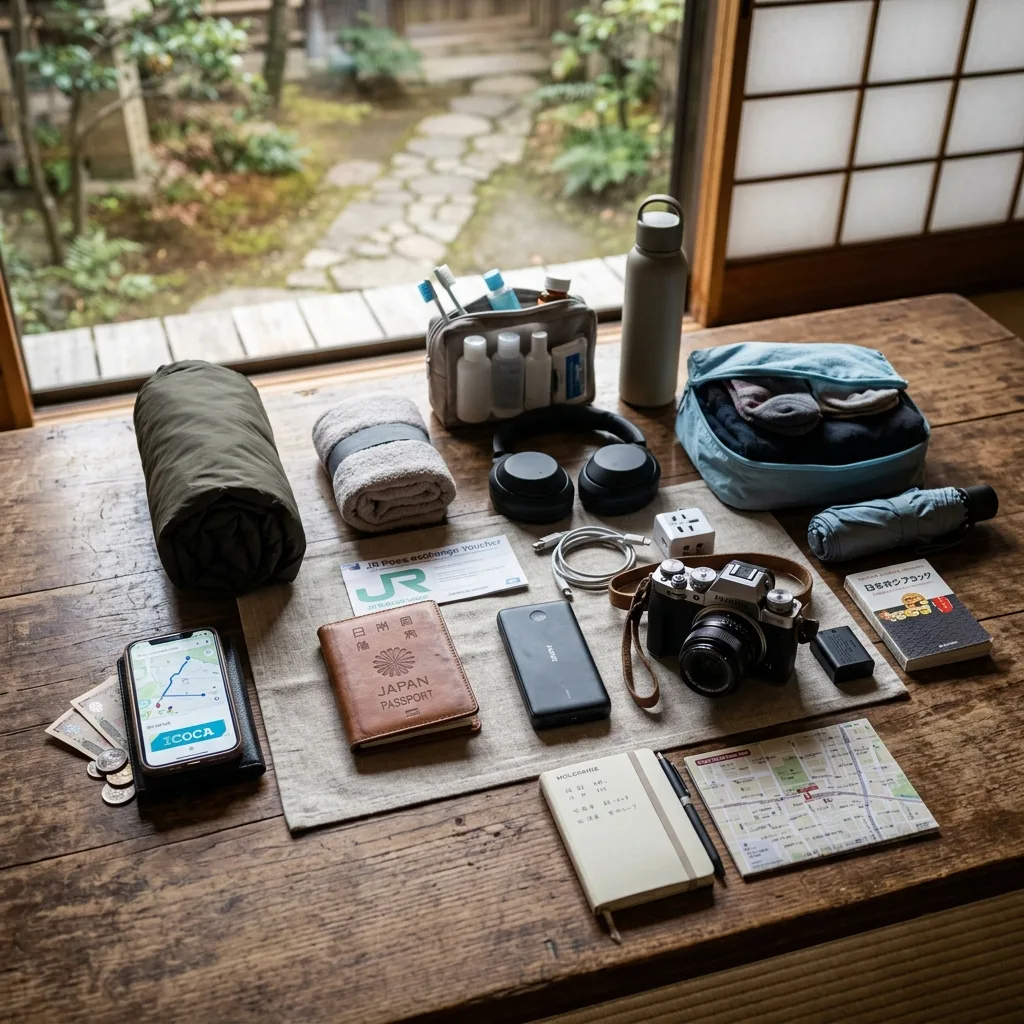
Are you dreaming of exploring the vibrant streets of Tokyo, the serene temples of Kyoto, or the breathtaking landscapes of Hokkaido? Japan offers an unparalleled travel experience, but packing for such a diverse destination can feel overwhelming. Forget the stress of forgotten essentials or unnecessary bulk; this guide will equip you with a meticulously curated packing list, ensuring you’re perfectly prepared for every moment of your Japanese adventure, from bustling city explorations to tranquil nature retreats. For those planning an extended trip to East Asia, you might also find our guide on The Ultimate Seoul Travel Guide: Where to Stay & What to See useful for exploring a neighboring vibrant capital.
Introduction
Japan, a land where ancient traditions gracefully coexist with futuristic innovation, promises an unforgettable journey. However, the unique blend of its climate, cultural norms, and diverse activities means that a well-thought-out packing strategy is crucial. This article serves as your ultimate companion, meticulously detailing everything you’ll need to pack for a stress-free trip to Japan, covering essentials for different seasons, activities, and unexpected situations. We’ll delve into clothing, technology, health, and important cultural considerations, ensuring you're ready for anything this incredible country throws your way.
Understanding Japan's Seasons and Climate
Japan experiences four distinct seasons, each offering a unique charm and requiring different packing considerations. From spring's delicate cherry blossoms to winter's snowy landscapes, each period presents specific clothing and accessory needs. Understanding these seasonal nuances is fundamental to preparing a practical and comfortable wardrobe for a pleasant journey.
Spring (March - May)
Spring in Japan is synonymous with the ephemeral beauty of cherry blossoms (sakura), drawing visitors from around the globe to witness this natural spectacle. While the atmosphere is generally mild and pleasant, the weather can be quite unpredictable, with warm, sunny days often interspersed with cooler periods and occasional rain showers. Temperatures typically range from 10°C to 20°C (50°F to 68°F) across much of Honshu, but can still be chilly in early March and in northern regions.
- Clothing: Layers are absolutely essential. Start with light, breathable base layers, adding long-sleeved shirts, blouses, or light sweaters. A stylish yet practical light jacket or cardigan is perfect for daytime, while a slightly warmer, windproof outer layer is advisable for evenings or cooler days. Don’t forget a waterproof or water-resistant jacket, or a compact, foldable umbrella, as spring showers can appear unexpectedly.
- Footwear: Comfortable, closed-toe walking shoes are paramount. You’ll be doing a lot of exploring, whether it's strolling through parks for sakura viewing, navigating temple grounds, or browsing bustling city streets. Waterproof shoes can also be a bonus for rainy days.
- Accessories: A small, foldable umbrella is a must-have for sudden spring rain. A light scarf can add both warmth and style. Consider a small daypack to carry essentials like water, snacks, a camera, and any layers you shed during the day.
Summer (June - August)
Japanese summer is characterized by high temperatures and intense humidity, particularly in urban centers like Tokyo and Osaka, where temperatures can easily exceed 30°C (86°F). This period also marks the start of the rainy season (tsuyu) in June, followed by the potential for typhoons in late summer (August and September). While challenging, summer offers vibrant festivals (matsuri) and stunning beach experiences.
- Clothing: Prioritize lightweight, breathable fabrics such as cotton, linen, and moisture-wicking synthetics. Pack plenty of short-sleeved shirts, t-shirts, shorts, skirts, and dresses. Loose-fitting clothing will help you stay comfortable. A light, long-sleeved shirt can offer protection from the sun and air-conditioned interiors.
- Footwear: Open-toed sandals or highly breathable sneakers are ideal. Consider footwear that can handle occasional rain or splashes.
- Accessories: Sun protection is crucial: a wide-brimmed hat, sunglasses, and high-SPF sunscreen are non-negotiable. A compact, quick-drying towel can be useful for wiping away sweat. Many locals carry small, portable fans, which are widely available and incredibly helpful. Staying hydrated is paramount; carry a reusable water bottle and refill often. Be prepared for rain with a lightweight umbrella or a waterproof jacket.
Autumn (September - November)
Autumn in Japan is a truly magical time, renowned for its vibrant foliage (koyo) and comfortably crisp weather, making it one of the most popular seasons for tourists. Temperatures are generally mild, ranging from 15°C to 25°C (59°F to 77°F) in early autumn, cooling down to 10°C to 15°C (50°F to 59°F) by late November. The humidity drops significantly compared to summer, offering pleasant conditions for outdoor activities and sightseeing.
- Clothing: Similar to spring, layering remains the golden rule. Begin with long-sleeved shirts or light blouses, adding sweaters, cardigans, or fleece jackets as the day progresses or temperatures drop. A medium-weight jacket (e.g., a trench coat, denim jacket, or light puffer) will be suitable for most days. For cooler evenings, a slightly warmer outer layer might be appreciated.
- Footwear: Comfortable closed-toe shoes are ideal for extensive walking. Consider water-resistant options if you plan to explore nature trails, as there can still be occasional rain, especially in early autumn.
- Accessories: A light scarf is a versatile accessory, providing extra warmth in the evenings and adding a touch of style. A compact umbrella is still a good idea for unexpected showers. A camera is a must-have to capture the stunning autumn colors.
Winter (December - February)
Winter in Japan can be quite cold, especially in the northern regions like Hokkaido and mountainous areas, where heavy snowfall is common and ideal for winter sports. Even in cities like Tokyo and Kyoto, temperatures often hover around freezing, ranging from -2°C to 10°C (28°F to 50°F). Despite the cold, winter offers unique experiences like snow festivals, illuminations, and relaxing in hot springs amidst snowy landscapes.
- Clothing: Layering is paramount to staying warm. Start with thermal underwear or base layers. Add long-sleeved shirts, thick sweaters, and perhaps a fleece jacket. A heavy, insulated, and preferably waterproof winter coat is essential. Consider packing wool socks, gloves or mittens, a warm hat that covers your ears, and a scarf to protect against the biting wind.
- Footwear: Waterproof boots with good insulation and excellent grip are highly recommended, especially if you plan to be in snowy or icy conditions. Your feet will be your best friends during long days of exploring.
- Accessories: Hand warmers (kairo) are widely available and incredibly popular in Japan, offering instant relief from the cold. Lip balm and a good moisturizer will help combat dry winter air. If you're heading to ski resorts or areas with heavy snow, consider bringing appropriate eyewear and additional waterproof gear.
Essential Documents and Money
Ensuring you have all your vital documents and a practical approach to money will alleviate a lot of travel stress.
Travel Documents
- Passport: Ensure it's valid for at least six months beyond your intended stay.
- Visa (if required): Check the latest entry requirements for Japan based on your nationality well in advance of your trip.
- Flight and Accommodation Confirmations: Printouts or digital copies.
- Travel Insurance: Details and emergency contact numbers.
- Driver's License & International Driving Permit (if renting a car): Japan requires an International Driving Permit.
- Copies: Keep digital and physical copies of all important documents in a separate location.
Money Matters
- Japanese Yen (JPY): While Japan is increasingly cashless, having some cash for smaller establishments, vending machines, and local buses is essential. Aim for about ¥10,000-¥20,000 upon arrival.
- Credit/Debit Cards: Visa and MasterCard are widely accepted. Inform your bank of your travel dates to avoid card freezes.
- IC Card (Suica/Pasmo/ICOCA): These rechargeable cards are invaluable for public transport, convenience stores, and some vending machines. You can purchase them at major train stations.
- Money Belt/Secure Pouch: For carrying cash and important documents discreetly.
Clothing Essentials
Beyond seasonal variations, some clothing items are universally useful for a trip to Japan.
Versatile Clothing
- Comfortable Walking Shoes: You will do a lot of walking, especially in cities. Prioritize comfort!
- Socks: Pack enough pairs, including some moisture-wicking ones.
- Underwear: Enough for your trip duration.
- Mix-and-Match Outfits: Neutral colors that can be layered and combined to create multiple looks.
- Pajamas/Sleepwear: For comfort in your accommodation.
- Swimsuit: If you plan on visiting onsens (hot springs) or beaches. Note that many traditional onsens have strict rules regarding tattoos. For those intrigued by unique bathing cultures, learning Ultimate Guide to Jjimjilbang: How to Use a Korean Sauna Like a Local could be an interesting read for future travels to Korea.
Cultural Considerations
- Modesty: While generally liberal, when visiting temples, shrines, or more traditional areas, it’s respectful to wear clothing that covers your shoulders and knees.
- Easy Slip-On Shoes: Many establishments, especially ryokans, traditional restaurants, and some temples, require you to remove your shoes.
Health and Hygiene
Staying healthy and clean on the go is easy with these items.
Personal Medications
- Prescription Medications: Bring enough for your entire trip, along with a copy of your prescription and a doctor’s note explaining their necessity. Keep them in their original containers.
- Over-the-Counter Basics: Pain relievers, allergy medication, antacids, and any other personal essentials.
Toiletries
- Travel-sized Toiletries: Shampoo, conditioner, soap, toothpaste, toothbrush. While many hotels provide these, having your preferred brands can be comforting.
- Hand Sanitizer: Especially useful before meals or after using public transport.
- Tissues/Wet Wipes: Always handy.
- Feminine Hygiene Products: Pack what you need, though they are readily available in Japan.
Technology and Gadgets
Stay connected, capture memories, and navigate with ease.
Connectivity
- Portable Wi-Fi Device (Pocket Wi-Fi) or SIM Card: Essential for navigation, translation, and staying connected. You can pre-order these for pickup at the airport.
- Power Bank: Keep your phone and other devices charged throughout the day.
- Universal Travel Adapter: Japan uses Type A and B sockets (two flat pins or two flat pins with a round grounding pin) with 100V voltage. If your devices operate on a different voltage, you'll also need a voltage converter.
- Charging Cables: For all your electronics.
Photography and Entertainment
- Camera and Accessories: Extra batteries, memory cards.
- Smartphone: Download essential apps like Google Maps, Google Translate, and navigation apps for public transport.
- Headphones: For long journeys or simply enjoying your music. For travelers interested in immersive cultural experiences, especially in urban centers, consider exploring opportunities like Attending a K-Pop Concert in Korea: A Traveler's Practical Guide to witness the dynamic music scene.
- E-reader/Book: For downtime.
Miscellaneous and "Good to Have" Items
These items might not be crucial but can significantly enhance your travel experience.
- Small Backpack/Day Bag: For daily excursions, carrying water, snacks, and souvenirs.
- Foldable Shopping Bag: Japan is very eco-conscious, and plastic bags are often charged for.
- Reusable Water Bottle: Stay hydrated and reduce plastic waste. Many public places have water fountains.
- Snacks: While Japanese convenience stores are incredible, having a few familiar snacks can be comforting.
- Pen and Small Notebook: For jotting down notes, addresses, or practicing a few Japanese phrases.
- Eye Mask and Earplugs: Especially useful for light sleepers or long flights/train rides.
- Travel Pillow: For comfort during transit.
- Small Gift (Omiyage): If you anticipate meeting locals or staying with friends, a small gift from your home country is a thoughtful gesture.
Practical Guide
Navigating Japan with a well-packed bag makes all the difference.
Luggage Forwarding Services
Japan's "Takkyubin" (宅急便) or luggage forwarding service is a traveler's best friend, especially for those with multi-city itineraries or heavy bags. This efficient and reliable door-to-door delivery system allows you to send your large suitcases directly from the airport to your hotel, between hotels, or even to a different airport, often with next-day delivery. This frees you up to travel lighter on public transport, explore cities unencumbered, and truly enjoy your journey without the hassle of dragging heavy luggage.
- How it Works: You can typically arrange Takkyubin services at major international airports (like Narita or Haneda), convenience stores (7-Eleven, FamilyMart, Lawson), or through your hotel's front desk. Simply fill out a form, specify your delivery date, and your luggage will be collected and transported.
- Cost & Booking: Prices vary based on the size and weight of your luggage, and the distance of delivery, but generally range from ¥1,500 to ¥3,000 per bag. It's an incredibly reasonable price for the convenience offered. It’s advisable to arrange delivery a day or two in advance, especially for longer distances, to ensure your luggage arrives when you do. Some services also offer same-day delivery for nearby locations.
- Key Providers: Yamato Transport (often recognized by its black cat logo) and Sagawa Express are the two largest and most widely used Takkyubin services.
Coin Lockers
When exploring a city for a few hours before checking into your hotel, or during a layover, Japan’s extensive network of coin lockers offers an incredibly convenient solution for temporary luggage storage. These lockers are ubiquitous and can be found in almost all train stations, subway stations, bus terminals, and many major tourist attractions and shopping centers across the country.
- Sizes and Costs: Coin lockers come in various sizes, from small ones suitable for a daypack to large ones that can accommodate a full-sized suitcase. Prices typically range from ¥300 to ¥800 per day, depending on the size and location. Most lockers operate on a 24-hour basis, charging per day or per 24-hour period.
- How to Use: Older lockers might require actual coins (¥100 coins are common), while newer, more modern ones often accept IC cards (like Suica or Pasmo) or even credit cards, and might feature multi-language touchscreens. It's always a good idea to have some ¥100 coins handy just in case.
- Finding Them: Look for signs that say "コインロッカー" (koin rokkā) or simply "Lockers." They are usually located near ticket gates, main exits, or in dedicated locker areas. Popular tourist spots and major transport hubs might have dozens, sometimes hundreds, of lockers available.
What to Buy in Japan (and not pack)
One of the joys of traveling is discovering local products, and Japan offers a treasure trove of high-quality, unique, and often practical items that you might consider buying there rather than packing from home. This approach can also save you luggage space and weight.
- High-Quality Toiletries and Cosmetics: Japan is renowned for its advanced beauty and personal care industry. Drugstores like Matsumoto Kiyoshi, Don Quijote, and Loft are filled with innovative skincare, cosmetics, sunscreens, and personal hygiene products that are often superior in quality and more affordable than their international counterparts. Consider buying items like face masks, specialized cleansers, unique bath products, or specific beauty tools upon arrival.
- Unique Souvenirs and Gifts: Japan is a paradise for souvenir shopping, offering everything from traditional crafts like ceramics, textiles, and stationery, to quirky pop culture items, delicious regional snacks (omiyage), and high-quality electronics. Leave ample space in your luggage to bring back unique finds that truly capture your travel memories.
- Seasonal Fashion and Practical Apparel: If you find yourself in need of specific seasonal clothing, or simply want to embrace local fashion trends, Japan has a vast array of clothing stores. Fast fashion retailers like Uniqlo and GU offer affordable and stylish basics, often tailored to the local climate. Specialty shops can provide functional outdoor gear if you decide to undertake an impromptu hike. Buying some items locally can ensure you're dressed appropriately for the season and blend in with the local style.
- Snacks and Drinks: While having a few familiar snacks from home can be comforting, Japanese convenience stores (konbini) and supermarkets offer an incredible variety of delicious and unique snacks, drinks, and ready-to-eat meals. Explore local flavors rather than dedicating luggage space to packaged goods.
Tips & Common Mistakes
Avoid common pitfalls and travel like a seasoned Japan expert.
Don't Overpack
This is arguably the most common packing mistake travelers make, and in Japan, it can be particularly burdensome. With extensive public transportation networks, many staircases in stations, and compact hotel rooms, less luggage truly means more freedom. Overpacking not only makes transit difficult but also leaves less room for the wonderful souvenirs you're sure to acquire.
- Laundry Facilities: Embrace the availability of laundry facilities. Many accommodations, from hostels to mid-range hotels and even some Airbnb rentals, offer self-service laundry rooms. Planning to do a load or two of laundry during your trip can significantly reduce the amount of clothing you need to pack, allowing you to bring fewer outfits and lighter bags.
- Convenience Stores (Konbini): Japanese convenience stores like 7-Eleven, FamilyMart, and Lawson are miniature lifesavers. They are ubiquitous, open 24/7, and offer an astonishing array of products beyond just food and drinks. You can find everything from emergency toiletries (like toothbrushes, travel-sized skincare, and feminine hygiene products) to simple clothing items (socks, underwear, t-shirts), umbrellas, and even basic electronics. If you forget something, chances are a konbini nearby will have it, eliminating the need to pack for every conceivable contingency.
Footwear is King
This cannot be stressed enough: comfortable and practical footwear will make or break your Japan trip. You will do an immense amount of walking, whether navigating vast train stations, exploring sprawling temple complexes, or simply soaking in the atmosphere of vibrant city districts. Prioritizing comfort over style in your shoe choices is a decision your feet will thank you for endlessly.
- Comfort over Style: Seriously, your feet will thank you. Cobblestone streets, extensive walking, and reliance on public transport where you might stand for long periods mean comfortable, supportive shoes are non-negotiable. Bring at least two comfortable pairs of broken-in walking shoes or sneakers. This allows you to alternate pairs, preventing blisters and providing different support if one pair gets wet.
- Easy Slip-On/Off: As mentioned in Cultural Considerations, you'll frequently remove your shoes when entering homes, certain restaurants, ryokans, and many temples. Shoes that are easy to slip on and off will save you a lot of time and effort, and prevent awkward fumbling at entrances.
- Weather-Appropriate: Consider the season. Waterproof shoes are a godsend during rainy seasons (spring, early summer, and autumn) and essential for winter snow. Breathable options are crucial for summer heat and humidity.
Be Mindful of Cultural Etiquette
Respecting local customs is key to a smooth and enjoyable trip in Japan. While Japanese people are generally very forgiving of foreigners' unintentional blunders, making an effort to understand and adhere to basic etiquette shows respect and can significantly enhance your experience.
- Noise: Japan values tranquility and consideration for others, especially in public spaces. Keep noise levels low on public transport, in restaurants, and in shared accommodations. Avoid loud conversations on your phone.
- Eating/Drinking: Unlike many Western cultures, eating or drinking while walking in public is generally frowned upon in Japan. It’s considered polite to finish your food or drink in a designated area (like a cafe, restaurant, or next to a vending machine) before continuing your journey.
- Tipping: Tipping is not customary in Japan. In fact, offering a tip can sometimes be seen as rude or confusing, implying that the service was insufficient. Excellent service is simply expected and included in the price.
- Garbage: Public trash cans are surprisingly rare in Japan, a consequence of past events and a strong emphasis on personal responsibility. It’s common for people to carry their trash with them until they can dispose of it at home or in a designated recycling bin at a convenience store or train station. Carry a small bag for your trash until you find an appropriate disposal point.
- Queuing: Japanese society is highly ordered, and queuing is a respected practice. Whether for trains, buses, shops, or attractions, always form an orderly line and wait patiently for your turn.
- Onsen/Public Bath Etiquette: If you plan to visit an onsen or public bath, familiarize yourself with the rules beforehand. This typically includes showering thoroughly before entering the bath, tying up long hair, and being mindful of tattoos (some establishments prohibit them or require them to be covered).
FAQ
What are the visa requirements for Japan in 2026?
Visa requirements for entry into Japan depend entirely on your nationality and the intended duration and purpose of your stay. As of 2026, many countries, including the United States, Canada, the United Kingdom, Australia, New Zealand, and most European Union member states, have visa-exempt agreements with Japan for short-term tourist stays, typically allowing visits of up to 90 days. During these visa-free periods, you generally cannot engage in paid activities.
However, it is absolutely crucial to verify the specific and most current entry requirements that apply to your passport before you travel. Immigration policies can change, and what was valid last year might not be in 2026. Always consult the official website of the Ministry of Foreign Affairs of Japan or your local Japanese embassy or consulate well in advance of your trip. They will provide the most accurate and up-to-date information regarding visa necessities, required documents, and any specific health or entry declarations that might be in effect. Planning ahead ensures a smooth entry into the country.
Can I drink tap water in Japan?
Yes, absolutely! Tap water in Japan is widely regarded as safe, clean, and of excellent quality across the entire country, including major cities and rural areas. Japanese water infrastructure and purification standards are among the highest in the world, meaning you can confidently drink directly from the tap or public fountains without any concerns about waterborne illnesses.
Carrying a reusable water bottle is not only a great way to stay hydrated throughout your travels but also an eco-friendly practice that helps reduce plastic waste. Many public facilities, parks, temples, and train stations have water fountains where you can easily refill your bottle. This also offers a significant cost saving, as bottled water can add up over the course of a trip. Enjoy the refreshing taste of Japanese tap water and contribute to sustainable tourism!
Is Wi-Fi readily available in Japan?
While Japan is a technologically advanced nation, widespread, free, and consistent Wi-Fi can sometimes be less prevalent than travelers expect, especially outside of major city centers or dedicated tourist areas. Many hotels, cafes, and some public spaces do offer free Wi-Fi, but the connection might not always be strong, reliable, or secure enough for your needs.
For truly reliable connectivity throughout your trip, especially for navigation, translation apps, looking up train schedules, or staying in touch with loved ones, a portable Wi-Fi device (often called "pocket Wi-Fi") or a local SIM card is highly recommended. These can be pre-ordered online for pickup at major international airports upon arrival, or rented directly from kiosks. They offer secure, high-speed internet access wherever you go, ensuring you're always connected. Alternatively, if your phone supports eSIM, many providers offer data plans specifically for tourists, which can be activated digitally before you even land.
How much cash should I carry?
Despite its reputation for technological advancement, Japan remains a society where cash is king in many situations. While major cities and larger establishments (department stores, chain restaurants, and hotels) increasingly accept credit cards (Visa and MasterCard are most widely accepted), many smaller shops, local eateries, traditional inns (ryokan), vending machines, and even some public transportation options still operate on a cash-only basis.
It's advisable to carry a moderate amount of Japanese Yen (JPY) at any given time, perhaps around ¥10,000-¥20,000 (roughly $70-$140 USD, though exchange rates fluctuate). This ensures you're prepared for purchases at smaller vendors or in more rural areas where card payments might not be an option. Don't worry about carrying too much; Japan is one of the safest countries in the world, and petty crime is extremely rare.
You can easily withdraw cash from ATMs found in 7-Eleven convenience stores (labeled "7-Bank"), Japan Post Bank ATMs (found in post offices), and some international bank ATMs. These are generally reliable and support foreign cards. Always inform your bank of your travel dates to avoid any card freezes due to suspicious activity.
Are tattoos an issue in Japan?
Historically, tattoos have carried a strong association with organized crime (yakuza) in Japan, leading to a lingering stigma. As a result, many public establishments, particularly traditional ones, maintain policies that prohibit or restrict tattooed individuals. This commonly applies to onsens (natural hot springs), public baths (sento), some swimming pools, gyms, and even certain beaches.
While this perception is slowly changing, especially among younger generations and in more tourist-heavy areas, it's prudent for travelers with tattoos to be aware and prepared. If you have visible tattoos and plan to visit such establishments, it's recommended to:
- Research Specific Establishments: Before visiting an onsen or public bath, check their official website or call ahead to inquire about their tattoo policy. Some modern or tourist-focused facilities may be more lenient.
- Utilize Private Onsens: Many ryokans (traditional Japanese inns) offer private onsens or family baths that can be booked, allowing tattooed guests to enjoy the experience without concern.
- Cover Up: For smaller tattoos, carrying waterproof bandages or skin-colored tape to cover them can often suffice.
- Be Discretionary: In general public settings, simply keeping tattoos covered can help avoid any potential misunderstandings or discomfort for locals.
The key is to approach the situation with respect for local customs, and you’ll find that enjoying Japan with tattoos is entirely manageable.
Conclusion
Packing for Japan doesn't have to be a daunting task. By considering the season, understanding cultural nuances, and prioritizing comfort and practicality, you can craft a packing list that ensures a smooth, enjoyable, and truly unforgettable journey. From navigating bustling cityscapes to finding tranquility in ancient temples, being well-prepared allows you to fully immerse yourself in the magic of Japan. So, grab your meticulously packed bag, and get ready to create memories that will last a lifetime in the Land of the Rising Sun!