Nagoya in a day: castle, Atsuta Shrine, and the food in between

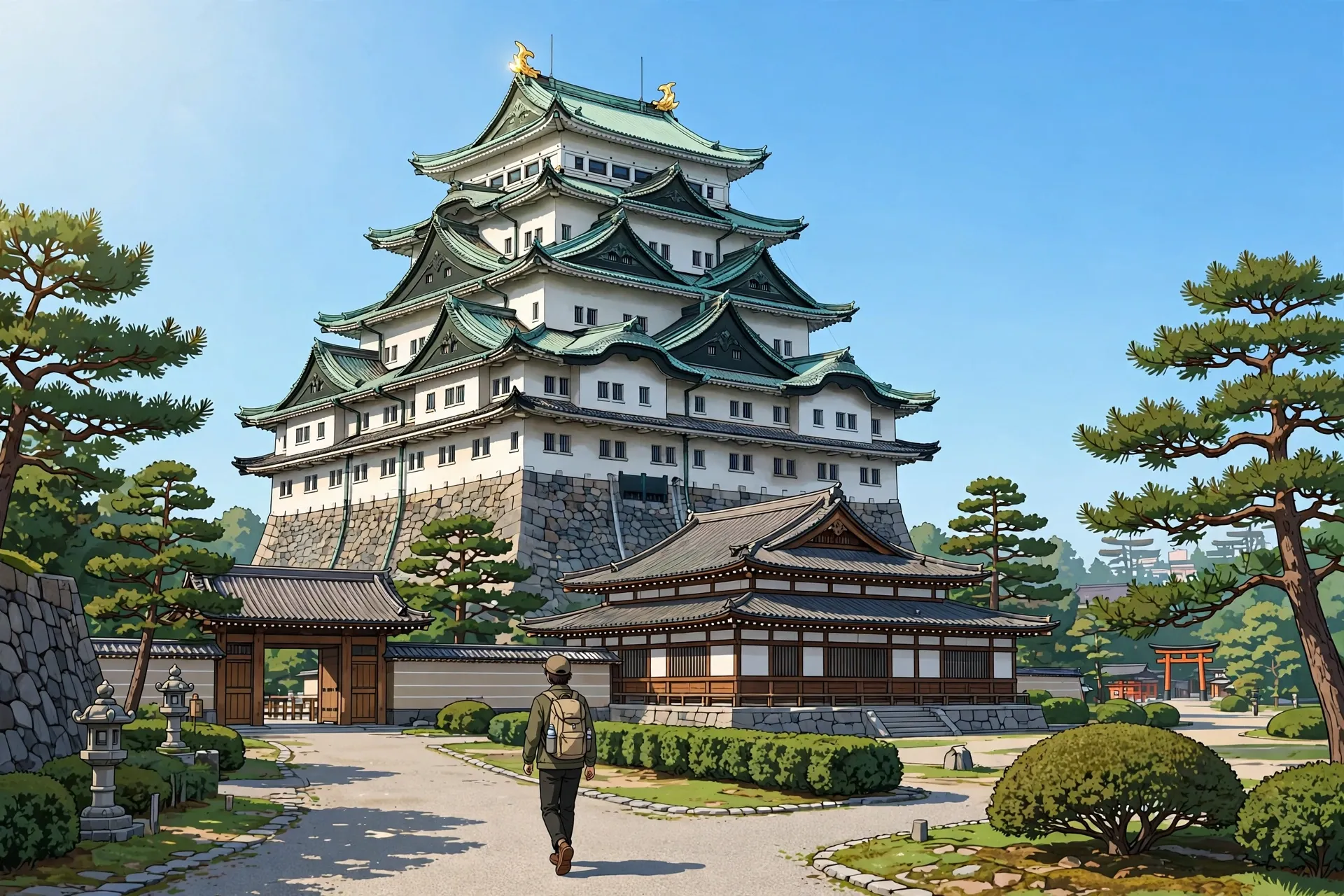
Yes, one day in Nagoya covers the castle, Atsuta Shrine, and the city's signature food — as long as you know what is actually open. The castle keep has been closed to entry since 2018, so the castle visit centers on the grounds and the reconstructed Hommaru Palace, not the tower. The shrine grounds are open around the clock and free, which makes the afternoon flexible. Start at the castle in the morning, take the subway to Atsuta Shrine in the afternoon, eat hitsumabushi near the shrine, and finish with tebasaki in Sakae in the evening. That order puts each meal next to the stop it belongs to, and it fits the opening hours at both sites without rushing.
Start at Nagoya Castle: what is open and what is not
Nagoya Castle is open 9:00 a.m. to 4:30 p.m., with entry to the castle grounds until 4:00 p.m. and last admission to the Hommaru Palace and the Nishinomaru Okura Museum at 4:00 p.m. It is closed December 29 to January 1. Adult admission is 1,000 yen, junior high school students and younger enter free, and Nagoya City residents aged 65 and over pay 300 yen.
The main keep is view-only. It has been closed to entry since 2018 on earthquake-safety grounds, so do not plan your morning around going inside the tower. What you can enter is the Hommaru Palace, a faithful reconstruction, and the Ninomaru garden is part of the grounds visit. The castle is a 5-minute walk from Nagoyajo Station on the Meijo subway line.
Go in the morning because the 4:00 p.m. last admission is a hard stop: arrive after it and the palace is closed to you even though the grounds stay open until 4:30 p.m.
Atsuta Jingu: the shrine and its treasure hall
Atsuta Jingu is the flexible half of the day. The shrine grounds are open 24 hours and free to enter, so the shrine itself never forces a schedule. The Treasure Hall is the part with hours: it is open 9:00 a.m. to 4:30 p.m. with last admission at 4:10 p.m., and it is closed on the last Wednesday of the month and the following day, and from December 25 to December 31.
If the Treasure Hall is on your list, treat it like the castle palace — arrive well before 4:10 p.m. If it is not, the shrine works at any hour, including an early evening walk after the castle closes. Published sources disagree on the Treasure Hall admission, so this guide states no figure for it; check the current price at the hall before you go.
Getting between the castle, the shrine, and Nagoya Station
Everything runs on the subway and JR, and the rides are short. From Nagoya Station the castle is about 10 minutes by subway — Higashiyama Line to Sakae, then the Meijo Line — for 240 yen. From the castle to Atsuta Jingu by subway takes about 29 to 34 minutes and costs 240 to 260 yen.
From Nagoya Station to Atsuta Shrine, the fastest option is about 6 minutes by JR to Atsuta Station; by subway it is about 20 minutes to Atsuta-Jingu-Nishi Station. In practice, that means you can base yourself at Nagoya Station, reach the castle in about 10 minutes, and reach the shrine in under half an hour from the castle. No leg of the day needs a taxi or a bus plan.
What to eat between the two stops: Nagoya meshi
Nagoya meshi is the city's regional food built around hatcho miso, and the five dishes to know are miso katsu, tebasaki, hitsumabushi, kishimen, and miso nikomi udon. Miso katsu is a breaded pork cutlet with miso sauce, tebasaki are double-fried chicken wings eaten at izakayas in the evening, and hitsumabushi is grilled eel over rice eaten three ways: plain, with condiments, then as ochazuke with tea poured over.
Match each dish to the stop nearest to it. Atsuta Horaiken is the restaurant most associated with hitsumabushi, near Atsuta Shrine, with hitsumabushi around 4,950 yen per person including soup and pickles; it is walk-in only for the standard menu and queues form, so go straight from the shrine rather than leaving it for later. Yabaton in Yabacho is the best-known miso katsu restaurant, and Furaibo in Sakae is where the Nagoya tebasaki style originated — that is the evening stop, since tebasaki belong to izakaya hours.
A one-day order that works
Morning: Nagoya Castle from opening, palace first, then the grounds and garden. Midday: subway toward Atsuta, about 29 to 34 minutes. Afternoon: Atsuta Jingu, with the Treasure Hall before its 4:10 p.m. last admission if you want to see it. Then hitsumabushi at Atsuta Horaiken near the shrine, while the queue is still manageable. Evening: back toward central Nagoya for tebasaki at Furaibo in Sakae, which is where the dish is an evening meal, not a lunch stop.
If your Japan trip includes a baseball game, the guide to buying Japan baseball tickets as a foreigner explains the booking options before you go.