Gwangju Biennale: Korea's Premier International Art Festival Guide

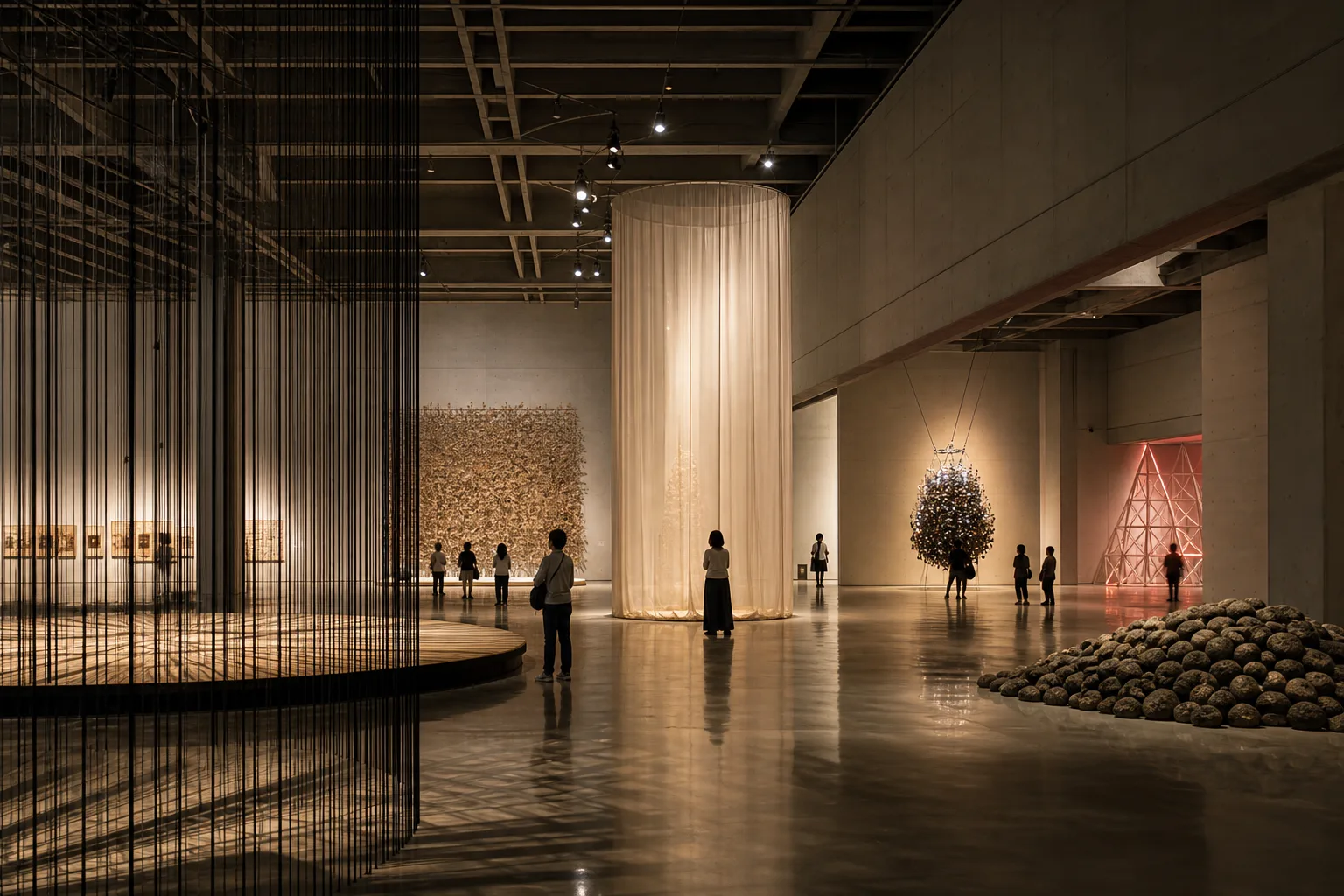
If you are trying to decide whether the Gwangju Biennale deserves a place on your Korea itinerary, the short answer is yes, but only if you plan it like a major cultural trip rather than a casual museum stop. The event is not just a large exhibition. It is the most important recurring international art festival in Korea, and the 16th edition is now officially scheduled for September 5 to November 15, 2026. With the right timing, a little transport planning, and a clear sense of what the Biennale is actually for, you can turn a one-off visit into the centerpiece of a full Gwangju art and culture stay.
Introduction
The Gwangju Biennale is Korea's highest-profile international contemporary art festival, but travelers still approach it the wrong way. They treat it like a single museum visit, then leave feeling rushed, underprepared, or unsure how to fit it into a wider trip. The better approach is to treat the Biennale as a destination with its own pacing, logistics, and cultural context. That framing helps you decide when to go, how much time to leave yourself, and what else to pair with the visit.
The 16th edition is set to open in September 2026 under artistic director Ho Tzu Nyen, and that matters because the curatorial tone shapes everything from how dense the exhibition feels to what kind of visitor it will reward most. If you want to understand the Biennale before you arrive, think of it as a city-scale art event rooted in Gwangju's political history, but connected to a much wider international conversation.
What Makes the Gwangju Biennale Different
The Gwangju Biennale is not a generic art fair and it is not a single-venue museum show. It is a major recurring exhibition platform that places contemporary art in conversation with Gwangju's democratic legacy, local identity, and international cultural exchange. That mix gives the event a tone that is more reflective and historically grounded than many other festival-style art events in Asia.
In practical terms, that means the Biennale rewards visitors who are interested in more than spectacle. You do not need to be a specialist to enjoy it, but you do need enough time to look around, read the framing, and let the exhibitions unfold. Visitors who arrive expecting only quick visual impact can miss the deeper value, which often lies in curatorial argument, regional context, and the way the whole city becomes part of the experience.
A biennale rooted in place
One reason the Gwangju Biennale stands out is that its identity is not detachable from the city. Founded in 1994, it was established to commemorate the May 18 Gwangju Democratization Movement and the 50-year anniversary of Korea's liberation. That history still shapes the event's public meaning. The result is a festival that feels connected to civic memory, not just to the global art calendar.
That place-based identity also changes the way you should visit. If you are coming from Seoul or another Korean city, it is worth thinking of the Biennale as an anchor for a Gwangju itinerary, not a detour. Once you are there, you can build around galleries, food, neighborhood walks, and other cultural stops instead of trying to squeeze the whole experience into a single compressed afternoon.
Why the 16th edition matters
The 16th Gwangju Biennale is particularly worth watching because it arrives with a clearly stated international profile and a director known for multidisciplinary practice. According to the foundation, Ho Tzu Nyen was appointed to lead the 2026 edition, which is scheduled to run from September 5 through November 15, 2026. That gives the event both continuity and a fresh curatorial direction, which is exactly what repeat visitors want from a biennale.
For travelers, this matters because biennales often succeed or fail on curation. A strong edition gives you enough coherence to understand the theme while still leaving room for discovery. A weak edition feels like a series of unrelated rooms. The Gwangju Biennale generally avoids that problem by tying the exhibition to the city and to long-running questions about democracy, identity, and artistic collaboration.
How to Read the 2026 Edition
Before you make a trip around the Biennale, it helps to think about what kind of art event you are walking into. The 2026 edition now has official dates, but the final exhibition layout, ticket structure, and daily operating rhythm may still evolve. Even so, the public signals already tell you enough to plan intelligently.
The official foundation announcement confirms the 16th Biennale for September 2026 and names Ho Tzu Nyen as artistic director. That suggests a program likely shaped by film, media, installation, and interdisciplinary thinking, rather than by a narrow medium-specific hang. If you enjoy exhibitions that blend image, sound, text, and spatial design, you should expect this edition to reward curiosity and slow looking.
Curatorial tone and visitor experience
An artistic director's background matters because it influences how the exhibition is paced. A media artist and filmmaker tends to value montage, narrative tension, and the relationship between image and environment. That often translates into exhibitions that are immersive but intellectually demanding, so you should not plan a hurried in-and-out visit if you want the experience to make sense.
The safest assumption is that the Biennale will continue to balance large-scale installations with interpretive material and context-heavy programming. That means your visit will likely be better if you arrive rested, keep your first day in Gwangju relatively light, and reserve enough attention for the exhibition itself. The best visitor experience is not about checking off every room. It is about being able to stay alert long enough to see patterns form.
Who will get the most out of it
The Biennale is especially strong for three kinds of travelers. First, art-focused visitors who want a major exhibition outside Seoul. Second, culture travelers who enjoy understanding a city through its institutions, not just its restaurants and neighborhoods. Third, planners who prefer to make one cultural anchor the center of a broader regional trip.
That third group is often the most satisfied. If you already like building travel around exhibitions, festivals, and themed routes, the Biennale gives you a reason to stay in Gwangju longer than you otherwise would. It also pairs well with a larger South Korea route, especially if you are already moving through Seoul, the southwest, or the southern coast. For a broader route structure, The Ultimate 10-Day South Korea Itinerary for First-Timers is the easiest way to see how Gwangju can fit into a multi-city plan without making the trip feel overstuffed.
How it compares to other art trips
If your frame of reference is museum-hopping in Seoul, the Biennale will feel more event-like and more thematic. It is less about permanent collections and more about temporary argument. That makes it different from a typical city gallery day. To understand how it fits into the country's broader art landscape, it helps to compare it with a permanent museum route like Best Art Museums and Galleries in Seoul and Beyond: A Complete Guide. Use that as the stable museum side of your trip, then use the Biennale as the temporary, high-intensity centerpiece.
Practical Guide
The practical side of the Gwangju Biennale is straightforward if you separate what is already official from what will be finalized later. As of June 8, 2026, the official foundation pages confirm the venue, directions, and parking information for the Gwangju Biennale Exhibition Hall, but the final 2026 admission table and precise opening hours should still be checked on the official visitor-information pages before you travel.
Hours and admission
Do not assume the same hours as a museum or a small gallery. Biennale schedules often include opening-period adjustments, extended hours, holiday exceptions, or special program blocks. The official site already keeps separate visitor-information pages for exhibition logistics, which is the right place to verify the final details close to opening.
For planning purposes, budget a half-day minimum and a full day if you want to read the exhibition properly. If the 2026 edition follows the pattern of previous Gwangju Biennale programming, you may want to leave extra time for installation-heavy rooms, talk events, and any off-site components. A rushed 90-minute stop is usually too short for a festival of this scale.
On prices, the key point is simple: wait for the official 2026 ticket announcement rather than guessing from older editions or other Korean art events. Biennale pricing can vary by edition, by special program, and by whether there are joint passes or free-entry components. The safest visitor habit is to check the official site in the final weeks before your trip and avoid building your transport booking around an assumed ticket price.
If you prefer to buy everything in one place, this is also where travel booking platforms can help with the parts that are actually bookable in advance. Use Klook or a similar platform for transport, rail passes, or city add-ons if you are turning the Biennale into a larger trip, but rely on the official foundation for exhibition admission details.
How to get there
The official visitor-information page lists the Gwangju Biennale Exhibition Hall at 111 Biennale-ro, Buk-gu, Gwangju. It also identifies a nearby parking lot at 399-2 Maegok-dong, Buk-gu, roughly a 10-minute walk from the hall, plus accessible parking at the entrance. That is enough to help you decide whether to arrive by taxi, local bus, or car.
If you are coming from Seoul, the simplest strategy is usually to take KTX or another intercity rail option to Gwangju, then transfer to local transport or a taxi for the final leg. The station-to-venue connection is usually easier if you are traveling light. If you are bringing a family group or visiting on a very hot or rainy day, a taxi from the city center may be the better tradeoff even if it costs more.
For visitors already in Gwangju, the venue is easier if you think in neighborhood terms rather than tourist terms. Keep the Biennale as the main anchor, then group nearby art, food, or cafe stops around it. That way you minimize backtracking and reduce the chance of burning half your day on transfers.
Booking and planning strategy
You usually do not need a complicated reservation system just to understand the Biennale, but you do need a timing strategy. The best approach is to decide whether you are going for one of three modes: a quick cultural stop, a half-day art visit, or a full Gwangju weekend.
If you choose the quick-stop mode, arrive early, identify the core exhibition first, and keep secondary plans flexible. If you choose the half-day mode, build in a lunch break and one nearby coffee or gallery stop. If you choose the weekend mode, book accommodations early enough to give yourself a slower pace and a better chance of attending talks or related programming.
The mistake many travelers make is waiting until they are physically in the city to figure out what they want to see. That often leads to fatigue and decision overload. Instead, decide in advance whether the Biennale is your main event or one stop among many. Once that is clear, the rest of the logistics become much easier.
Tips & Common Mistakes
The most useful Biennale advice is usually about behavior, not facts. People who have a better time are not necessarily more knowledgeable about contemporary art. They are simply more prepared to visit in the right way.
If you are building a broader festival-and-culture route in Korea, it can help to compare pacing and logistics with a very different event like Boryeong Mud Festival: The Ultimate Survival Guide. The contrast is useful: one trip is physically chaotic and social, the other is contemplative and exhibition-driven. Thinking in those terms helps you choose better expectations.
What most first-time visitors miss
The first mistake is underestimating time. A biennale is not a museum room you can scan and leave. It is an accumulation of spaces, texts, and transitions. If you arrive with a commuter mindset, you will leave feeling like you "saw something" but did not really understand it. Slow down enough to notice the structure of the exhibition.
The second mistake is treating the visit as if it were isolated from the city. Gwangju is part of the meaning here. The Biennale was founded in a city with a powerful political memory, and that memory is one of the reasons the event matters internationally. If you ignore the local context, you lose part of the point.
The third mistake is planning the Biennale as your last stop of the day. Contemporary art asks for attention. If you are already exhausted from a long transit day, you will have less patience for interpretation and less energy for the details that make a show memorable. Put the Biennale at a time when you can still think clearly.
How to avoid a rushed visit
The simplest fix is to keep your schedule looser than you think you need. Leave a buffer before and after the visit, especially if you are traveling from Seoul or using intercity rail. Then use that extra time for food, a neighborhood walk, or a second cultural stop rather than for more transit.
It also helps to decide in advance what kind of visitor you are. If you are the type who reads every wall text, you may need a longer block of time and a quieter afternoon. If you prefer atmosphere over text, you can move more quickly but should still give yourself a genuine pause in the middle of the experience. The Biennale is better when you pace yourself.
Smart traveler habits
Bring water, charge your phone, and keep your day bag light. Art festivals are much more pleasant when you are not juggling too many personal items. If you are combining the Biennale with other city sights, pick one or two additional stops rather than trying to turn the whole day into a marathon.
Also, check whether any special programs, talks, or collateral events are open on the day you plan to go. Sometimes the most memorable part of a biennale visit is not the main exhibition hall but an adjacent conversation, screening, or temporary presentation. Those moments are easier to enjoy if your schedule has breathing room.
FAQ
When does the 16th Gwangju Biennale open?
The official foundation announcement says the 16th Gwangju Biennale is set to open in September 2026. If you are traveling specifically for the event, plan around that month rather than assuming an exact week too early. Final exhibition schedules and public-program calendars may still be updated closer to opening.
Where is the main venue?
The official visitor-information page lists the Gwangju Biennale Exhibition Hall at 111 Biennale-ro, Buk-gu, Gwangju. The foundation also provides parking information and accessible parking details for the venue entrance, which is useful if you are arriving by car or by taxi from elsewhere in the city.
Do I need to reserve tickets in advance?
That depends on the final 2026 ticketing setup. At the time of writing, the official public pages confirm the venue and visitor-information sections, but the exact admission process for the 2026 edition should be checked closer to opening. If advance booking becomes available, it is worth securing a time slot early if you have a tight itinerary.
How much time should I spend there?
At minimum, plan for half a day. If you care about contemporary art, reading curatorial framing, or attending side programs, a full day is more realistic. If you are combining the Biennale with food stops and other attractions, consider making Gwangju an overnight stay rather than a same-day dash.
Is it worth combining the Biennale with other Korean travel?
Yes, especially if you are already planning a route through Seoul, the southwest, or the southern coast. The Biennale works best when it is part of a well-paced trip rather than an isolated add-on. If you need a broader structure, use the same South Korea itinerary guide you used while planning the rest of the trip and then slot Gwangju into the part of the route where you have enough energy for a major cultural day.
Conclusion
The Gwangju Biennale is one of the best reasons to build a Korea trip around contemporary art rather than around checklist sightseeing alone. It has the scale of a major international festival, the specificity of a city with real historical weight, and the flexibility to fit into both short and extended itineraries. That combination is rare and worth planning for.
If you want the best version of the visit, do not treat it like a quick photo stop. Give yourself enough time to understand the curatorial direction, check the official visitor information before you go, and build the rest of your Gwangju plan around the Biennale rather than around transit convenience. That approach turns the event into a meaningful travel anchor instead of just another place you passed through.
For travelers who care about both art and logistics, that is the real value of the Biennale. It is not only a major exhibition. It is a reason to slow down, stay longer, and see another side of Korea through a city that has helped shape the country's cultural conversation. If you want to expand the art side of your route afterward, pair it with the museum guide mentioned earlier and then decide whether your next stop should be another museum day or a more playful festival stop.