Comiket and Anime Convention Travel: Japan's Biggest Fan Events Guide

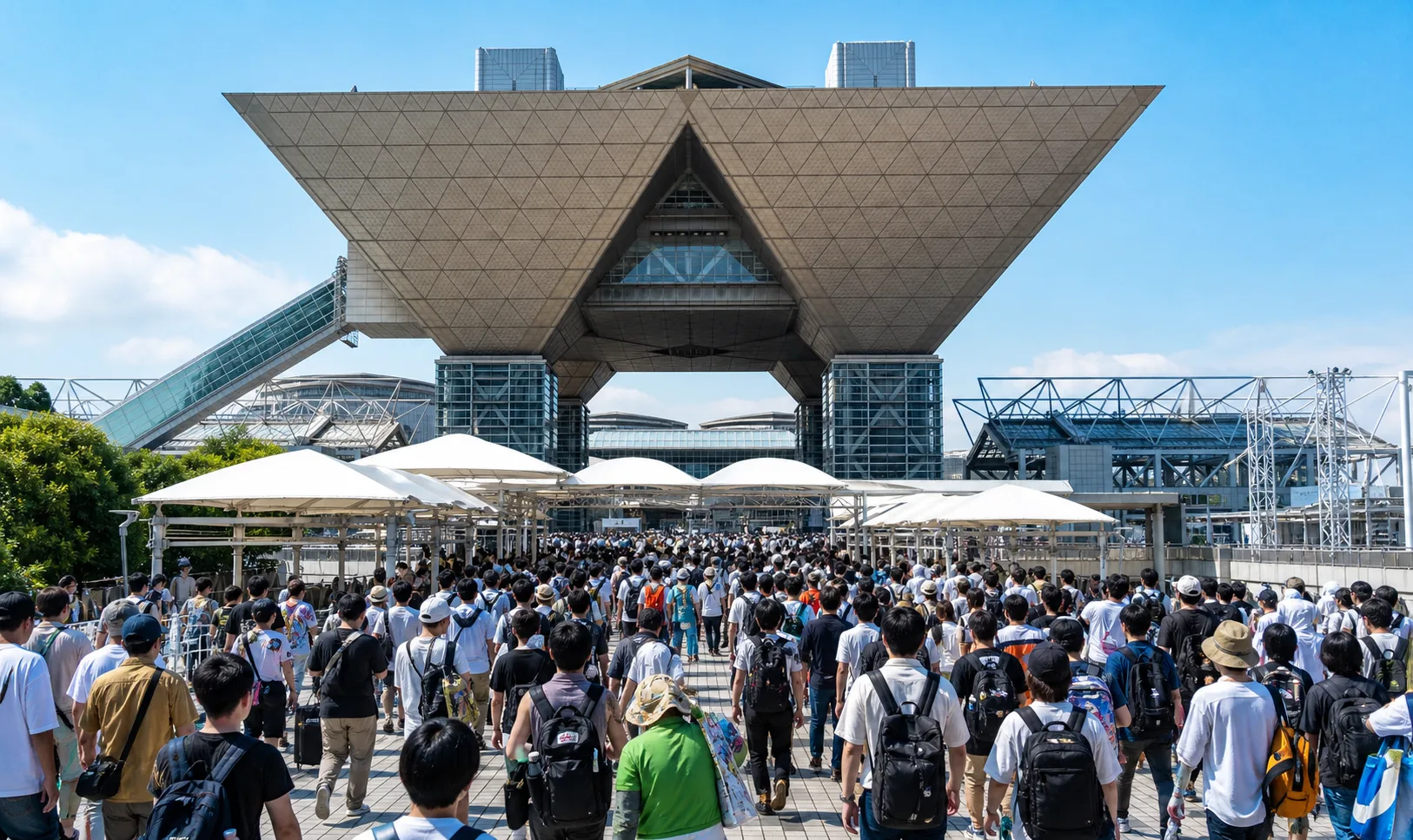
If you are planning a Japan trip around a giant fan event, Comiket can look simple on a calendar and complicated in real life. The venue is huge, tickets can be confusing, the crowds are intense, and the best day plan depends on whether you want doujinshi, cosplay, or general sightseeing around Tokyo.
This guide breaks down what Comiket is, how it differs from a standard anime convention, and what to expect when you build a trip around Japan's biggest fan gatherings. You will also get practical advice on transport, ticketing, timing, and how to keep the trip enjoyable instead of exhausting.
What Comiket Actually Is
Comiket is Japan's largest fan-made publication market, held at Tokyo Big Sight in Ariake. Unlike a typical anime expo, it centers on doujinshi, indie work, and creator goods, so the experience is part market, part logistics challenge, and part fan culture immersion.
Why Comiket Feels Different From Other Anime Events
Most first-time travelers expect Comiket to feel like a convention hall with wide aisles, scheduled panels, and easy navigation. In reality, the event is structured around volume, circulation, and early planning. People come to buy specific circles' work, queue with purpose, and move quickly. If you arrive without a plan, you can still have fun, but you will spend a lot of time simply adapting to the scale of the event.
That difference matters because it changes how you should book flights, choose a hotel, and plan your day. A normal tourist itinerary can absorb a smaller convention without much stress. Comiket rewards preparation. You will enjoy it more if you know your target circles, understand the entrance system, and accept that the venue will be crowded even when it feels organized.
Who Should Go To Comiket
Comiket is a strong fit if you want to see the center of Japanese fan culture in action, especially the side of it that revolves around creator circles, self-published work, and a very active fan community. It is also a good trip anchor for travelers who want a Tokyo trip with one or two high-intensity days and then slower sightseeing around Akihabara, Odaiba, or other nearby neighborhoods.
It is less ideal if you want a relaxed afternoon convention with plenty of seating and a casual browse. The event is large, hot, and physically demanding. Families, collectors, and curious travelers can all enjoy it, but they should treat it like a day that needs logistics, not just enthusiasm.
What The Current Official Setup Looks Like
The current official C108 guidance says Comiket 108 will be held at Tokyo Big Sight on August 15-16, 2026. The venue is also running through major renovation work, so East Halls 4 through 6 are not available. Official information also notes that the event uses a timed, ticket-based entry structure and that some access windows extend later than the old pre-pandemic pattern.
For travelers, the practical takeaway is simple: do not assume Comiket behaves like a once-a-year fair with same-day walk-in access. Check the event page before you travel, verify which hall your targets are in, and treat your ticket as part of the itinerary, not a minor detail.
Japan's Major Anime Event Landscape
Comiket is the headline event, but it sits inside a broader calendar of anime, manga, and pop-culture travel. If you are coming from overseas, you will probably combine one big event with neighborhood visits, shopping, and one or two day trips. That is the right way to think about fan-event travel in Japan: the convention is the centerpiece, but the trip works best when it connects to the surrounding city.
The easiest way to see that bigger picture is to think in layers. Comiket is the fan-made creation layer. Corporate anime events, merchandise expos, and franchise pop-up events are the commercial layer. Neighborhoods like Akihabara, Ikebukuro, and Odaiba are the everyday culture layer. A good trip usually touches all three.
If you want a broader Tokyo pop-culture itinerary around your event days, pair the convention with Anime Travel in Japan: Akihabara, Studio Ghibli & Pop Culture Guide. That route gives you a useful way to turn one event into a fuller anime-themed trip instead of treating the convention as a standalone stop.
Comiket Versus Corporate Anime Conventions
The biggest practical difference is intent. Comiket is creator-driven. Corporate anime conventions exist to promote franchises, sell licensed goods, and stage announcements. At Comiket, the browsing list is often personal and specific: a circle you follow, a character niche you care about, or a doujin series you have been tracking. At a corporate event, the logic is broader and more commercial.
That means the pace is different too. At a franchise event, you may spend time in panels, photo zones, or stage areas. At Comiket, the most important skill is deciding where to go first and how to move through the halls without wasting time. If you are a traveler who likes structure, you can still enjoy both, but you should not expect the same rhythm from each.
Why Travelers Should Care About The Convention Calendar
Many visitors build a Japan trip around a flight deal or a hotel price and only later realize that the convention calendar can change room availability, train crowding, and even what attractions feel pleasant. That matters in Tokyo because fan events can attract huge domestic crowds as well as overseas visitors. Hotels near Ariake, Toyosu, Shin-Kiba, and central transfer stations can sell out early.
The calendar also affects your sightseeing balance. If Comiket falls in the middle of your trip, you may want a lighter day before and after. That makes your convention day easier and gives you time to sort purchases, re-pack, and recover from heat and standing. A well-planned fan-event trip usually feels more like a series of smaller days than one continuous rush.
Building A Travel Plan Around The Event
The smart approach is to decide what kind of trip you want before you book the event day itself. Some travelers want a collector's trip with early arrival, a fast lunch, and a dedicated purchase list. Others want a cultural trip with one event day and several relaxed neighborhood days. Others want a shopping trip anchored by Akihabara and a single convention visit.
That is where itinerary planning becomes more important than the event alone. If you are mapping the broader trip, the logistics guide Japan Travel Planning: Visa, IC Card, Rail Pass & Essential Logistics Guide is the right companion piece. It helps you think through entry, transport payment, and the basic mechanics that make a Tokyo event trip smooth.
Practical Guide
The most important practical facts are straightforward. C108 is scheduled for August 15-16, 2026 at Tokyo Big Sight. The official venue information shows exhibition circles running from 10:30 to 16:00, with business booths running from 10:30 to 17:00 on day one and until 16:00 on day two. The official guidance also keeps emphasizing that you should use public transportation, because the surrounding roads become congested very quickly.
Hours, Admission, And Ticket Strategy
The current official ticket pages make two points very clear. First, you need an admission ticket or list-band type entry to get in. Second, the entry process is controlled, not casual. There are ticketed entry windows, and the event is structured so that different types of attendees enter in different ways depending on the day and the ticket category.
For general travelers, that means three things. Buy the right ticket in advance. Do not assume same-day entry will be easy or even possible in the way a normal convention might allow. And check the event page close to your departure date, because the official systems and linked ticket pages can change from one edition to the next.
The official ticket information also shows that each ticket has a 330 yen system fee on top of the base price. That is not a major cost by itself, but it is a reminder that the purchase flow matters. If you are traveling from overseas, make sure the name on the ticket account matches your actual identity, because the event warns that the ticket is meant for the person who bought it.
For planning purposes, it is safest to think of Comiket entry as a timed travel task rather than a casual admission. If your train gets delayed, you need a cushion. If you want to shop for a target circle, you need a priority list. If you only want to experience the atmosphere, you still need to understand the entry timing so you do not arrive at the wrong window and waste an hour.
How To Get There
Tokyo Big Sight is in Ariake, and the official access guidance points to Yurikamome and Rinkai Line service as the main rail options. The closest station is Tokyo Big Sight Station on the Yurikamome Line, and Kokusai-Tenjijo Station on the Rinkai Line is also a primary approach. Depending on where you are staying, you may also end up using buses or other transit connections from major stations in Tokyo.
From a traveler's point of view, the rail strategy should be simple. Use the route that minimizes transfers and gives you the least chance of arriving stressed. On convention mornings, the goal is not the cheapest possible transfer. It is the most predictable one.
If you are staying in central Tokyo, an early rail departure is usually enough. If you are staying farther away, add extra time for platform changes, crowds, and station navigation. Never assume you can cut it close and still have a relaxed arrival, especially if you want to be inside when the line starts moving.
What To Bring
Bring the things that reduce friction, not the things that make your bag heavier. A small bag, water, a portable charger, a towel, cash and card, and a compact shopping tote are all useful. Summer heat can make the day harder than expected, so anything that helps you stay cool and hydrated is worth carrying.
You should also think about what you are trying to buy. If you have a specific circle list, bring a way to keep notes visible. If you plan to buy a lot, bring a bag that folds flat but can expand. If you want to take photos, check the current rules before you try. Comiket is not a place where you can assume every normal public photo habit will be acceptable.
One mistake travelers make is overpacking for the day. A heavy backpack sounds safe, but it becomes annoying very quickly when you are moving through crowds and standing in lines. Light, organized, and easy-to-repack is the better approach.
Booking And Planning Links
The practical booking side of a Comiket trip is usually not about reserving event seats. It is about hotel location, train timing, and whether you need to buy anything before leaving home. Hotels near major rail links can save you more energy than a slightly cheaper room farther out. If you are traveling during a high-demand season, book early and keep the commute simple.
For event-specific purchases, use the official event information as the authority. For the surrounding trip, compare hotel rates, rail timing, and neighborhood access before you finalize the route. That is especially important if you are also planning one or two side trips to anime districts or museums.
Staying Comfortable During The Day
Tokyo in August can be punishing. Even if the event itself is indoors, the queueing and station transfers happen outside. That means hydration, sun protection, and pacing matter more than they would on a cool spring weekend. If you are attending both days, use the first day to learn the venue and the second day to execute a better plan.
Comfort also comes from expectation management. You may not get every item on your list. You may not be able to see every hall at the time you wanted. That is normal. A successful Comiket day is often the one where you make the best choices quickly, not the one where you try to do everything.
Tips & Common Mistakes
The travelers who have the best experience at Comiket usually do two things well: they make a plan, and they stay flexible once they get inside. The event rewards people who know what matters to them and can adjust quickly if the line, weather, or crowd flow changes.
Make A Target List Before You Arrive
Do not wait until you are inside to figure out which circles matter most. Make a short list before the trip. Put your highest-priority targets at the top. If you know booth numbers, note them. If you only know creators by name or series, write that down too. Your goal is to reduce decision-making when the hall is already busy.
This also helps with budget control. It is easy to overspend at a big fan event because everything looks rare, handmade, or memorable. A short list prevents random buying and helps you decide when a purchase is a real priority versus a nice extra.
Arrive Earlier Than You Think You Need To
Travelers often underestimate how long the final stretch takes. The line from the station to the venue, the ticket check, and the general crowd management all add time. If your real goal is to be efficient, an early arrival is usually more effective than a rushed one.
That matters even more if you are attending on day one and want to hit a specific booth or circle early. A small time cushion can make the difference between a smooth purchase and a day spent reacting to the line you missed.
Do Not Treat Heat As A Side Issue
Summer fan travel in Tokyo is not just a comfort issue. It affects your energy, your patience, and your spending decisions. If you are dehydrated or overheated, you move slower and make worse choices. Even when the venue has indoor relief, the outdoor queues and station walks can be enough to wear you down.
Plan for water and rest just as seriously as you plan for purchases. If you are traveling with someone else, agree in advance on a backup meeting place in case you split up in the hall.
Respect The Convention Rules
Big events work only if people follow the rules. Photography, line management, re-entry, cosplay areas, and ticket use all come with expectations. If you are unsure, read the official guidance instead of guessing. That is especially true if you are attending with a camera or if you want to document the trip for social media.
The fastest way to ruin a smooth day is to act like the event should function like a normal shopping mall. It is a controlled environment with very specific etiquette. If you respect that, the whole trip becomes easier.
Common Mistakes First-Timers Make
The biggest mistake is assuming the event is mainly about browsing. It is not. The second biggest mistake is arriving with no list and expecting the crowd flow to help you decide. The third is staying out too late the night before and then trying to survive a physically demanding day.
Another common error is forgetting that the convention is only one part of the trip. If you schedule too much sightseeing for the same day, you can turn a high-energy fan event into a stressful marathon. Leave room for meals, transit, and simple recovery.
FAQ
Is Comiket open to first-time visitors?
Yes. First-time visitors are welcome, but they should not expect the experience to feel intuitive right away. The event is large and organized around specific entry rules, queue systems, and crowd flow. If you read the official guidance and plan your route, a first visit can still be very rewarding.
Do I need to buy tickets in advance?
Yes, in practical terms you should plan to buy the correct admission ticket or list-band type entry in advance. The official system is ticket-based, and the event warns that tickets are not a casual walk-in item. Check the current event page before you travel so you know which purchase path applies to your day.
What is the best station for Tokyo Big Sight?
Tokyo Big Sight Station on the Yurikamome Line and Kokusai-Tenjijo Station on the Rinkai Line are the main options. Which one is better depends on where you are staying and how crowded the lines are when you depart. Choose the route that is most predictable, not just the one that looks shortest on a map.
How early should I arrive?
Earlier than a normal sightseeing day. If you want to make the most of Comiket, build in extra time for trains, ticket checks, and the walk from the station. If you are targeting specific circles, an early arrival is much safer than trying to cut it close.
Can I combine Comiket with other Tokyo sightseeing?
Yes, but do not overload the same day. The best approach is usually one convention day plus slower neighborhood time before or after. Akihabara, Odaiba, and nearby waterfront areas can fit well into a fan-travel itinerary if you leave enough recovery time.
Conclusion
Comiket is one of the best examples of why Japan fan-event travel needs planning. It is not just a convention. It is a high-volume, creator-driven market with its own rules, ticketing system, crowd rhythm, and travel demands. If you treat it like a structured day instead of a casual stop, the experience becomes far more manageable.
The simple formula is this: verify the official event details, choose a hotel that keeps your transport easy, pack for heat and crowds, and decide in advance what you actually want to see. That is how you turn a potentially overwhelming Tokyo weekend into a satisfying travel memory.
If you are building the rest of the trip, keep the convention day in context. Use the surrounding city for food, neighborhoods, and lower-stress sightseeing, and let the event remain the main draw rather than the only thing on your itinerary. When you do that, Japan's biggest fan events become much easier to enjoy and much easier to remember.