Chengdu's Panda Photography Guide: Ethical Shots & Best Moments
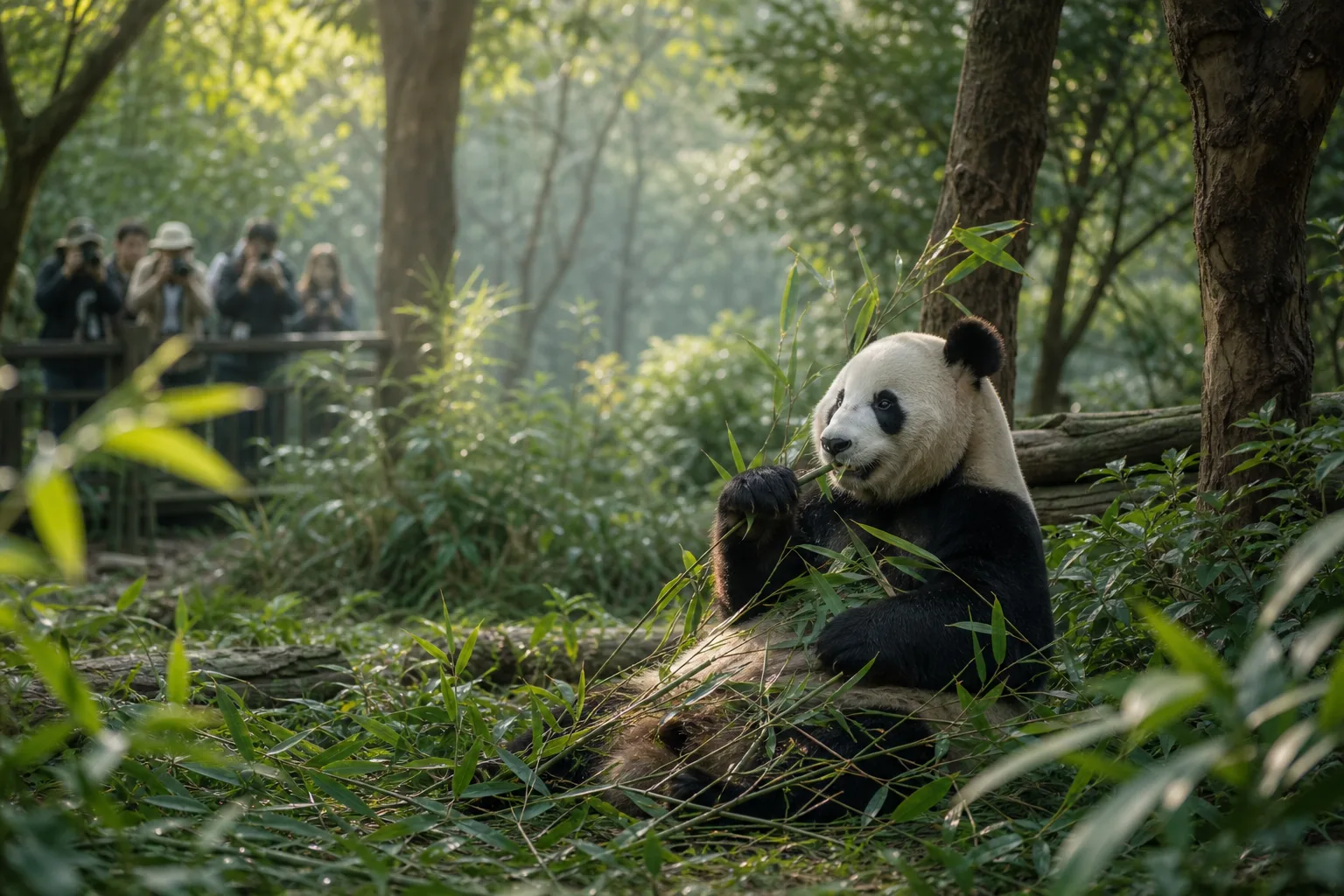
Chengdu is one of the easiest places in China to photograph giant pandas, but it is also one of the easiest places to do it badly. The difference between a great panda shot and a stressful, intrusive one usually comes down to timing, distance, patience, and whether you understand how the animals behave. This guide focuses on getting sharp, memorable images while keeping the experience calm for the pandas, the staff, and everyone else in the viewing area. If you are also building a Chengdu itinerary around food, neighborhoods, and day trips, it helps to pair this guide with Chengdu Travel Guide: Giant Pandas, Hotpot & the Best of Sichuan.
Introduction
The goal of panda photography in Chengdu is not to force a perfect pose. It is to anticipate natural behavior, stay patient, and recognize the moments when the animals are most active, most visible, and least stressed. That means planning for the early morning, choosing the right viewing zones, using a lens that respects distance, and accepting that the best frame is often the one you did not try to stage.
If you approach the visit with that mindset, you will come home with better photos and a better experience. You will also move through the base more efficiently, which matters because the most popular enclosures can become crowded quickly. Good panda photography is half field craft and half etiquette.
What this guide covers
This article explains when pandas are most photographable, how to shoot without disturbing them, which mistakes commonly ruin the shot, and how to handle the practical details of a visit in 2026. It is written for travelers who want useful photos first and souvenirs second.
Ethical Panda Photography Basics
Respectful panda photography starts with one simple idea: the animal comes before the image. That sounds obvious, but in crowded wildlife attractions it is easy to drift into behavior that prioritizes your own frame over the animal's comfort. The best panda photos are usually made by people who wait for natural motion, keep noise low, and accept the viewing rules instead of trying to negotiate with them.
The Chengdu Research Base of Giant Panda Breeding is not a zoo built primarily for performance. It is a conservation and breeding center that also welcomes visitors. That distinction matters. Your camera should document what the pandas are doing, not control what they do. If a panda turns away, sleeps, climbs down, or retreats into shade, that is normal animal behavior, not a missed opportunity that needs to be corrected by crowding closer.
The most ethical shots are also the most practical:
- Stay behind barriers and respect the marked viewing lines.
- Avoid flash entirely.
- Do not knock on glass, wave objects, or make repeated calls to attract attention.
- Leave space for staff, feeding routines, and other visitors.
- Move on when an enclosure is crowded rather than leaning into the front row for too long.
For photography, ethical behavior is not a separate category from good technique. It improves your results because calm animals behave more predictably. A panda that is not being harassed is more likely to eat, yawn, stretch, roll, or climb in ways that produce usable images.
Why this matters for your photos
The most common mistake first-time visitors make is assuming the best shot is the closest shot. In wildlife photography, proximity is not the same as quality. A stable stance, a clean background, and a relaxed subject matter far more than squeezing to the front and shooting through a crowd. If your frame is cluttered with arms, phones, and heads, it is usually better to step back and work the composition from a quieter angle.
Best Moments for Panda Photos
The best panda moments are usually tied to feeding schedules, cooler temperatures, and the parts of the day when pandas are naturally more active. Giant pandas spend a lot of time resting, so the photo strategy is not "stay all day and hope." It is "arrive early, watch for movement, and be ready when the window opens."
Early morning is the strongest photographic window. Pandas tend to be more animated after sunrise and before the day warms up. That is when you are more likely to catch them climbing, foraging, chewing bamboo, or interacting with keepers during routine care. Later in the day, many animals settle into long rest periods, and the enclosures can become visually repetitive.
The second useful moment is immediately after feeding or during transitions between indoor and outdoor spaces. These are the periods when pandas often stand up, shuffle, sniff, or reposition themselves. You may not get the most dramatic action, but you will often get the cleanest expression and the least awkward body language.
Weather also matters. Cooler, overcast mornings are usually better than bright, harsh midday sun. Strong light creates hard shadows around the eye patches and bamboo, while light cloud cover gives you more even skin-toned highlights on the face and fur. If the day is hot, pandas may rest more and move less, which reduces your chances of getting active behavior.
Best subjects to watch for
Not every panda behaves the same way on the same schedule. Some individuals are more playful, some are more food-focused, and some are simply more likely to become the crowd favorite because they have a quirky habit or an especially expressive face. Watch for these photo-friendly behaviors:
- A panda sitting upright to eat bamboo
- A yawn with the mouth fully open
- A slow climb or descent on a branch or platform
- A playful roll onto the back or side
- A short glance directly toward the camera before moving away
- A keeper interaction during a normal care routine
These moments are not rare because the animals are performative. They are rare because they are brief. Keep your camera ready before the action starts, not after.
Composition ideas that work
Pandas look best when the background is simple. A clean wall of greenery, a low-contrast enclosure backdrop, or a natural branch arrangement will help the face stand out. Try to frame from slightly below eye level when possible, since that often gives the animal more presence and reduces the "tourist snapshot" look.
If the enclosure allows multiple vantage points, spend a few minutes observing before you start shooting. Notice where the panda tends to sit, where people cluster, and how the light changes as clouds move. The best composition is often found by waiting for a natural break in the crowd rather than fighting for the same angle as everyone else.
Recommended shooting mindset
Think in sequences rather than single shots. One frame of a panda chewing bamboo is useful. A short sequence that captures the chew, the head tilt, and the paw adjustment is much better. This is especially important when the subject moves slowly. Even minimal motion can create a more complete story if you are ready to fire in a controlled burst.
If you are traveling through China with a broader photography plan, it can help to compare this visit with other cities and subjects. Best Photography Spots in China: Ancient Towns to Modern Skylines is useful if you want to balance wildlife photography with street scenes, architecture, and skyline work on the same trip.
Practical Guide
The Chengdu Research Base of Giant Panda Breeding is located at 1375 Panda Avenue, Chenghua District, Chengdu. The official site lists the visitor service section, including opening hours, tickets, public transportation, guide service, and tour bus service. The base also provides an English-language visitor site, which is the best place to confirm final details before you go.
The visitor hotline published on the official site is 86-28-83510033. Because attraction logistics can change by season, holiday, or crowd-management policy, it is smart to confirm your timing close to the visit date rather than relying on old forum advice.
Hours, admission, and tickets
The official site has a dedicated opening-hours and tickets area, but it does not always expose the same details in every language view. For that reason, treat final admission timing as something to verify directly on the official visitor pages before departure. In practice, most travelers plan for a morning visit and budget enough time for a slower, more crowded exit.
Ticketing in Chengdu for major attractions can involve named-entry rules, passport checks, and timed or capacity-managed entry during busy periods. If you are visiting during a holiday week or school vacation, do not assume same-day walk-up access will be easy. Check the official channel first, and use a booking platform only if it is explicitly supported for the date you want.
For broader trip prep, especially if you are arriving from another city or planning to use mobile payments and rail between destinations, China Travel Planning: Visa, WeChat Pay, High-Speed Rail & Practical Guide can save you from avoidable logistics mistakes before you even reach Chengdu.
How to get there
Most visitors reach the base by taxi, ride-hailing app, or a combination of metro and short ground transfer. In a photo-focused itinerary, direct transport is often the better choice because it gets you to the gate earlier and reduces the chance of arriving after the most active morning window has already passed. If your hotel is far from the attraction, the extra speed is usually worth more than the small savings of a complicated transit route.
If you use public transportation, build in a buffer for walking from the station and for the time spent entering the complex. The crowds tend to arrive in waves. If you arrive just after one wave has already gathered at the main viewing areas, you may spend the first part of the visit behind a line of people instead of in front of the enclosure you actually wanted to photograph.
What to bring
A good panda photography kit is lighter than many travelers expect. You do not need a long telephoto lens in every case, but you do need something that allows a respectful working distance and enough flexibility for a crop if the animal is farther back than you hoped.
Bring the following:
- A camera or phone with strong low-light and zoom performance
- A compact telephoto or zoom lens if you use interchangeable gear
- A lens cloth for humidity or mist
- A power bank
- Water and a light snack for the wait between active periods
- Comfortable shoes, because the base is bigger than it looks on a map
If you are carrying a full camera kit, keep it streamlined. You will probably move from one enclosure to another, stop repeatedly, and adjust to crowd flow. A heavy bag can become annoying fast, especially if you are also trying to stay patient and observant.
Booking and timing strategy
If your trip is flexible, choose the day with the best weather and the least crowd pressure rather than the day that simply happens to fit your calendar. A slightly cooler weekday morning can deliver a better photographic result than a crowded weekend visit with harsh sun.
If the official channels or a trusted booking partner offer timed entry, use it. Timed entry reduces uncertainty and helps you hit the first active period with less stress. Even if the base is open for a longer window, the quality of the visit still depends heavily on when you are standing in front of the first enclosure.
Tips & Common Mistakes
The most common panda photography mistakes are not technical. They are behavioral and logistical.
First, do not chase the front row at every stop. The front row is not always the best angle, especially if there is glass glare, cramped space, or another visitor who will block your view with a phone held overhead. Sometimes the second row gives you a cleaner line of sight and a steadier frame.
Second, do not overuse burst mode without thinking. Fast shooting can be useful, but it becomes wasteful if you fire through long periods of inactivity. Watch for body tension, head movement, or a shift in the panda's posture before you commit to the burst. That keeps your photo selection process manageable later.
Third, do not ignore vertical framing. Pandas often sit upright, perch on structures, or stretch into positions that work better in portrait orientation. A balanced mix of horizontal and vertical shots gives you more options for editing, posting, and printing later.
Fourth, avoid white balance problems. Panda fur is bright, and the black-and-white contrast can trick cameras into making the scene too flat or too cold. If your camera allows it, shoot in raw or keep a flexible profile so you can recover detail in the white fur without turning the frame gray.
Fifth, resist the urge to document every enclosure equally. Spend more time at the habitats where the animals are active and the viewing quality is better. A smaller set of strong images is more valuable than a large batch of near-duplicates.
Insider advice
Arrive with one or two "must-get" frames in mind, then let the visit surprise you. For example, you might want one portrait of a panda eating bamboo and one wider shot that shows the setting. Once you have those, shift your attention to behavior, not checklist photography. That is often when the unexpected good image appears.
Also pay attention to the keepers and the flow of visitors. When staff signal that an animal is about to move or when a crowd begins to shift away from a quieter enclosure, you can often reposition calmly and get a better angle than the people who are still locked onto the first obvious viewing point.
Finally, remember that the base is part science site, part visitor attraction. A thoughtful visit helps both sides. You are there to learn and observe, not to pressure the animals into entertainment. That attitude makes the photos better and the day easier.
FAQ
What is the best time of day to photograph pandas in Chengdu?
Early morning is usually the best time because pandas are more active before the heat builds. You are more likely to catch feeding, climbing, or walking behavior then, while later in the day many animals rest for longer stretches.
Should I bring a telephoto lens?
A telephoto lens is useful, but not mandatory. A moderate zoom lens or a phone with a strong zoom mode can still work if you choose the right angle and keep your expectations realistic. The main goal is to photograph naturally without crowding the enclosure.
Can I use flash or video light?
No. Flash and artificial light are unnecessary and disruptive in a setting like this. Even if a subject seems far away, avoid using anything that may disturb the pandas or other visitors.
Is the Chengdu panda base good for phone photography?
Yes, if you understand its limitations. Phones are excellent for quick compositions, close-crop details, and casual travel coverage. If you use good timing, steady hands, and the right shooting position, you can get strong results without special equipment.
What should first-time visitors expect?
Expect crowds, short moments of action, a lot of waiting, and a few unforgettable minutes when an animal suddenly becomes very active. The visit works best when you accept that the pandas set the pace.
Conclusion
The best panda photography in Chengdu is not about chasing rare behavior or forcing dramatic angles. It is about showing up early, respecting the animals, and being ready when the ordinary moment becomes the memorable one. If you keep your approach calm and your technique simple, you can leave with photos that feel natural instead of staged.
For most travelers, the winning formula is straightforward: arrive early, stay patient, keep a respectful distance, and prioritize the welfare of the animals over the pressure to get closer. That is the difference between a rushed tourist stop and a meaningful wildlife experience.
If you are turning Chengdu into a larger China trip, use your planning time well. Review the city context, check your transport and payment setup, and then build the panda visit around the best morning window you can manage. The photos will usually take care of themselves once the logistics are right.