Best Time to Visit China: Weather, Holidays and Regional Travel Seasons

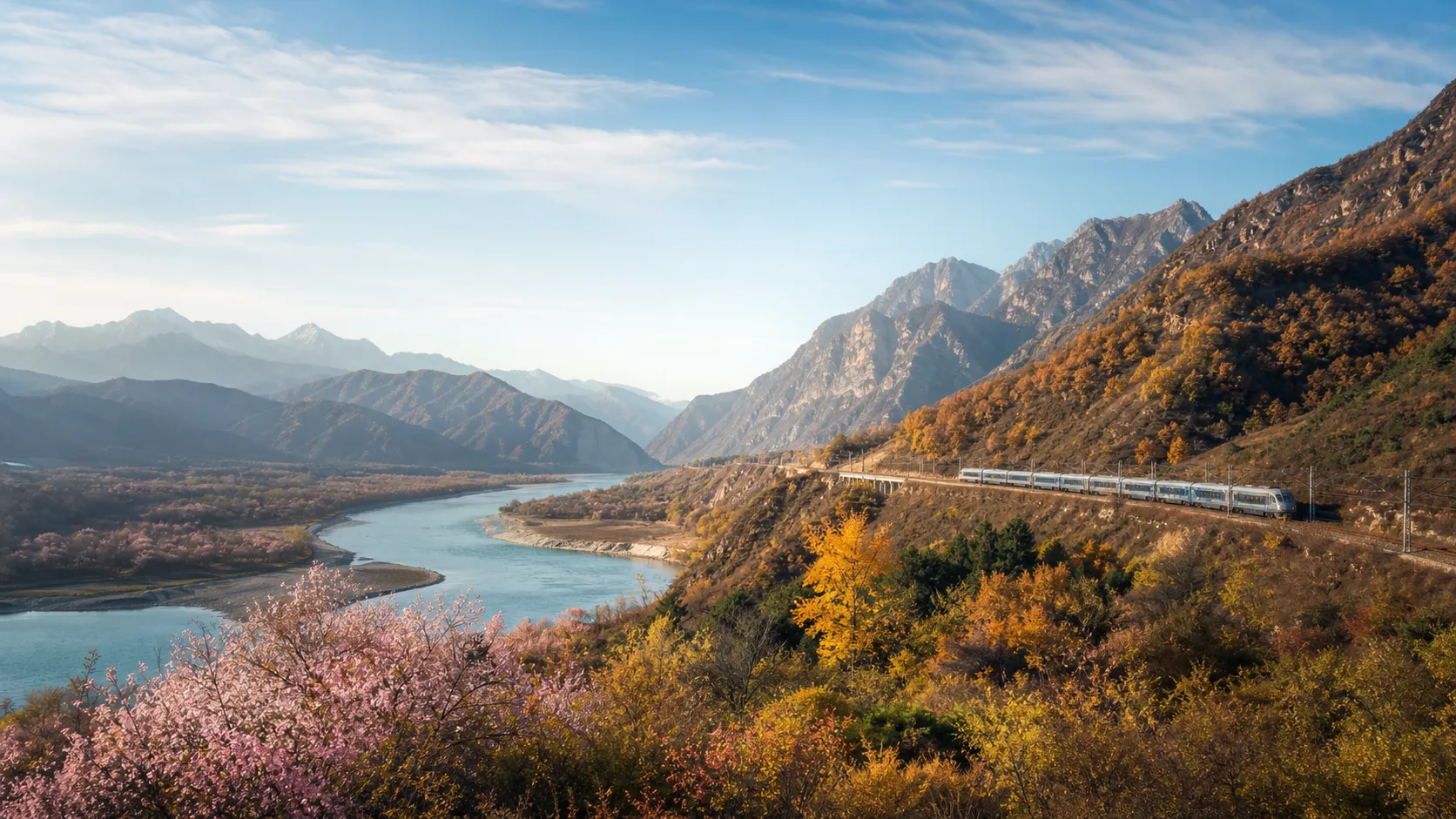
The best time to visit China depends on where you are going and what kind of trip you want. Beijing, Shanghai, Chengdu, southern cities, western landscapes, and coastal areas do not share one travel season. A useful date decision combines current weather patterns, official holiday calendars, school and family needs, transport, attraction availability, and a realistic backup plan.
The short answer
Choose a season for the specific region and trip style, then check current official holiday dates, weather, transport, and attraction information for the exact travel period. Shoulder periods can be comfortable, but no month guarantees empty sights or perfect conditions. Build an itinerary with indoor, outdoor, and low-energy alternatives rather than relying on one seasonal image.
Start with the trip purpose
Start with the trip purpose is a planning decision, not a fixed rule. China’s size means weather, crowds, daylight, rainfall, heat, cold, and travel demand vary greatly by region and date. Check current official weather, holiday, transport, and attraction information before booking non-refundable travel. Do not use an old crowd calendar or a single average temperature as a promise.
Align your travel dates with your family's core priorities: cultural sightseeing in Beijing thrives in autumn, while beach retreats in Hainan suit winter getaways.
Spring (April to May) offers pleasant blooming gardens and comfortable sightseeing weather across central China without summer's intense humidity.
Treat China as several climate regions
Treat China as several climate regions is a planning decision, not a fixed rule. China’s size means weather, crowds, daylight, rainfall, heat, cold, and travel demand vary greatly by region and date. Check current official weather, holiday, transport, and attraction information before booking non-refundable travel. Do not use an old crowd calendar or a single average temperature as a promise.
Recognize China's vast geographical climate zones: northern plains, Yangtze river valleys, and southern subtropics experience vastly different seasonal rhythms.
Winter brings enchanting snow landscapes to the northern provinces (Harbin, Jilin), offering magical ice sculpture festivals for older kids and teens.
Use Beijing and northern cities for their own seasons
Use Beijing and northern cities for their own seasons is a planning decision, not a fixed rule. China’s size means weather, crowds, daylight, rainfall, heat, cold, and travel demand vary greatly by region and date. Check current official weather, holiday, transport, and attraction information before booking non-refundable travel. Do not use an old crowd calendar or a single average temperature as a promise.
Visit Beijing and northern regions during autumn (September to October): enjoy clear blue skies, mild daytime temperatures, and stunning golden foliage.
Autumn in Beijing showcases the Fragrant Hills and Mutianyu Great Wall framed by vibrant red maples, golden ginkgoes, and comfortable crisp breezes.
Plan Shanghai and eastern cities for heat and rain
Plan Shanghai and eastern cities for heat and rain is a planning decision, not a fixed rule. China’s size means weather, crowds, daylight, rainfall, heat, cold, and travel demand vary greatly by region and date. Check current official weather, holiday, transport, and attraction information before booking non-refundable travel. Do not use an old crowd calendar or a single average temperature as a promise.
Navigate Shanghai and eastern provinces around seasonal rains: spring brings pleasant blossom temperatures, while summer (July to August) brings heat and typhoons.
June in the Yangtze River delta marks the Plum Rain season (Meiyu), characterized by persistent drizzle that calls for indoor museum explorations.
Treat southern China separately
Treat southern China separately is a planning decision, not a fixed rule. China’s size means weather, crowds, daylight, rainfall, heat, cold, and travel demand vary greatly by region and date. Check current official weather, holiday, transport, and attraction information before booking non-refundable travel. Do not use an old crowd calendar or a single average temperature as a promise.
Plan southern China itineraries (Guangdong, Guangxi) for winter or early spring: enjoy comfortable subtropical warmth while avoiding stifling summer humidity.
Winter in Guangzhou and Shenzhen offers pleasant 20°C temperatures, perfect for outdoor theme parks and sunny waterfront promenades without heavy coats.
Give western and high-altitude routes extra preparation
Give western and high-altitude routes extra preparation is a planning decision, not a fixed rule. China’s size means weather, crowds, daylight, rainfall, heat, cold, and travel demand vary greatly by region and date. Check current official weather, holiday, transport, and attraction information before booking non-refundable travel. Do not use an old crowd calendar or a single average temperature as a promise.
Prepare thoroughly for western and high-altitude destinations (Yunnan, Sichuan): mountain temperatures fluctuate dramatically between day and night.
Pack warm thermal jackets and broad-spectrum sunblock for high-altitude scenic areas like Jiuzhaigou and Shangri-La, regardless of the travel month.
Understand domestic holidays as travel conditions
Understand domestic holidays as travel conditions is a planning decision, not a fixed rule. China’s size means weather, crowds, daylight, rainfall, heat, cold, and travel demand vary greatly by region and date. Check current official weather, holiday, transport, and attraction information before booking non-refundable travel. Do not use an old crowd calendar or a single average temperature as a promise.
Treat major statutory holidays as critical travel conditions: Golden Week (early October) and Chinese New Year trigger massive domestic travel surges.
Visiting major sights during statutory holidays requires reserving tickets weeks in advance and arriving at attraction turnstiles early at opening.
Check official dates rather than memorising them
Check official dates rather than memorising them is a planning decision, not a fixed rule. China’s size means weather, crowds, daylight, rainfall, heat, cold, and travel demand vary greatly by region and date. Check current official weather, holiday, transport, and attraction information before booking non-refundable travel. Do not use an old crowd calendar or a single average temperature as a promise.
Verify official holiday calendars released annually by the State Council, as public holidays include shifted working weekend dates (Tiaoxiu).
Shoulder season travel (mid-April to early June, and late October to mid-November) delivers the ideal combination of pleasant weather and lower crowds.
Book flexible components when conditions are uncertain
Book flexible components when conditions are uncertain is a planning decision, not a fixed rule. China’s size means weather, crowds, daylight, rainfall, heat, cold, and travel demand vary greatly by region and date. Check current official weather, holiday, transport, and attraction information before booking non-refundable travel. Do not use an old crowd calendar or a single average temperature as a promise.
Book flexible hotel and transport reservations when traveling during transitional weather seasons to easily adjust to unexpected cold snaps or typhoons.
Choose hotel rates that offer free cancellation up to 24 hours before arrival, providing valuable flexibility if seasonal weather prompts route changes.
Build weather backups into city days
Build weather backups into city days is a planning decision, not a fixed rule. China’s size means weather, crowds, daylight, rainfall, heat, cold, and travel demand vary greatly by region and date. Check current official weather, holiday, transport, and attraction information before booking non-refundable travel. Do not use an old crowd calendar or a single average temperature as a promise.
Incorporate weatherproof indoor alternatives into city itineraries: pair outdoor garden visits with air-conditioned science museums or interactive art spaces.
Modern Chinese cities offer world-class indoor family attractions, including giant aquariums, indoor snow parks, and interactive children's science museums.
Use one region per short trip
Use one region per short trip is a planning decision, not a fixed rule. China’s size means weather, crowds, daylight, rainfall, heat, cold, and travel demand vary greatly by region and date. Check current official weather, holiday, transport, and attraction information before booking non-refundable travel. Do not use an old crowd calendar or a single average temperature as a promise.
Limit short 7-to-10 day holidays to a single geographical region: minimize time spent transferring between distant climate zones.
A focused Beijing-Xi'an or Shanghai-Hangzhou corridor itinerary allows unhurried exploration without exhausting cross-country flights.
Match children’s stamina to the season
Match children’s stamina to the season is a planning decision, not a fixed rule. China’s size means weather, crowds, daylight, rainfall, heat, cold, and travel demand vary greatly by region and date. Check current official weather, holiday, transport, and attraction information before booking non-refundable travel. Do not use an old crowd calendar or a single average temperature as a promise.
Match trip pacing to your children's physical tolerance for extreme heat or cold: avoid strenuous mountain hikes during midsummer heat waves.
Keep children rested with afternoon hotel pool breaks and early evening bedtimes, preserving energy and enthusiasm across multi-day itineraries.
Avoid turning foliage or blossom into a promise
Avoid turning foliage or blossom into a promise is a planning decision, not a fixed rule. China’s size means weather, crowds, daylight, rainfall, heat, cold, and travel demand vary greatly by region and date. Check current official weather, holiday, transport, and attraction information before booking non-refundable travel. Do not use an old crowd calendar or a single average temperature as a promise.
Avoid promising specific natural spectacles like peak cherry blossoms or red autumn leaves: seasonal bloom timings shift based on temperature variations.
Focus on evergreen cultural experiences: imperial architecture, traditional tea tastings, and authentic food culture remain captivating year-round.
Recheck forecasts and operating notices
Recheck forecasts and operating notices is a planning decision, not a fixed rule. China’s size means weather, crowds, daylight, rainfall, heat, cold, and travel demand vary greatly by region and date. Check current official weather, holiday, transport, and attraction information before booking non-refundable travel. Do not use an old crowd calendar or a single average temperature as a promise.
Re-check 14-day weather forecasts and municipal air quality indexes shortly before departure to finalize clothing selections.
Download local weather applications (such as Moji Weather or Apple Weather) for real-time hourly precipitation and air quality tracking.
Choose comfort over a perfect calendar
Choose comfort over a perfect calendar is a planning decision, not a fixed rule. China’s size means weather, crowds, daylight, rainfall, heat, cold, and travel demand vary greatly by region and date. Check current official weather, holiday, transport, and attraction information before booking non-refundable travel. Do not use an old crowd calendar or a single average temperature as a promise.
Prioritize overall family comfort over a supposedly "perfect" calendar month: a well-paced trip during shoulder season creates a wonderful vacation.
Embrace whatever weather arrives: a misty afternoon on Hangzhou's West Lake or a snowy morning in Beijing offers its own magical photographic beauty.
Holidays and crowd strategy
Domestic holiday periods can change transport availability, hotel demand, attraction reservations, and the rhythm of public spaces. Confirm official dates and current service notices for the year you travel. If the dates cannot move, reserve important transport and accommodation through trusted official or established channels, understand the terms, and avoid a daily schedule that depends on perfect punctuality. If dates are flexible, compare several weeks rather than chasing a single “quiet” day.
Regional route choices
A Beijing history trip, Shanghai city break, Chengdu food-and-panda visit, southern China route, and western landscape journey should be planned separately. Do not combine distant regions on a short holiday simply because they appear on one country map. Match the city or region to the family’s interests and the season’s likely comfort, then check live conditions before departure.
Final checklist
Before payment, confirm current holiday dates, regional weather, transport, hotel terms, attraction reservations, and a rainy, hot, cold, or crowded-day alternative. The best China season is the one that supports a trip your group can actually enjoy.
Related: china-shanghai-short-trip-booking-guide-for-first-time-visitors
Understanding the "Furnace Cities" vs. Highland Summer Sanctuaries
When planning summer travel between June and August, geography dictates thermal comfort:
- The Four Historic "Furnace Cities": Cities along the middle and lower reaches of the Yangtze River—specifically Chongqing, Wuhan, Nanjing, and Changsha—experience extreme summer heat with daytime temperatures frequently exceeding 40°C paired with suffocating humidity. Traveling through these urban centers with toddlers in midsummer can lead to rapid heat exhaustion and is best avoided.
- The Southwestern Highland Sanctuary: In contrast, the Yunnan-Guizhou plateau sits at an elevation of 1,800 to 2,200 meters above sea level. In cities like Kunming, Dali, and Lijiang, summer daytime highs rarely exceed 25°C, accompanied by crisp mountain breezes and cool nights that require a light cardigan.
- Northern Coastal Escapes: Coastal cities in Shandong (Qingdao, Weihai) offer refreshing maritime breezes, clean swimming beaches, and fresh seafood markets, making them ideal summer getaways for families traveling with young children.
The Shoulder Season Advantage for Family Travel
Why May and October offer the ultimate sweet spot for family touring:
- Comfortable Thermal Windows: Mid-May and mid-October deliver ideal daytime temperatures between 18°C and 23°C across Beijing, Shanghai, Xi'an, and Chengdu—cool enough for brisk walking without requiring heavy winter parkas.
- Significantly Reduced Attraction Wait Times: Outside statutory holiday weeks, weekday standby queues at major sights drop by up to 70%, allowing families to enter museums and cable cars in 10 to 15 minutes instead of 2 hours.
- Substantial Accommodation Savings: Luxury family suites and boutique hotels drop prices by 30% to 50% compared to peak Golden Week rates, maximizing your vacation value.
Regional Seasonal Quick-Reference Guide
Match your holiday duration to the ideal geographical circuit:
- 7-Day Short Trips: Focus entirely on a single metropolitan hub and high-speed rail corridor: Beijing and Chengde, or Shanghai, Suzhou, and Hangzhou.
- 10 to 12-Day Holidays: Combine two complementary regions: historical Beijing paired with relaxed giant panda viewing in Chengdu, connected by a 7-hour high-speed train or 2.5-hour domestic flight.
- 14-Day Grand Tours: Journey along the classic Golden Triangle (Beijing – Xi'an – Shanghai), experiencing imperial heritage, ancient terracotta warriors, and modern skyline architecture in an unhurried, child-friendly sequence.
Air Quality Tracking & Urban Haze Strategies
Managing seasonal air conditions during urban exploration:
- Using Real-Time Air Quality Monitoring: Download the AirVisual or Plume app to check municipal Air Quality Index (AQI) readings. Autumn and spring generally feature excellent air quality across Beijing and Shanghai, with clear blue skies known locally as "Beijing Blue."
- Indoor Activity Contingency on Haze Days: If seasonal atmospheric stagnation or dust storms occur, pivot to modern indoor complexes. Major cultural centers feature state-of-the-art air filtration and positive-pressure ventilation systems, providing pristine air quality for children.