Best China Cities for Families: Beijing, Shanghai, Chengdu and Beyond

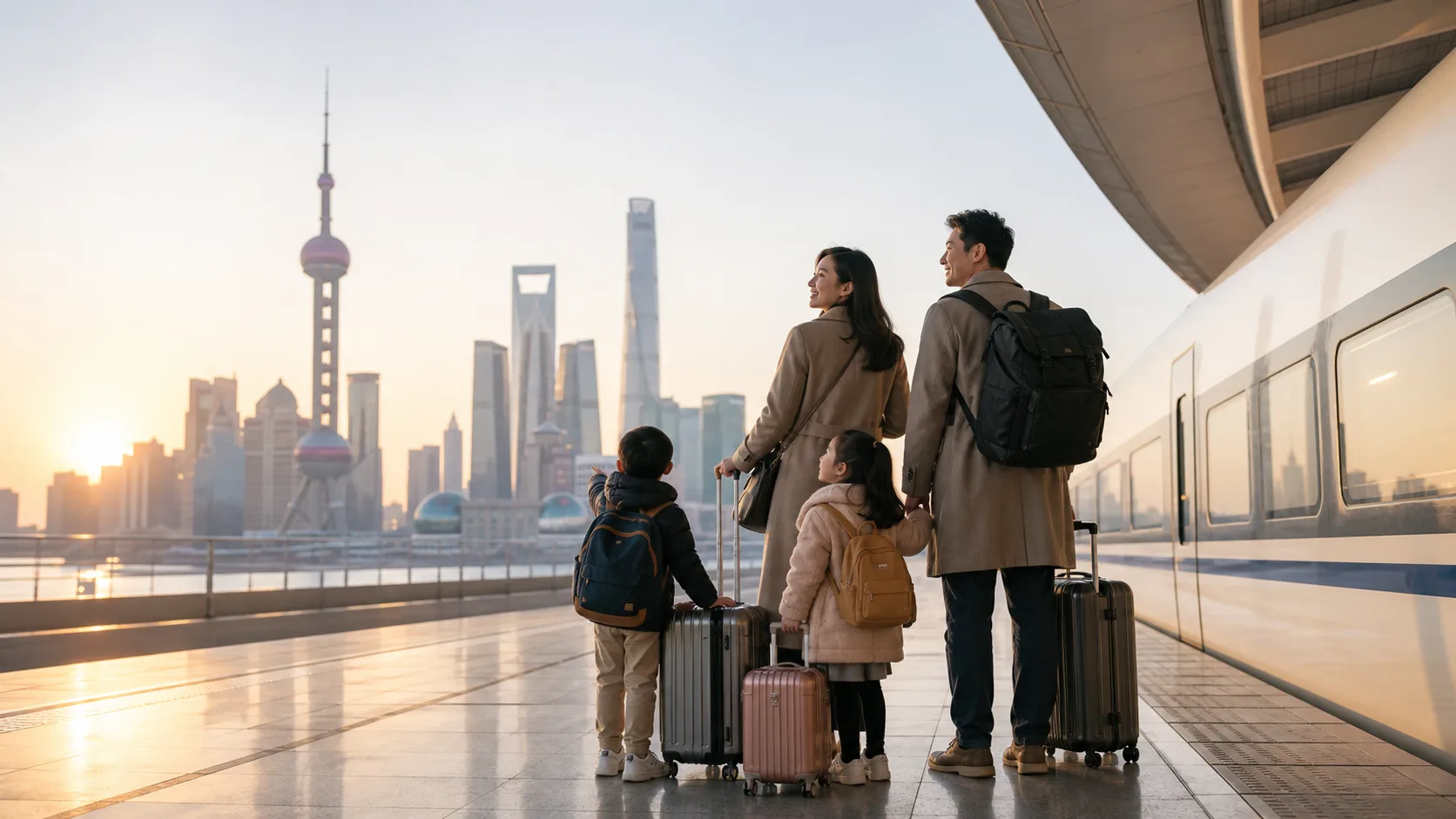
The best China city for a family is the one whose pace, transport, weather, and headline experiences fit the children travelling with you. Beijing, Shanghai, Chengdu, and other major cities can all work, but they ask for different daily rhythms. Choose a city from the family’s interests and energy, then build a trip with fewer major stops and more recovery time.
The short answer
Choose Beijing for landmark history, Shanghai for the broadest urban mix, Chengdu for pandas and a slower rhythm, Xi’an for ancient-history storytelling, Guangzhou for food and southern connections, and Hangzhou for lake scenery. Check current entry, payment, transport, attraction, and weather information from official sources before booking.
Beijing: who it suits
Beijing offers imperial sights, large distances, major museums, parks, and a Great Wall decision. It suits families who want landmark history and can plan one main activity per day. In Beijing, calibrate daily steps around long imperial courtyards and security checkpoints. For the Forbidden City or Temple of Heaven, stroller access is viable along main axes, but prepare for raised stone thresholds and immense walking distances.
Reserve Forbidden City and Great Wall cable car tickets at least 7 to 10 days in advance via official mini-programs, matching the exact passport numbers of every traveling child.
Choose a hotel within walking distance of Line 1 or Line 2 subway stations (such as Wangfujing or Dongdan) to eliminate lengthy taxi wait times in heavy Beijing ring-road traffic after full days on your feet.
Shanghai: who it suits
Shanghai offers modern skyline, museums, waterfront walks, theme-park possibilities, and a large but navigable urban rhythm. It suits families who prefer a mix of city comfort and varied activity types. In Shanghai, urban logistics favor family ease with universal elevators across metro stations, widespread stroller accessibility along the Bund and Pudong promenades, and plentiful kid-friendly dining options inside shopping complexes.
Pair modern skyline views at Shanghai Tower or the Bund with interactive science exhibits at Shanghai Natural History Museum, keeping outdoor walking balanced with air-conditioned breaks.
Select a family-friendly hotel base in Jing'an or People's Square that offers connecting rooms or multi-bed suites, on-site laundry facilities, and direct metro access to Line 2 for airport and rail links.
Chengdu: who it suits
Chengdu offers pandas, tea-house culture, a slower pace, and Sichuan food planning. It suits families interested in one clear wildlife highlight and a more relaxed city base. In Chengdu, plan wildlife outings around early morning panda feeding schedules (08:30 to 10:30 AM). Afternoon heat causes pandas to sleep indoors, so reserve post-lunch hours for shaded tea houses in People's Park.
Book Giant Panda Breeding Research Base admissions for the opening 07:30 AM slot, and arrange a private Didi or chartered van for seamless door-to-door transit.
Opt for a hotel near Chunxi Road or Jinjiang River featuring outdoor gardens or indoor pools, providing a tranquil haven for young children to recharge after half-day excursions.
Xi’an: who it suits
Xi’an offers city walls, history, museums, and a compact ancient-capital narrative. It suits school-age children who enjoy stories and families able to plan around weather. In Xi'an, the ancient City Wall offers wide cycling routes with tandem bicycles and child seats. Time museum visits for morning slots and schedule Muslim Quarter street food explorations for early evening before dense crowds peak.
Secure Shaanxi History Museum and Terracotta Warriors reservations early, hiring an official licensed on-site guide who can translate historical artifacts into engaging stories for children.
Base the family near the South Gate of the City Wall or Bell Tower area, allowing easy strolls back to the room for afternoon naps before venturing out for dinner.
Guangzhou: who it suits
Guangzhou offers food, riverfront, parks, and southern-city connections. It suits families combining city time with a broader Guangdong route. In Guangzhou, family travel centers on leisurely Cantonese morning yum cha dim sum, tree-lined Shamian Island walks, and scenic Pearl River evening cruises with gentle breezes and bright city light displays.
Schedule a full day for Chimelong Safari Park, taking the aerial cable car and safari train for effortless wildlife viewing without exhausting toddler walking legs.
Pick accommodation along the Pearl River or near Tianhe district with easy access to Line 3 or Line 5, ensuring quick hops to Chimelong Safari Park or the Canton Tower.
Hangzhou: who it suits
Hangzhou offers lake scenery, gentler walks, tea-country context, and a calmer contrast to Shanghai. It suits families wanting nature and lower-intensity sightseeing. In Hangzhou, West Lake is best explored via electric golf cart shuttles or traditional flat-bottom rowing boats. Escape waterfront crowds by taking quiet strolls through shaded Longjing tea village plantations.
Book a morning wooden rowing boat ride from Hubin jetty across to Three Pools Mirroring the Moon, pairing scenic lake vistas with relaxed sweet osmanthus tea breaks.
Stay near the lakeside or Xihu district in boutique courtyard hotels that offer peaceful garden breakfasts and immediate morning access to lakeside walking trails before day-tripper tour buses arrive.
Hong Kong or a cross-border extension: who it suits
Hong Kong or a cross-border extension offers a separate entry, payment, transport, and booking context that should not be assumed to work like mainland travel. It suits families who have checked the current border and documentation requirements. When extending to Hong Kong, prepare for separate immigration checkpoints, Octopus card transit ticketing, distinct mobile roaming protocols, and bilingual English-Chinese signage throughout MTR lines.
Ensure high-speed rail tickets from West Kowloon station to Guangzhou or Shenzhen are linked to valid passport numbers, allowing streamlined automated e-channel border clearance.
Select a hotel in Kowloon or Hong Kong Island directly connected to an MTR station concourse, making transfers with luggage and tired children completely weatherproof.
Choose by child age and trip style
Preschoolers usually benefit from parks, short routes, predictable meals, and hotel breaks; choose a city where one daily highlight is enough. School-age children may enjoy Beijing or Xi’an when the adults turn monuments into stories rather than a checklist. Teenagers may respond to Shanghai’s contrast of old and new, Chengdu’s food culture, or a city with a specific interest such as pandas. No city needs to be “educational” every hour. Shared meals, a local park, and a calm evening can be the moments children remember.
Weather, holidays, and timing
China’s cities have different seasonal pressures. Heat, cold, rain, air quality, and domestic travel peaks can change the value of outdoor plans. Check current official weather and attraction notices before departure, avoid packing a day with non-refundable activities, and leave a backup indoor option. During high-demand periods, reserve important timed entries through official channels early enough to understand the terms, but do not assume an old release window still applies.
Practical preparation
Before booking, verify passport, visa or transit requirements as applicable, payment setup, connectivity, hotel address in the relevant language, emergency contacts, and the route from airport to hotel. These are changing rules and should be checked through current official sources, not an article alone. Carry any medication, child comfort items, and copies of bookings. Tell children the next two steps rather than the whole itinerary.
Final checklist
Choose the city with the most shared priorities, not the longest list of famous sights. Confirm transport, hotel rooms, current attraction rules, seasonal conditions, meals, and recovery time. A family trip works when the plan leaves space for the city and the children to surprise you.
Deep Dive: City-by-City Family Itineraries & Logistics
Beijing: Navigating the Imperial Capital with Children
Beijing is a magnificent open-air classroom where centuries of dynastic history come alive, but its physical scale can overwhelm young children if not managed with deliberate pacing. The Forbidden City alone encompasses over 180 acres; walking from the South Gate (Meridian Gate) to the North Gate (Gate of Divine Prowess) covers more than two kilometers of stone plazas without shade.
When visiting the Forbidden City with school-age children, hire an official licensed bilingual guide at the Meridian Gate entrance. A skilled guide transforms static imperial architecture into vivid tales of child emperors, mythical roof-ridge beasts, and dragon legends. For toddlers and preschoolers, rent a rugged lightweight stroller with rubber wheels to handle uneven stone courtyards.
For the Great Wall, bypass the heavily commercialized and steep stairs of Badaling in favor of Mutianyu or Jinshanling. Mutianyu is especially suited for families: an enclosed cable car whisks parents and strollers smoothly up to Tower 14, while older children and teenagers thrill at descending the mountainside via the wheeled alpine toboggan run. Secure round-trip private transport or an official tourist bus from Dongzhimen to avoid haggling with unlicensed taxi operators.
Shanghai: A Masterclass in Modern Family Comfort
Shanghai represents the most frictionless introduction to mainland China for international families. The city’s public transit network is universally accessible, with elevators at all metro stations, step-free access along the Huangpu River promenades, and world-class shopping complexes offering private nursing rooms (Moyingfang), clean family restrooms, and high-chair equipped dining.
Beyond the iconic high-speed elevators of Shanghai Tower (118th floor observation deck) and evening strolls along the Bund, Shanghai excels in interactive science and natural history spaces. The Shanghai Natural History Museum in Jing'an Sculpture Park features life-sized animatronic dinosaurs, interactive earth science zones, and expansive green lawns where children can run freely. Pair museum visits with a leisurely afternoon river ferry crossing from the Bund to Lujiazui (costing just CNY 2 per passenger), offering sweeping skyline panoramas without the crowds of commercial dinner cruises.
Chengdu: Pandas, Tea Houses, and Relaxed Sichuan Living
Chengdu’s relaxed municipal motto—"a city you never want to leave"—resonates powerfully with families seeking a gentler travel rhythm. The undisputed highlight is the Chengdu Research Base of Giant Panda Breeding. To experience giant pandas at their most active and playful, arrive at the gates promptly at 07:30 AM. Between 08:30 and 10:00 AM, giant pandas and red pandas are fed fresh bamboo in outdoor habitats; by midday, when temperatures rise, they retreat to air-conditioned indoor enclosures to sleep.
After an early morning with the pandas, spend the afternoon immersing the family in authentic Sichuan tea culture at People's Park (Renmin Gongyuan). Parents can sip fragrant jasmine green tea under shaded bamboo groves while children enjoy watching local folk performers, paddle-boating on the central lake, and tasting sweet brown-sugar rice cakes (Ciba). Chengdu’s world-famous cuisine is notoriously fiery, but family-friendly mild dishes abound: order clear-broth chicken noodles (Jisi Liangmian), sweet water noodles (Tienshuimian without chili), and steamed soup dumplings.
Xi'an: Ancient City Walls and Living Silk Road History
Xi'an delivers a deeply immersive encounter with ancient China that captivates school-age children and teenagers. The highlight for most families is renting bicycles on top of the 14-kilometer-long, 600-year-old Ming Dynasty City Wall. Tandem bicycles and child-seat cruisers are available for hire at the South Gate (Yongningmen), providing a breezy, panoramic ride above the modern city streets with zero motor vehicle traffic.
When visiting the Terracotta Warriors (Bingmayong) in Lintong district, book a timed entry slot for the early morning or late afternoon to avoid the peak tour bus congestion. Visiting Pit 1 first provides that breathless initial encounter with the subterranean army, while Pits 2 and 3 offer intimate looks at kneeling archers, battle chariots, and ongoing archeological restoration. In the evening, explore the vibrant pedestrian alleys of the Muslim Quarter (Huiminjie), where children will be fascinated by street artisans pulling stretched peanut candy, pounding sesame crisps with wooden mallets, and roasting fresh cumin lamb skewers.
Practical Family Travel Systems Across Mainland China
High-Speed Rail Travel Strategy for Families
China’s high-speed rail network (Gaotie) is often more convenient and relaxing for families than domestic flights:
- Luggage and Stroller Storage: Large overhead racks accommodate standard rolling suitcases, while wide storage zones behind the final row of seats in each carriage hold bulky strollers, baby carriers, and large duffel bags.
- Seat Configurations & Child Tickets: Standard Second Class carriages feature a 3x2 seat layout, while First Class offers a more spacious 2x2 configuration with extra legroom and personal power outlets. Children under 6 years of age (or under 1.2 meters) travel free of charge when sharing a seat with an adult, while children aged 6 to 14 travel on discounted child fares.
- Hot Water Amenities & Food: Every carriage features a constant boiling water dispenser, perfect for sterilizing baby bottles, preparing warm formula, or making instant noodle snacks. Station dining platforms also allow ordering hot regional meals directly to your train seat via the 12306 app.
Health, Hygiene, and Emergency Readiness
- Restroom Navigation: While international hotels, airports, and major shopping malls feature modern Western toilets, public attractions and train stations primarily provide squat toilets. Carry personal tissue packs, disinfectant hand wipes, and a portable toilet seat cover in your daily daypack.
- Bottled Water Protocol: Tap water across mainland China is not potable. Always consume boiled water or trusted commercial bottled spring water (such as Nongfu Spring or C'estbon).
- Pharmacies and Medical Access: Neighborhood pharmacies (Yaodian) are ubiquitous and easily located via Gaode Maps. For acute pediatric illness in Tier 1 cities, international facilities like United Family Healthcare or ParkwayHealth offer 24/7 English-speaking pediatric emergency care.
China Family City Selection Comparison Matrix
| City | Primary Family Appeal | Ideal Child Age | Best Transport Mode | Key Logistics Caveat |
|---|---|---|---|---|
| Beijing | Imperial history, Great Wall, major museums | 7+ years | Metro Lines 1/2, Didi | Enormous walking distances; strictly advance booked sights. |
| Shanghai | Skyline, Disney, museums, waterfront | All ages | Universal Metro, Taxis | Dense weekend crowds; fast-paced urban energy. |
| Chengdu | Giant pandas, tea culture, laid-back parks | All ages | Metro, Private Van | Hot humid summers; spicy cuisine requires custom ordering. |
| Xi'an | Ancient city wall cycling, Terracotta Army | 6+ years | Metro, Walking | High summer heat on exposed city wall; historical pacing. |
| Guangzhou | Dim sum food culture, Chimelong safari, parks | All ages | Metro, River Ferries | Subtropical humidity; heavy spring rain showers. |
| Hangzhou | West Lake rowing, shaded tea plantations | 4+ years | Electric boats, Shuttles | Weekend domestic crowds; lake walks can be expansive. |
Practical Daily Rhythms for Family Travel in China
- The One-Anchor Rule: Limit each day to a single premier cultural or historical sight (e.g. Great Wall or Forbidden City). Dedicate the remaining hours to park picnics, hotel rest, or casual neighborhood dining.
- Beat the Midday Sun & Crowds: Commence sightseeing at 08:00 or 08:30 AM. Retreat to air-conditioned cafes or the hotel room between 12:30 and 15:00 PM when heat and tour group volumes peak.
- Equip for Cashless Convenience: Set up Alipay and WeChat Pay with foreign credit cards for all adults before arrival. This allows instant ride-hailing via Didi mini-programs, automated metro QR code scanning, and cashless restaurant ordering.
- Child Dietary Comfort: When ordering in local restaurants, use the phrase bu yao la (not spicy) and bu yao wei jing (no MSG). Familiar dishes like steamed pork buns (baozi), egg fried rice (chaofan), and tomato egg noodles (xihongshi jidan mian) are reliable staples loved by young children.
Related: china-shanghai-short-trip-theme-park-and-family-ticket-guide