Arashiyama Bamboo Grove: Best Time to Visit & What Else Is Nearby

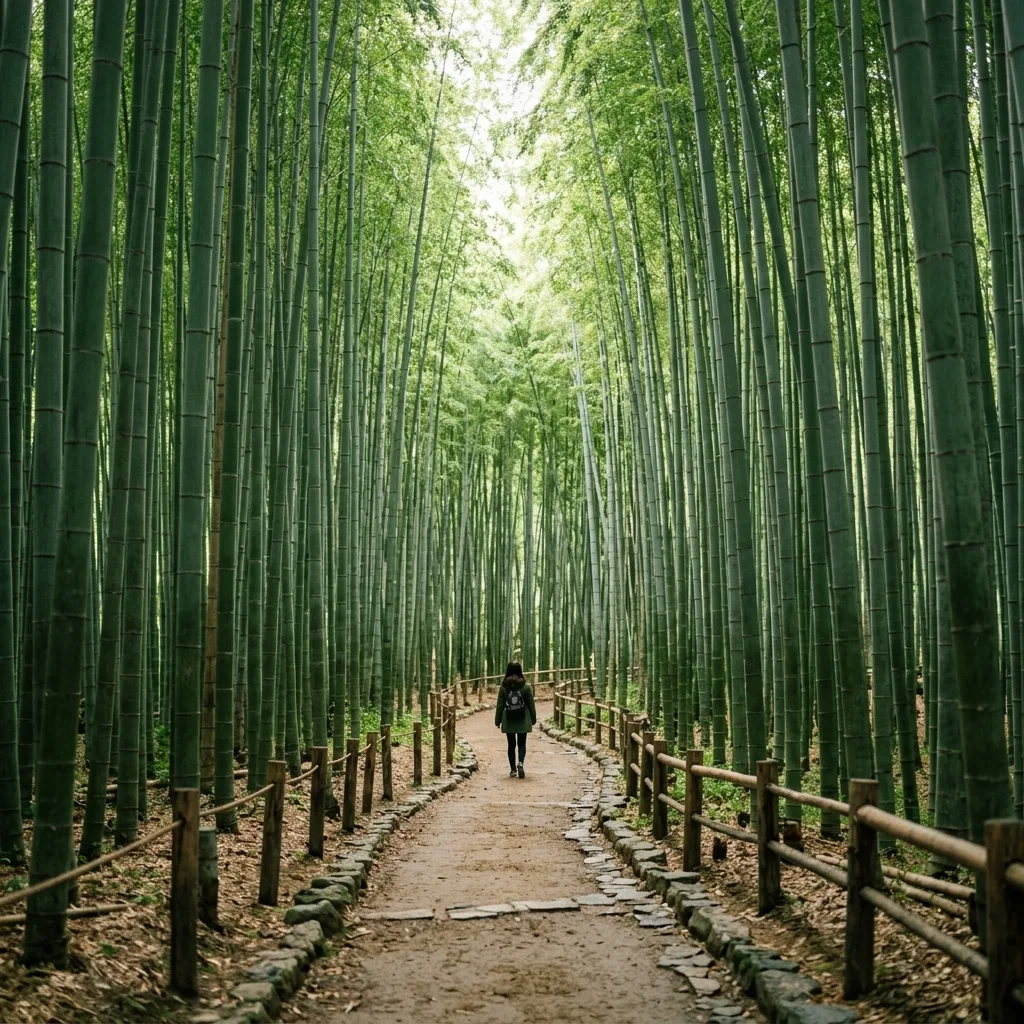
Imagine standing amidst towering stalks of bamboo, their emerald leaves rustling gently in the breeze, creating a symphony of nature that transports you far from the bustling city. This is the magic of Arashiyama Bamboo Grove in Kyoto, a place of profound beauty and tranquility that draws millions of visitors each year. But as captivating as it sounds, experiencing its true serenity requires a bit of planning. Navigating the crowds, understanding the best light for photography, and knowing what other hidden gems lie nearby are crucial for a truly unforgettable visit.
Introduction to Arashiyama Bamboo Grove
Arashiyama Bamboo Grove isn't just a collection of bamboo trees; it's an immersive natural spectacle, a verdant tunnel that feels otherworldly. Located on the western outskirts of Kyoto, this iconic landmark offers a unique sensory experience, from the hypnotic rustling of the bamboo stalks in the wind to the dappled sunlight filtering through the dense canopy. It's a place that has graced countless postcards, travel blogs, and Instagram feeds, yet its true essence can only be appreciated in person. This guide aims to help you unlock the best of Arashiyama, ensuring your visit is as magical as the grove itself.
When planning a trip to Arashiyama, understanding the peak visiting hours is key to avoiding crowds and fully appreciating the serene atmosphere. The grove is open 24/7 and free to enter, making early mornings or late afternoons the ideal times for a peaceful experience and optimal lighting conditions for photography.
The Allure of Arashiyama: More Than Just Bamboo
While the towering bamboo stalks are undoubtedly the main draw, the Arashiyama district offers a rich tapestry of cultural, historical, and natural attractions. Beyond the grove, you'll discover ancient temples, picturesque gardens, a scenic river, and charming streets filled with traditional shops and eateries. It's a destination that invites exploration, promising discoveries around every corner.
Tenryu-ji Temple: A UNESCO World Heritage Site
Adjacent to the bamboo grove lies Tenryu-ji Temple, one of Kyoto's most important Zen temples and a UNESCO World Heritage site. Founded in 1339 by Ashikaga Takauji, the first shogun of the Ashikaga shogunate, in memory of Emperor Go-Daigo, its stunning Sogenchi Teien (pond garden) is a masterpiece of landscape design. This historic garden, designed by the famed Zen monk Muso Soseki, features a central pond surrounded by meticulously placed rocks, pine trees, and seasonal flowers, offering breathtaking views that change with each season. Exploring Tenryu-ji provides a profound insight into Japanese Buddhist architecture and garden artistry. The temple buildings themselves are impressive, with beautiful traditional wooden structures that invite contemplation. The expansive grounds are a joy to wander through, revealing smaller sub-temples and serene pathways. Don't miss the opportunity to combine your visit to the bamboo grove with this serene and historically significant temple, a true cornerstone of Kyoto's rich cultural heritage. For more insights into Kyoto's spiritual side, consider reading our guide on Kyoto Temples and Shrines: Which Ones Are Worth the Entry Fee.
Togetsukyo Bridge: A Scenic Landmark
The iconic Togetsukyo Bridge (Moon Crossing Bridge) spans the Hozugawa River, offering panoramic views of the surrounding mountains and the Arashiyama landscape. This wooden bridge has stood as a beloved landmark for centuries, rebuilt several times but always maintaining its traditional charm. It's particularly stunning during cherry blossom season in spring when the riverbanks explode with delicate pink blooms, and when the autumn leaves turn vibrant shades of red, orange, and gold, reflecting beautifully on the water. The bridge's elegant structure blends harmoniously with the natural beauty of the area, making it a favorite spot for photographers and romantics alike. Renting a rowboat or a traditional yakatabune (roofed boat) on the river below the bridge is a popular activity, offering a different perspective of the scenery and a peaceful escape. The area around the bridge is also bustling with shops and restaurants, making it a perfect spot to relax, enjoy a local treat, and soak in the vibrant atmosphere.
Okochi Sanso Villa: A Hidden Gem of Serenity
For those seeking an even deeper dive into tranquility and refined Japanese aesthetics, the former villa of the famous silent film actor Denjiro Okochi is a must-visit. Nestled on the slopes overlooking the Hozugawa River, Okochi Sanso is a meticulously preserved traditional Japanese estate, showcasing several distinct gardens (moss, dry landscape, and tea gardens), traditional tea houses, and impressive architecture that reflects the actor's personal taste and love for natural beauty. The entrance fee is higher than many other attractions, but it is well worth it, as it includes a delicious cup of freshly prepared matcha tea and a traditional sweet, which you can enjoy in a peaceful setting while admiring the breathtaking views of Kyoto city and the surrounding mountains. The serene atmosphere here provides a stark contrast to the often-crowded bamboo grove, making it an excellent retreat for contemplation and a genuine appreciation of Japanese traditional design and craftsmanship. The care and attention to detail in every aspect of the villa, from its stepping stones to its perfectly manicured moss gardens, are truly remarkable, offering visitors a glimpse into the opulent lifestyle of a bygone era.
Hozugawa River Boat Ride: A Thrilling Descent and Scenic Beauty
For an adventurous and picturesque experience, consider the Hozugawa River Boat Ride. This scenic journey takes you downstream from Tanba-Kameoka to Arashiyama, navigating gentle rapids and enjoying the stunning natural gorge. The ride typically lasts about two hours, offering a unique perspective of the landscape that is especially beautiful during autumn when the hillsides are ablaze with color. It’s an exhilarating yet relaxing way to see the beauty of the region and a fun activity for families or groups. Knowledgeable boatmen, often dressed in traditional attire, guide the traditional flat-bottomed boats with long poles, skillfully maneuvering through the waters while sharing engaging stories and information about the area's history and ecology. This experience provides a memorable contrast to the quiet introspection of the bamboo grove.
Arashiyama's Culinary Delights and Shopping
Beyond its natural and historical attractions, Arashiyama also tempts visitors with an array of culinary delights and unique shopping opportunities. The streets leading up to the bamboo grove and around Togetsukyo Bridge are lined with charming shops, offering everything from traditional Kyoto sweets and souvenirs to artisanal crafts.
Food: Arashiyama is renowned for its specific Kyoto cuisine, particularly yudofu (boiled tofu), a local specialty often served in elegant vegetarian restaurants within temple grounds or along the river. Many eateries offer multi-course kaiseki meals featuring seasonal ingredients. For a more casual experience, explore the numerous street food stalls selling matcha ice cream, dango (sweet rice dumplings), and various savory snacks. Don't miss trying the local tsukemono (pickles) and yatsuhashi (cinnamon-flavored mochi), which make for excellent souvenirs or delightful treats.
Shopping: Beyond the culinary treats, Arashiyama's shops offer a treasure trove of traditional Japanese goods. You can find beautiful handcrafted bamboo products, from delicate tea whisks to intricate baskets, reflecting the region's abundant bamboo resources. Other popular items include exquisite Japanese textiles, ceramics, local crafts, and a variety of green tea products. Many shops also sell character-themed merchandise, especially around the Sagano Romantic Train station. Exploring these shops provides a wonderful way to take a piece of Arashiyama's charm home with you, or perhaps find a unique gift. If you're planning a broader trip through Japan, consider checking out our Kansai Region Travel Guide: Osaka, Kyoto & Nara in One Trip for more destination insights.
Practical Guide to Visiting Arashiyama
Visiting Arashiyama requires a bit of planning to make the most of your trip. Here’s a detailed guide covering timings, transportation, and costs.
Best Time to Visit
The Arashiyama Bamboo Grove is open 24/7 and free to enter, offering accessibility at any time. However, the best time to visit significantly depends on your priorities and what kind of experience you are hoping for:
- Early Morning (before 8 AM): This is by far the most recommended time to avoid the heaviest crowds and experience the grove in relative solitude. The soft morning light filtering through the dense bamboo canopy creates a truly magical and ethereal atmosphere, perfect for photography without distractions. You'll hear the iconic rustling of the bamboo more clearly and feel a profound sense of peace.
- Late Afternoon/Evening (after 4 PM): As the day winds down, the crowds begin to thin out again, though not as dramatically as in the early morning. The warm, golden light of the setting sun can also be incredibly beautiful, casting long shadows and creating a dramatic backdrop for photos. During winter, specifically in December, the Arashiyama Hanatouro (light-up festival) illuminates the grove and surrounding areas with thousands of lanterns and lights, creating a truly spectacular and romantic sight. This is a special, though often crowded, seasonal event.
- Off-Season (Winter - December to February): While colder, winter offers significantly fewer crowds and a unique, tranquil beauty. If you're lucky enough to visit after a snowfall, the bamboo grove transforms into a breathtaking winter wonderland. The quietness of winter can enhance the meditative quality of the grove. The Hanatouro festival typically takes place in mid-December, adding a festive glow to the cooler months.
- Cherry Blossom Season (Late March to Early April) & Autumn Leaves Season (Mid to Late November): These are undeniably the most visually stunning times to visit Kyoto and Arashiyama, with vibrant pinks and fiery reds transforming the landscape. However, they are also the busiest times, attracting immense crowds from around the world. Expect significant congestion across the entire Arashiyama district, long queues for popular attractions, and higher prices for accommodation. If you visit during these periods, arriving extra early is even more crucial.
- Summer (June to August): Kyoto summers can be very hot and humid, making extensive outdoor exploration challenging. However, the lush greenery of the bamboo grove is at its peak, and clear skies offer great photographic opportunities. Visiting earlier in the morning during summer is essential to beat the heat and the crowds.
Important Note on Crowds: Arashiyama is consistently one of Kyoto's most popular attractions. Even outside of peak seasons and times, especially on weekends and national holidays, you should expect to share the space with many other visitors. Patience, an understanding that you are sharing a globally beloved site, and a willingness to embrace the energy of a bustling tourist spot are helpful attitudes. For a quieter experience, explore smaller paths or visit some of the less-trafficked temples and gardens in the wider Arashiyama area.
Hours, Admission, and Prices
- Arashiyama Bamboo Grove: Always open, free admission. No specific operating hours or entry fees apply to the main grove pathway.
- Tenryu-ji Temple:
- Hours: Temple Grounds & Garden: 8:30 AM – 5:00 PM (Last entry at 4:50 PM). Temple Buildings (Halls): 8:30 AM – 4:45 PM (Last entry at 4:30 PM). Dharma Hall (Cloud-Dragon Painting): 9:00 AM – 4:30 PM (Last entry at 4:20 PM) - Note: The Dharma Hall is typically open only on weekends and holidays, except during special daily openings in spring and autumn.
- Admission: Garden (Sogenchi Teien and Hyakkaen) - ¥500. Admission to Garden + Buildings - ¥800. Dharma Hall (extra) - +¥500.
- 2026 Scheduled Closures & Special Dates: Buildings closed in the afternoon on April 1, 2026 (from 12:30 PM). Buildings closed all day on October 29–30, 2026. Dharma Hall (Cloud-Dragon) closures: October 28–30, 2026, and January 2, 2027.
- Okochi Sanso Villa:
- Hours: 9:00 AM to 5:00 PM (Last entry at 4:30 PM). Open year-round.
- Admission: ¥1000 (includes matcha tea and sweet).
- Hozugawa River Boat Ride:
- Hours: Seasonal operation. Generally, daily service runs from March 10 to November 30. From December 1 to December 9, there is no service. From December 10 to March 9, service is limited to Thursdays, Weekends, and National Holidays only (weather permitting). Departures are typically every hour on the hour, with additional services during peak periods.
- Admission: Adults ¥4100, Children (4-12) ¥2700.
- Booking: Reservations are highly recommended, especially during peak seasons and on weekends, and can often be made online via their official Japanese website or through various third-party tour operators.
How to Get There
Arashiyama is very well-connected and easily accessible from central Kyoto, offering several transportation options depending on your starting point and preferred travel style.
- By JR Train (Most Popular & Convenient):
- From Kyoto Station, take the JR Sagano Line (also known as the JR Sanin Line) to Saga-Arashiyama Station. This journey is quick, typically taking about 15-20 minutes, and costs around ¥240. The Japan Rail Pass is valid on this route. From Saga-Arashiyama Station, the bamboo grove is a pleasant 10-minute walk. This route is often the quickest and most straightforward for most visitors staying in Kyoto.
- By Keifuku Arashiyama Line (Randen Tram - Scenic Option):
- For a more traditional and scenic experience, take the Keifuku Arashiyama Line, affectionately known as the Randen tram. You can board it from Shijo-Omiya Station in central Kyoto or from Kitano-Hakubaicho Station. The tram ride takes approximately 20-30 minutes and offers charming views of Kyoto's neighborhoods. The Arashiyama Station on this line is ideally located very close to the Togetsukyo Bridge, Tenryu-ji Temple, and the entrance to the bamboo grove, placing you right in the heart of the action.
- By Hankyu Arashiyama Line:
- From Kyoto-Kawaramachi Station or Karasuma Station (if coming from the city center), take the Hankyu Kyoto Line to Katsura Station, then transfer to the Hankyu Arashiyama Line. This line's Arashiyama Station is located on the south side of the Togetsukyo Bridge. While a bit further from the main bamboo grove entrance, it's still a convenient option, especially if you're coming from the southern parts of Kyoto or Osaka.
- By City Bus (Slower but Direct):
- Various Kyoto City Buses (e.g., numbers 11, 28, 93) go to Arashiyama. While buses can offer direct routes from some areas, they are generally slower due to traffic congestion, especially during peak tourist seasons. A bus ride from Kyoto Station to Arashiyama can take 30-45 minutes or more.
- By Taxi/Ride-sharing:
- Taxis and ride-sharing services offer the most direct and comfortable, albeit more expensive, way to reach Arashiyama. This can be a good option if you are traveling with heavy luggage, have mobility issues, or are short on time and want to avoid public transport crowds.
Booking Links and Tours
- Tenryu-ji Temple: Generally, admission tickets are purchased directly on-site at the temple entrance.
- Hozugawa River Boat Ride: For reservations and detailed schedule information, it is best to check their official website (often in Japanese, but translation tools can help) or look for tour packages offered by reputable travel agencies like Klook, MyRealTrip, or local Japanese tour operators. Booking in advance is highly recommended, especially during popular seasons like autumn.
- No specific booking is required for the Arashiyama Bamboo Grove itself as it offers free, open access.
- Guided Tours: Many tour companies offer guided excursions to Arashiyama, often combining it with other popular Kyoto attractions like Kinkaku-ji (Golden Pavilion) or Fushimi Inari Shrine. These tours can be convenient for first-time visitors who prefer a structured itinerary and expert commentary. Consider searching on platforms like Viator, GetYourGuide, or Klook for available options. For a wider perspective on planning your Japan Travel Planning: Visa, IC Card, Rail Pass & Essential Logistics Guide.
Tips & Common Mistakes for Your Arashiyama Visit
To ensure a smooth, enjoyable, and memorable visit to Arashiyama, keep these essential tips in mind and proactively avoid common pitfalls that can detract from the experience:
- Go Early or Late – Seriously: This cannot be stressed enough. Arashiyama Bamboo Grove's popularity means it can become incredibly crowded, especially between 9 AM and 3 PM. Arriving before 8 AM or after 4 PM dramatically transforms the experience, allowing you to walk in relative peace, take stunning photographs without dozens of people in the background, and truly soak in the tranquil atmosphere. The quality of light for photography is also superior during these "golden hours."
- Wear Comfortable, Practical Footwear: You will be doing a significant amount of walking. The main path through the bamboo grove is paved and relatively flat, but exploring the expansive grounds of Tenryu-ji Temple, ascending to Okochi Sanso Villa, or simply wandering the charming streets will require comfortable shoes. Avoid high heels or flimsy sandals.
- Budget for Sufficient Time: While the bamboo grove itself can be walked through in 30-60 minutes, the entire Arashiyama district is rich with attractions. To properly explore Tenryu-ji Temple, Okochi Sanso Villa, enjoy the river views from Togetsukyo Bridge, browse the shops, and perhaps have a meal, you should allocate at least half a day (4-5 hours). For a more relaxed pace or if you plan to include a river boat ride or visit additional temples, a full day is highly recommended. Rushing through will only lead to a superficial experience.
- Combine Thoughtfully with Other Attractions: Arashiyama is located on the western outskirts of Kyoto. It is often combined with other attractions that are relatively nearby, such as Kinkaku-ji (Golden Pavilion) or Ryoan-ji Temple in northern Kyoto. Plan your itinerary logically to minimize travel time between sites and avoid crisscrossing the city.
- Stay Hydrated and Bring Snacks: Especially during the warmer months (late spring through early autumn), Kyoto's humidity can be intense. It’s crucial to carry a water bottle. While there are shops and vending machines, having a small snack can be helpful to keep your energy up during extensive exploration.
- Respect the Sacred and Natural Environment: Arashiyama is home to temples and a cherished natural landscape. Stay on designated paths, avoid climbing on the bamboo or touching temple artifacts, and dispose of your trash properly. Help preserve the beauty and sanctity of this special place for future visitors.
- Be Mindful of Photography Etiquette: While everyone desires that perfect shot, be considerate of other visitors. Avoid blocking paths for extended periods, be aware of your surroundings, and be respectful if others are trying to pass. In crowded areas, using large tripods can be impractical and disruptive.
- Don't Limit Yourself to Just the Bamboo Grove: A common mistake made by many visitors is to only see the bamboo grove and then leave. The true charm and beauty of Arashiyama lie in its diverse array of attractions – the profound tranquility of its temples, the artistic mastery of its gardens, the scenic beauty of the Hozugawa River, and the charming bustle of its traditional shopping streets. Give yourself time to explore beyond the main path; you won't regret it.
- Consider a Traditional Rickshaw Ride: For a unique, relaxing, and informative way to see the sights, particularly around Togetsukyo Bridge, the main streets, and even parts of the bamboo grove, consider hiring a traditional rickshaw (jinrikisha). The knowledgeable drivers, often excellent English speakers, act as personal guides, offering insights into the area's history and culture, and can take you to picturesque spots you might otherwise miss. It's a fantastic way to support local tourism and enjoy a bespoke experience.
- Seasonal Considerations & What to Pack: Be aware of Kyoto's distinct seasons. Summers can be hot and humid, requiring light clothing, sunscreen, and a hat. Winters can be cold, necessitating warm layers. Spring and autumn offer pleasant temperatures but also attract the largest crowds, so pack accordingly for comfort and weather changes. For example, if you are looking for Best Ryokan Stays Near Tokyo for a Traditional Japanese Night, you would need to plan your packing differently than for a day trip to Arashiyama.
FAQ: Your Questions Answered
Q1: Is Arashiyama Bamboo Grove free to enter?
Yes, the Arashiyama Bamboo Grove itself is completely free to enter and is accessible 24 hours a day, year-round. There are no gates or admission booths for the main grove pathway. However, many surrounding attractions, such as Tenryu-ji Temple and Okochi Sanso Villa, do have admission fees.
Q2: How much time should I allocate for visiting Arashiyama?
To fully appreciate the diverse attractions of the Arashiyama district, including a leisurely stroll through the bamboo grove, exploring Tenryu-ji Temple's gardens and halls, admiring Togetsukyo Bridge, and potentially visiting Okochi Sanso Villa or enjoying a river activity, you should ideally allocate at least half a day (4-5 hours). If you plan to visit multiple temples, enjoy a traditional meal, or engage in more extensive shopping, a full day from morning to late afternoon is highly recommended to avoid feeling rushed.
Q3: What's the best way to get to Arashiyama from Kyoto Station?
The most convenient and efficient way to reach Arashiyama from Kyoto Station is by taking the JR Sagano Line (also known as the JR Sanin Line) to Saga-Arashiyama Station. The train ride is quick, typically around 15-20 minutes, and the fare is approximately ¥240. From Saga-Arashiyama Station, the entrance to the bamboo grove is just a short 10-minute walk, and other main attractions are easily reachable on foot.
Q4: Are there good places to eat in Arashiyama?
Absolutely! Arashiyama boasts a fantastic array of dining options, catering to various tastes and budgets. You can find traditional Kyoto cuisine (Kyo-ryori), often served in elegant restaurants with garden views, specializing in vegetarian shojin ryori (Buddhist temple cuisine) or yudofu (boiled tofu). The streets leading to the bamboo grove and around Togetsukyo Bridge are also brimming with casual eateries, charming cafes, and bustling street food stalls offering local favorites like matcha ice cream, various dango, and freshly grilled snacks. From quick bites to refined dining experiences, Arashiyama has something to satisfy every palate.
Q5: Can I visit Arashiyama Bamboo Grove with a wheelchair or stroller?
The main path through the Arashiyama Bamboo Grove is generally well-maintained, relatively flat, and paved or covered with compact gravel, making it largely accessible for wheelchairs and strollers. However, some of the smaller side paths within the grove, and certainly the grounds of surrounding temples and villas (like Tenryu-ji and Okochi Sanso), might have steps, uneven surfaces, or steeper inclines. While the core bamboo path is manageable, visitors with mobility challenges should be prepared for some limitations in accessing all areas and might need to plan alternative routes for certain attractions.
Q6: What if it rains during my visit to Arashiyama?
Don't let a rainy forecast deter you! Arashiyama can still be incredibly beautiful and atmospheric in the rain. The bamboo stalks appear even more vibrant and intensely green, and the softer light can create a moody, mystical ambiance. Furthermore, rainy days often mean fewer crowds, allowing for a more peaceful experience. Be sure to bring a sturdy umbrella or a waterproof raincoat. Many of the temples offer excellent indoor spaces to explore, and the numerous cafes and shops provide cozy shelters where you can enjoy a warm drink and watch the rain fall. The area around Togetsukyo Bridge, in particular, has many covered arcades and shops.
Q7: What are the best souvenirs to buy in Arashiyama?
Arashiyama offers a delightful selection of unique souvenirs. Given the abundance of bamboo, you'll find exquisite handcrafted bamboo products, including delicate tea whisks, stylish baskets, and decorative items. Other popular choices include traditional Japanese ceramics, beautiful textiles (such as scarves or small pouches), local green tea, and a wide variety of Kyoto-specific sweets and snacks like yatsuhashi (cinnamon-flavored mochi) and matcha flavored treats. Many small boutiques also offer artisanal goods, unique stationery, and charming local crafts, perfect for taking a piece of your Arashiyama experience home.
Conclusion
Arashiyama Bamboo Grove is more than just a picturesque spot; it is a profound immersion into Japan's natural beauty and cultural depth. By planning your visit strategically – prioritizing early mornings or late afternoons, allowing ample time to explore beyond the main grove, and being mindful of transportation, local etiquette, and seasonal nuances – you can transform a simple sightseeing trip into a deeply enriching and unforgettable cultural experience. The gentle whispers of the bamboo, the serene beauty of the ancient gardens, the historical depth of the temples, and the vibrant local culture combine to create an unparalleled tableau of Kyoto's enduring charm. Don't just tick it off a travel list; immerse yourself in the profound magic of Arashiyama, and let its unique tranquility and captivating allure resonate with your soul long after you've departed.